

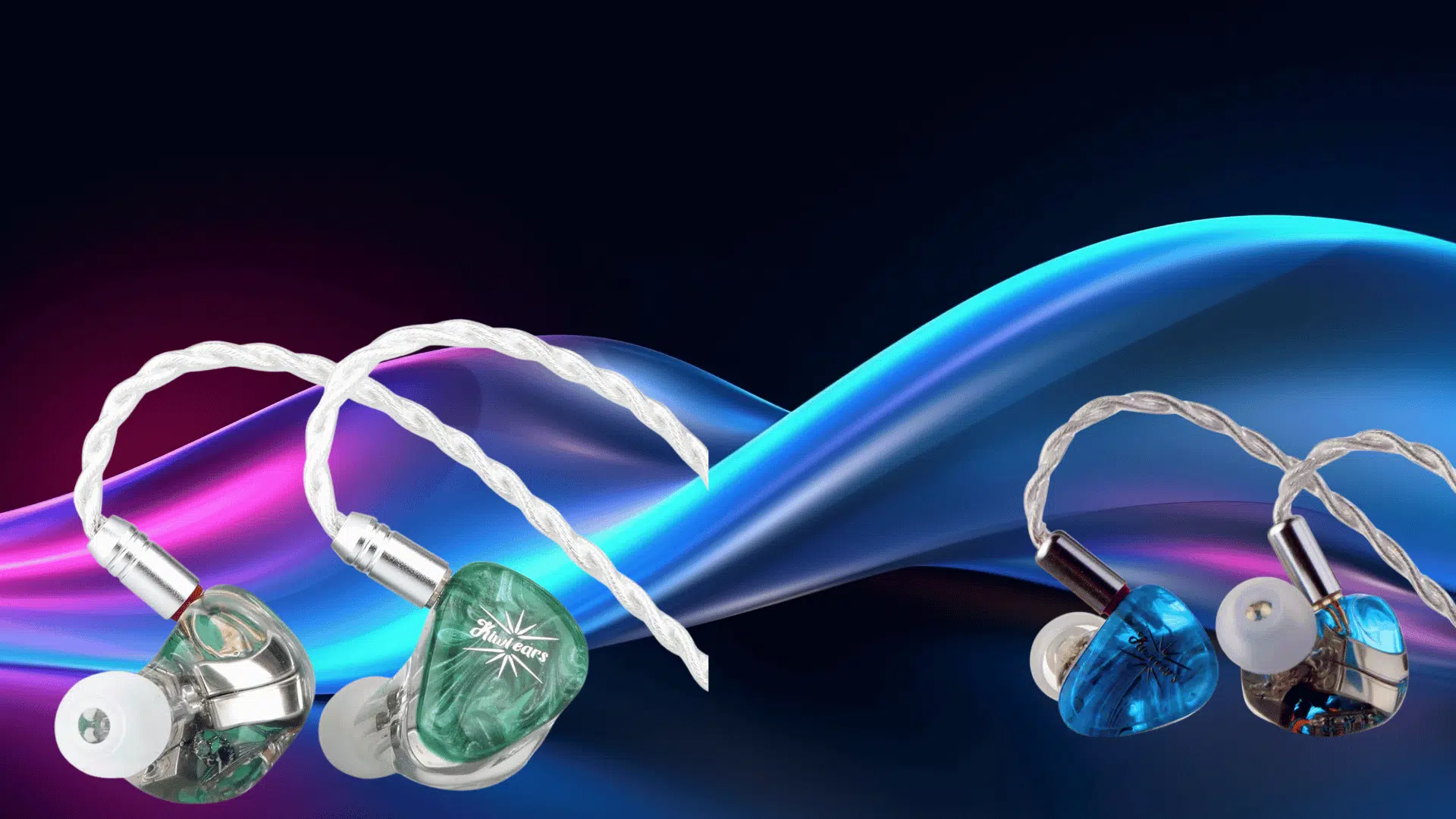




Some earphones sound good. Others make you lean in and really listen. The Kiwi Ears Orchestra Lite falls into that second category.
Kiwi Ears has built a quiet reputation among audio and this model stands out for its full balanced-armature setup. No dynamic driver punch here-just precision, layering, and control.
If you’re chasing clarity over rumble, the Kiwi Ears Orchestra Lite might be exactly what you’ve been searching for.
Kiwi Ears Orchestra Lite: Specs at a Glance
The Kiwi Ears Orchestra Lite focuses on clarity and detailed sound rather than heavy bass. Its design and specs make it easy to use while staying comfortable for long listening sessions.
- Driver Setup: 8 Balanced Armature drivers tuned for precision and clarity
- Sound Profile: Balanced output with clear mids and highs over bass-heavy tuning
- Specifications: 20Hz–20kHz frequency range, 16Ω impedance, 112dB sensitivity
- Detachable Cable: 2-pin design for easy replacement or upgrades
- Build Quality: Lightweight medical-grade resin shell for comfort and durability
Design & Build Quality Overview
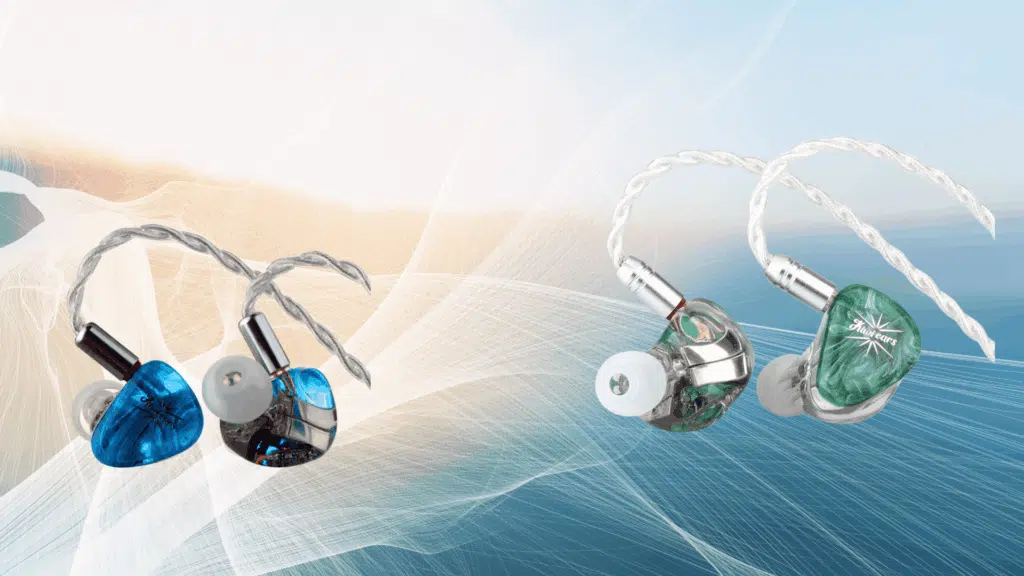
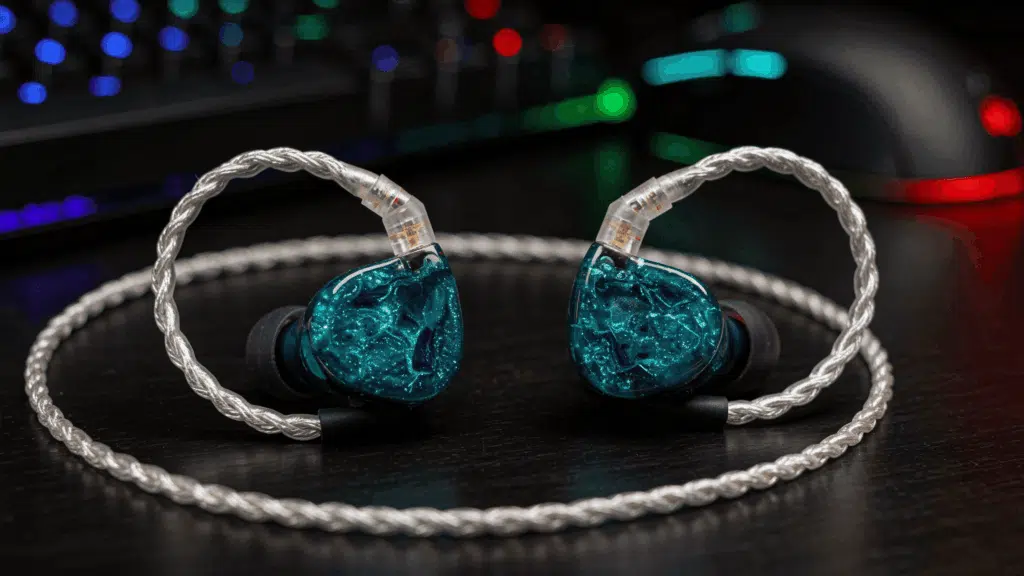
The Kiwi Ears Orchestra Lite uses a medical-grade resin shell that feels smooth, solid, and well-finished. The transparent design gives it a clean, premium look while subtly showcasing the internal driver layout.
Its lightweight, ergonomic shape sits naturally in the ear, making it comfortable for extended listening sessions.
The contour follows a custom-style mold, which helps improve both fit and passive noise isolation. The faceplate design keeps things refined rather than flashy, appealing to listeners who prefer a subtle aesthetic.
Despite its light build, the shell feels durable enough for daily use, whether at home, in the studio, or on the go.
Driver Configuration & Technical Breakdown
The Orchestra Lite focuses on accuracy and clarity with a fully balanced armature setup. Its tuning is designed for detail and separation rather than strong bass impact.
| Feature | Description | Benefit |
|---|---|---|
| Driver Setup | 8 Balanced Armature drivers | Delivers precise and detailed sound |
| Crossover System | Separates lows, mids, and highs | Improves clarity and instrument separation |
| Sound Tuning | Neutral, reference-style | Accurate audio without boosted bass |
| Bass Response | Tight and controlled | Ideal for detail-focused listening |
Kiwi Ears Orchestra Lite: Sound Performance
This is where the Orchestra Lite quietly shows its purpose. It doesn’t try to overwhelm you. Instead, it focuses on precision, balance, and control across the entire frequency range.
1. Bass Response
The bass is clean and disciplined rather than aggressive.
- Sub-bass reaches low but stays controlled
- Mid-bass is tight with minimal bleed into the mids
- Focuses on texture over physical impact
Compared to hybrid IEMs with dynamic drivers, the low end feels more refined but less punchy. You get accuracy instead of rumble.
2. Midrange Clarity
The midrange is the highlight of this tuning.
- Vocals sit naturally in the center
- Excellent instrument separation
- Clear reproduction of acoustic guitars, pianos, and strings
For vocal-focused tracks and acoustic music, it sounds honest and well-layered.
3. Treble Performance
High frequencies bring detail without harshness.
- Strong detail retrieval
- Good sense of air and openness
- Low fatigue during long listening sessions
Treble is extended but not sharp, making it suitable for extended use.
4. Soundstage & Imaging
Imaging is precise, with solid placement across the stage.
- Good width with moderate depth
- Clear layering between instruments
- Accurate directional cues for gaming
- Reliable monitoring capability for studio use
It may not feel massive in scale, but its positioning and clarity make it technically impressive for its class.
Source Pairing & Power Requirements
The Orchestra Lite is easy to drive thanks to its low impedance and high sensitivity, so it works well directly from smartphones, laptops, and portable devices.
While it performs fine with a basic Apple dongle, it benefits from a quality DAC/AMP, offering improved separation and control.
Pairings like iFi portable DACs or FiiO devices in the USA market can slightly enhance clarity and staging, but a powerful setup isn’t required to fully realize its potential.
Kiwi Ears Orchestra Lite vs. Similar Products
To understand where the Orchestra Lite stands, here’s a side-by-side comparison with some popular competitors and who each model suits best:
| Feature | Kiwi Ears Orchestra Lite | Moondrop Blessing 3 | 7Hz Timeless |
|---|---|---|---|
| Driver Type | 8 Balanced Armature | Hybrid (DD + BA) | Planar Magnetic |
| Sound Signature | Neutral, reference-style | Neutral with sub-bass lift | Fast, detailed, energetic |
| Bass Impact | Tight, controlled | Stronger sub-bass | Fast and punchy |
| Midrange | Clear, forward | Clean and balanced | Clean with a good texture |
| Treble | Detailed, low fatigue | Smooth with good extension | Crisp and lively |
| Best For | Detail-focused listeners | Balanced all-rounders | Speed and technical clarity lovers |
| Price (USA) | $240–$260 | $320–$350 | $200–$220 |
Is the Orchestra Lite Good for Gaming?
For gamers who value precision over heavy bass, the Orchestra Lite performs surprisingly well. Its accurate imaging helps with directional cues, making footsteps and movement easier to track in FPS titles.
The clean midrange keeps dialogue clear, while controlled treble adds detail without becoming sharp during long sessions.
Soundstage width is moderate but well-layered, which improves positional awareness in competitive play.
It may not deliver explosive low-end impact for cinematic gaming, but for clarity-focused and tactical gamers, it offers strong performance.
Who Should Buy the Kiwi Ears Orchestra Lite?
If you value clarity over impact and precision over rumble, this IEM makes a lot of sense. It’s built for listeners who care about accuracy and clean presentation rather than heavy low-end emphasis.
- Audiophiles who prefer neutral, reference-style tuning
- Vocal lovers who want natural voice reproduction
- Acoustic, jazz, and classical music listeners
- Studio monitoring users who need honest sound
- Detail-focused gamers who want accurate imaging
- Listeners sensitive to sharp or aggressive treble
- Those upgrading from entry-level balanced IEMs
- Users who prioritize layering and separation
It may not suit heavy bass fans, but for accuracy-driven listeners, it fits perfectly.
Final Verdict
The Kiwi Ears Orchestra Lite is not built to impress with thunderous bass or flashy tuning. Instead, it focuses on balance, clarity, and technical precision.
Its all-balanced armature setup delivers clean mids, controlled lows, and detailed highs that suit critical listening and studio-style use.
For audiophiles, vocal lovers, and gamers who value imaging accuracy, it delivers strong performance for its price. It may not satisfy bass-heavy preferences, but that’s not its goal.
If you want a refined, reference-leaning IEM that prioritizes detail over impact, the Kiwi Ears Orchestra Lite is a confident choice.