

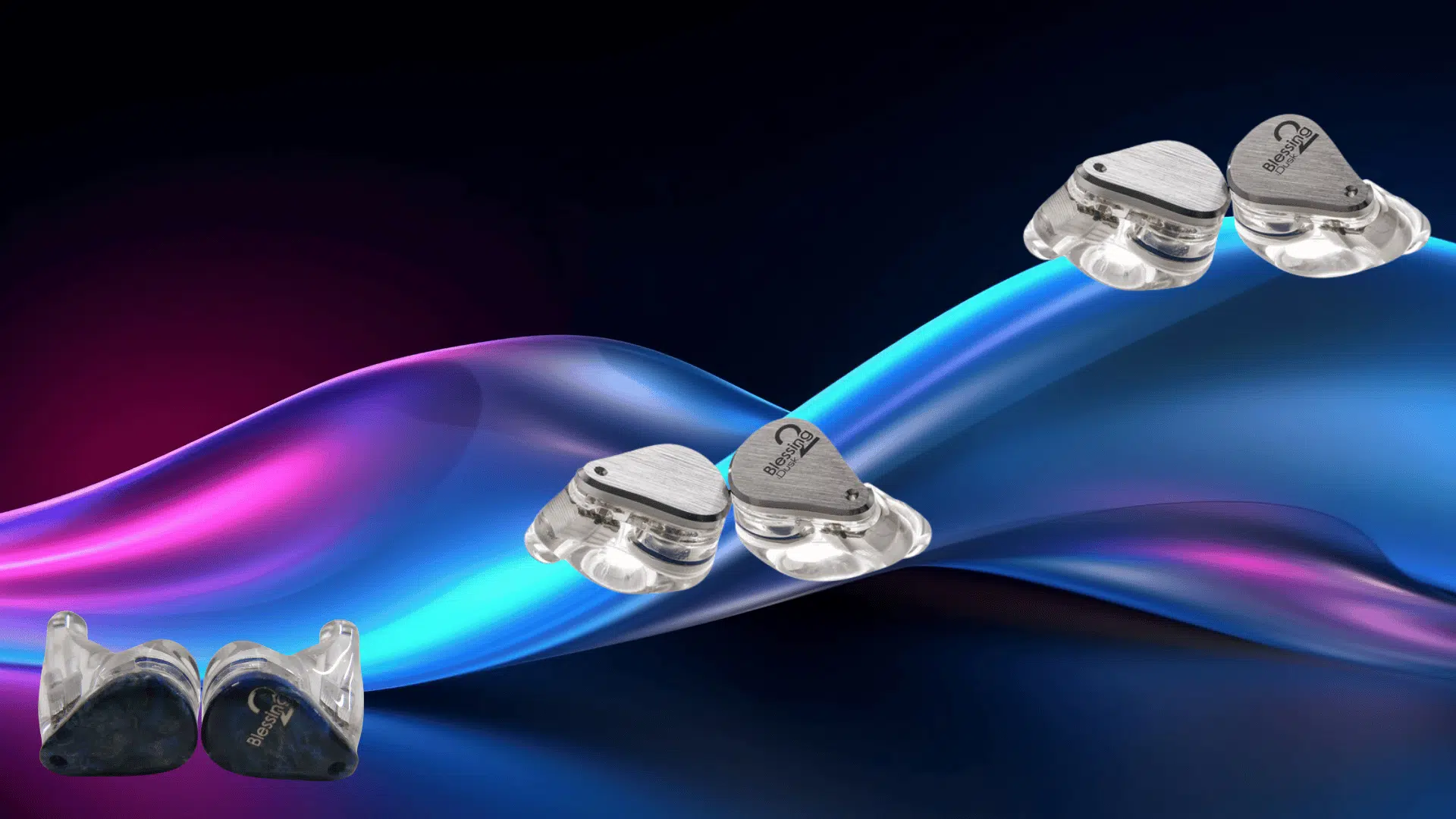




Serious audio fans are always searching for gear that delivers real detail without breaking the bank.
That’s where the Moondrop Blessing 2 enters the conversation.
It has built a strong reputation in the U.S. audiophile community for its balanced tuning and hybrid driver setup, and people keep comparing it to models that cost much more.
But is it all hype, or does it truly perform?
In this blog, we’ll look at its specs, sound quality, build, pros and cons, and whether it’s the right choice for your listening style.
What is the Moondrop Blessing 2?
Moondrop is a well-known audio brand recognized for tuning its earphones using measurement-based research and a focus on balanced sound.
The Blessing 2 is one of its most talked-about hybrid in-ear monitors, combining a dynamic driver with balanced armatures.
In the U.S. IEM market, it sits in the mid-to-upper price tier and is often compared to higher-end models for its value.
It’s designed for audiophiles, detail-focused listeners, and anyone who wants accurate, clean sound without stepping into ultra-premium pricing.
Key Features of the Moondrop Blessing 2
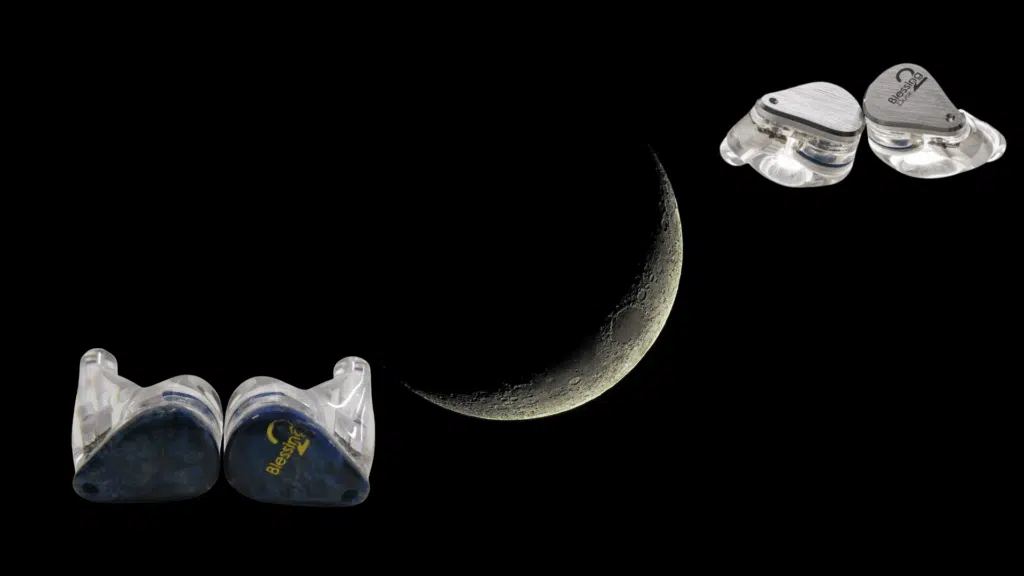
The Moondrop Blessing 2 stands out for its focus on sound performance and build quality rather than extra features. Here are the key features that define its overall experience.
- Hybrid Driver Setup: Combines a dynamic driver for bass with balanced armatures for mids and highs, delivering a clean and controlled sound.
- Transparent Resin Shell: Features a clear resin design that reveals internal components, adding a unique and premium look.
- Detachable 2-Pin Cable: Comes with a replaceable cable, making upgrades and long-term use more convenient.
- Balanced Sound Tuning: Designed using measurement targets to provide a natural and balanced listening experience.
- Custom Engraving Option: Select versions allow personal engraving, giving the earphones a more customized feel.
Build Quality and Comfort
The shell size and fit are slightly larger than average due to the multi-driver design, so smaller ears may need to test tip options for the best seal. However, the ergonomic shaping helps distribute weight evenly.
The isolation performance is solid, blocking out a good amount of external noise when properly sealed, making it suitable for commuting or focused listening.
The included cable is durable, featuring a flexible silver-plated copper build and secure 2-pin connectors.
For most listeners, long listening comfort is good, though fit ultimately depends on ear shape and tip selection.
Moondrop Blessing 2: Sound Quality Review
Sound is where this IEM truly earns its reputation, so let’s break down how it performs across different frequency ranges.
1. Bass Performance
The sub-bass has good extension, reaching low without overpowering the rest of the mix. It feels controlled rather than boosted, which keeps the overall tuning balanced.
Mid-bass is tight and clean, avoiding muddiness. Impact is present, but not exaggerated, and texture comes through clearly in bass guitars and electronic tracks.
2. Midrange Clarity
Vocals sound natural and forward without feeling shouty. Male and female voices both come across with clarity and presence.
Instrument separation is strong, allowing guitars, pianos, and strings to stand out distinctly. The tonality feels accurate and well-balanced, which makes it suitable for critical listening.
3. Treble and High Frequencies
Treble delivers solid detail retrieval, bringing out subtle elements in cymbals and background instruments. It leans slightly bright but remains mostly smooth.
For most listeners, it avoids harshness, though very treble-sensitive users may notice extra sparkle at higher volumes.
4. Soundstage and Imaging
The soundstage offers respectable width and depth for an in-ear monitor. It does not feel cramped, and layering is handled well.
Instrument placement is precise, making it easy to locate sounds in the mix. In its price range, this level of imaging and separation gives it a clear competitive edge.
Moondrop Blessing 2: Specs at a Glance
Before judging performance, it helps to understand what’s inside and how those specs translate into real-world use.
Technical Specs
- Driver Configuration: Hybrid setup with 1 dynamic driver for bass and 4 balanced armature drivers for mids and highs
- Frequency Response: Approximately 9Hz–37kHz
- Impedance: Around 22 ohms
- Sensitivity: About 117dB/Vrms
- Connector Type: 0.78mm 2-pin detachable cable
- Cable Details: Silver-plated copper cable, replaceable design
- Shell Material: Medical-grade resin shell with stainless steel faceplate
What the Specs Mean for Everyday Users
Specs can seem technical, but they directly affect how the earphones feel and perform in daily use. Here’s what they actually mean in simple terms:
- Easy To Drive: Moderate impedance and high sensitivity make it easy to reach good volume without needing powerful gear.
- Works with Smartphones: Most phones can run these IEMs without issues, though a DAC or portable amp can improve clarity and control.
- Detachable 2-Pin Cable: Allows easy cable replacement or upgrades, adding flexibility for long-term use.
- Lightweight Resin Shell: Keeps the earphones light, helping maintain comfort during long listening sessions.
Moondrop Blessing 2 vs. Competitors
To see where the Moondrop Blessing 2 really stands, it helps to compare it with a few well-known alternatives across sound, comfort, and pricing.
| Feature / Model | Moondrop Blessing 2 | Sony IER-M9 | Shure SE425 |
|---|---|---|---|
| Driver Type | Hybrid (1DD+4BA) | Balanced armature (5 BA) | Dual BA |
| Sound Signature | Balanced, detailed mids | Warm, rich sound | Mid-focused |
| Comfort | Moderate — larger shells | Excellent ergonomic fit | Comfortable with ear hooks |
| Isolation | Good passive | Good passive | Good with fit |
| Use Case | Audiophile listening | Wider genre appeal | Everyday listening |
| Typical Price (USA) | $320–330 USD | $900–1000+ USD | $350–400 USD |
Is Moondrop Blessing 2 Good for Gaming?
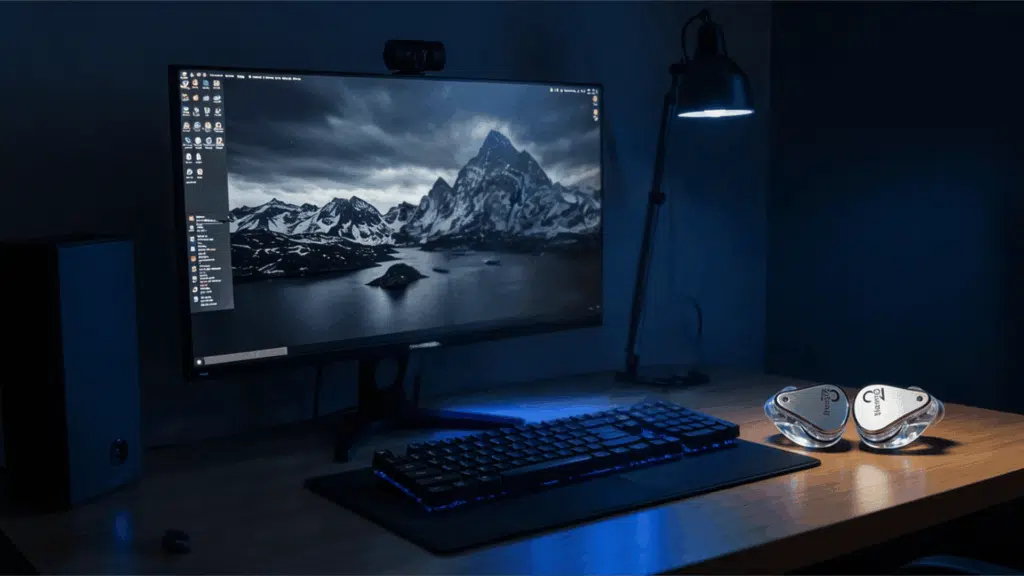
While designed primarily for music lovers, the Moondrop Blessing 2 can also appeal to gamers who care about detailed sound and precise audio cues.
Its clear imaging helps you pinpoint in-game effects and environments, and the balanced tuning keeps explosions, footsteps, and dialogue distinct without overwhelming bass.
For the best experience, pair it with a quality audio source or gaming DAC/amp setup. This setup can make long sessions more engaging and help competitive players stay attuned to subtle sound details.
Who Should Buy the Moondrop Blessing 2?
The Moondrop Blessing 2 isn’t built for everyone, but for the right kind of listener, it delivers a very rewarding experience. Its focus stays on clean, accurate sound rather than flashy features, which makes it stand out in a crowded market.
- Audiophiles Who Value Clarity and Detail: Great for picking up small details in music, with clean mids and controlled highs that stay accurate without sounding harsh.
- Studio and Content Creators: Balanced tuning makes it useful for monitoring and basic mixing, keeping the sound close to the original recording.
- Casual Listeners Upgrading from Basic Earbuds: A noticeable upgrade in sound quality, offering better separation and clarity without entering very high-end pricing.
- Gamers Who Want Better Audio Positioning: Precise imaging helps with directional sound, making it easier to catch subtle in-game cues.
- Users Willing to Pair with A DAC or Amp: Works well on its own, but pairing with better gear brings out improved clarity and overall performance.
Final Verdict
The Moondrop Blessing 2 remains a strong contender in its price range thanks to its balanced tuning, clean mids, and solid technical performance.
It offers impressive clarity and separation, still competing well with newer releases.
For listeners who value accuracy over heavy bass and want detailed sound without stepping into premium pricing, it delivers real value.
While newer models have entered the market, it still holds up for audiophiles, studio users, and detail-focused listeners seeking reliable performance.