




Choosing the best coffee grinder can feel confusing when every option promises better flavor and performance. The right choice depends less on hype and more on how you actually brew at home.
This guide breaks down what truly impacts taste, consistency, and daily workflow. You’ll learn how to compare options clearly without wasting money on the wrong type.
By the end, you’ll know how to select a coffee grinder that fits your routine, budget, and expectations.
What Actually Makes a Coffee Grinder “Good”?
A coffee grinder isn’t judged by brand name or price alone. It’s judged by how evenly it grinds and how consistently it repeats that performance.
1. Grind Consistency (Core Factor)
Grind consistency is the single most important factor in cup quality. Uneven particle size causes some grounds to over-extract (bitter) while others under-extract (sour).
A good grinder keeps particle size tight and uniform. That narrow distribution produces cleaner, sweeter, and more balanced coffee.
2. Burr Type (Flat vs. Conical)
Flat burrs tend to produce more uniform particles, which often results in higher flavor clarity. They are commonly preferred for pour-over and light roast profiles.
Conical burrs usually create slightly more fines, adding body and texture. Many espresso drinkers prefer this richer, heavier mouthfeel.
3. Grind Range & Adjustability
Espresso requires very fine grinding and tiny adjustment steps. Even small changes in grind size affect flow rate and shot timing.
Filter brewing does not need extreme precision, but it does need stability. Consistent medium-to-coarse particles matter more than micro-adjustments.
4. Retention & Workflow
Retention refers to old grounds left inside the grinder. When fresh coffee mixes with stale residue, flavor clarity drops, and results become inconsistent.
Low-retention grinders improve repeatability and freshness. This is especially important if you switch beans or brew methods often.
5. Build Quality & Motor Stability
Stable motors and properly aligned burrs ensure uniform grinding. Vibration or poor alignment increases particle inconsistency.
Cheaper grinders often use weaker materials and unstable assemblies. Over time, this leads to wider particle spread and declining performance.
In simple terms, a good grinder produces even particles, adjusts reliably, and maintains performance over time. Everything else is secondary to that foundation.
Best Coffee Grinders by Use Case
Below are the top coffee grinders categorized by how people actually brew at home. Each pick balances performance, value, and daily usability.
All-Round Grinders (Espresso + Filter)
These grinders handle both espresso and filter coffee, so you don’t have to buy two separate machines.
1. Baratza Encore ESP
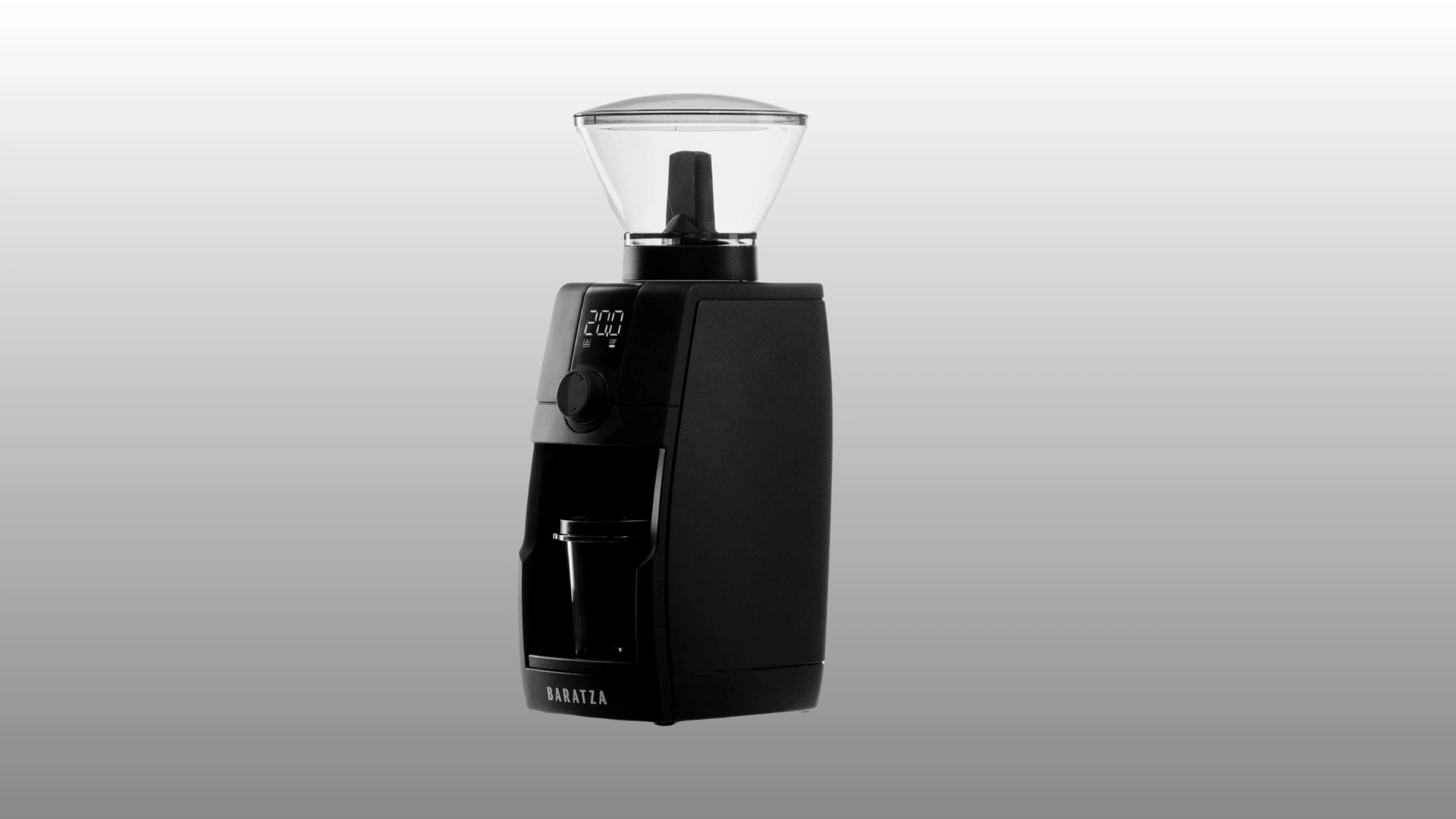
The Baratza Encore ESP is one of the safest all-around choices for home users. It offers enough fine-tuning for entry-level espresso while remaining consistent for pour-over and drip.
It’s beginner-friendly, well-supported, and sits in the performance sweet spot for its price.
2. DF54
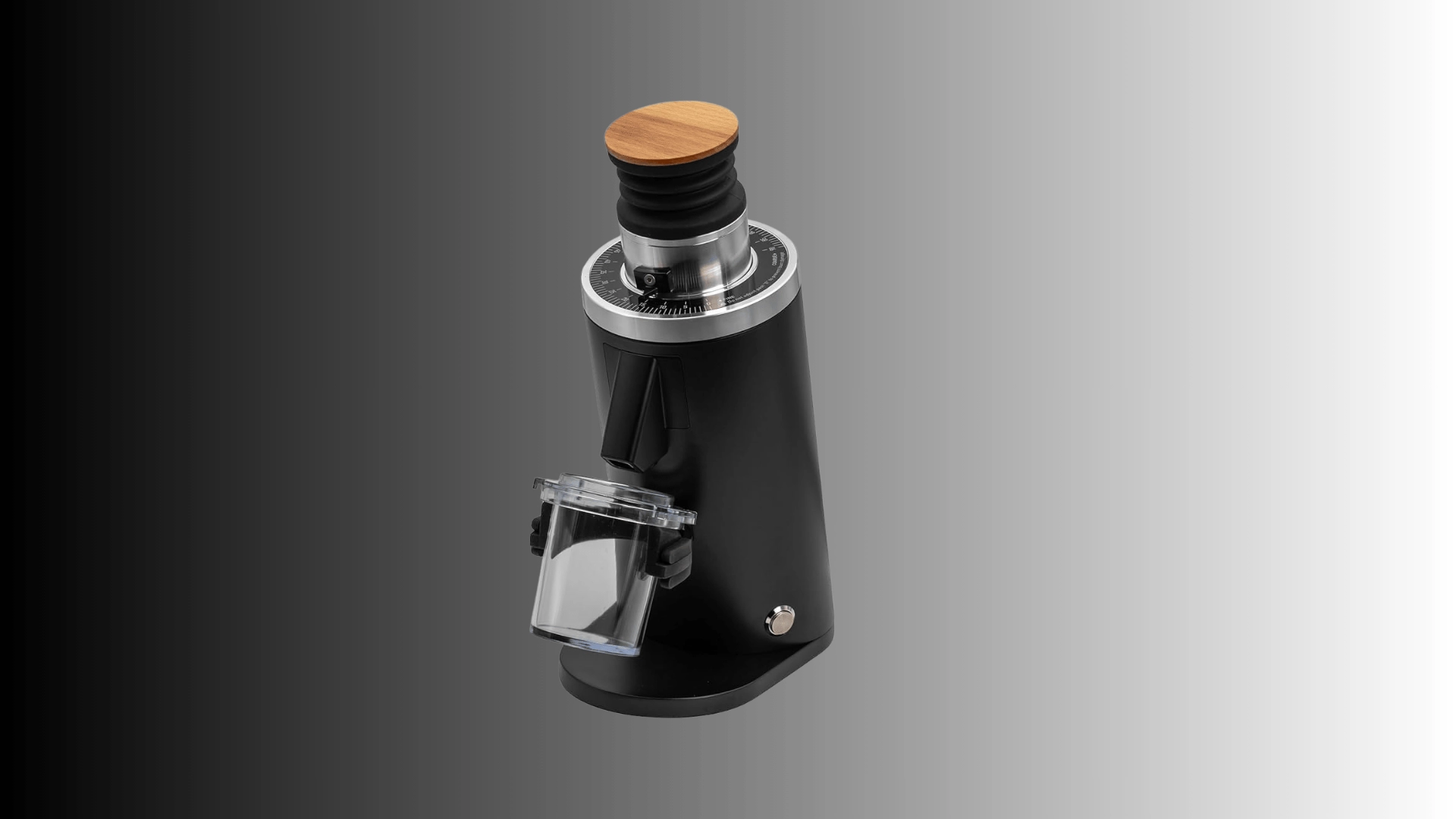
The DF54 delivers strong grind consistency, especially for espresso at its price point. Its flat burr design improves clarity while still effectively covering filter brewing.
It leans slightly toward espresso performance, making it ideal for mixed brewing with better dialing control.
3. Eureka Mignon Specialita
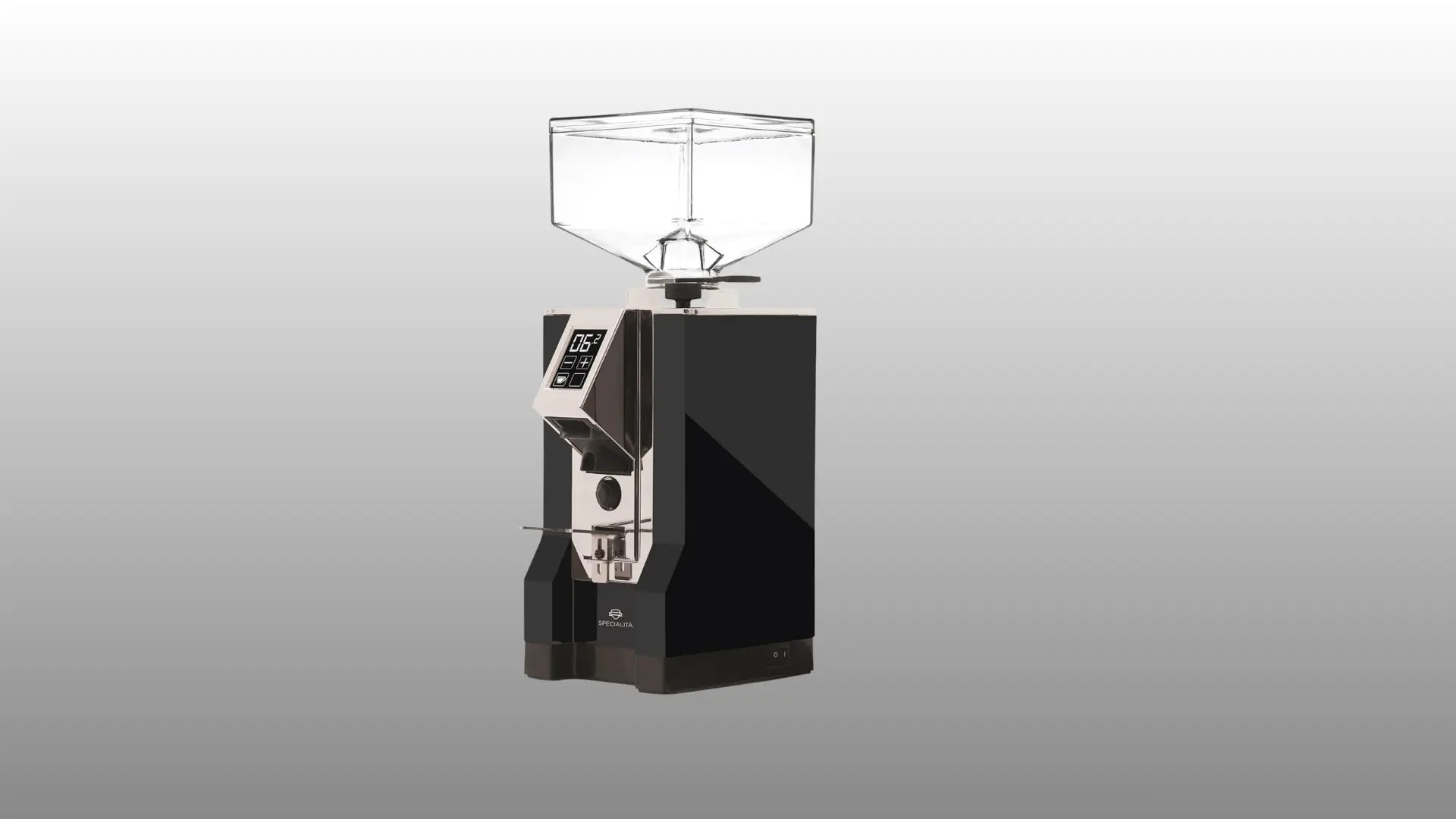
The Mignon Specialita offers refined espresso precision with stepless adjustment control. It also handles filter brewing when adjusted properly.
Its quiet operation and solid build make it suitable for users who prioritize espresso but want flexibility.
Best for Espresso at Home
These grinders are built specifically for dialing in balanced and repeatable espresso shots.
4. Baratza Sette 270
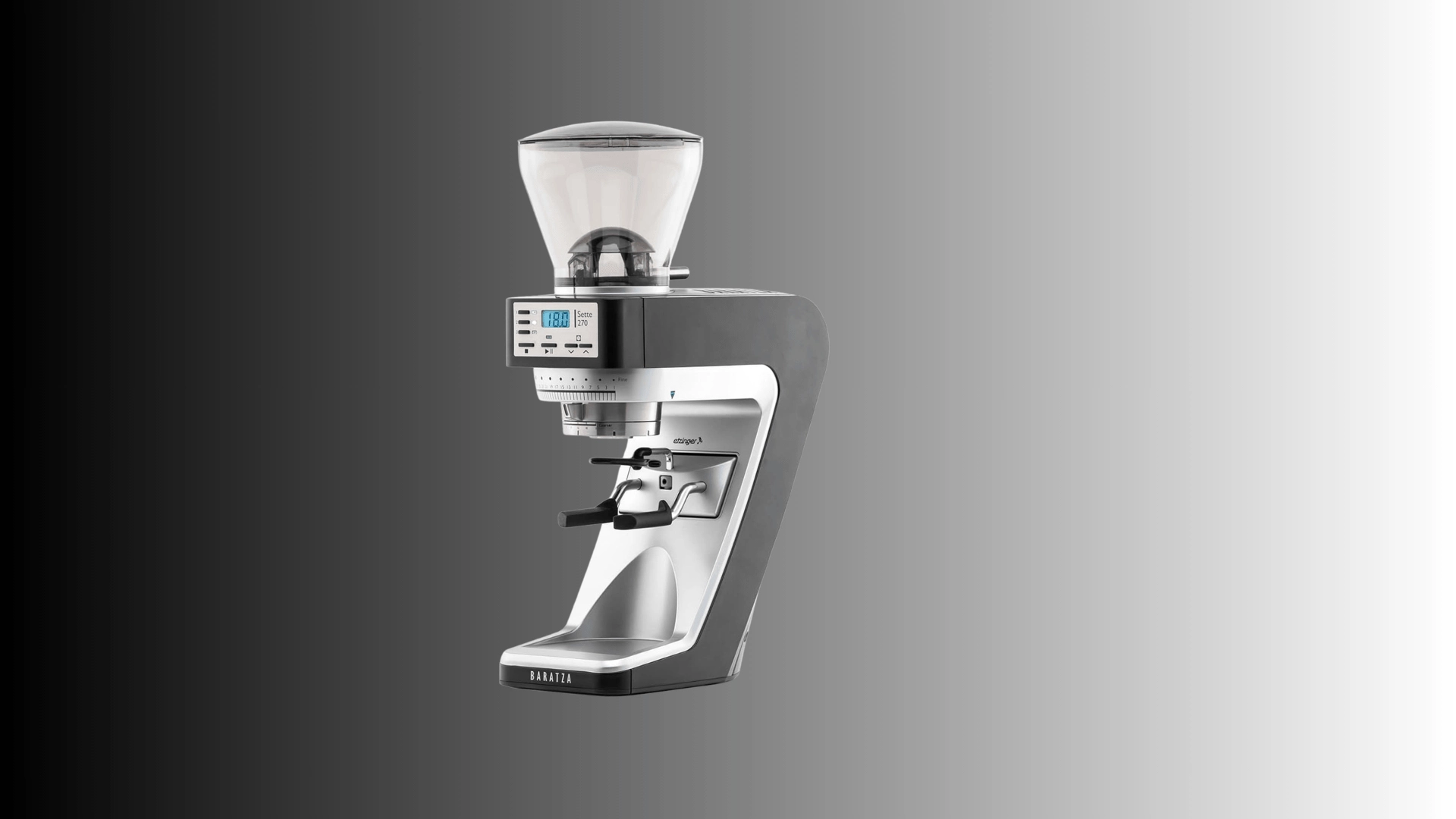
The Sette 270 features macro and micro adjustments for accurate espresso control. It allows precise tuning of shot timing and extraction.
While louder than some competitors, it delivers strong performance for serious home espresso setups.
5. Eureka Mignon Silenzio
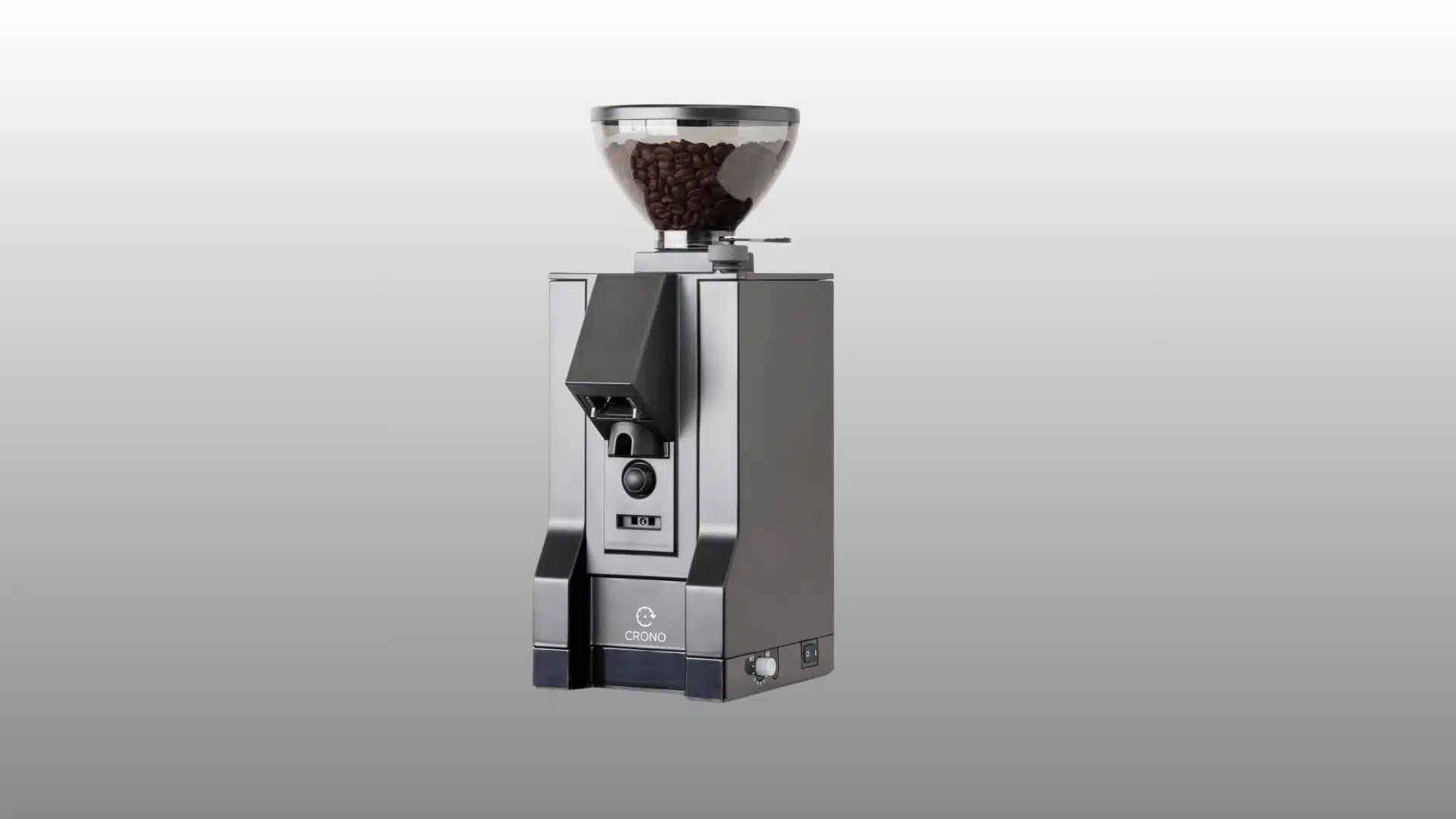
The Mignon Silenzio focuses on quiet and consistent espresso grinding. Its stepless adjustment enables fine-tuning for precise extraction.
It’s compact, durable, and well-suited for espresso-focused kitchens that value lower noise levels.
Best for Pour-Over and Filter Coffee
These grinders emphasize clarity and stable medium-to-coarse grinding.
6. Fellow Ode Gen 2
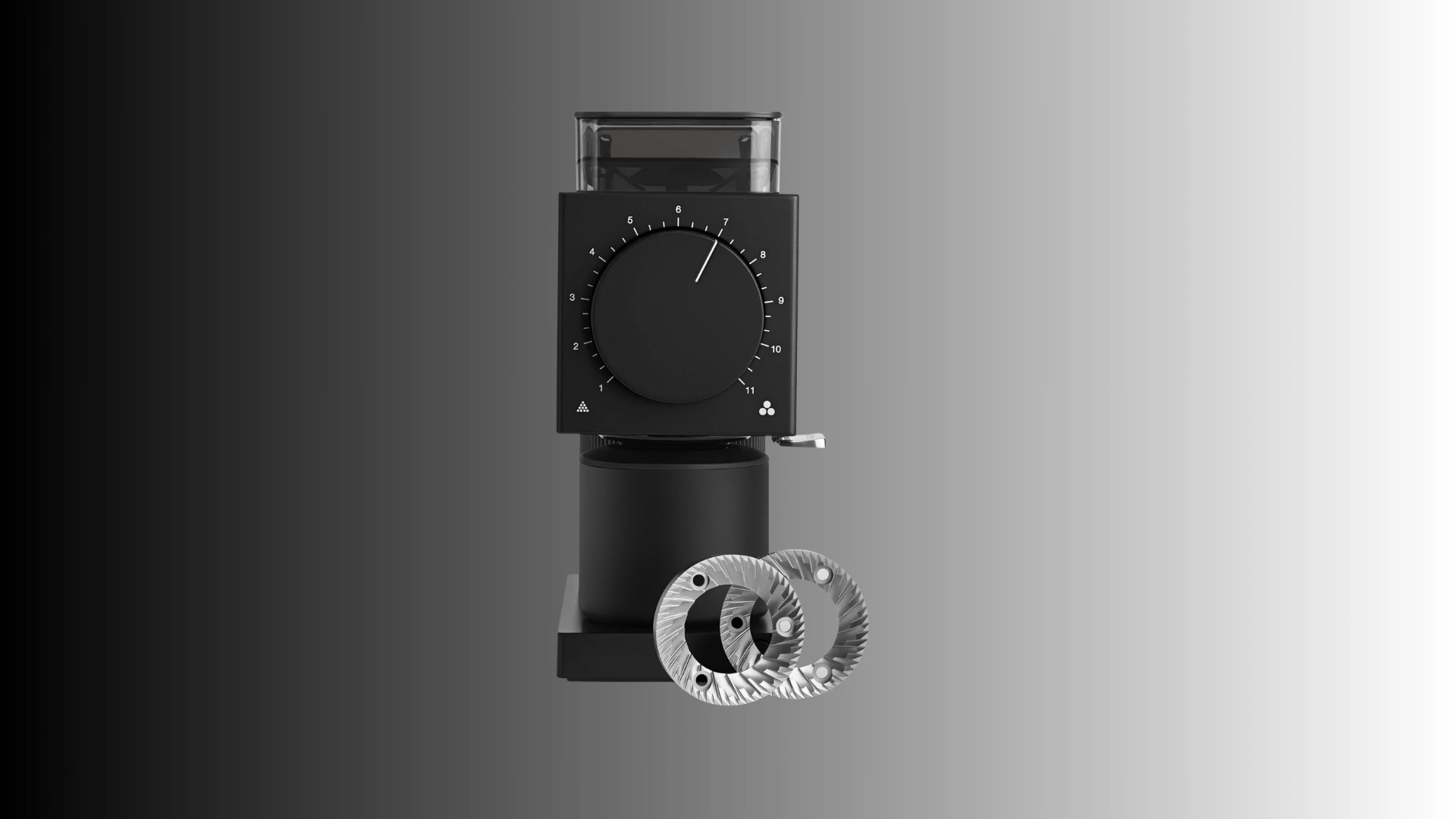
The Fellow Ode Gen 2 is optimized for filter coffee and clarity. Its flat burrs produce uniform particles that highlight flavor separation.
It does not support true espresso out of the box, but for pour-over and drip, it performs consistently and cleanly.
7. Baratza Virtuoso+
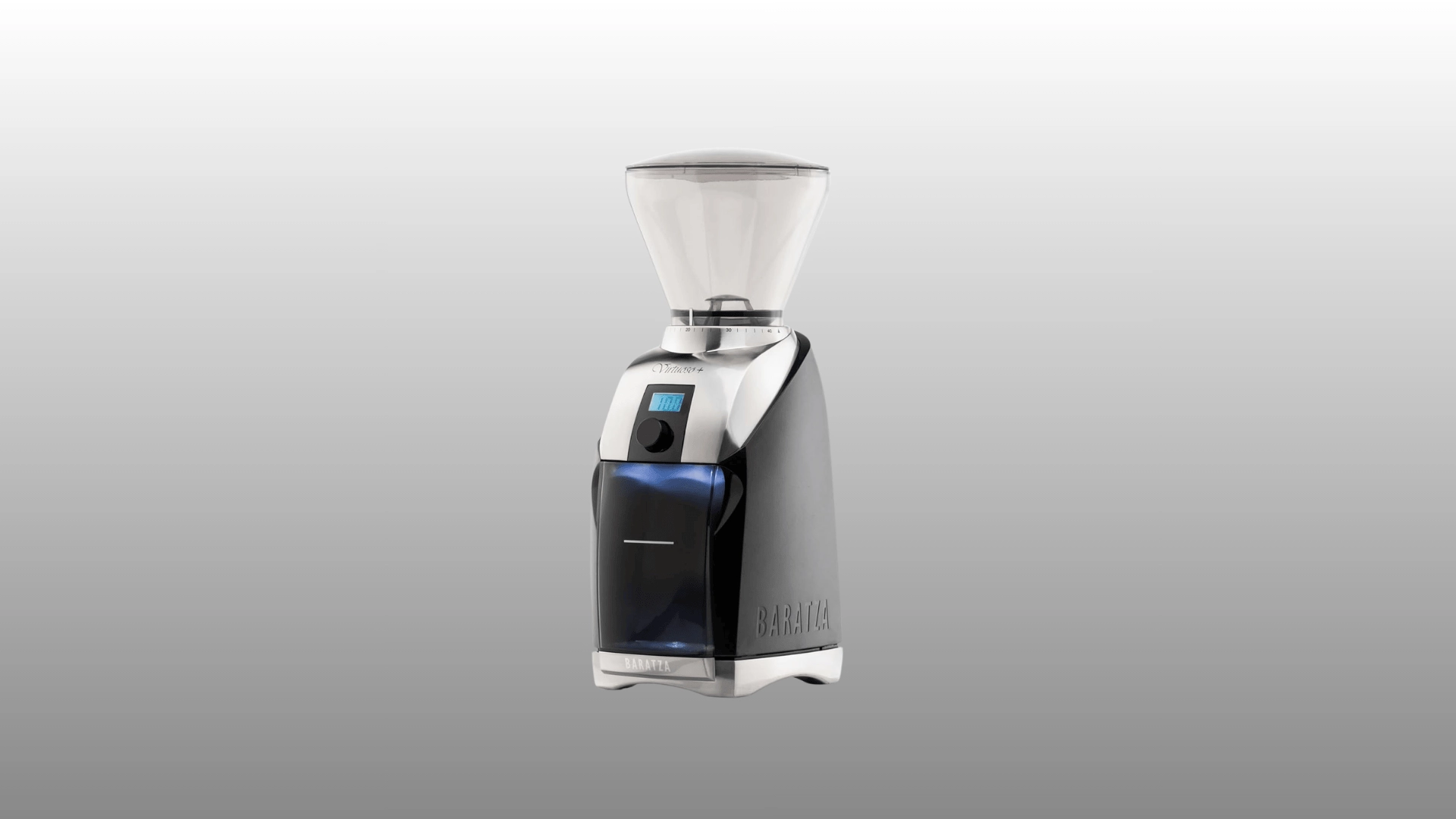
The Virtuoso+ improves consistency over entry-level models, especially in the filter range. It’s reliable and simple to operate for daily brewing.
Although not ideal for espresso precision, it’s a dependable choice for dedicated filter users.
Best Hand Grinders (Manual)
Manual grinders offer strong burr performance at lower prices by removing motor costs.
8. 1Zpresso JX-Pro
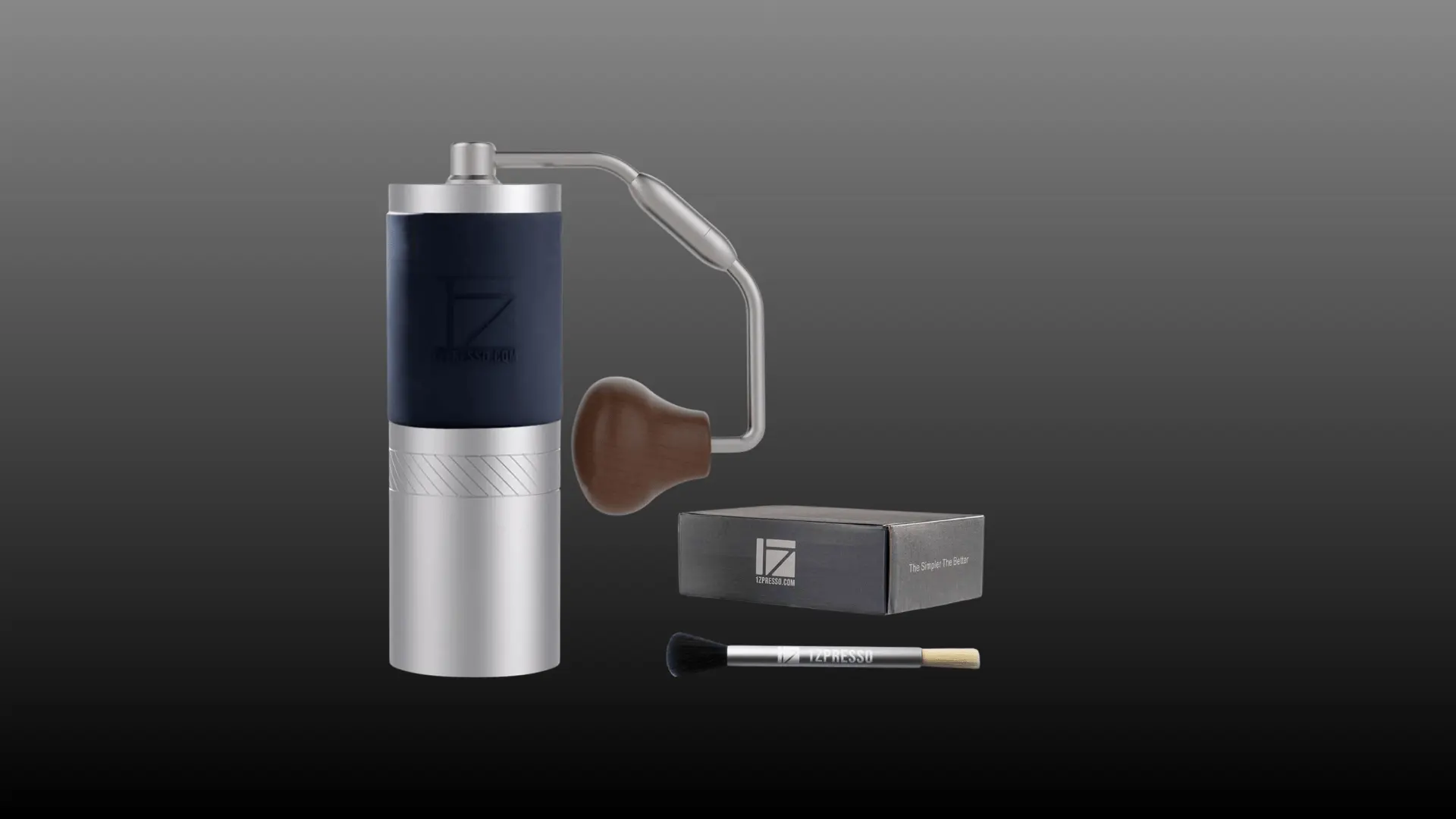
The 1Zpresso JX-Pro delivers excellent consistency for both espresso and filter brewing. Its precise adjustment system allows accurate manual dialing.
It’s compact, durable, and ideal for single-cup brewing or travel use.
9. Timemore Chestnut C3
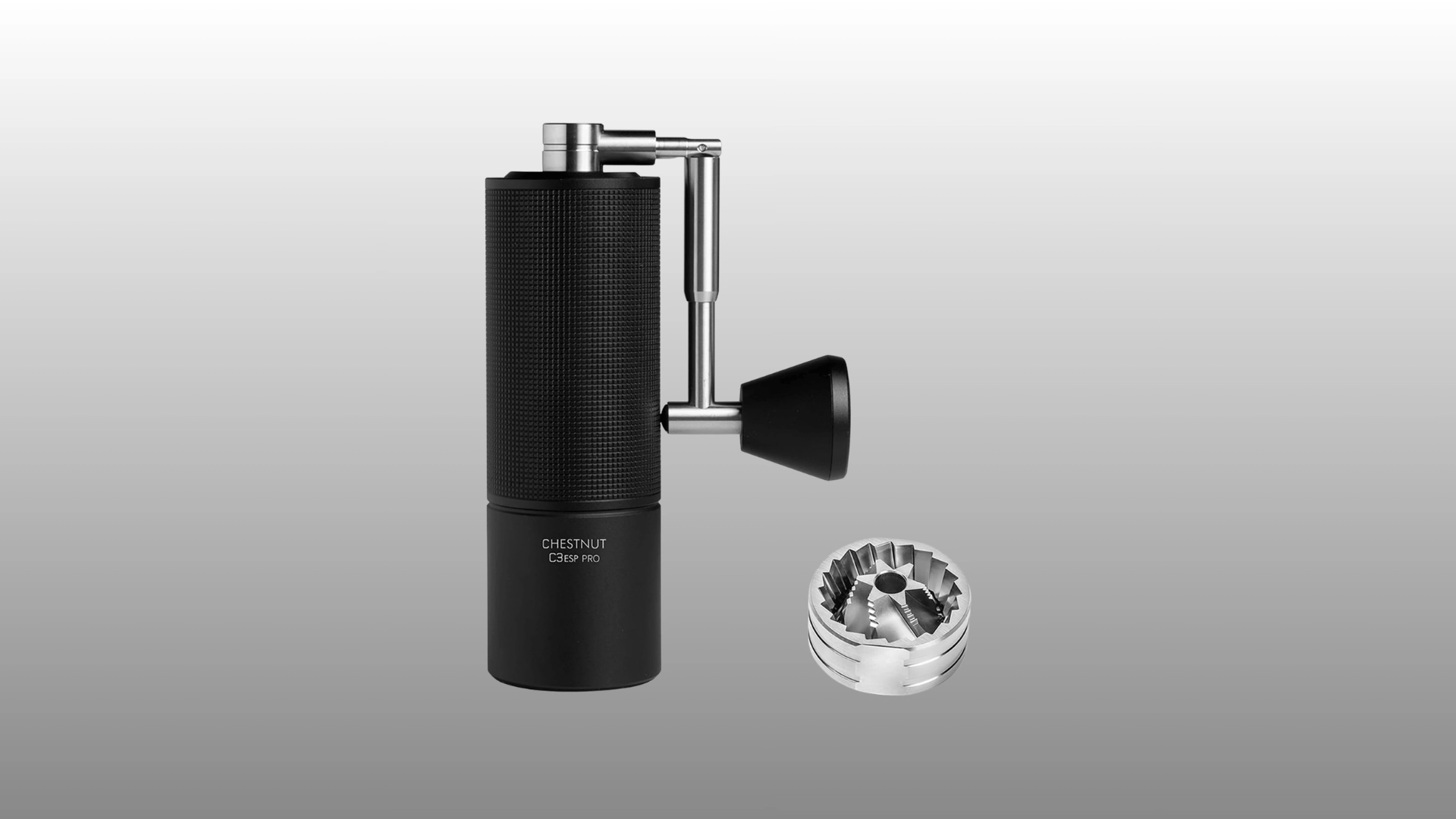
The Timemore Chestnut C3 offers solid performance in the medium-to-coarse range. It’s lightweight, portable, and beginner-friendly.
Espresso capability is limited, but it performs reliably for pour-over and everyday travel brewing.
Best Budget Options
These grinders provide entry-level burr performance without a large investment.
10. OXO Brew Conical Burr Grinder
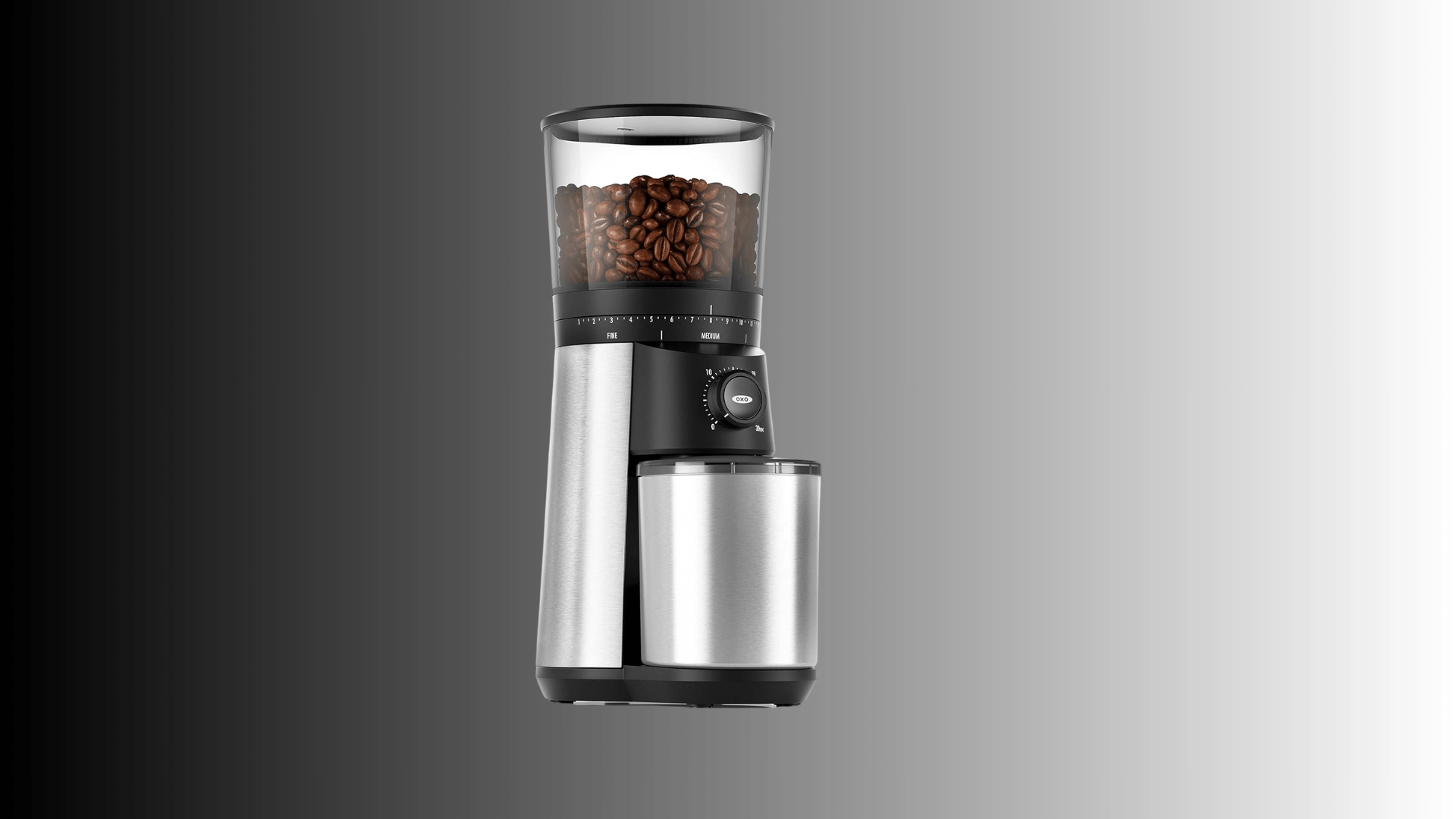
The OXO Brew Conical Burr Grinder is a practical starting point for burr grinding. It handles drip and basic filter brewing consistently for its price.
It struggles with espresso precision but works well for casual home coffee routines.
11. Capresso Infinity
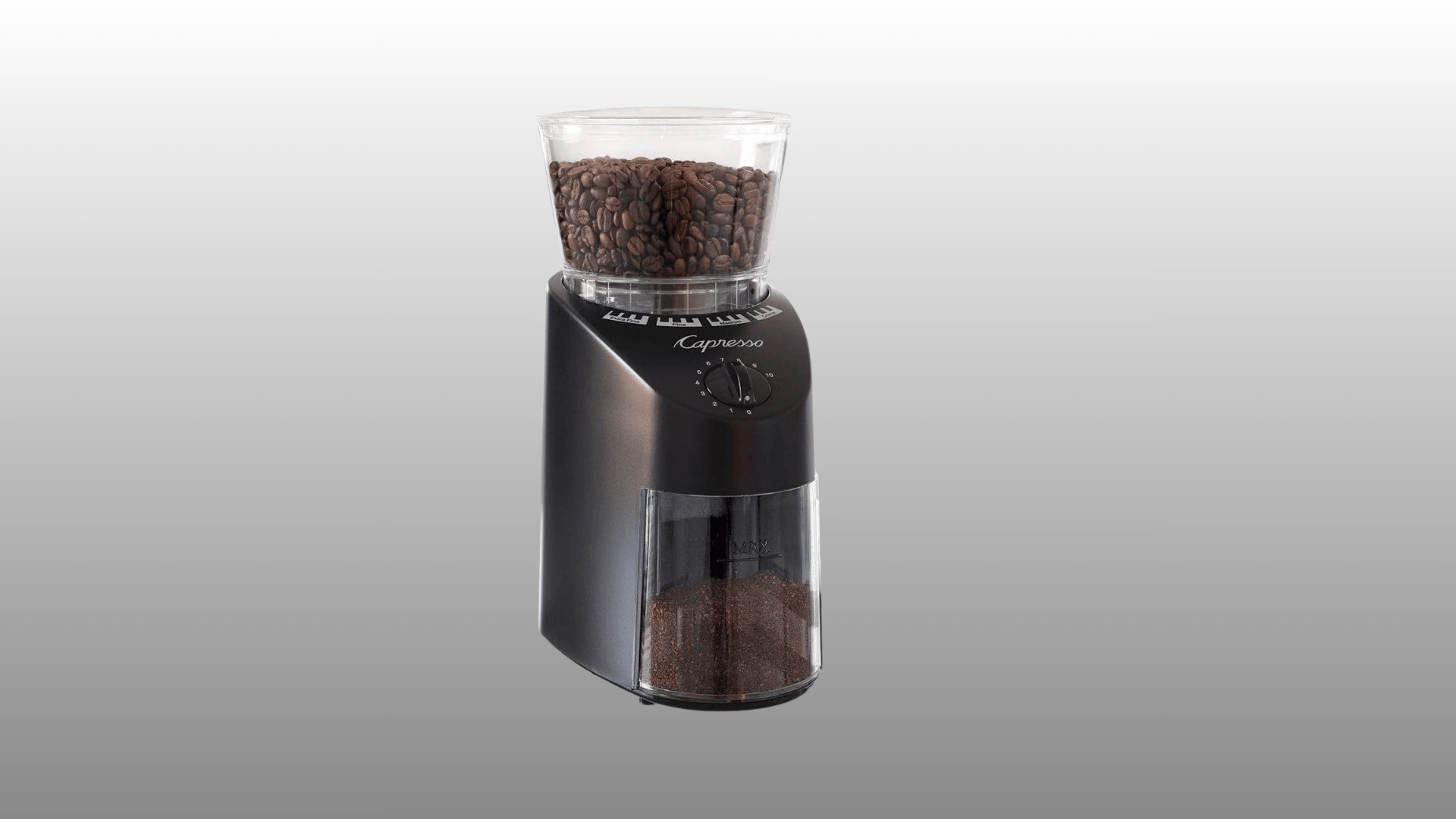
The Capresso Infinity is a budget-friendly option suited for drip and French press. It offers simple controls and acceptable consistency for beginners.
While not designed for serious espresso dialing, it’s a reasonable upgrade from blade grinders.
Match your pick to how you brew; whether that’s precision espresso, filter clarity, manual control, or budget-friendly everyday use.
Coffee Grinder Price Comparison
To make the differences clearer, here’s how these grinders compare by price, capability, and intended use.
| Grinder Category | Example Models | Typical Price (USD) | Burr Type | Espresso Capable | Best Use Case |
|---|---|---|---|---|---|
| All-Round Grinder | Baratza Encore ESP | ~$199–$200 | Conical | Yes (Entry) | Espresso + Filter |
| DF54 | ~$215–$250 | Flat | Yes | Espresso + Filter | |
| Pour-Over & Filter | Fellow Ode Gen 2 | ~$345–$400 | Flat | No (Stock) | Filter / Pour-Over |
| Espresso Focused | Baratza Sette 270 | ~$399–$400 | Conical | Yes | Dedicated Espresso |
| Eureka Mignon Series | ~$450–$700 | Flat | Yes | Dedicated Espresso | |
| Hand Grinder (Manual) | 1Zpresso models | ~$100–$260 | Conical (Manual) | Yes (some) | Travel / All-Round |
| Budget Options | OXO Brew Conical Burr | ~$100–$110 | Conical | Limited / No | Basic Filter |
Price Tier Breakdown
- Under ~$250: Encore ESP and DF54 sit in the value sweet spot, capable of both espresso and filter without overpaying.
- ~$300–$400: Mid-tier range where refinement, clarity, and build quality improve; excellent for dedicated use (filter or espresso).
- Above ~$450: Premium espresso grinders like higher-end Eureka Mignon models focus on precision and café-style dialing.
Use this comparison to match your budget with your brewing style, not just the highest price tag.
Why Cheap Grinders Fail and When They’re Still Okay
Most people start with a cheap grinder. The problem isn’t the price itself; it’s how the grinding mechanism affects extraction and flavor.
Blade Grinders vs. Burr Grinders
Blade grinders use spinning blades that chop beans randomly. There’s no control over particle size; everything gets hit unevenly.
This creates a mix of powder and large chunks. When brewed, the powder turns bitter, and the larger pieces remain sour, resulting in inconsistent, muddy coffee.
Burr grinders work differently. They crush beans between two surfaces set at a fixed distance, which controls grind size and improves uniformity.
The Problem with “False Burr” Cheap Grinders
Some low-cost electric grinders are labeled as burr grinders but use poorly designed burrs. Instead of cutting beans evenly, they crush and shatter them.
This results in excessive fines and inconsistent particle size. The result is still uneven extraction, just slightly better than a blade grinder.
They may look like proper burr grinders, but performance often tells a different story.
When Cheap Grinders Still Work
Cheap grinders can be acceptable if expectations are low. For basic drip coffee or occasional brewing, they can be “good enough.”
They’re also still better than pre-ground coffee in most cases, since freshly ground coffee preserves more aroma and flavor.
If you’re brewing casually and not chasing clarity or precision, a budget burr grinder can serve its purpose.
The Long-Term Cost Trap
The real issue with cheap grinders is the regret of upgrading. Many people buy a low-cost option, then replace it within a year.
Spending $100 twice often costs more than investing $200 once in a grinder that performs consistently and lasts longer.
If coffee matters to you, it’s usually more economical to buy the right grinder the first time.
Matching Grinder Type to Brew Method
One of the biggest sources of confusion is assuming any burr grinder works for every brew method. Each method has specific grind requirements that not all grinders can meet.
Espresso Requirements
- Requires very fine grinding and tight micro-adjustments
- Small grind changes directly affect shot timing and pressure
- Inconsistent grind leads to sour or bitter espresso
- Most entry-level grinders lack the precision needed
Pour-Over / Drip Requirements
- Needs a consistent medium grind rather than extreme precision
- Uniform particles improve clarity and balance
- Excess fines cause bitterness and slower drawdown
- Stability across mid-range settings matters most
French Press / Cold Brew
- Requires coarse, evenly sized particles
- Too many fines create a muddy texture and sediment
- Some grinders struggle to stay clean at coarse settings
- Burr design affects sediment levels significantly
Why Switching Between Methods is Difficult
- Espresso dial-in is easy to lose after large grind changes
- Many grinders lack clear reference markings
- Wide adjustments can affect repeatability
- True versatility often involves trade-offs
Choosing a grinder that matches your primary brew method keeps performance consistent and reduces unnecessary compromise.
How to Choose the Best Coffee Grinder (and Understand the Trade-Offs)
The best coffee grinder depends on how you brew, not what’s trending. Decide in this order: brew method, then budget, then workflow.
Espresso requires fine grinding and micro-adjustments, while pour-over and French press prioritize consistency over precision. One grinder can handle both, but it won’t match the performance of fully specialized machines.
The biggest quality jump happens from cheap to mid-range models. Beyond that, you’re paying for refinement, durability, and workflow differences like hopper vs. single-dose.
Every grinder involves compromise. Choose the one that fits how you brew daily, not just the highest price tag.
Quick Decision Summary (Fast Buyer Guide)
If you want a simple way to choose without getting stuck in details, use this quick breakdown. It helps you match your grinder to how you actually brew.
- Espresso users: Choose a dedicated espresso grinder with fine grind capability and micro-adjustments, such as the Sette 270 or a Eureka Mignon model. Precision matters more than versatility here.
- Pour-over or drip users: Go with a filter-focused flat burr grinder like the Fellow Ode Gen 2. You’ll get better clarity and stable medium-grind performance.
- Mixed brewing (espresso + filter): Pick a wide-range all-rounder like the Encore ESP or DF54. These balance espresso control with filter consistency without becoming overly specialized.
- Tight budget: Skip blade grinders and choose a basic burr grinder instead. The $200 range offers the strongest value for consistent results.
- Safest overall choice: A grinder in the Encore ESP category works well for most home users. It covers multiple brew methods without adding complexity.
This keeps the decision clear and practical. Start with how you brew most often, then choose a grinder that supports it reliably.
Wrapping Up
The best coffee grinder is the one that fits how you brew every day and stays consistent over time. Once you understand grind consistency, adjustment range, and build quality, the choices become much clearer.
You do not need the most expensive option, but you do need one that matches your method and avoids common limitations.
A well-chosen grinder improves taste more than most upgrades people consider first. It also removes frustration from dialing in your coffee.
Choose the right grinder now and enjoy better coffee with every brew.
Frequently Asked Questions
What type of coffee grinder is best for home use?
A burr grinder is the best option for home use because it produces consistent particle size. This leads to better extraction and more balanced flavor compared to blade grinders.
What is the difference between burr and blade grinders?
Burr grinders crush beans evenly between two surfaces, while blade grinders chop them randomly. This uneven grinding creates inconsistent flavor, making burr grinders the better choice.
Do expensive coffee grinders make a difference?
Yes, better grinders improve grind consistency, which directly affects taste. Even a mid-range grinder can produce noticeably cleaner and more balanced coffee than cheaper options.
How often should you clean a coffee grinder?
You should clean your grinder every one to two weeks with regular use. This helps prevent oil buildup and stale residue that can affect flavor and performance over time.