


Online gaming has its own slang, and it can feel confusing at first.
One common term is BM, which you might see in chat or after a match. But what does it mean, and why do people use it?
Knowing the meaning of BM in gaming helps you understand how players act and react during games. It also makes it easier to follow conversations.
In this article, I’ll explain what BM means, how players use it in different games, why many people see it as toxic, and how it’s different from normal friendly banter. This will help you handle online matches with better awareness and respect.
What Does BM Mean in Gaming
In gaming, BM means “Bad Manners.” It’s when a player acts in a rude or annoying way during a match.
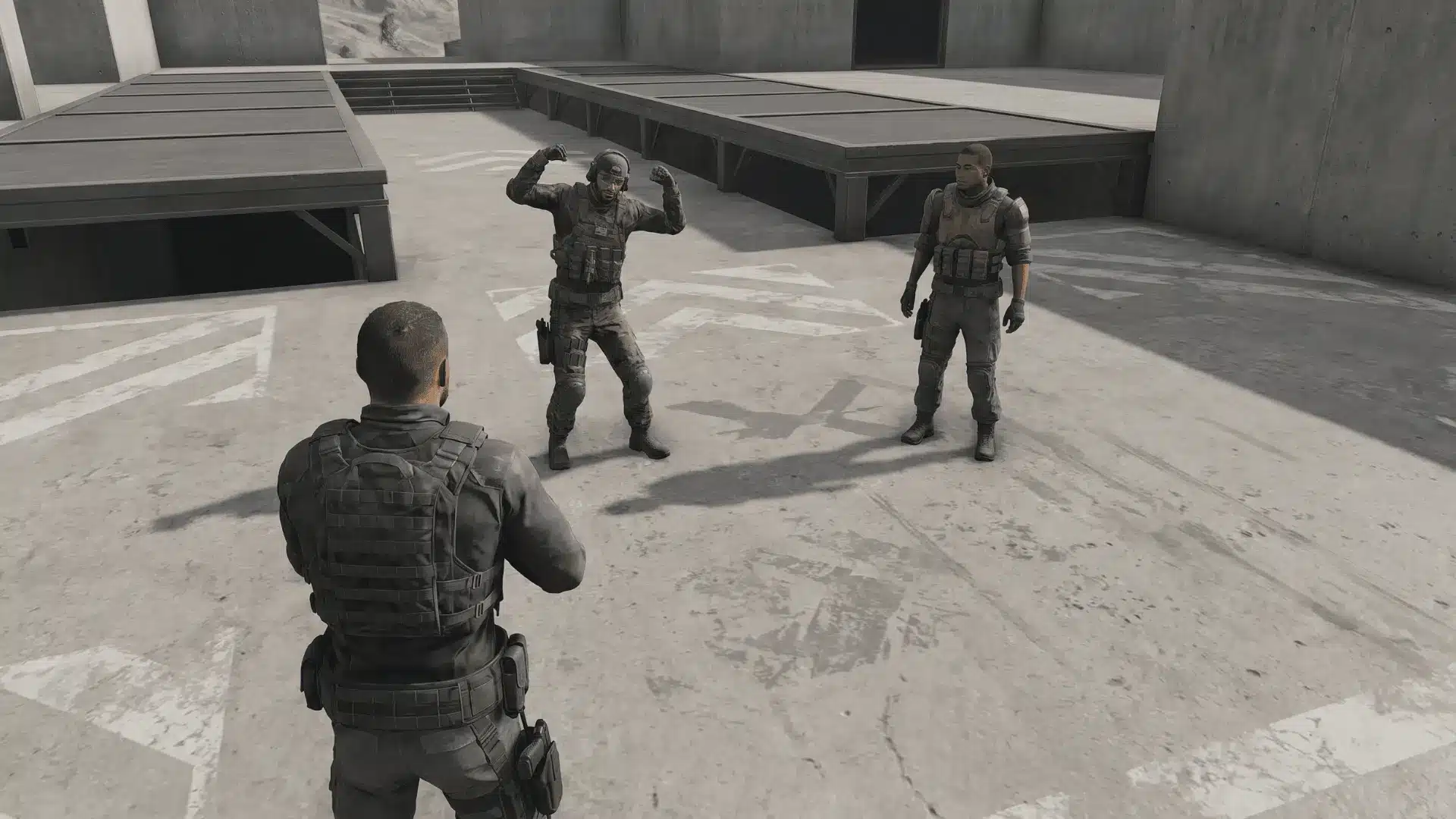
Most players have seen this at some point. It can be things like trash talking in a mean way, spamming emotes, teabagging, or dragging out a win just to irritate someone.
People use the term to call out this kind of behavior. You’ll often see lines like “stop BMing” or “that was BM” after a game.
It’s common across all kinds of games, from shooters and MOBAs to battle royale and strategy games.
Many players confuse BM with trash talk, but they’re not the same. Trash talk can be fun or competitive. BM crosses the line and feels disrespectful.
At the end of the day, BM isn’t about skill. It’s about how players treat each other in the game.
What Counts as BM in Games
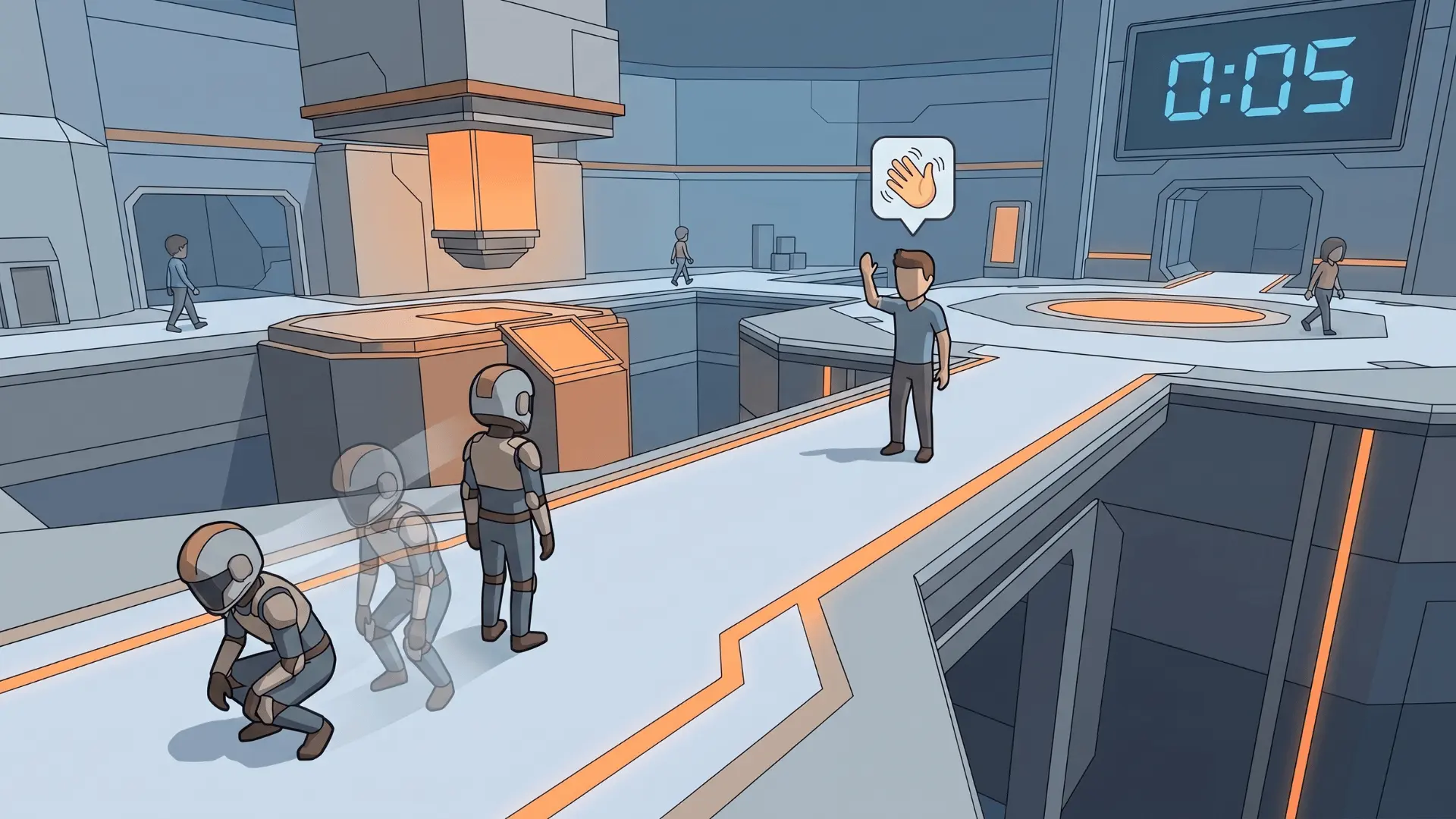
BM includes actions meant to provoke or disrespect. When a player focuses on humiliation instead of fair play, it becomes toxic and harms the game experience.
Taunting and Mocking Actions
Taunting is a clear form of BM. It is used to trigger reactions from opponents.
Examples:
- Spamming emotes after a kill
- Sending messages like “ez” or “get good”
- Repeating voice lines to annoy others
These actions break focus and frustrate players, which can affect their performance. Among friends, it may feel like banter, but with strangers, it is usually seen as toxic.
Gameplay-Based BM
This type uses game mechanics to mock opponents instead of playing to win.
Examples:
- Teabagging after defeating someone
- Letting timers run down on purpose
- Delaying a clear win instead of ending the game
A more extreme version is throwing; intentionally feeding kills to the enemy team, going AFK, or sabotaging objectives to force a loss. Unlike stalling, throwing actively harms teammates and is a reportable offense in most competitive games.
These actions are allowed but become BM when used to show disrespect. They waste time and reduce match quality.
Passive-Aggressive Behavior
Unlike taunting or teabagging, passive-aggressive BM doesn’t announce itself. It shows up as a refusal to finish; ignoring objectives, stretching a decided match, repeating actions not to win but to make the other side feel helpless.
Examples:
- Holding back on objectives to drag the game out
- Continuing to play normally in a match they’ve already won; just slower
- Repeating the same actions in a loop, not to score, but to make the point
Instead of showing skill, this behavior leads to frustration, wasted time, and poor sportsmanship.
Why BM is Considered Toxic in Gaming
BM, or Bad Manners, is considered toxic because it breaks the unspoken agreement that keeps multiplayer games functional. Online matches depend on players competing in good faith — trying to win, not trying to make the other person quit.
When someone stalls a finished game or spams emotes after every kill, they’re no longer competing. They’re trying to produce a reaction. That shift from playing to win, to playing to provoke is what separates BM from hard play or aggressive trash talk.
The practical effects show up in the match itself:
- Decision-making drops. Frustrated players make worse calls and take worse fights.
- Communication breaks down. Tilted teammates go quiet or go negative.
- Match length inflates. Games that should end in ten minutes drag on for twenty.
There’s also a compounding effect. One player’s BM pulls others in the same direction. What starts as one person spamming “ez” can escalate into a toxic back-and-forth that poisons the whole lobby.
Context plays a role too. Among friends, some of this behavior lands as banter. With strangers in a ranked match, the same actions almost always read as disrespect.
BM doesn’t care about what the person intends; it’s defined by how it lands.
How Players Use the Term “BM” in Real Matches
“BM” (Bad Manners) is a quick way players use to point out disrespectful behavior during a game. It’s short and easy to understand in fast matches.
1. Common Phrases and Expressions
Players often use different forms of the term in chat, voice, forums, or after matches. Some common examples are:
- “Stop BMing.”: Asking a player to stop acting disrespectfully
- “That was BM.”: Reacting to a rude action
- “He BM’d me.”: Saying someone targeted them with bad behavior
- “Don’t BM.”: Reminding others to play fairly
These phrases are easy to understand and widely used across gaming communities. Most players don’t need any explanation when they see them.
2. Used During and After Matches
The term “BM” can be used at different times in a game.
- During matches, players use it in real time when they see actions like emote spamming, teabagging, or stalling
- After matches, it shows up in chat, streams, or discussions when players talk about how someone behaved
This makes the term useful both in the moment and after the game ends.
3. Describing Single Actions vs. Ongoing Behavior
“BM” can refer to different types of behavior.
- It can describe a single action, like using an emote to mock someone once
- It can also describe a pattern, like constant taunting or dragging out the game
This flexibility makes it easy to use in many situations.
4. Shorthand Communication in Gaming
Gaming requires fast communication. Players don’t have time to explain everything in detail.
Using “BM” helps them quickly point out what is happening. Others understand it right away, which keeps communication clear and simple.
Difference Between BM and Normal Trash Talk
| Aspect | Trash Talk | BM (Bad Manners) |
|---|---|---|
| Primary Medium | Mostly verbal (chat or voice) | Verbal + in-game actions |
| Strategic Purpose | Can add competitive pressure | No real strategy, mainly provokes |
| Use of Game Mechanics | Not used | Uses gameplay actions (stalling, emotes) |
| Duration | Short and situational | Often repeated or continuous |
| Escalation | Problematic if abusive | Usually disrespectful by default |
| Interpretation | Seen as banter | Seen as toxic behavior |
| Impact on Match Flow | Little impact | Can disrupt or delay gameplay |
Trash talk is mainly verbal and can be playful if respectful, while BM uses actions to disrespect and disrupt fair play.
How to Handle BM When It Happens
Running into BM during a match is frustrating, but how you respond matters.
The most effective option for verbal BM, like insults, spam, and aggressive voice chat, is to mute the player.
Most games have a quick mute option in the scoreboard or player menu. It stops the noise without affecting your gameplay.
For in-game BM like teabagging or emote spam, the best move is to ignore it and stay focused. Reacting is usually what the other player wants.
If the behavior is severe, harassment, slurs, or intentional throwing, use the in-game report system.
Most competitive titles like Valorant, League of Legends, and CS2 have report functions that feed into automated review systems. Reporting works best when done immediately after the match.
What rarely helps is you engaging back. Responding to BM with more BM escalates the situation and pulls your attention away from the game.
Where the Term BM Comes From
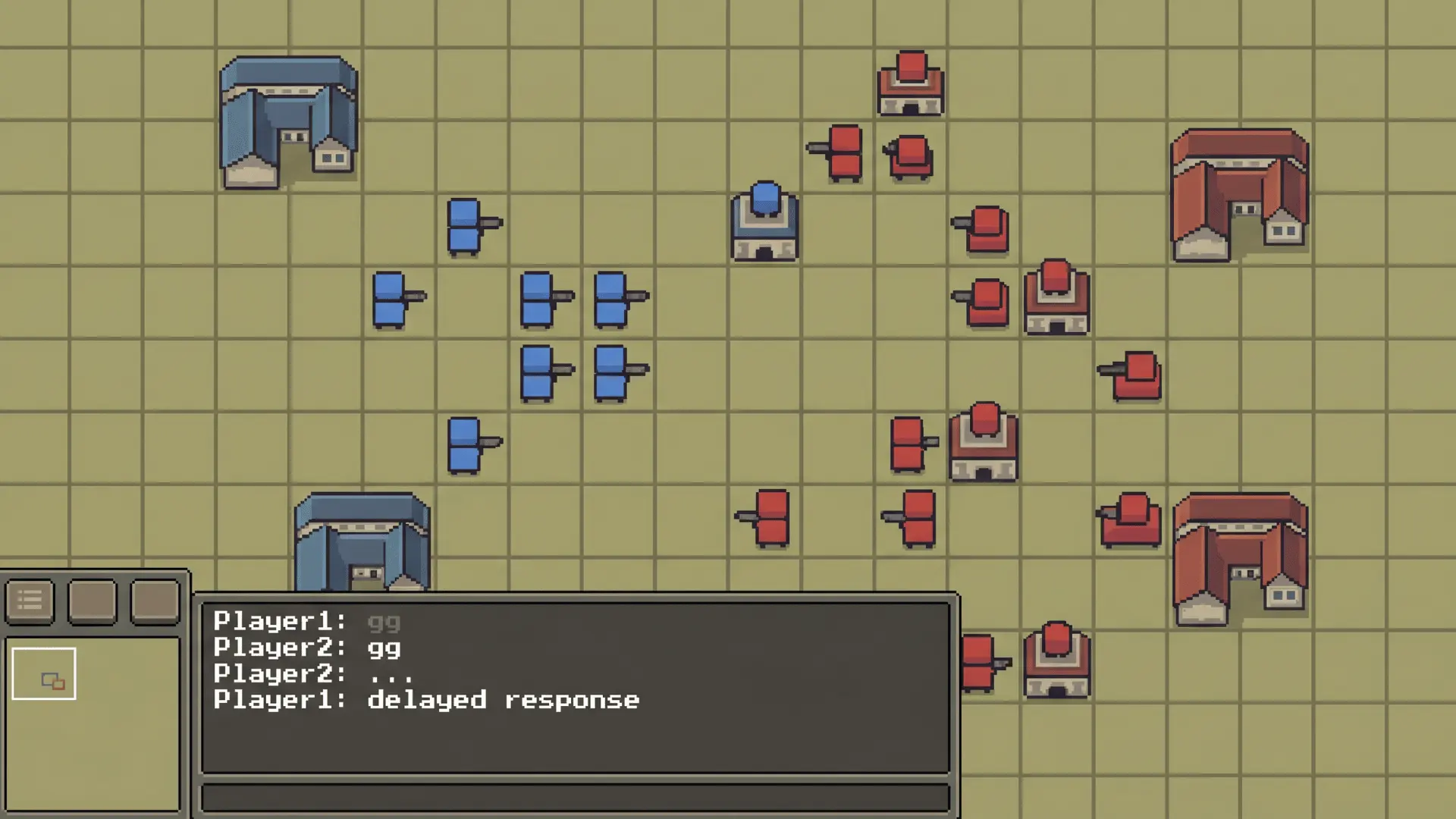
The term BM comes from early online competitive games. It was used as a short way to call out rude or disrespectful behavior.
Origins in Early Competitive Gaming
BM started in real-time strategy games like StarCraft in the late 1990s and early 2000s.
In StarCraft specifically, leaving without typing “GG” first, or continuing to play out a clearly lost game, was treated as a breach of etiquette serious enough that players would call it out by name.
Actions like taunting, mocking, or refusing to quit when the game was clearly over were seen as bad behavior.
Players began calling this “Bad Manners,” which later became “BM” for quick use in chat.
Spread Across Esports and Online Multiplayer Games
As online gaming grew, the term BM spread to other games because it was simple and easy to understand. It is now used in many genres, including:
- MOBA games like League of Legends and Dota 2
- Shooters like Counter-Strike and Valorant
- Strategy and card games like Hearthstone
- Battle royale games like Fortnite and PUBG
Evolution as Competitive Slang
BM became popular because players needed a fast way to call out bad behavior during matches.
Short forms like BM are easy to type and understand quickly. This is similar to other gaming terms like GG, AFK, and GLHF.
BM started in early competitive games and is now widely used to describe unsportsmanlike or toxic behavior in online gaming.
Conclusion
Video games are not just about winning or losing. Player behavior shapes the entire experience.
Understanding the meaning of BM in gaming helps you recognize when competition turns into disrespect and respond better in matches.
It also helps you avoid habits that can harm the experience for others. The main point to remember is that how you play matters as much as how you win.
Staying respectful keeps matches fair and enjoyable. The way players treat each other shapes whether a game stays worth playing.
Frequently Asked Questions
Is BM a bannable offense in online games?
Mild BM, like emote spam or typing “ez,” rarely results in a ban. Throwing, intentionally feeding kills, or going AFK, is treated more seriously and is reportable in most competitive titles. Harassment and slurs can lead to bans outright. When in doubt, use the in-game report function immediately after the match.
Does BM only mean Bad Manners in gaming?
In gaming, yes, Bad Manners is the standard meaning across competitive titles, forums, and streaming communities. Outside of gaming, BM has other meanings: bowel movement in medical contexts, Black Mage in some MMORPGs, and Broodmother in Dota 2. If you see it in a gaming chat, Bad Manners is always the intended read.
What is the difference between BMing and trolling?
BMing is directed at opponents; teabagging, stalling, typing “ez” with the goal of showing disrespect after a win. Trolling is broader and usually aimed at teammates, like intentionally throwing a match or griefing the whole lobby. BMing is about dominance; trolling is about chaos.
Why is BM so common in League of Legends and Dota 2?
Long match times, built-in emote systems, anonymous matchmaking, and high-stakes ranked modes create the conditions for BM. Players invest heavily in these games, which means losses hit harder. A lot of BM in these titles comes from frustration as much as from any intent to disrespect.