

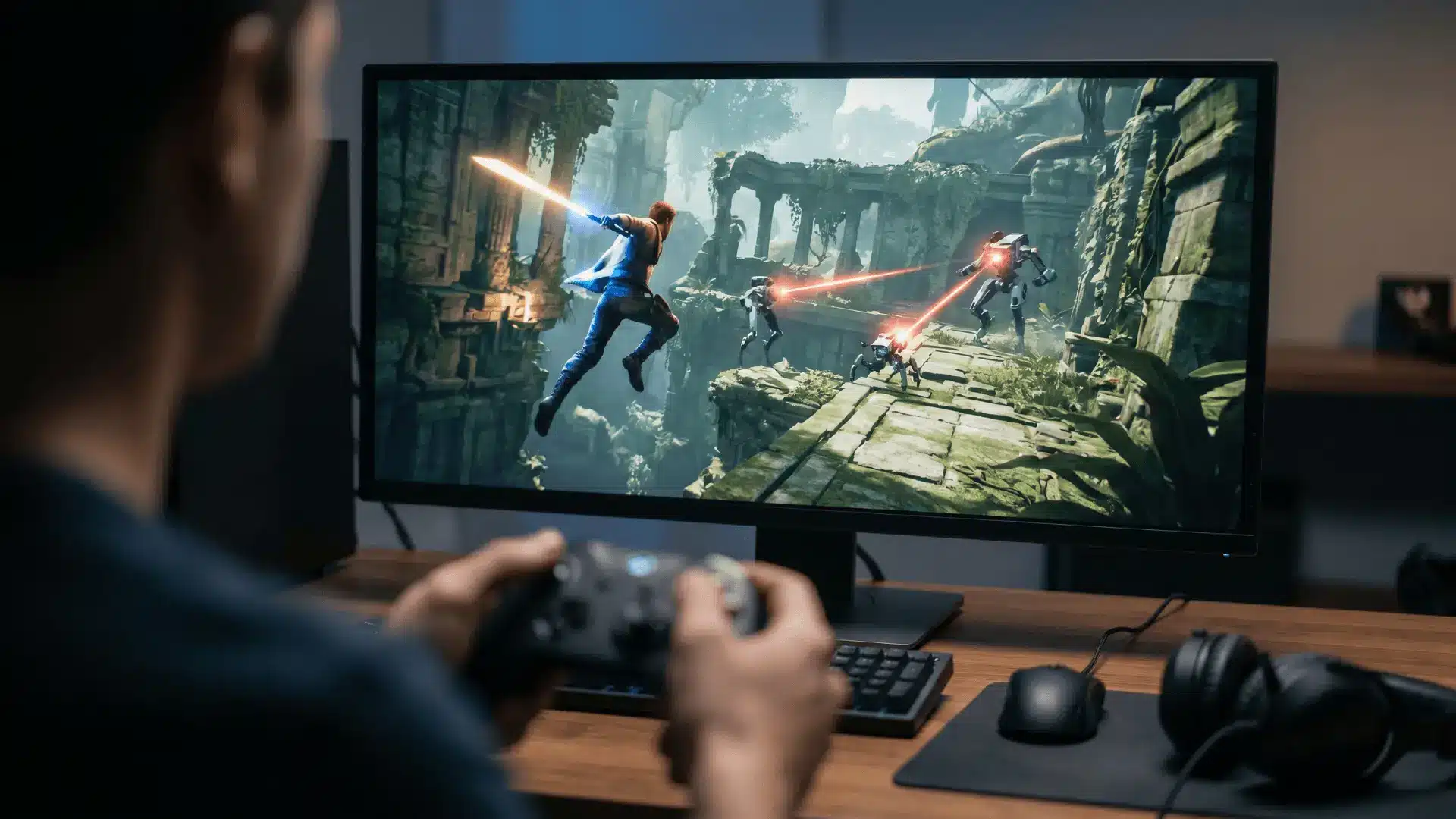

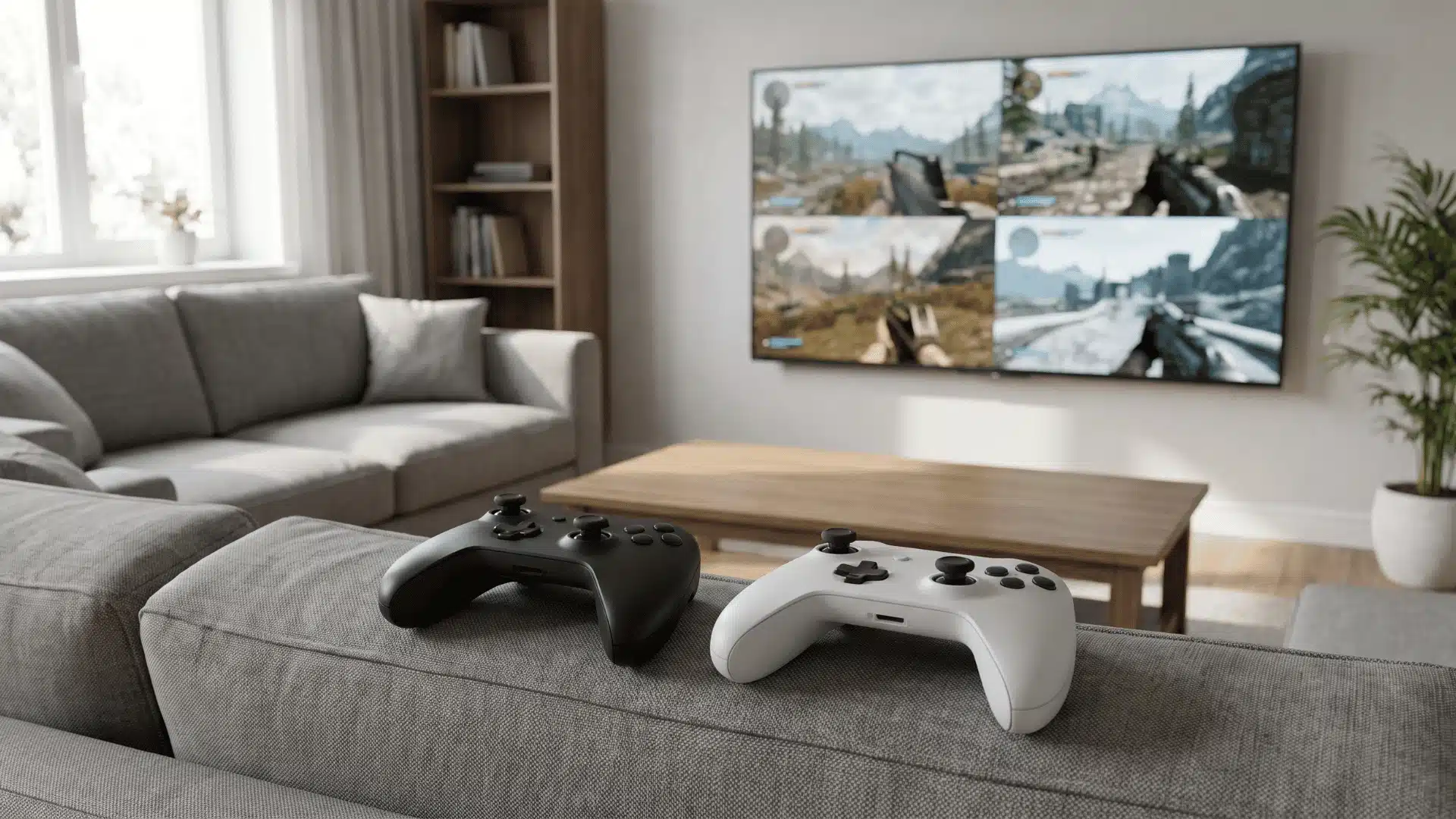


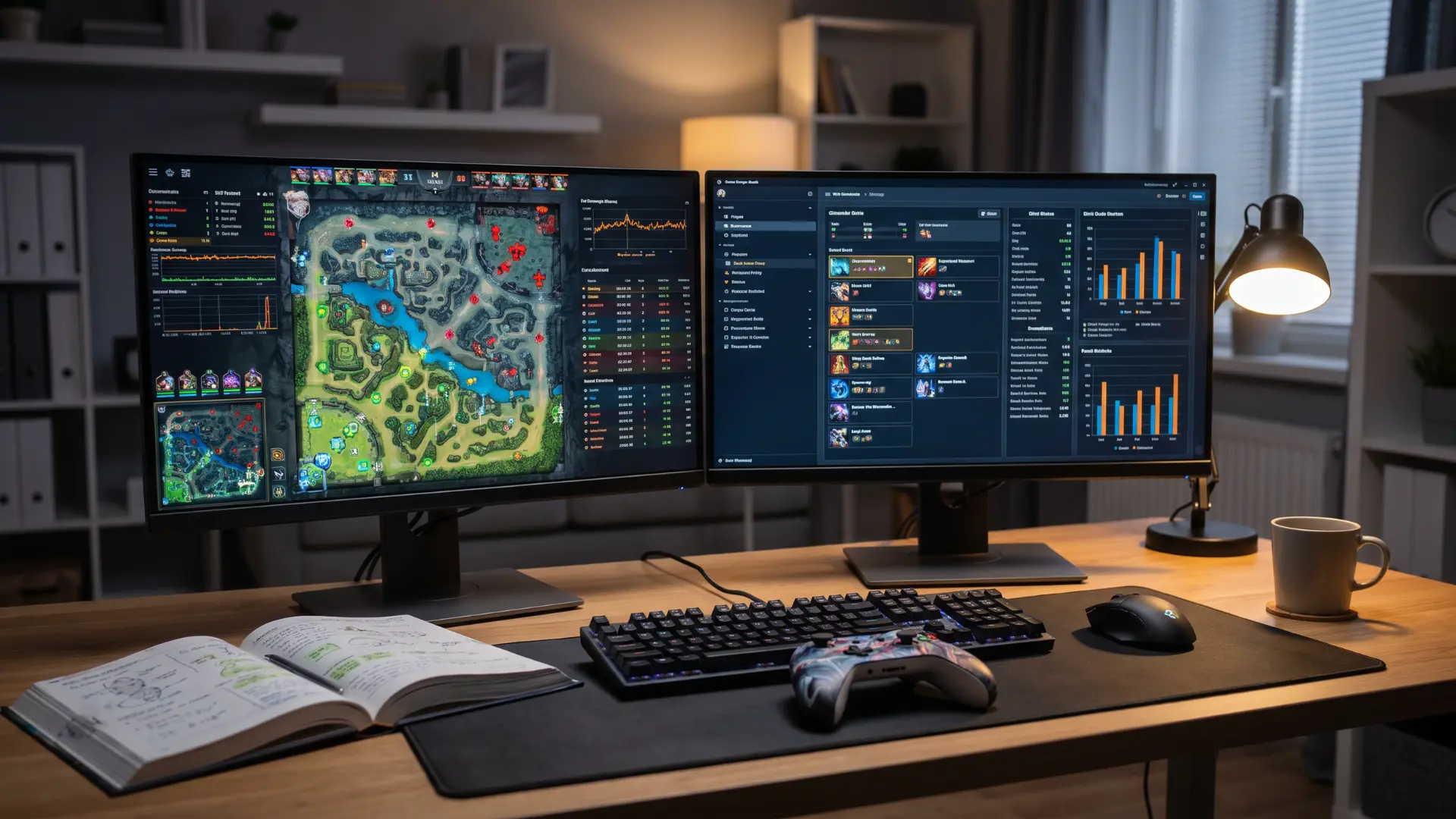

Video games bring both benefits and concerns, which is why people have such strong opinions about them.
Some see gaming as helpful for building thinking skills and social connection, while others worry about addiction, sleep loss, and the effects of violent content.
The truth sits somewhere in the middle, and it mostly comes down to how you play, not whether you play.
Understanding the pros and cons of video games helps you recognize the warning signs, set smarter limits, and make choices that actually fit your life.
Today, I’ll cover how gaming affects the brain, physical health, emotions, and social life, so you can enjoy it in a way that stays balanced and healthy.
What Makes Video Games Impact the Brain and Behavior?
Video games affect the brain because they keep you mentally active the entire time. You are constantly thinking, reacting, and making decisions, not just watching what happens on a screen.
Most games follow a reward loop. You receive a goal, face a challenge, and earn a reward. This process releases dopamine, a brain chemical linked to motivation and pleasure, which makes you want to continue playing.
Games also engage several brain functions at once. Your eyes track movement across the screen, your hands respond with precise inputs, and your brain quickly analyzes situations and chooses actions, often within fractions of a second.
This is not a passive activity. It creates a level of cognitive load closer to tasks like driving or surgery, where fast thinking and coordination matter.
Because of this, gaming can improve skills such as reaction time, focus, and hand-eye coordination. At the same time, too much stimulation can make slower everyday tasks feel less engaging.
Unlike TV, video games are interactive. You stay involved every second, which can increase both learning and mental fatigue.
The overall impact depends on how often and how long someone plays:
- Moderate gaming may support certain cognitive skills
- Excessive gaming can lead to problems with attention, sleep, or motivation
- Different types of games can train different skills or create different effects
Video games are not automatically good or bad. Their effect depends on how they are used and how much time is spent playing.
Why Are Video Games Good? Benefits You Should Know
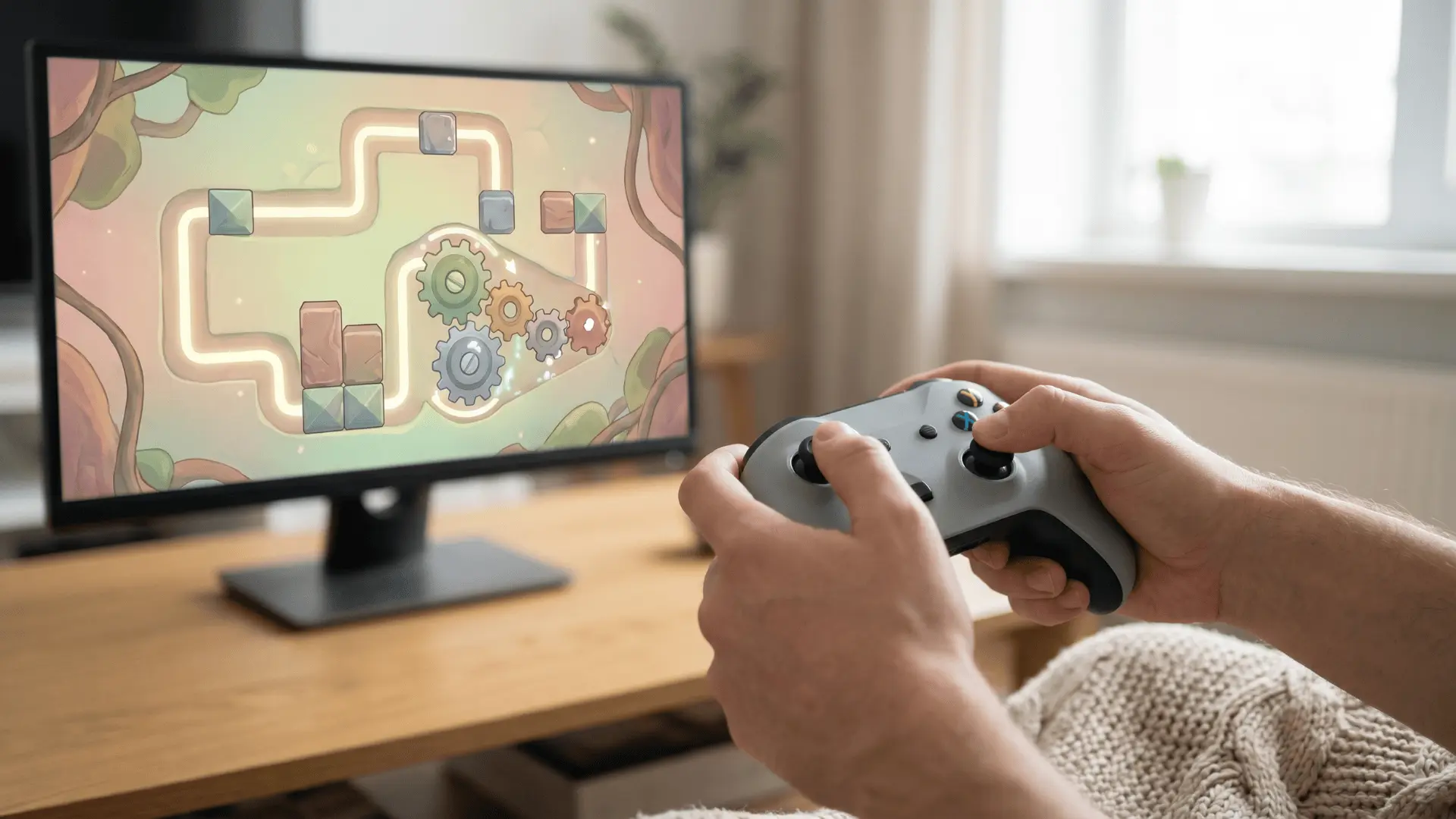
Video games can help when played in moderation. They support the brain, coordination, and social connection, depending on the type of game and playtime.
Cognitive Benefits
Games like puzzles and strategy make you think, plan, and solve problems, which builds logical thinking and better decision-making.
Fast-paced games improve focus by training you to notice key details and ignore distractions. Real-time gameplay also improves reaction time, as the brain learns to respond faster.
Many games require remembering maps, rules, and goals, which strengthens memory.
Physical Benefits
Video games improve hand-eye coordination by matching what you see with precise movements.
They also build fine motor skills through controlled hand movements and improve spatial awareness by helping you understand direction and 3D positioning.
A 2013 meta-analysis found that spatial skills gained from playing action games were comparable to improvements from formal high school and university courses, and that those gains transferred to real-world tasks outside gaming.
Social Benefits and Emotional Benefits
Multiplayer games build teamwork and communication by making players work together. Gaming also helps people stay connected over distance.
It can reduce stress by giving a mental break and help manage emotions in a controlled space. Achieving goals in games builds confidence and a sense of progress.
These benefits work best with moderate play, engaging games, and a positive environment. They reduce with too much play, repetitive games, or negative interactions.
Risks of Video Game Addiction and Overuse
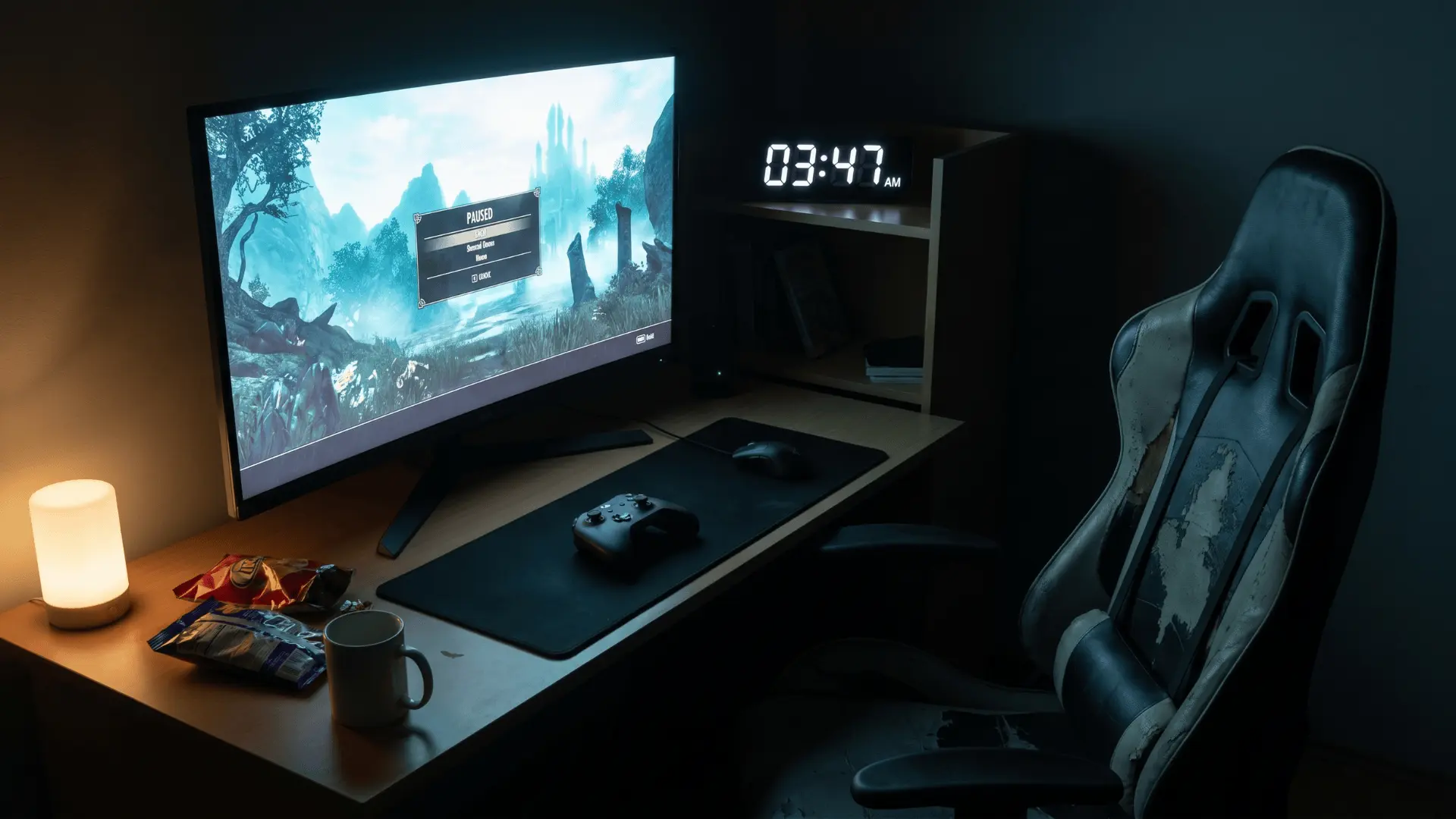
Excessive gaming can lead to loss of control and dependency, mainly because games use reward systems that keep players engaged.
Internet Gaming Disorder refers to ongoing, excessive gaming behavior. Signs include constant thoughts about gaming, irritability when not playing, loss of interest in other activities, and difficulty cutting back.
The World Health Organization formally recognized Gaming Disorder as a diagnosable condition in 2019, classifying it under the International Classification of Diseases (ICD-11). While it affects a small percentage of gamers, the classification signals that problematic gaming is a genuine clinical concern, not just a bad habit.
Too much gaming can lead to anxiety, depression, loneliness, and low motivation, especially when it replaces real-life interactions.
Who is more at risk:
- Children and teenagers
- People with limited hobbies or social options
- Those using gaming to escape stress or emotions
The AAP historically recommended one to two hours of daily recreational screen time for kids, but its updated 2026 guidance now prioritizes content quality and balance over fixed limits, depending on age, sleep, and responsibilities.
Gaming becomes harmfulwhen it takes up too much time, interferes with work or studies, disrupts sleep, or leads to neglect of daily responsibilities.
Not all gamers develop addiction. The risk depends on habits, environment, and time spent.
Physical Health Downsides of Excessive Gaming
Moderate gaming is safe, but long hours can harm the body, especially when it replaces physical activity or involves long sessions without breaks.
Sitting for long periods reduces movement and calorie burn, which can lead to weight gain and lower fitness.
Extended screen time can cause eye strain, dryness, blurred vision, and headaches, especially without regular breaks.
Poor posture during gaming can strain the neck, back, shoulders, and wrists, while repeated hand movements may lead to wrist pain or carpal tunnel syndrome.
These problems are more likely during long, uninterrupted sessions with little physical activity, while occasional gaming is unlikely to cause serious harm.
Effects of Video Games on Sleep and Daily Routine
Gaming habits can influence sleep patterns and daily functioning, particularly when play occurs late at night. Both screen exposure and mental stimulation contribute to these effects.
- Blue light exposure: Screens reduce melatonin production, making it harder for the body to naturally prepare for sleep.
- Mental stimulation: Competitive or intense games keep the brain alert, delaying relaxation and sleep onset after gaming sessions end.
- Irregular sleep routines: Late-night gaming can reduce sleep quality, leading to fatigue, poor focus, mood changes, and lower daytime productivity.
- Higher-risk groups: Sleep disruption is more common among night gamers, especially those who play competitive or online multiplayer games for extended hours.
Late-night gaming can disrupt sleep patterns and daily functioning, leading to fatigue, reduced focus, and mood changes.
Do Video Games Increase Aggression or Behavioral Issues?
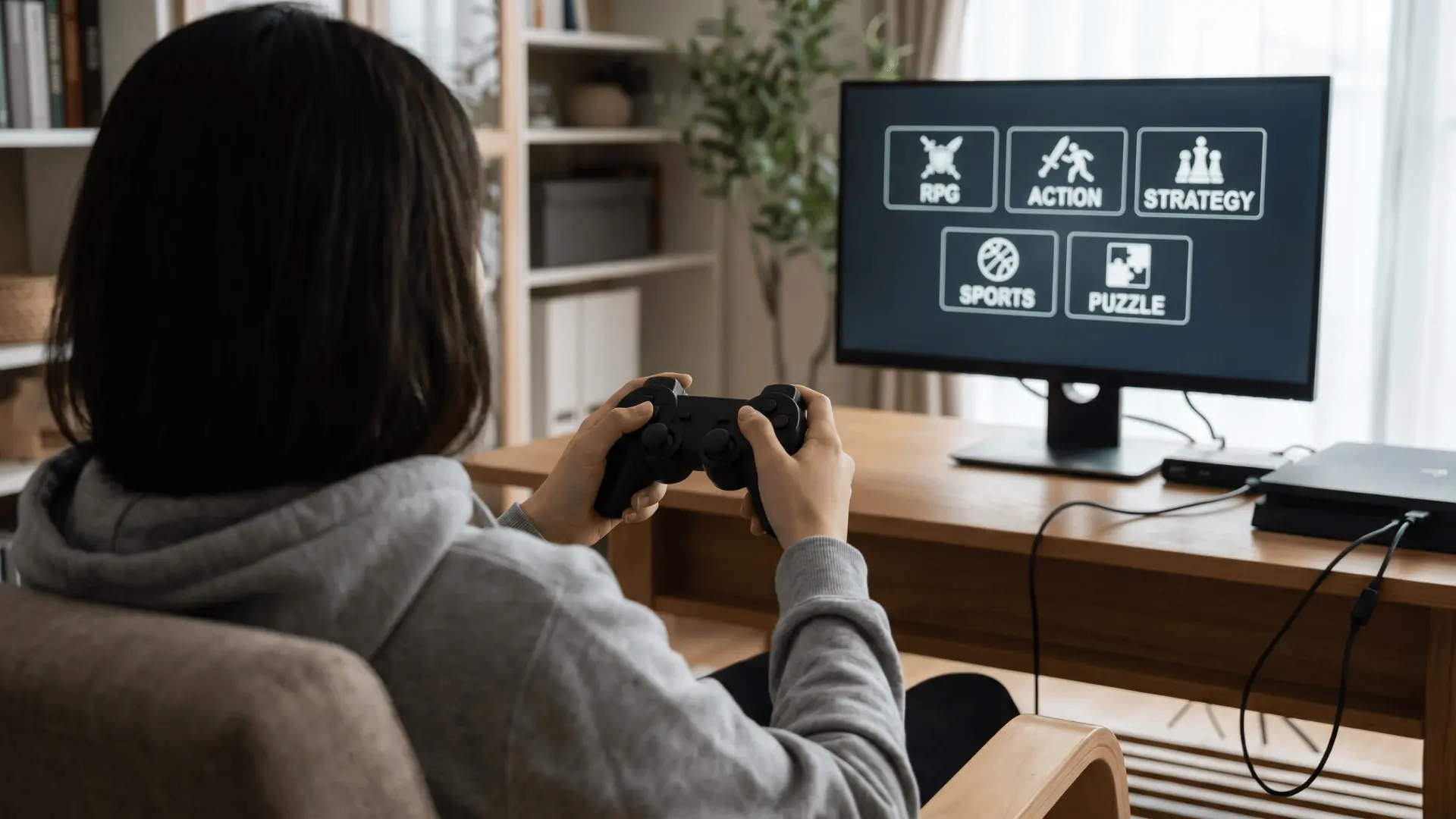
The link between video games and aggression is debated. Violent games may increase short-term aggressive thoughts, but they are not proven to cause real-world violence.
Short-Term vs. Long-Term Aggression
Playing violent video games may lead to temporary increases in aggressive thoughts or feelings, such as frustration or irritability.
However, these effects are usually short-lived. Long-term aggressive behavior is influenced more by personal and environmental factors than by gaming alone.
Repeated exposure to violent scenes can make players less sensitive to violence over time.
This may reduce emotional reactions to aggressive situations, especially in younger players. However, desensitization does not mean that players will act violently in real life.
Influence of External Factors
A person’s environment plays a major role in shaping behavior.
Factors such as family environment, personality, mental health, and upbringing often have a stronger impact on aggression than video games. Supportive supervision and guidance can reduce potential risks.
Research findings are mixed. Some studies show small increases in aggressive thoughts after playing violent games, while others find little to no long-term behavioral impact.
Overall, video games are not considered a direct cause of violent actions.
When the Risk is Higher?
Young players tend to be more impressionable; their sense of what’s normal is still forming, which makes repeated exposure to violent content more influential than it would be for adults.
Excessive playtime compounds this, since longer sessions mean more exposure with less time to decompress. And without parental awareness of what’s being played, there’s no check on whether the content is age-appropriate in the first place.
The Entertainment Software Rating Board (ESRB) assigns age and content ratings to games sold in the US and Canada. Ratings range from Early Childhood (EC) to Adults Only (AO) and include content descriptors such as “Violence” and “Language.” Checking ESRB ratings before a purchase is the fastest way for parents to assess whether a game is appropriate for their child’s age.
Violent video games may lead to short-term aggressive thoughts in some players, but long-term behavior is shaped mainly by personal and environmental factors rather than gaming alone.
When Video Games are Beneficial vs. Harmful?
| Area | Beneficial | Harmful |
|---|---|---|
| Time Spent | Moderate play within daily limits | Excessive hours or binge gaming |
| Game Type | Strategy, puzzle, educational, or cooperative games | Highly repetitive or overly immersive games |
| Lifestyle Balance | Balanced with exercise and real-life activities | Replaces physical activity or hobbies |
| Emotional Use | Played for fun and relaxation | Used mainly to escape stress or problems |
| Responsibilities | School, work, and family duties are maintained | Neglect of responsibilities |
| Social Impact | Positive and supportive gaming communities | Isolation or toxic online environments |
| Overall Effect | Supports mental and social well-being | Leads to dependency and health issues |
Balanced, mindful gaming supports well-being, while excessive or unbalanced use can negatively affect health and daily life.
How Parents Can Manage Gaming at Home?
If you’re a parent, the pros and cons of video games play out differently depending on the level of oversight. A few practical approaches make a real difference:
- Check ESRB ratings: Review age ratings and content warnings to understand if a game includes violence, strong language, or mature themes before purchasing.
- Set gaming limits: Consistent gaming schedules help manage screen time better and prevent gaming sessions from interfering with school, sleep, or routines.
- Keep devices outside bedrooms: Removing consoles and phones at night helps reduce late-night gaming and supports healthier sleep habits for children and teenagers.
- Stay involved in gaming: Asking about games and watching occasionally helps create healthier conversations and makes boundaries easier for children to follow consistently.
- Watch for warning signs: Sleep problems, irritability, withdrawal, or a loss of interest in normal activities may indicate that gaming habits are becoming unhealthy over time.
Well-managed gaming can be a positive part of a child’s routine. The goal is not to eliminate it, it’s to keep it in its place.
Conclusion
Video games can shape your thinking, habits, and daily routine in both positive and negative ways. The real impact comes down to how you use them.
Understanding the pros and cons of video games helps you stay aware of your limits and make better choices.
When gaming stays balanced, it can support focus, coordination, and connection. But when it takes over your time, the downsides start to show.
Frequently Asked Questions
Are video games good for your brain?
Yes, when played in moderation. Many games improve attention, problem-solving, memory, and reaction speed by challenging players to think quickly and make decisions.
How many hours of gaming is too much?
Gaming becomes excessive when it interferes with sleep, school, work, health, or relationships. The right amount varies by lifestyle, but balance with daily responsibilities is essential.
Do video games affect mental health?
Video games can reduce stress and improve mood when used moderately. However, excessive gaming or using games to escape problems may increase anxiety, depression, or social withdrawal.
Are video games harmful for kids?
Video games are not inherently harmful for kids. Their impact depends on age-appropriate content, time limits, and parental supervision to ensure a healthy balance with school and physical activities.