
If you’ve ever watched a live gaming stream, you might have noticed how some players seem to know exactly where the streamer is, showing up too quickly, too accurately, too often to be a coincidence.
That’s where the idea of a stream sniper comes in. It’s a common term in online gaming, but many people misunderstand what it really means.
Here, you’ll learn what stream sniping is, how it works in real matches, why it’s considered unfair, and how it affects both gameplay and streaming.
What is a Stream Sniper?
A stream sniper is a player who watches a live stream while playing the same multiplayer game to gain information unavailable through normal gameplay alone.
Instead of relying entirely on awareness or prediction, they actively use the stream to track locations, movements, and decisions in real time.
Most multiplayer games are designed around limited information and fair reactions.
Stream sniping removes uncertainty by giving one player unfair access to gameplay knowledge.
Because of this, stream sniping is widely considered disruptive and unfair, especially when stream information is consistently used to influence match outcomes.
How Stream Sniping Actually Works?
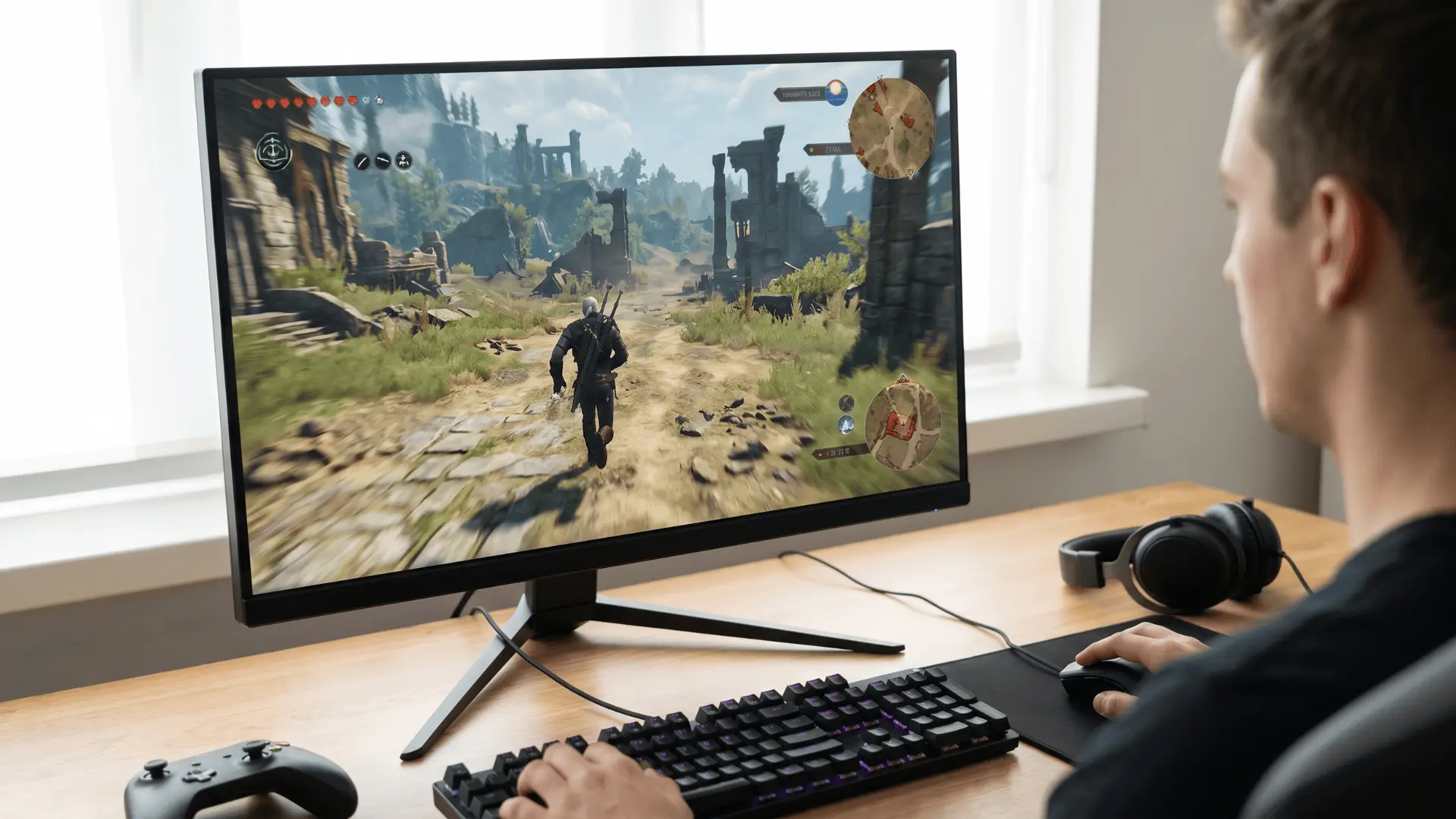
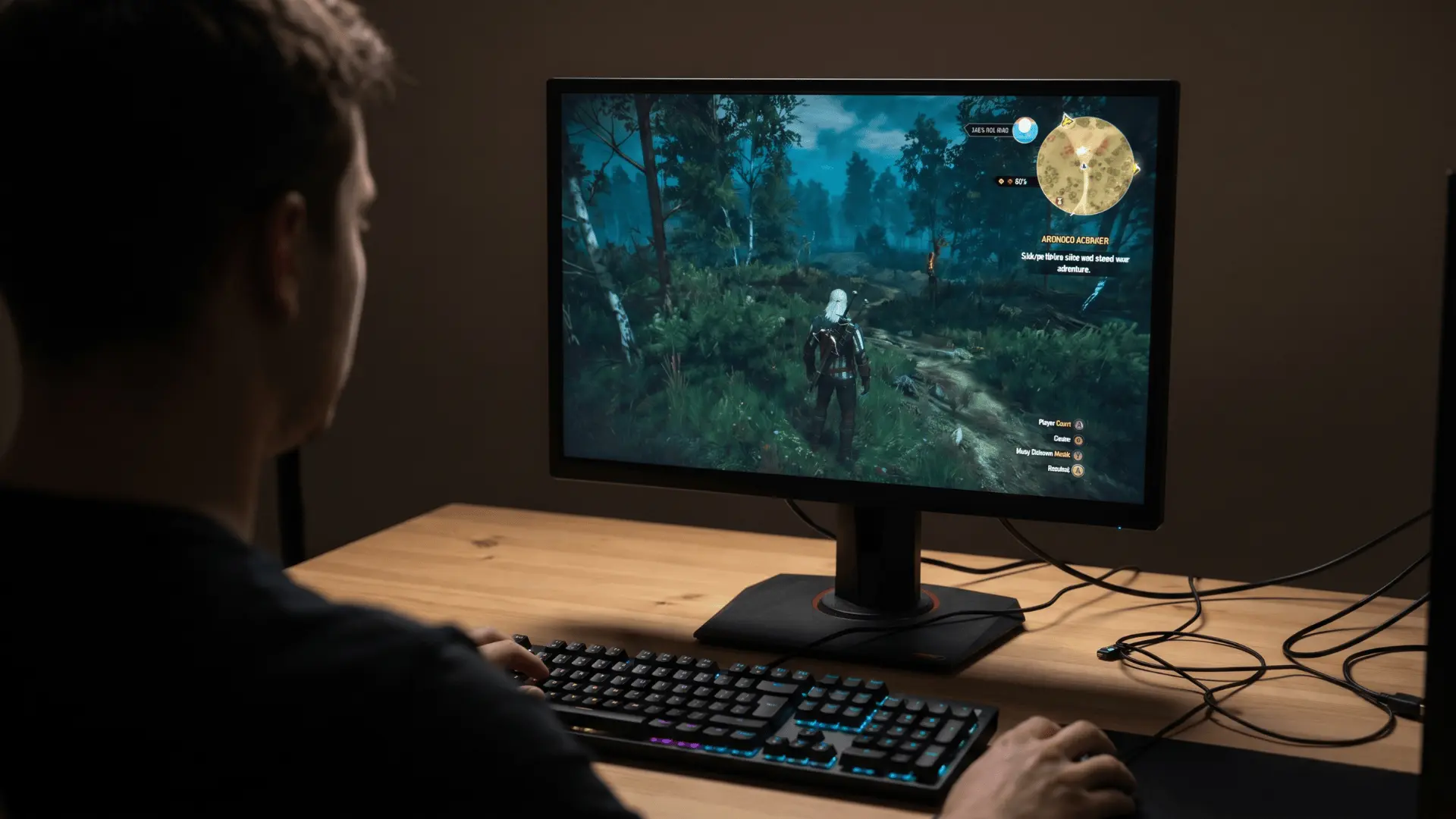
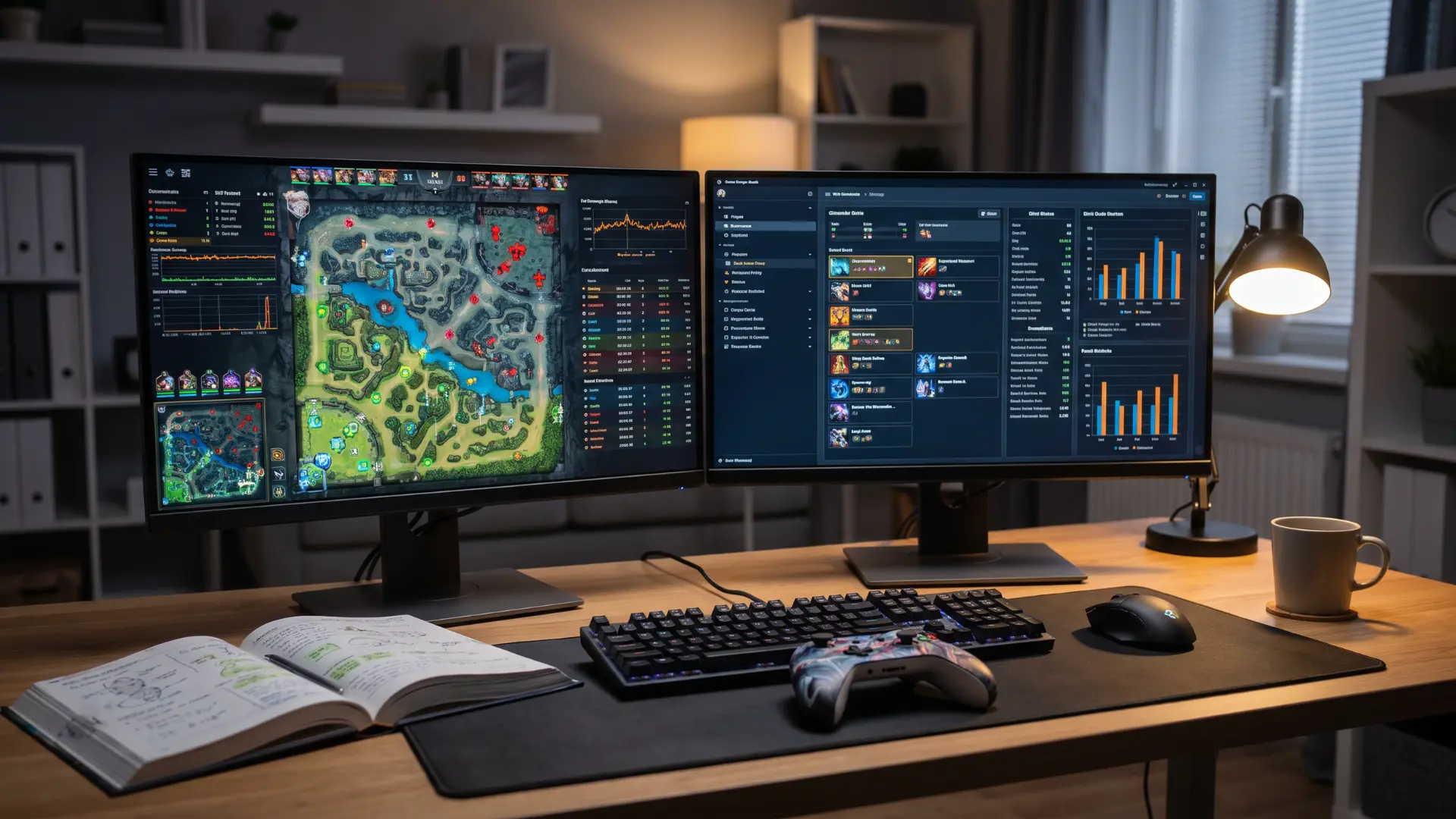
Stream sniping occurs when a streamer broadcasts their gameplay publicly. That live feed becomes a source of real-time information.
Here’s how it typically works step by step:
- The sniper tries to enter the same match or lobby as the streamer, often by queuing at the same time.
- Once inside, they watch the stream to track key details such as position, loot, and movement.
- They then use that information immediately in-game to find, ambush, or follow the streamer.
Stream sniping mainly works when there is little or no stream delay. Real-time broadcasts give viewers accurate information quickly enough to react during live multiplayer matches.
Most multiplayer games depend on limited player visibility to stay fair. Watching a live stream reveals enemy locations, movements, and positions that would otherwise remain completely hidden.
This changes gameplay entirely. Instead of reacting naturally, stream snipers can predict movements, target specific players repeatedly, or intentionally disrupt matches using outside information in unfair ways.
The advantage becomes far weaker when streamers add broadcast delay or hide maps and HUD elements. Delayed or incomplete information completely removes the competitive edge.
Why Stream Sniping Gives an Unfair Advantage?
Stream sniping creates an information imbalance because one player gains access to details unavailable to others simply by watching the streamer’s live gameplay feed online.
Competitive games rely heavily on uncertainty and limited information. Players normally predict movements through sound, timing, awareness, and positioning instead of exact visual confirmation.
A stream sniper bypasses those mechanics completely by using outside information. This removes the need for genuine map awareness, prediction skills, and normal gameplay decision-making.
Many people see stream sniping as harmless viewing, but it becomes unfair when stream information directly influences gameplay, creating advantages unavailable to other players.
Common Reasons People Stream Sniper
People stream snipe for different reasons, but most come down to easy advantage or attention.
- Gaining a Competitive Edge: Some players use the stream to know the streamer’s position or plans, making it easier to win fights with less effort.
- Targeting Popular Streamers: Players may try to get noticed by going after well-known streamers during a match.
- Trolling or Harassment: The goal is sometimes to disrupt gameplay or frustrate the streamer rather than actually win.
- Trying to Appear on Stream: Some players treat it as a way to be seen by a larger audience and interact indirectly.
- Taking Advantage of Visibility: Since streamers broadcast their gameplay publicly, they become easy and predictable targets.
In most cases, stream sniping is less about skill and more about using visibility for advantage or attention.
Difference Between Stream Sniping and Ghosting
Here’s how both behaviors give unfair advantages, but differ mainly in where the extra information comes from:
| Aspect | Stream Sniping | Ghosting |
|---|---|---|
| Source | Live stream (outside the game) | In-game (teammate or spectator) |
| How It Works | Watch stream to track player | Shares hidden info like positions |
| Access Type | Public stream data | Private in-game data |
| Typical Case | Joining a streamer’s match | Dead teammate giving callouts |
| Main Issue | Uses the stream for an advantage | Shares info not meant to be seen |
| Overlap | Both give unfair info advantage | Both give unfair info advantage |
| Key Difference | External source | Internal source |
| Common Confusion | “Just watching” | “Normal teamwork” |
Is Stream Sniping Allowed or Illegal?
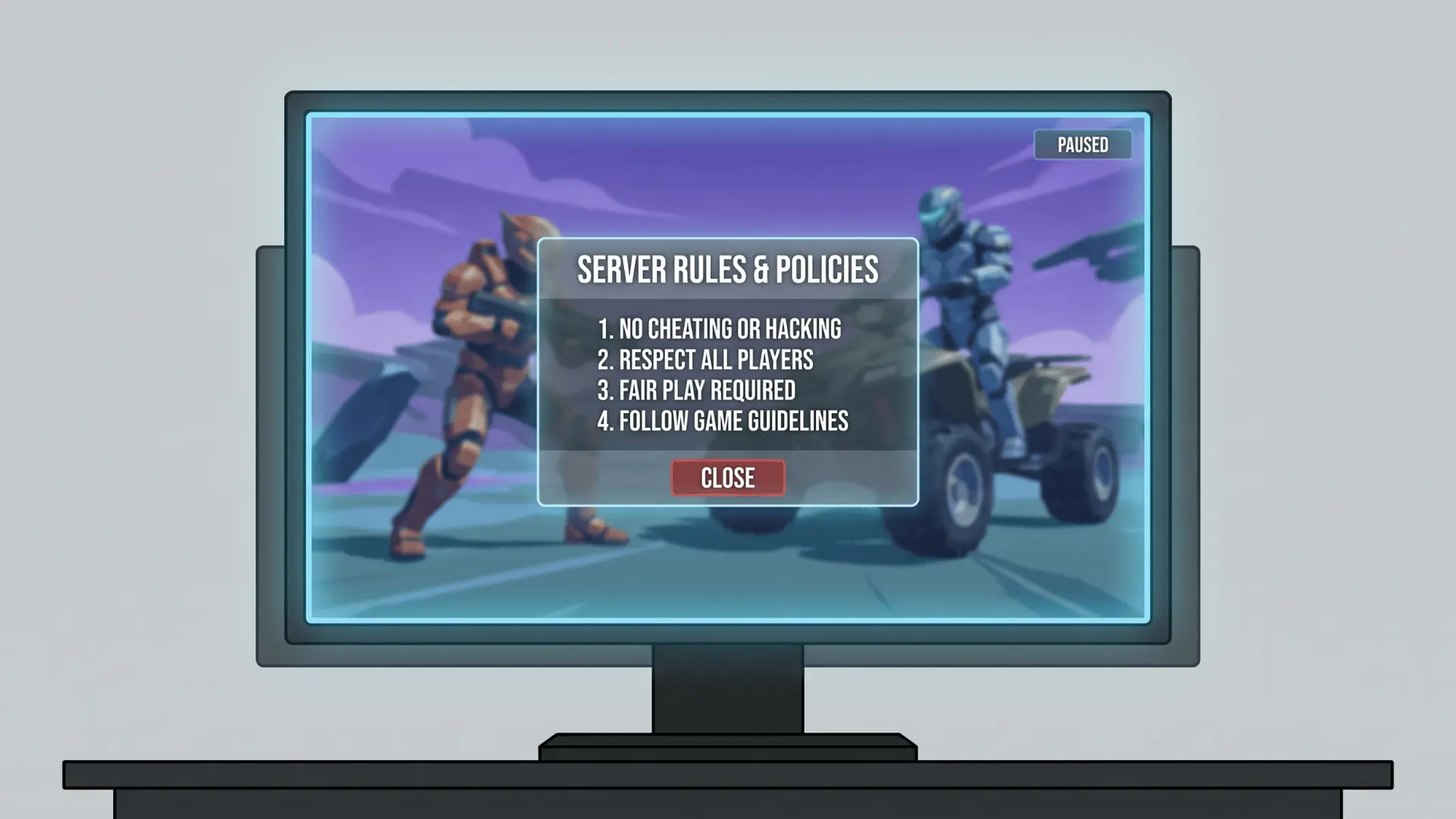
Stream sniping is not illegal under the law, but it is widely against platform and game rules.
Most platforms like Twitch and YouTube treat it as a form of cheating or harassment, especially when it targets a specific streamer. Game developers also include it in their policies, and it can lead to warnings, suspensions, or permanent bans.
The reason is simple. It breaks fair play by using outside information to gain an advantage, which goes against how competitive games are meant to work.
Enforcement, however, is not always straightforward. It usually depends on player reports, clips, or repeated patterns of behavior. There is rarely direct proof that someone is watching a stream during a match.
Because of this, stream sniping can be hard to prove, and some cases go unpunished unless the behavior is obvious or repeated.
Why is Stream Sniping Hard to Detect?
The main issue with stream sniping is that it occurs outside the game itself, making it extremely difficult for in-game systems to reliably detect.
- No Clear Proof of Intent: There’s no direct way to confirm if a player is watching a stream during a match.
- Not Visible In-Game: Watching a stream happens outside the game, so it cannot be tracked or detected by game systems.
- Easy to Deny: A player can simply deny stream sniping, and there’s usually no solid evidence to prove otherwise.
- Looks Like Normal Gameplay: Actions like predicting movement or checking common spots can appear legitimate.
- Hard to Separate Skill From Advantage: Skilled players can make similar decisions, which makes suspicious behavior harder to judge.
- Relies on Patterns Over Time: Detection often depends on repeated behavior, like consistently finding the same streamer.
- Inconsistent Enforcement: Only obvious or repeated cases get punished, while many go unnoticed.
This makes stream sniping difficult to prove and allows it to continue in many matches.
Real-World Examples of Stream Sniping in Gaming
In Fortnite, streamer xQc was repeatedly targeted by a player using the live stream to locate, eliminate, and provoke reactions during multiple gameplay sessions.
In games like Call of Duty: Warzone, stream snipers track landing locations directly from broadcasts, creating fights where outcomes feel predetermined before engagements even begin.
Some players focus entirely on disruption rather than on winning. They repeatedly join matches, constantly follow streamers, and interfere with gameplay solely to appear on broadcasts.
In every case, the stream provides real-time information that immediately influences gameplay, creating unfair advantages, disrupted matches, and frustrating experiences for both streamers and viewers.
Why Stream Sniping is Viewed Negatively by the Community?
The competitive gaming community tends to take fair play seriously, and stream sniping cuts against it in a way that’s difficult to ignore or dismiss as accidental.
Games are meant to test skill and decision-making, but using a stream for extra information breaks that balance.
It also affects the streamer’s experience and the quality of their content. Repeated targeting can ruin matches, make gameplay predictable, and reduce the entertainment value for viewers.
In some cases, it goes beyond gameplay and becomes harassment or targeted abuse, especially when the same player keeps interfering or trying to provoke a reaction.
Because of this, most gaming communities see stream sniping as unacceptable behavior, even when it’s not strictly enforced.
A common misconception is that it’s harmless fun. In reality, it often leads to real disruption, both for the streamer and the audience watching.
How Streamers Can Reduce Stream Sniping?
Stream sniping cannot be fully stopped, but streamers can reduce it by limiting live information and making themselves harder to track during matches.
- Add stream delay: Delayed broadcasts make on-screen information outdated before stream snipers can react during matches.
- Use a different username: Playing under an alias makes it harder for players to identify and queue against streamers repeatedly.
- Enable streamer mode: Some games hide player names, server details, and identifying information directly from the stream screen.
- Hide important HUD elements: Covering minimaps or location details removes information stream snipers usually depend on during matches.
Most streamers combine multiple methods together since no single setting completely prevents stream sniping during competitive or high-visibility gameplay sessions.
Conclusion
Stream sniping goes beyond just watching a live broadcast. It changes how a game is played by introducing outside information that was never meant to be part of the match.
This creates an imbalance, affects content quality, and can lead to repeated disruption. The key takeaway is simple.
A stream sniper gains an edge by using information others don’t have, which breaks fair play.
Understanding that distinction is what separates a frustrating match from a recurring problem, and knowing the causes is the first step toward addressing it.
Frequently Asked Questions
Is stream sniping considered cheating?
Most gaming communities and platforms consider stream sniping unfair because it uses outside information to influence gameplay, breaking the intended balance of competitive multiplayer matches.
Can stream snipers get banned?
Yes, some games and streaming platforms issue warnings, suspensions, or permanent bans for repeated stream sniping, especially when it involves harassment or targeted disruption.
Why is stream sniping difficult to detect?
Stream sniping happens outside the game through livestreams, making direct proof difficult. Most detection depends on repeated behavior patterns, reports, gameplay clips, or suspicious targeting.
How do streamers stop stream sniping?
Streamers reduce stream sniping by adding delays, hiding minimaps, enabling streamer mode, changing usernames, and limiting publicly visible real-time gameplay information during broadcasts.