

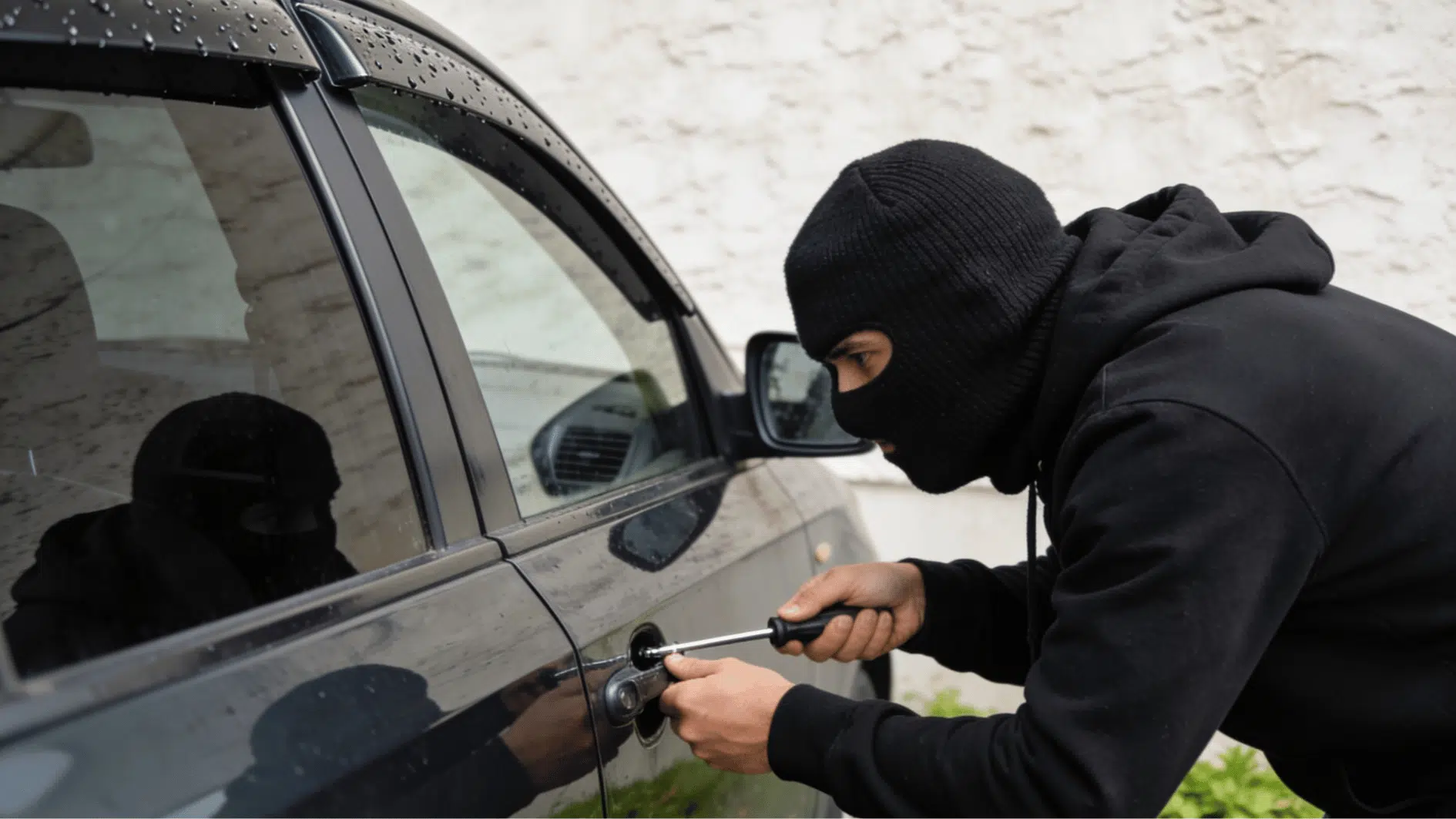






Ever heard of someone getting in trouble just for taking a car that wasn’t theirs?
It happens more than people think. Maybe a friend borrowed a car without really asking, or a rental deal went wrong. Before long, that person is facing a grand theft auto charge, and that’s a big deal.
This charge falls under a crime called grand larceny, which means taking something of value that belongs to someone else. Since cars cost a lot of money, the law treats this seriously.
So what does this actually mean for someone facing it? This post will cover exactly that.
What is Grand Theft Auto?
Grand theft auto is a criminal charge that applies when someone takes a vehicle belonging to another person without permission, intending to keep it or deprive the owner of it permanently.
This is what separates a grand theft auto charge from joyriding, which usually means someone took a car just for a short ride and planned to return it.
Courts look closely at intent; if there was no plan to permanently take the vehicle, the charge might be lower.
Since cars are considered valuable property, this offense falls under grand larceny laws, which cover the theft of high-value items.
That’s why even a short-term “borrow” can turn into a serious legal problem if intent isn’t clear, and the outcome often depends on how a court views the person’s original plan for the car.
Grand Theft Auto vs. Grand Larceny
Grand theft auto and grand larceny are closely connected, but they aren’t exactly the same thing. Both terms come from the same legal idea: taking property that belongs to someone else without permission.
The table below breaks down where these two terms overlap and where a grand theft auto stands apart from general larceny cases:
| Aspect | Grand Larceny | Grand Theft Auto |
|---|---|---|
| Legal Root | Covers theft of property above a set value | A specific form of grand larceny |
| What It Covers | Cash, jewelry, electronics, and other valuables | Vehicles only |
| Value Threshold | Varies by state, usually a few hundred dollars and up | Often automatic due to a car’s high value |
| Charge Naming | Used as the general theft term in many states | Sometimes used interchangeably with grand larceny |
| Common Situations | Retail theft, embezzlement, stolen valuables | Borrowing without permission, rental disputes |
| Felony Status | Depends on the value of the item stolen | Almost always classified as a felony |
Situations Leading to Grand Theft Auto Charges
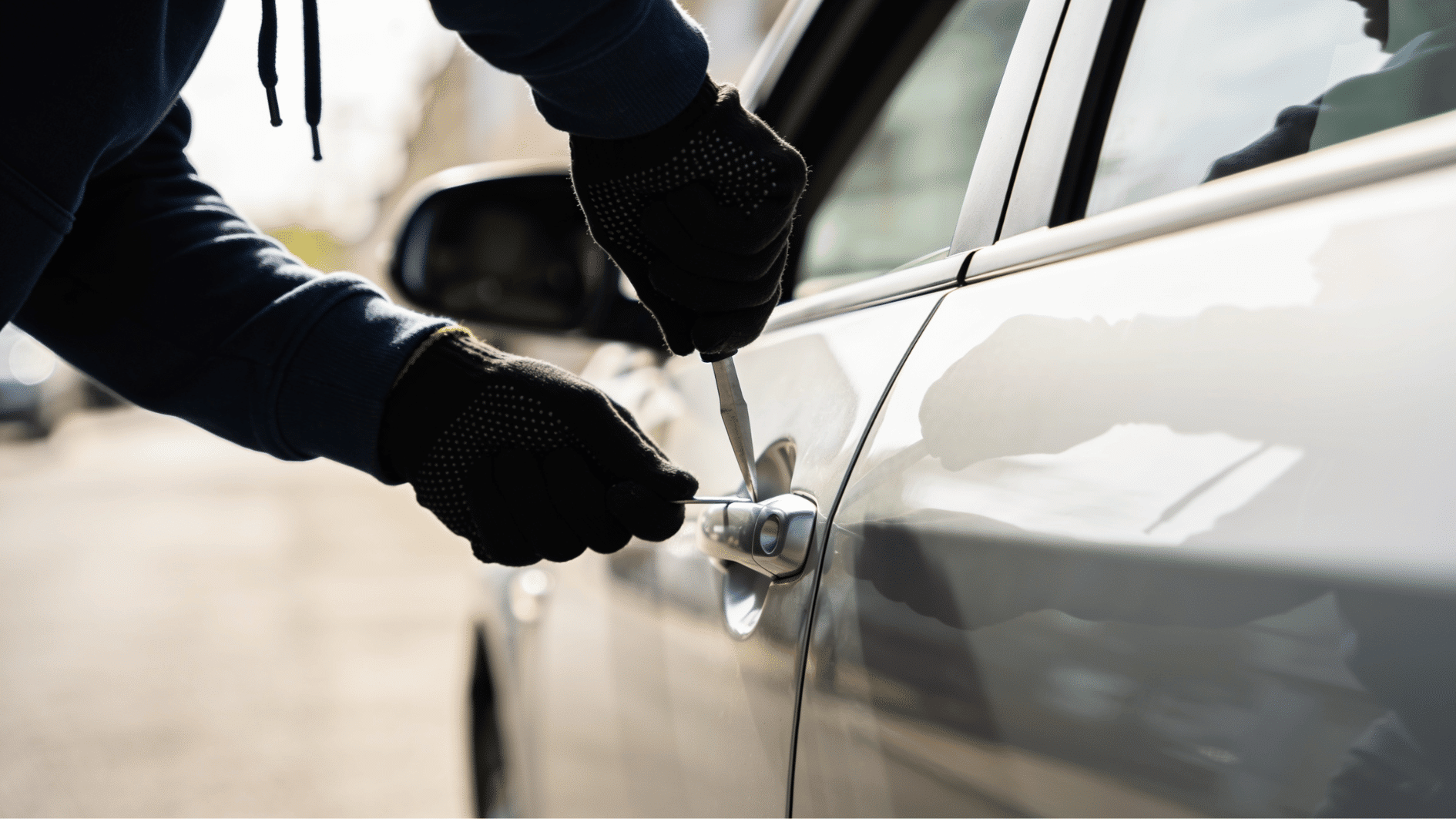
A grand theft auto charge doesn’t always start with a dramatic car theft. Many cases begin with everyday situations that spiral into something serious once intent and permission come into question.
1. Borrowing Without Permission
Taking a car “just for a bit” without asking the owner can quickly turn into a legal problem, especially if the owner reports it before the car is returned.
- The car was taken without any verbal or written consent
- The owner reported the vehicle missing before it was returned
- The person kept the car longer than expected
- There’s no proof that permission was given at all
Quick Fact: Even close friends or family members can file a report if a car is taken without clear permission, which can lead to a investigation.
2. Rental Car Disputes
Rental agreements come with strict rules, and going outside those terms can sometimes lead to theft charges rather than just a contract issue.
- The car was kept well past the agreed return date
- Payment was never completed for the rental period
- The vehicle was taken outside the allowed rental zone
- The rental company reported the car as stolen
Quick Fact: Some rental companies file police reports quickly once a car is late, which can escalate a billing issue into a charge.
3. Repossession Gone Wrong
Disputes over loan payments and repossession timelines can sometimes lead to confusion about who legally controls the vehicle.
- The car was reclaimed without proper legal notice
- Ownership records were unclear at the time of the dispute
- The borrower refused to return the vehicle after default
- Payments were made but not properly recorded
Quick Fact: Paperwork errors during repossession can sometimes work in the accused person’s favor during a this case.
4. Shared Ownership Conflicts
When a car is jointly owned, disagreements over who has the right to use it can sometimes end up in criminal court instead of civil court.
- One owner took the car without the other’s agreement
- The vehicle title lists more than one legal owner
- A separation or breakup led to a dispute over the car
- One party reported the car stolen despite shared ownership
Quick Fact: Shared ownership doesn’t always protect someone from this charge if the other owner didn’t agree to the car being taken.
5. Employee or Business Vehicle Misuse
Company vehicles come with clear rules about who can use them and when, and stepping outside those limits can sometimes lead to more than just a workplace issue.
- The vehicle was used after employment ended
- The car was kept despite the company’s requests for its return
- Personal use went far beyond what the job allowed
- The employer filed a report after repeated policy violations
Quick Fact: Even a company car can trigger agrand theft auto charge if an employee refuses to return it after being let go.
6. Car Theft During a Test Drive
Vehicle theft can sometimes occur during a private sale or a dealership test drive when someone takes the car and does not return it as expected.
These cases often involve questions about identity, permission, and whether the person intended to return the vehicle.
- The person provided false identification or personal information
- The vehicle was taken beyond the agreed test drive terms
- The driver stopped responding to the seller or dealership
- The car was not returned after the scheduled time
Quick Fact: Test drives are based on temporary permission, and breaking those terms can lead to a theft investigation.
7. Fraudulent Vehicle Purchases
A vehicle transaction can become a criminal matter when someone uses false information to obtain a car rather than completing a legitimate purchase. The focus is usually on whether deception was involved from the beginning of the deal.
- Fake payment information was used during the purchase
- False documents were provided during the transaction
- The buyer never intended to complete the payment
- The vehicle was transferred using misleading information
Quick Fact: Investigators often examine messages, payment records, and paperwork to determine whether the purchase involved fraud.
8. Moving a Vehicle During Legal Proceedings
Taking or hiding a vehicle while a legal dispute is ongoing can create additional legal concerns. These situations may involve ownership disagreements, court restrictions, or attempts to avoid responsibility.
- The vehicle was moved to prevent it from being located
- A court order limited the vehicle’s transfer or use
- Ownership details were changed during an active dispute
- The vehicle was sold while legal issues were unresolved
Quick Fact: Actions taken during an ownership dispute can affect how authorities and courts view the situation.
9. Insurance-Related Vehicle Fraud
Some vehicle theft cases involve false claims or actions designed to receive money from an insurance company. These situations may lead to both vehicle-related charges and separate fraud allegations.
- A vehicle was intentionally hidden before a theft report was filed
- False details were provided to an insurance company
- A fake theft claim was created for financial gain
- The vehicle was transferred or disposed of to support a false claim
Quick Fact: Insurance investigations often review records, vehicle history, and timelines to identify possible fraud.
10. Taking a Vehicle From a Repair Shop
Disagreements with repair shops can sometimes turn into legal issues when a vehicle is removed without resolving payment or possession concerns. The agreement between the owner and the repair business can influence the outcome.
- A vehicle was taken without settling repair-related obligations
- The shop claimed a legal right to hold the vehicle
- Payment or repair terms were disputed
- The vehicle was removed despite an active agreement
Quick Fact: Repair disputes are often reviewed based on state laws, written agreements, and ownership records.
11. Unauthorized Use of a Fleet Vehicle
Company vehicles usually come with specific rules about who can use them and for what purpose. Using a fleet vehicle outside those limits can sometimes lead to serious legal consequences.
- A vehicle was used for personal reasons without approval
- A driver continued using the vehicle after access ended
- Company policies about vehicle use were ignored
- Tracking records showed unauthorized activity
Quick Fact: Employers often rely on usage policies, records, and vehicle tracking data when reporting unauthorized use.
What Turns Grand Theft Auto Into a Felony?
Not every vehicle theft case is classified the same way. The charge level depends on factors such as the vehicle’s value, state laws, and the details of how the theft occurred.
| Factor | Quick Explanation | Felony Impact |
|---|---|---|
| Vehicle Value | Higher-value vehicles often carry stricter penalties | May qualify as felony theft |
| State Law Limits | Each state sets its own theft thresholds | Classification changes by location |
| Intent Behind Theft | Keeping, selling, or abandoning the vehicle affects the case | Permanent intent can support felony charges |
| Use of Force | Threats, violence, or intimidation increase severity | Can add serious felony charges |
| Previous Offenses | Past theft convictions may affect the charge | Repeat cases often face harsher penalties |
| Vehicle Type | Luxury, commercial, or specialized vehicles may receive different treatment | Can increase legal consequences |
| Related Crimes | Damage, weapons, or other offenses may be involved | Additional charges can raise penalties |
| Organized Theft Activity | Planned theft operations or multiple stolen vehicles are treated more seriously | May lead to stronger felony charges |
Penalties For a Felony Conviction
A felony conviction for grand theft auto can carry serious consequences that extend well beyond a courtroom appearance.
Depending on the state and the value of the vehicle involved, penalties often include jail time ranging from one year to several years, along with fines that can reach thousands of dollars.
Courts may also order restitution, requiring the person to pay back the vehicle’s value or repair costs if the car was damaged.
Beyond the immediate punishment, a felony conviction typically remains on a person’s criminal record permanently, which can affect job applications, housing approvals, and even professional licenses for years to come.
This long-term impact is often more difficult to deal with than the original penalty itself. The U.S. Department of Justice offers resources on criminal records and their consequences after a conviction.
If you or someone you know is facing this situation, the next right step is reaching out to a criminal defense attorney who can look at the details of the case and guide what happens next.
Possible Defenses Against This Charge
Facing a grand theft auto charge doesn’t automatically mean a conviction is guaranteed. Several legal defenses can apply depending on the details of the case, and understanding them can help someone know what options might be available.
- Lack of Intent to Steal: The person believed they had permission or planned to return the vehicle, showing no intent to permanently deprive the owner of it.
- Mistaken Identity or Ownership: The person was wrongly identified as the driver, or there was confusion about who legally owned the vehicle or had rights to it.
- Consent was given: The vehicle’s owner had previously allowed the person to use the car, even if that permission wasn’t clearly documented.
- Ownership dispute: The vehicle was jointly owned or was the subject of a legal dispute, making it unclear whether a crime actually occurred.
- Duress or necessity: The person took the vehicle in an emergency, such as to escape danger, rather than with criminal intent.
- Entrapment: Law enforcement or another party pressured or misled the person into taking the vehicle in a way they wouldn’t have otherwise
Final Thoughts
Understanding a grand theft auto charge doesn’t have to feel confusing once you know how the law actually works.
From its legal definition and ties to grand larceny to why it’s almost always treated as a felony and what penalties may follow, the pieces fit together more clearly now.
That question of how a simple car dispute can turn into something serious finally has an answer.
Every case comes down to intent, value, and the specific laws in play. Laws can shift from state to state, so it always helps to know exactly where things stand.
If this situation feels close to home, don’t wait it out, reach out to a criminal defense attorney today and get clarity on your next step.
Frequently Asked Questions
Can Grand Theft Auto Charges Be Reduced to a Misdemeanor?
Yes, depending on the case details, prosecutors may reduce charges through plea deals, especially for first-time offenders or when intent to steal is unclear.
Does Returning the Car Prevent a Grand Theft Auto Charge?
Not necessarily. Returning a vehicle doesn’t erase the charge, though it may influence sentencing or how a prosecutor decides to proceed with the case.
How Long Does a Grand Theft Auto Case Take In Court?
Timelines vary widely, but most cases take several months to over a year, depending on court schedules, evidence, and whether a plea deal is reached.
Will a Grand Theft Auto Conviction Affect Insurance Rates?
Yes, a conviction can significantly raise insurance premiums or lead to policy cancellations, since insurers view theft-related convictions as a major risk factor.