




If you are just getting into photography or looking to upgrade what you already have, one of the first things you need to figure out is which type of camera suits you best.
And with so many options out there, that question is not always easy to answer.
From compact point-and-shoot cameras to professional DSLRs, every type has its own strengths, its own style, and its own kind of photographer it works best for.
The good news is that once you understand the differences, choosing the right one becomes a whole lot easier. So let’s walk through every camera type and find your perfect match!
What to Consider Before Choosing a Camera
Before exploring the different types of cameras, it’s important to understand a few key factors that can influence your choice:
- Purpose: Travel, professional work, content creation, or casual use
- Budget: Cameras range from affordable to extremely high-end
- Portability: Do you need something compact, or are you okay with bulky gear?
- Skill Level: Beginner, intermediate, or professional
- Lens Options: Interchangeable lenses vs fixed lens systems
Understanding the Different Types of Cameras
Understanding the different types of cameras is essential for choosing the right device that matches your photography needs, skill level, and creative goals.
1. DSLR Cameras
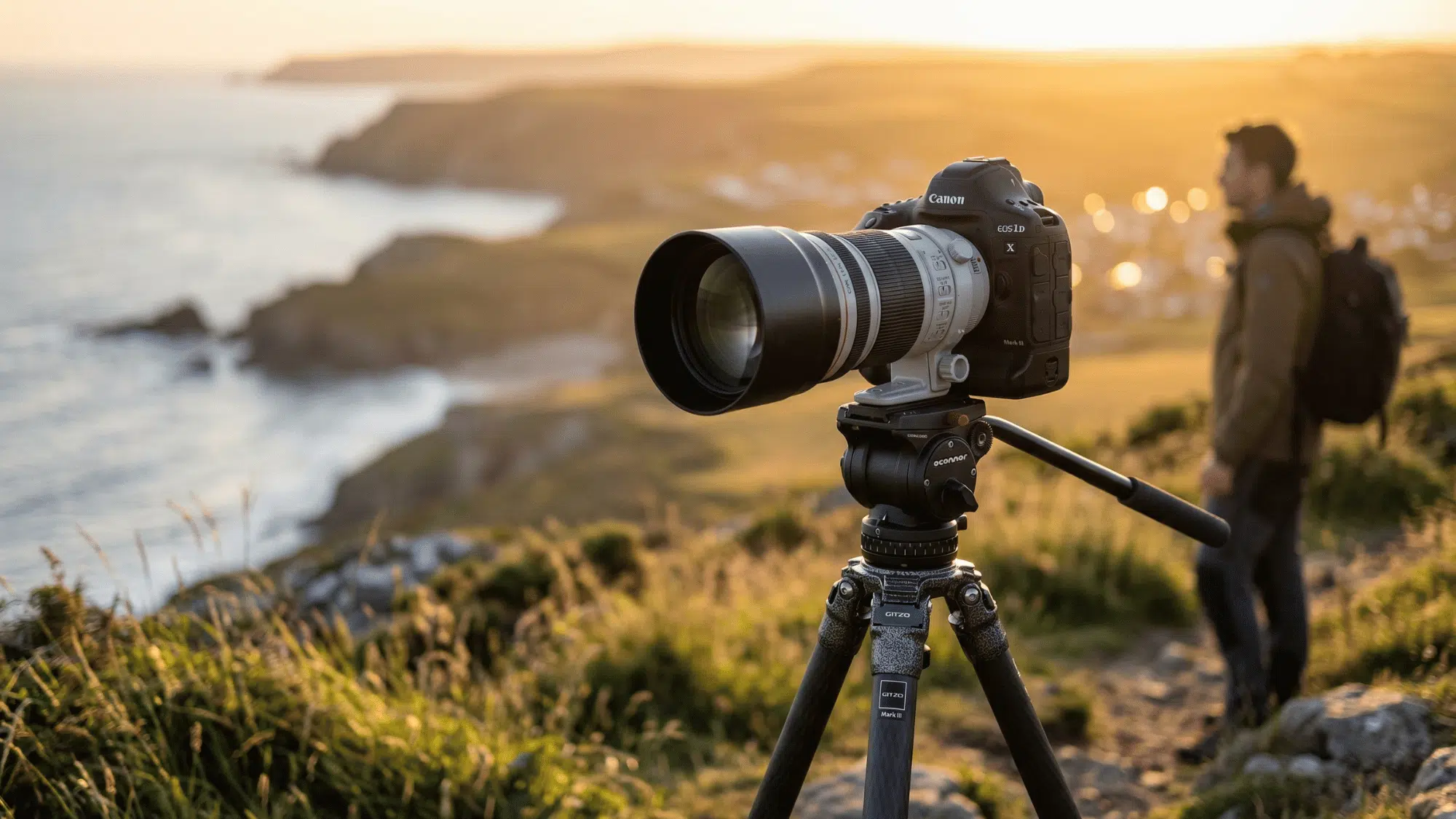
DSLR cameras use a mirror mechanism and an optical viewfinder to provide accurate framing and high-quality images. These cameras are known for their durability and versatility across a wide range of shooting conditions.
They support interchangeable lenses, offer excellent low-light performance, and deliver sharp, detailed photos. With full manual controls and strong battery life, they are highly reliable for long shoots.
- Uses: Wedding photography, wildlife photography, portrait photography, studio shoots
- Best for: Professional photography, wildlife, portraits
- Product Recommendations: Canon EOS 90D, Nikon D7500
2. Mirrorless Cameras
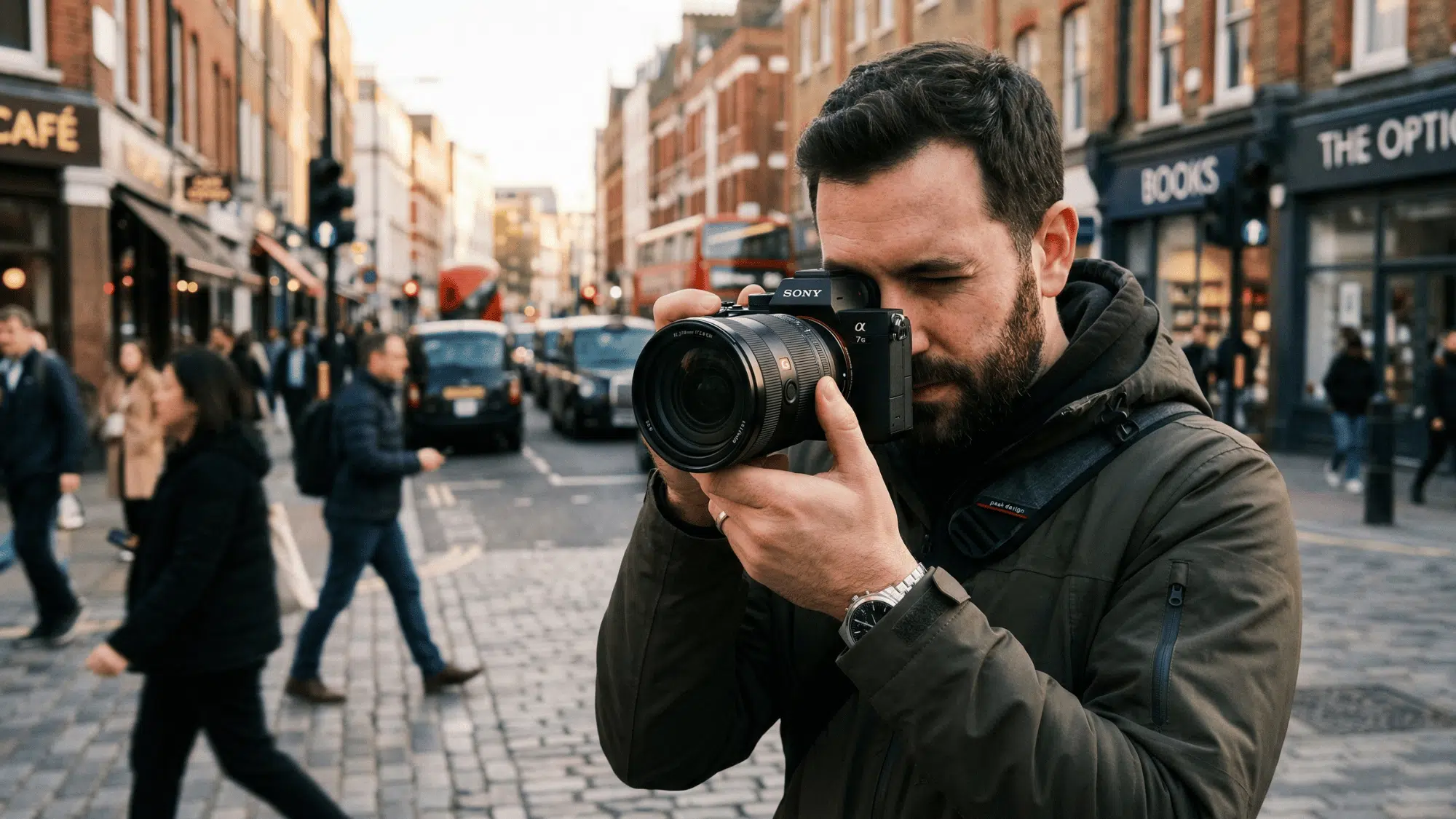
Mirrorless cameras eliminate the mirror system, making them compact and lightweight while still delivering powerful performance.
They feature fast autofocus, high-speed shooting, and strong video capabilities. With interchangeable lenses and advanced technology, they are widely used by modern photographers.
Their compact design makes them convenient for everyday and travel use.
- Uses: Travel photography, vlogging, street photography, content creation
- Best for: Travel, content creation, hybrid shooting
- Product Recommendations: Sony Alpha a6400, Canon EOS R50
3. Point-and-Shoot Cameras
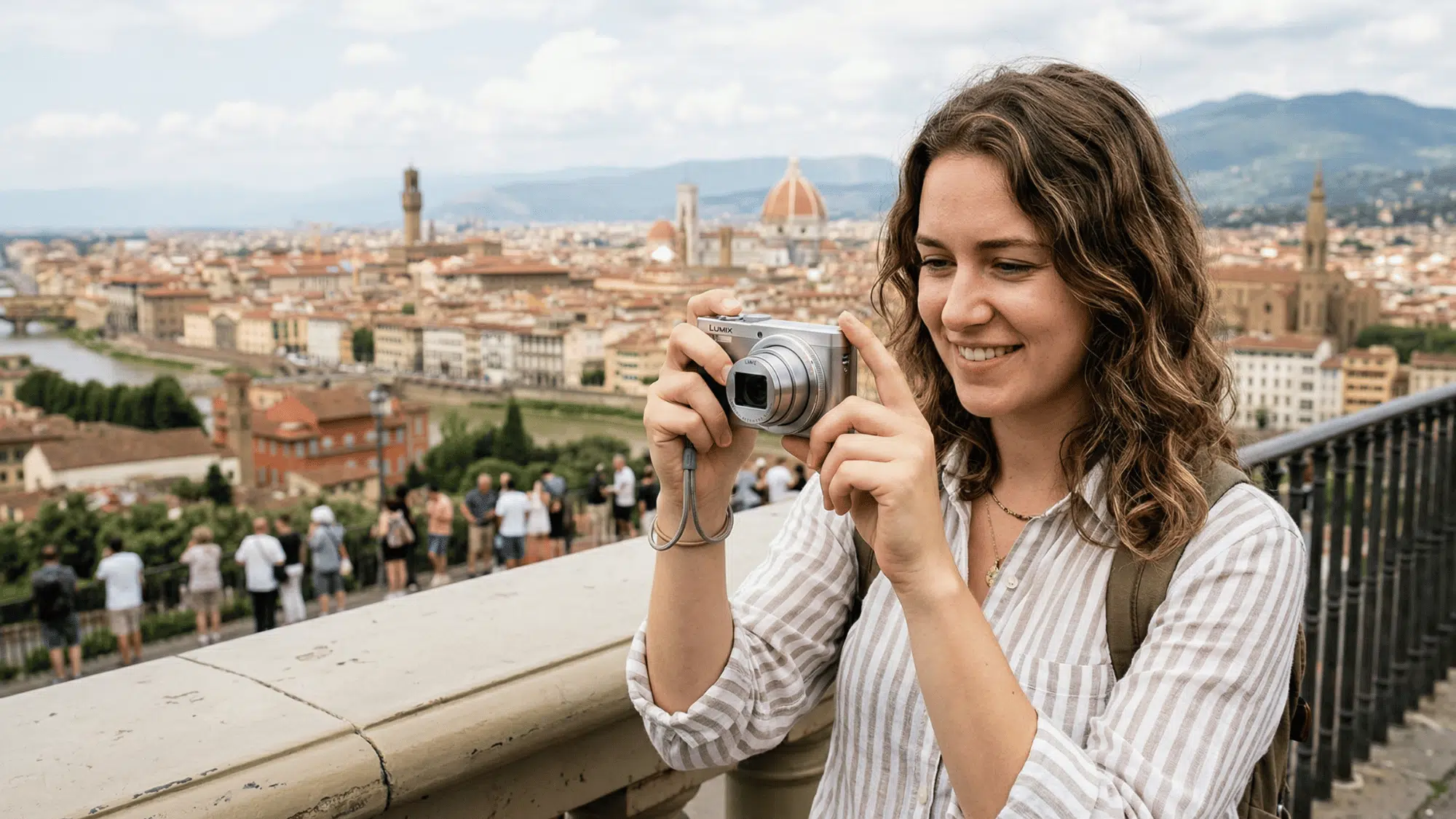
Point-and-shoot cameras are compact and easy-to-use devices with fixed lenses and automatic settings. They are designed for convenience, allowing users to capture moments without technical adjustments.
These cameras are lightweight and portable, making them suitable for quick photography. They are a great option for those who prefer simplicity over manual control.
- Uses: Casual photography, family events, vacations, daily snapshots
- Best for: Beginners, casual photography, travel
- Product Recommendations: Sony Cyber-shot WX350, Canon IXUS 185
4. Medium Format Cameras
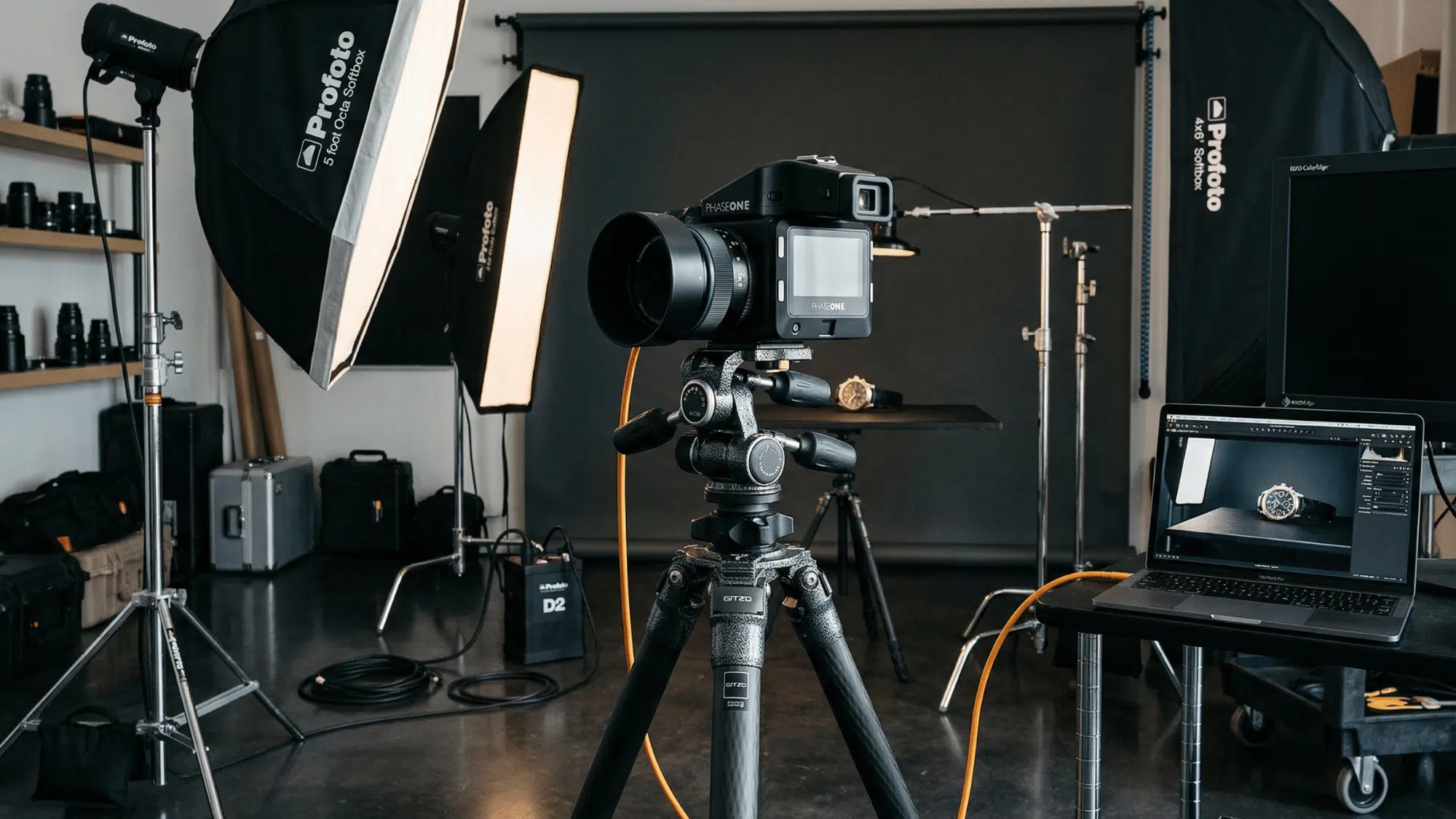
Medium-format cameras feature larger sensors that deliver extremely high resolution, superior detail, and excellent dynamic range. They are designed for professional use where image quality is critical.
These cameras provide exceptional color accuracy and depth. Their performance makes them suitable for controlled and high-end photography environments.
- Uses: Fashion photography, advertising shoots, commercial photography, studio work
- Best for: Commercial, fashion, studio photography
- Product Recommendations: Fujifilm GFX100S, Hasselblad X2D 100C
5. Smartphone Cameras
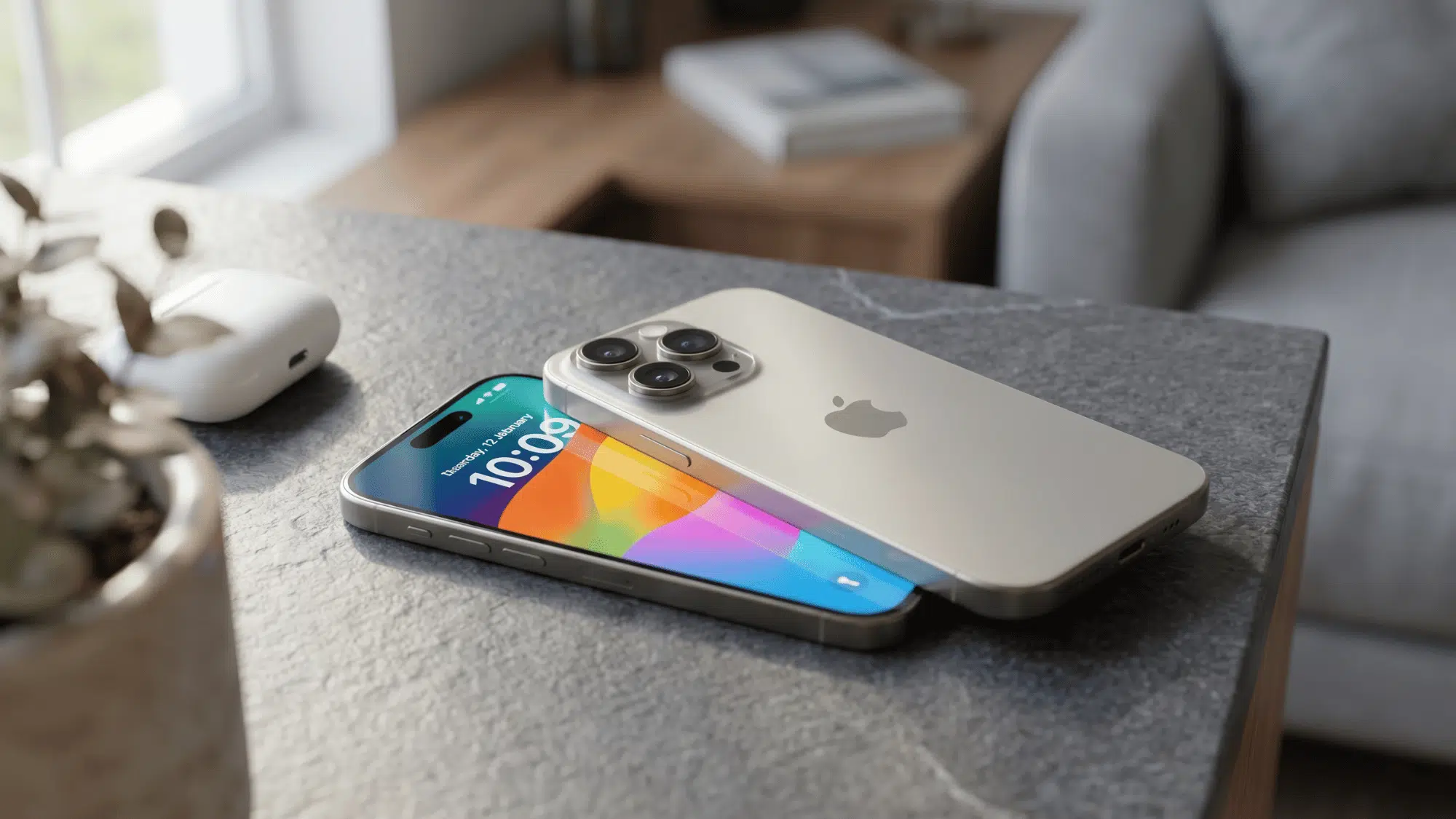
Smartphone cameras are built into mobile devices and have evolved significantly with advanced computational photography features. They offer convenience, portability, and impressive image quality for everyday use.
These cameras include features like multiple lenses, night mode, AI enhancements, and video stabilization. They are ideal for quick captures and for creating social media content.
- Uses: Everyday photography, social media, travel, casual videography
- Best for: Beginners, casual users, content creators
- Product Recommendations: iPhone 15 Pro, Samsung Galaxy S24 Ultra, Google Pixel 8 Pro
6. Instant Cameras
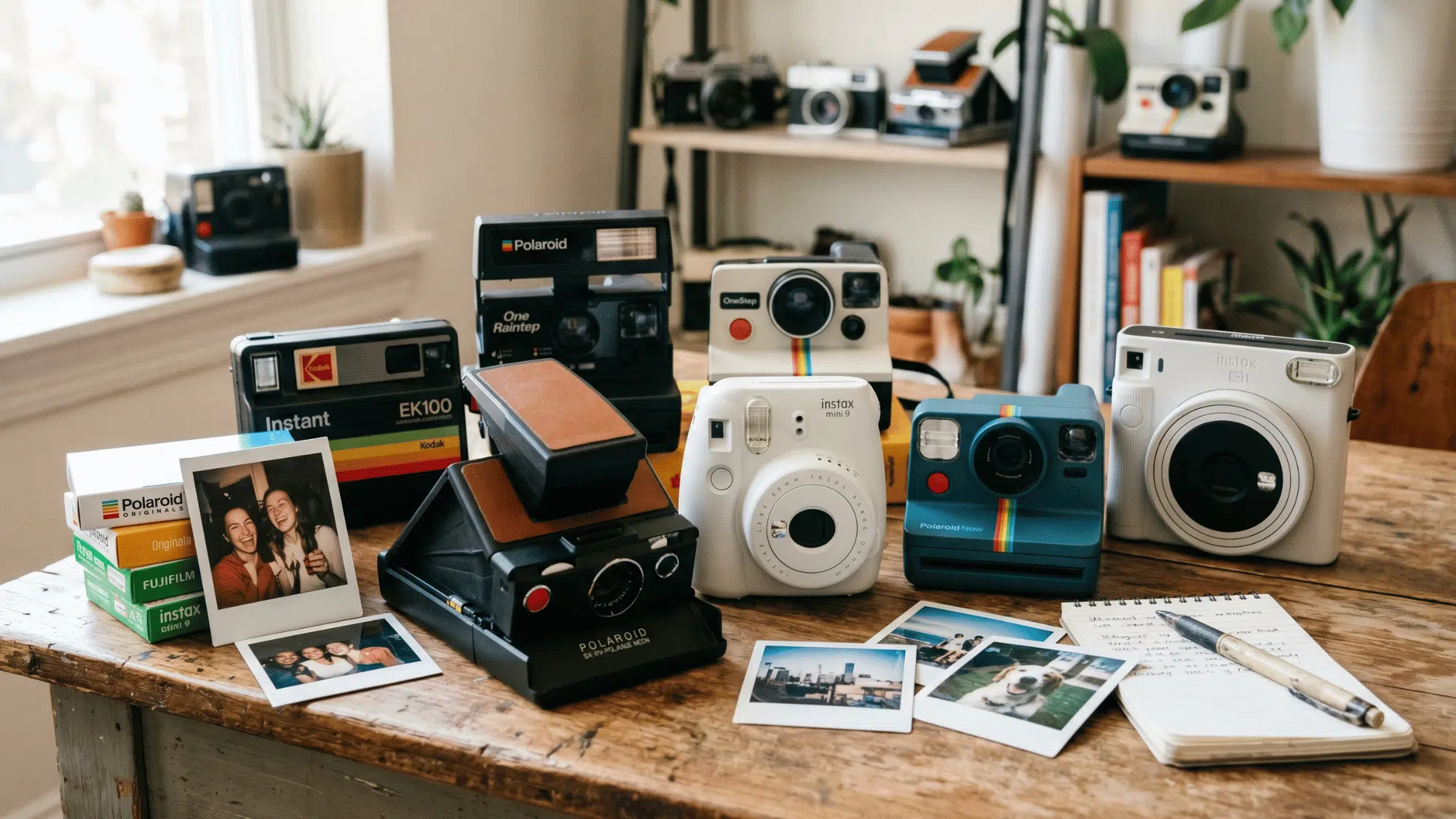
Instant cameras capture photos and print them on physical film immediately. They combine photography with a tangible, nostalgic experience.
These cameras are simple to use and often feature automatic exposure and built-in flash. They are popular for fun, spontaneous photography and events.
- Uses: Parties, events, scrapbooking, casual photography
- Best for: Hobbyists, creative users, instant photo lovers
- Product Recommendations: Fujifilm Instax Mini 12, Polaroid Now+, Kodak Mini Shot 3
7. Film Cameras
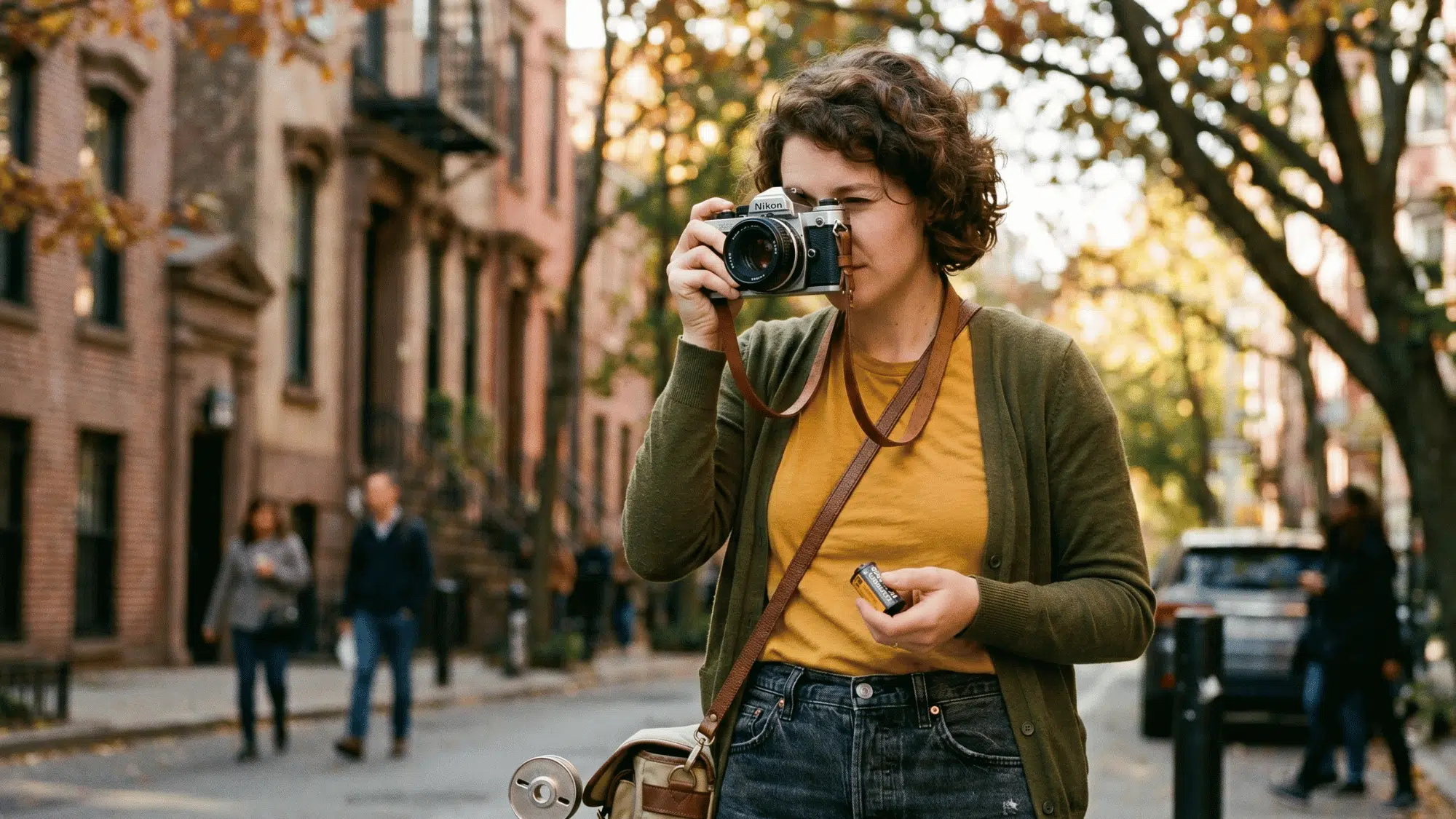
Film cameras use photographic film instead of digital sensors to capture images. They provide a classic photography experience with unique tones and textures.
These cameras require manual settings and film development, offering a more hands-on and artistic approach. They are appreciated for their vintage aesthetic and authenticity.
- Uses: Artistic photography, vintage-style shoots, learning photography basics
- Best for: Photography enthusiasts, artists, learners
- Product Recommendations: Nikon FM2, Pentax K1000
8. Bridge Cameras
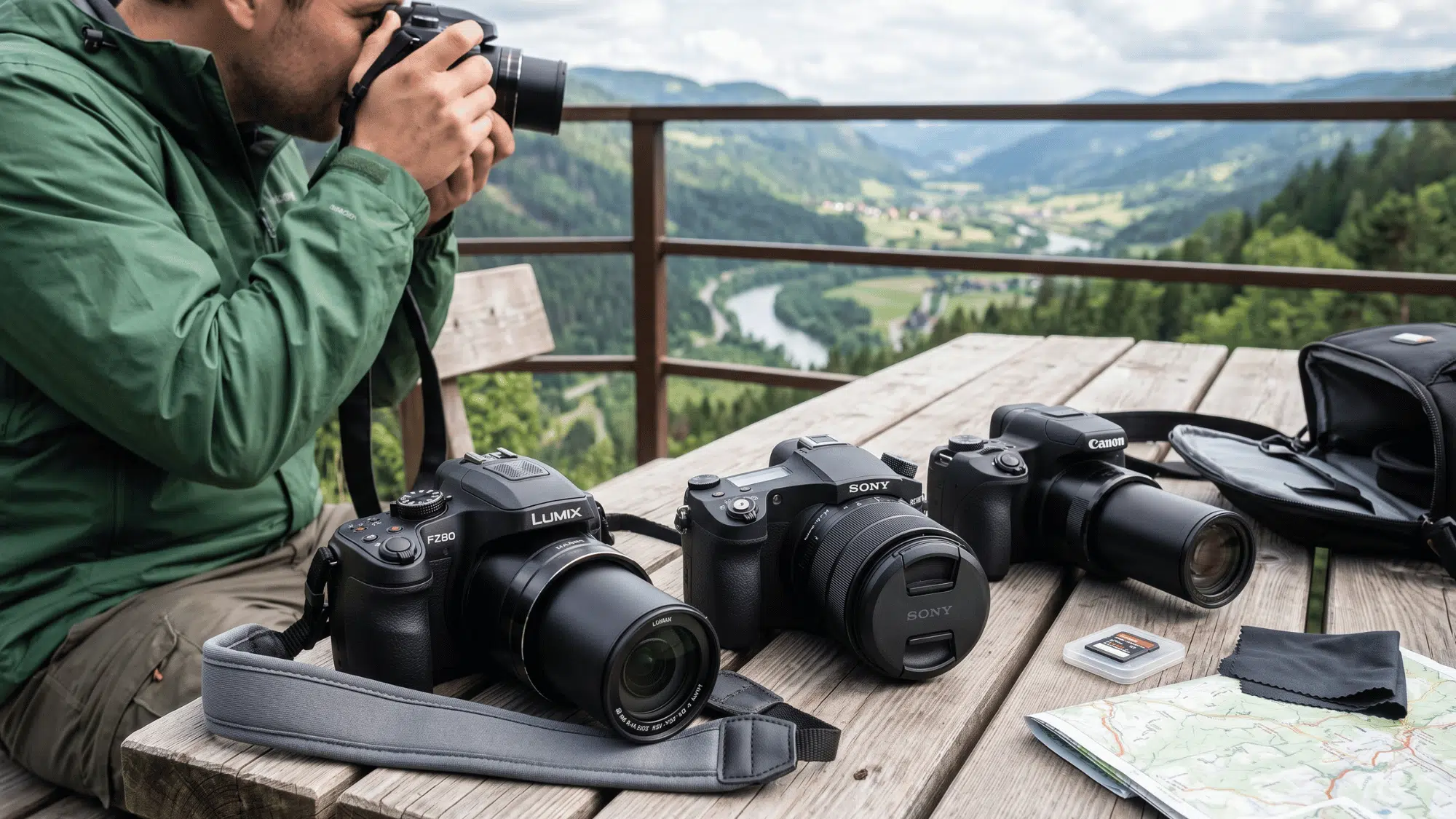
Bridge cameras are a hybrid between compact cameras and DSLRs, offering advanced features with a fixed lens. They are designed to provide versatility without the need for interchangeable lenses.
These cameras feature powerful zoom, manual controls, and good image quality. They are ideal for users who want more control than a smartphone but less complexity than a DSLR.
- Uses: Travel photography, wildlife, general-purpose photography
- Best for: Intermediate users, hobbyists
- Product Recommendations: Sony RX10 IV, Nikon Coolpix P1000, Panasonic Lumix FZ1000 II
Beyond Photography: Other Camera Types
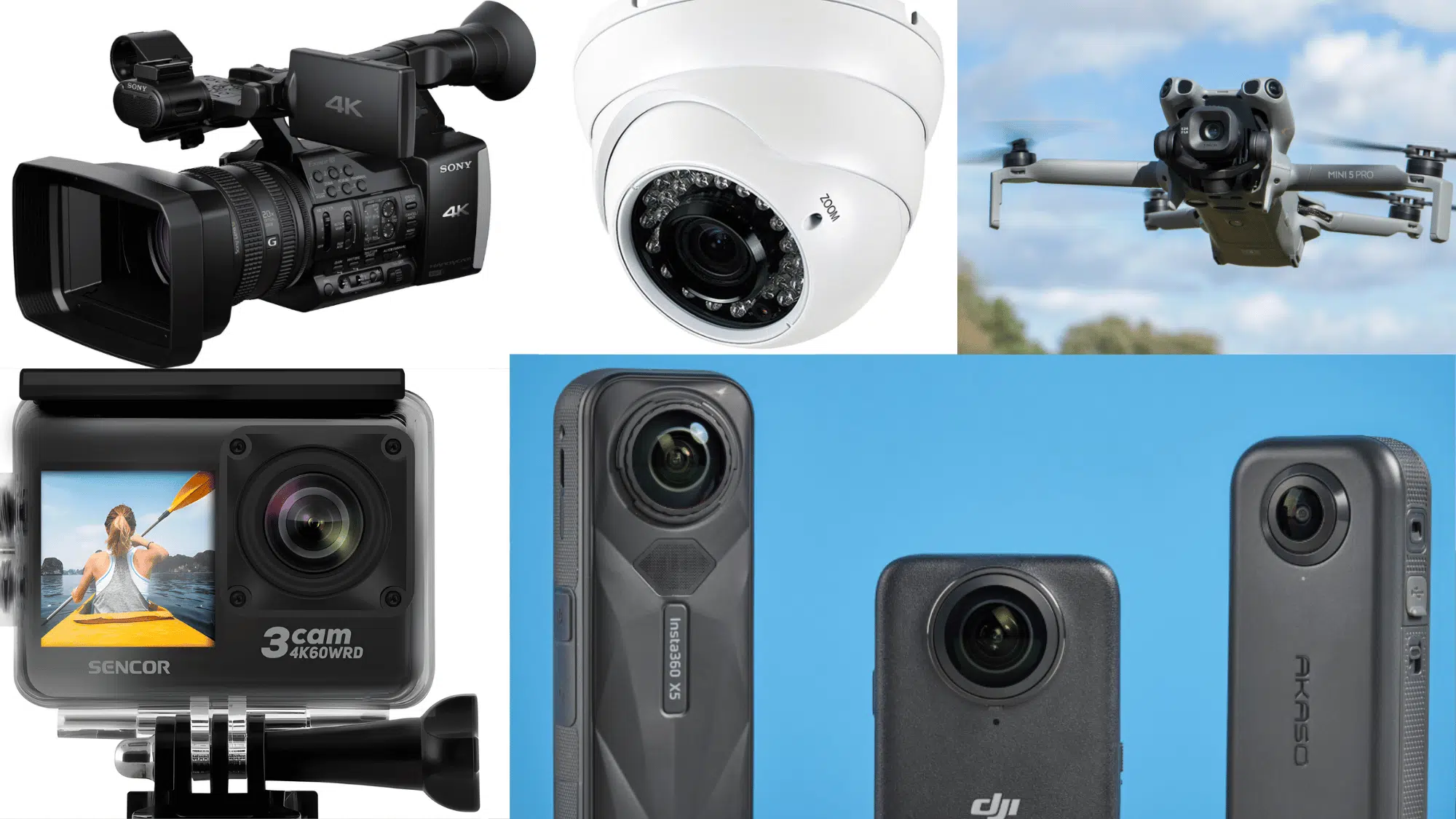
Beyond traditional photography, there are several specialized camera types designed for specific purposes such as videography, surveillance, and immersive content creation.
1. Videography Cameras
Videography cameras are specifically designed to capture high-quality video with advanced features. They support high resolutions, such as 4K, and deliver smoother frame rates.
These cameras include features such as stabilization, external audio support, and advanced color profiles. They are widely used by filmmakers, vloggers, and content creators.
2. Action Cameras
Action cameras are compact, rugged devices designed to capture video in extreme conditions. They are usually waterproof, shockproof, and designed for outdoor use.
These cameras come with wide-angle lenses to capture immersive footage. They can be easily mounted on helmets, bikes, or gear.
3. Drone Cameras
Drone cameras are attached to flying devices that capture aerial photos and videos.
They offer unique perspectives not possible with handheld cameras. These cameras feature stabilization systems for smooth, steady footage. They are commonly used in filmmaking, real estate, and travel content.
4. 360-Degree Cameras
360-degree cameras capture everything around them in a full spherical view. They use multiple lenses to create immersive photos and videos.
These cameras are popular for virtual reality and interactive content. Users can explore scenes from different angles after recording. They are widely used in virtual tours and creative storytelling.
5. Security Cameras (CCTV)
Security cameras are designed for surveillance and monitoring purposes.
These cameras are commonly used in homes, offices, and public spaces. Their main purpose is to enhance safety and security. They are not intended for creative photography or videography.
Camera Accessories You Might Need
The right accessories can improve your photography and make your camera easier to use. Even simple add-ons can enhance quality, stability, and overall shooting experience.
- Tripod: Keeps your camera steady for sharp photos and long exposures.
- Extra Batteries: Helps you shoot longer without worrying about power.
- Memory Cards: Stores photos and videos; faster cards improve performance.
- Camera Bag: Protects your gear and makes it easy to carry.
- External Flash: Improves lighting in low-light conditions or indoor shoots.
- Lens Filters: Reduce glare, protect the lens, and improve image quality.
- Cleaning Kit: Keeps lenses and sensors free from dust and smudges.
- Remote Shutter Release: Prevents camera shake when taking photos.
Wrapping It Up
There is a perfect camera out there for every kind of photographer, and now you have everything you need to find yours.
If you go for something compact and easy to carry around or invest in something more professional, what matters most is that it feels right in your hands and fits the kind of photos you want to take.
Do not get too caught up in specs, price tags, and endless comparisons. The best camera is honestly the one you will actually pick up and use every single day.
So take what you have learned, trust your instincts, and go find the camera that makes you excited to shoot. Your best photos are still ahead of you!