




At first glance, Straight Talk can seem like just another low-cost carrier. But once you look closer, the way it works is quite different from traditional mobile plans.
This guide breaks down what Straight Talk is, how it runs on another company’s network, and why speeds and performance can change depending on usage and location.
I will also walk through what you actually get in the plans and where the trade-offs show up in real use.
By the end, you will have a clear understanding of how it fits into today’s mobile options and what to expect before choosing it.
What is Straight Talk?
Straight Talk is a prepaid wireless carrier, also known as an MVNO (Mobile Virtual Network Operator).
That means it does not run its own cell towers. Instead, it provides service by using the network of a larger company.
Straight Talk is owned by Verizon through its acquisition of TracFone, which was the original parent company. Even after the acquisition, Straight Talk continues to operate as a separate prepaid brand.
This setup allows Verizon to serve budget-focused users without combining them with its premium postpaid plans.
In the past, Straight Talk operated across multiple networks, including AT&T and T-Mobile, depending on the SIM card used.
Today, it primarily runs on Verizon’s network after the TracFone acquisition, which has simplified how the service is delivered.
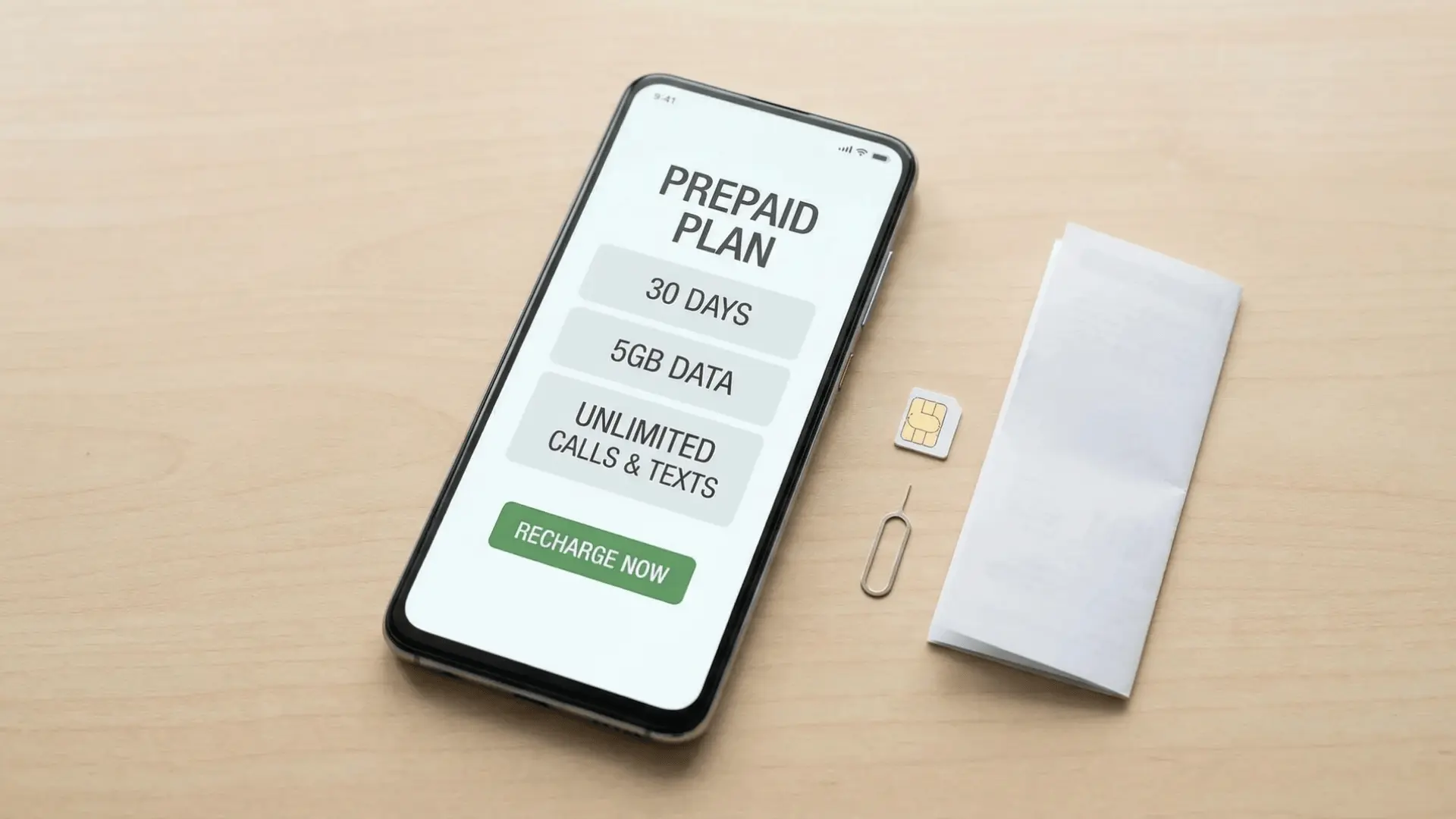
The service follows a pay-before-use model. You choose a plan and pay upfront, usually for 30 days. There are no contracts, no credit checks, and no long-term commitment. If you stop paying, the service simply ends.
Straight Talk is sold mainly through Walmart stores, Walmart’s website, and its own website. This retail-focused approach keeps it accessible and easy to start.
I’ve heard people say that Straight Talk is a full network provider like Verizon or AT&T, but it’s not. It borrows network access instead of owning infrastructure.
Straight Talk falls into the category of low-cost, prepaid carriers that trade lower prices for fewer guarantees of speed and priority.
How Straight Talk Actually Works (Behind the Scenes)
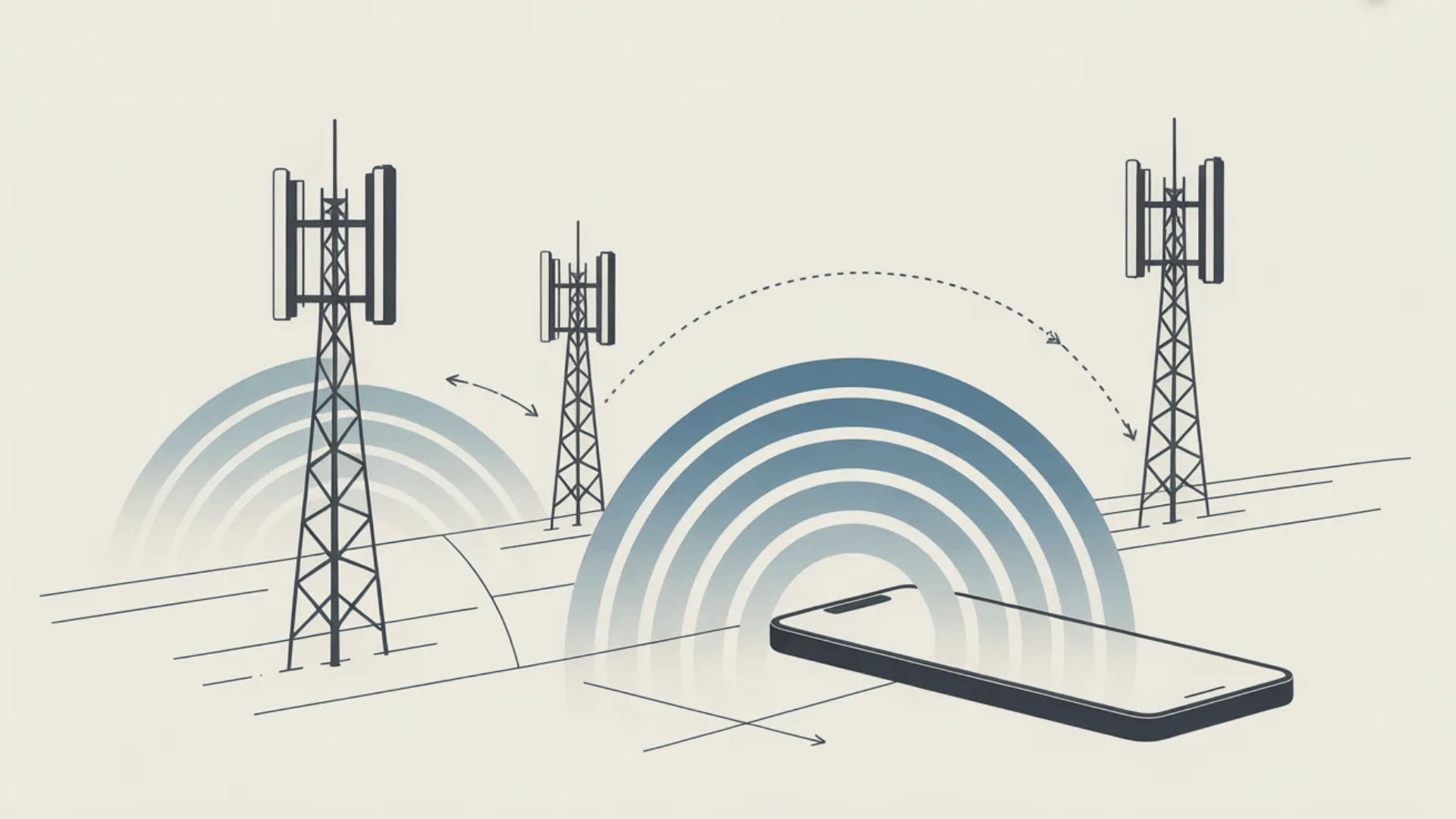
This section explains how Straight Talk operates behind the scenes, so you can understand why its performance and pricing differ from traditional mobile carriers.
MVNO Model Explained
Running a nationwide mobile network requires massive investment in towers, spectrum, and maintenance. To avoid that cost, some companies choose to lease access rather than build infrastructure.
Straight Talk follows this model. It buys network access from Verizon (and sometimes other networks) and resells it under its own brand.
The result is simple: You get the same geographic coverage as major carriers, but not the same level of service priority.
When the network is busy, the main carrier’s direct customers are served first. Straight Talk users may see slower speeds during those times.
Prepaid System vs. Traditional Plans
Traditional mobile plans often involve contracts or postpaid billing. That creates risk for the provider if users don’t pay. Straight Talk avoids that by using a prepaid system.
Here’s how it works:
- You pay upfront for a fixed period, usually 30 days
- Your service is active only for that period
- There are no contracts, no credit checks, and no monthly bills
The outcome is straightforward:
- You have full control over spending
- But if you don’t renew on time, service stops immediately
There is no grace period like in postpaid plans.
What Happens when You Use Data
Mobile data on Straight Talk is not truly unlimited in practice. It follows a tiered system.
First, you get high-speed data up to a limit. After that:
- Speeds are reduced (this is called throttling)
- Basic tasks may still work, but heavy use becomes difficult
When many people are using the network at the same time:
- Verizon gives priority to its direct customers
- Straight Talk users may experience slower speeds even before hitting limits
This becomes noticeable in crowded cities, during concerts, sports events, and festivals, and during peak hours of the day, when network demand is high.
So even though coverage stays the same, performance can vary depending on network load and your usage level.
What You Get with Straight Talk Plans
Straight Talk plans cover the core features most people need. The difference is not in what’s included, but in how those features behave under limits and network conditions.
Here’s a clear breakdown:
| Feature | What You Get | Limitation |
|---|---|---|
| Unlimited Talk and Text | Calls and SMS are unlimited and work like standard service | No major limitations in normal use |
| Data Structure | A fixed amount of high-speed data is included each cycle | Speeds are reduced after the limit (throttling, meaning slower speeds after a usage cap) |
| “Unlimited” Data Reality | Data continues after the high-speed cap | Heavy usage becomes difficult after slowdown (due to throttling and deprioritization, meaning slower speeds during congestion) |
| Mobile Hotspot | Available on select plans with a set hotspot data allowance | Slows down or stops after the hotspot limit is reached |
| International Calling | Included in some plans for selected countries | Broader access is limited to higher-tier plans |
| Overall Usage Fit | Works well for calling, messaging, browsing, and light streaming | Not ideal for heavy users needing steady high speeds (performance may drop during network congestion) |
Understanding this helps you set the right expectations. On paper, the features look similar to major carriers. In real use, limits like throttling and deprioritization affect how consistent the experience feels.
Network Coverage and Performance Explained
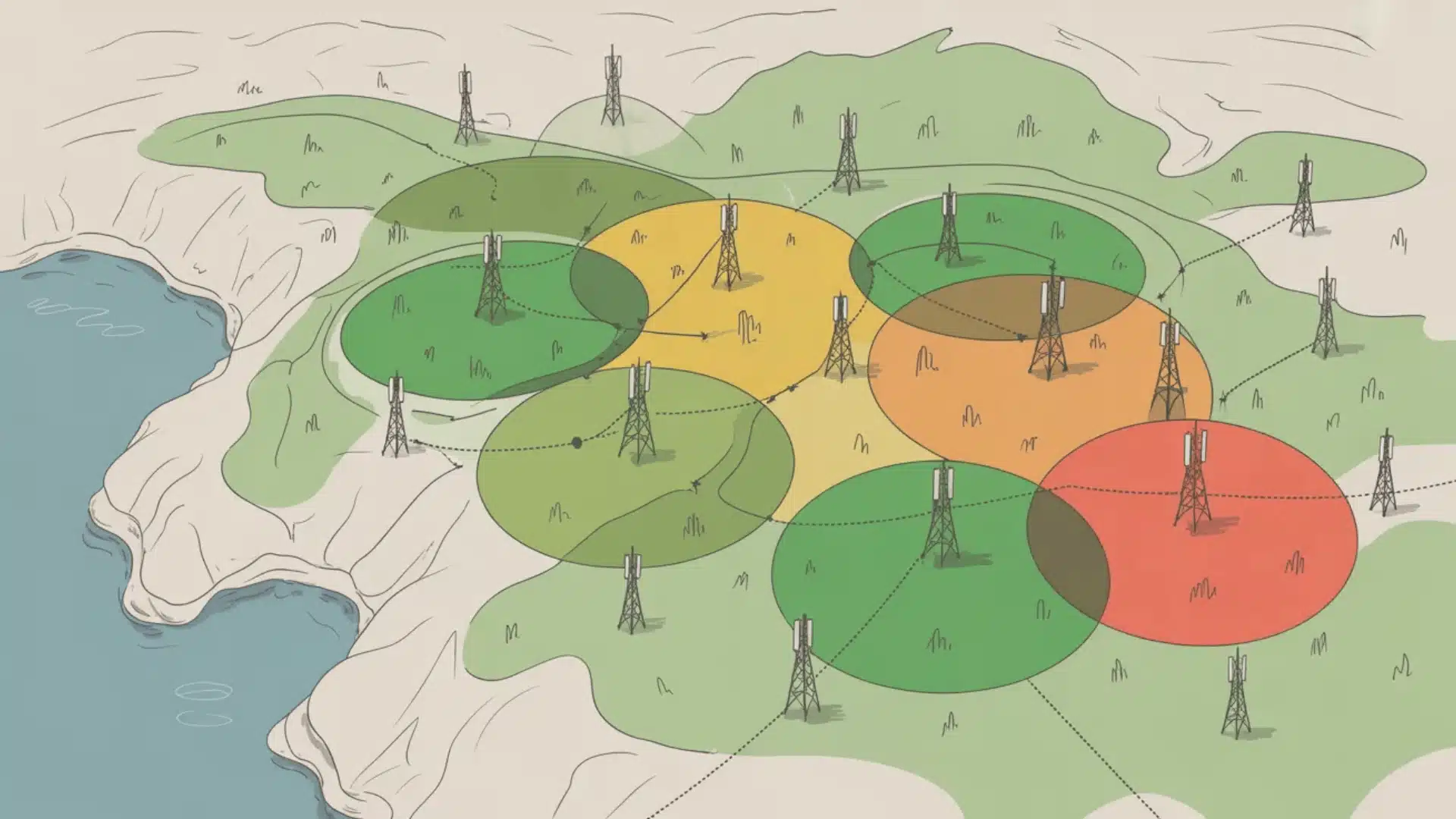
Straight Talk runs on Verizon’s 4G LTE and 5G networks, which means it uses the same towers and has wide coverage across most areas.
This is why users usually get a strong signal in cities, towns, and along highways. However, having the same network does not mean the same performance.
Speeds can vary because Straight Talk users are given lower priority compared to Verizon’s direct customers. This lower priority is called deprioritization.
When the network is busy, Verizon customers get faster access, while Straight Talk users may experience slower speeds.
Network congestion also affects performance. When many people use the network at the same time, available bandwidth is divided, reducing speed.
You will notice slower performance mostly in crowded cities, during peak hours, or at large events like concerts and sports games.
So even with a full signal, speed can still drop depending on demand.
Why Straight Talk Is Cheaper than Major Carriers
Straight Talk keeps its pricing lower by cutting down on major costs that traditional carriers usually carry.
- No Infrastructure Costs: Uses Verizon’s network, so it avoids building and maintaining towers
- No Contracts or Billing Risk: Users pay upfront, so there is no risk of unpaid bills
- Lower Investment in Extras: Keeps costs down by offering limited customer support and fewer premium features
- Trade-Off Mechanism: Lower cost results in lower network priority and fewer perks
- What This Means for Users: Offers strong value for budget users, but may not suit those needing premium performance
In simple terms, you pay less by giving up some level of speed consistency, support, and premium benefits.
Who Straight Talk is Best For (and Who It is Not For)
Choosing the right carrier depends on how you use your phone day to day and how much consistency you expect from your connection.
| Category | Best For | Not Ideal For |
|---|---|---|
| Usage Type | People who use a moderate amount of data and stay within high-speed limits | Heavy users who rely on constant high-speed data throughout the day |
| Budget | Those looking for a lower-cost plan with no contracts or long-term commitment | Those willing to pay more for premium features and stable performance |
| Flexibility | Users who want full control with prepaid plans and easy switching | Users who prefer predictable billing and uninterrupted service |
| Performance Needs | Everyday tasks like calling, texting, browsing, and casual streaming | Data-heavy activities like HD streaming, gaming, and large downloads |
| Network Conditions | Areas with lower congestion where speeds remain more stable | Busy locations, peak hours, or events where speeds may slow down |
This breakdown helps you match your usage habits with what Straight Talk can realistically deliver.
Common Misconceptions About Straight Talk
Many misunderstandings about Straight Talk come from how its plans are presented compared to how they actually work.
- Unlimited means unlimited high-speed: High-speed data is capped, and speeds are reduced after the limit
- Same as Verizon: Uses the same network, but a lower priority leads to slower speeds during congestion
- No contracts means no limitations: No contracts, but limits still exist through throttling and deprioritization
- Reality Check: Marketing highlights benefits, but actual performance depends on usage, limits, and network conditions
Understanding these differences helps set realistic expectations and avoid surprises after using the service.
Wrapping Up
Now you have a complete understanding of what Straight Talk is and how it operates in the real world. It offers solid coverage and lower pricing, but with trade-offs in speed and priority.
For users with moderate needs, it can be a reliable and cost-effective option. For heavier usage, those limits become more noticeable over time.
Use this guide to evaluate your needs and decide if Straight Talk is the right fit before making a switch.
Frequently Asked Questions
Does Straight Talk require a contract?
No, Straight Talk is fully prepaid. You pay upfront for service, and there are no contracts, credit checks, or long-term commitments required.
Is Straight Talk really unlimited?
Straight Talk offers unlimited plans, but high-speed data is capped. Once the limit is reached, speeds are reduced, slowing down heavy activities like streaming or downloading.
Why does Straight Talk slow down sometimes?
Speeds can drop due to network congestion and deprioritization. During busy periods, Verizon prioritizes its direct customers, which can slow down Straight Talk users.