




Most people assume better audiophile headphones simply mean spending more money, but sound quality depends equally on tuning, comfort, listening habits, and setup compatibility.
The best audiophile headphones can sound incredible in the right setup and surprisingly underwhelming in the wrong one.
Many first-time buyers choose highly praised models, plug them into a phone or laptop, and end up hearing flat or harsh sound.
Even expensive headphones involve trade-offs between detail, warmth, soundstage, isolation, and long-session comfort. That is why choosing the right pair matters more than chasing rankings.
What Makes Different Audiophile Headphones Sound Different?
Audiophile headphones prioritize accuracy over exaggerated bass or treble — but accuracy still sounds different depending on four key variables.
Driver Type
- Dynamic drivers use a moving coil inside a magnetic field, producing warm, punchy, natural sound with real weight behind bass notes. The HD 600 and HD 800 S both use dynamic drivers.
- Planar magnetic drivers spread the signal across a thin membrane between magnets, delivering faster response, tighter bass, and cleaner separation. The trade-off is usually more weight and higher price.
Open-Back vs. Closed-Back
- Open-back headphones let air move freely around the driver, creating a wider and more natural soundstage. The downside is full sound leakage in both directions, quiet room use only.
- Closed-back headphones seal the ear completely, improving isolation and adding intimacy to the sound. Soundstage is narrower, but they work in offices, commutes, and shared spaces.
Tuning and Frequency Response
- Neutral tuning reproduces sound as close to the original recording as possible; no boosted bass, no exaggerated treble. The HD 600 is a widely cited example.
- Warmer tuning adds body to the low-mids and rolls off some treble, making long sessions more relaxed and forgiving across most genres.
- Brighter tuning emphasizes upper frequencies for more surface detail, but can turn harsh or fatiguing on poorly mastered recordings.
Wired vs. Wireless
- Wired headphones carry the signal without encoding or compression, making them the standard for critical listening at home.
- Wireless headphones process audio through Bluetooth codecs like LDAC before it reaches the driver. High-quality codecs have closed the gap, but wired still wins on raw fidelity.
Best Audiophile Headphones for Different Listening Priorities
The best audiophile headphone depends on what you value most, whether that is detail, comfort, bass, soundstage, or portability.
Best for Neutral and Balanced Sound
These headphones focus on natural vocals, balanced tuning, and fatigue-free listening.
1. Sennheiser HD 600
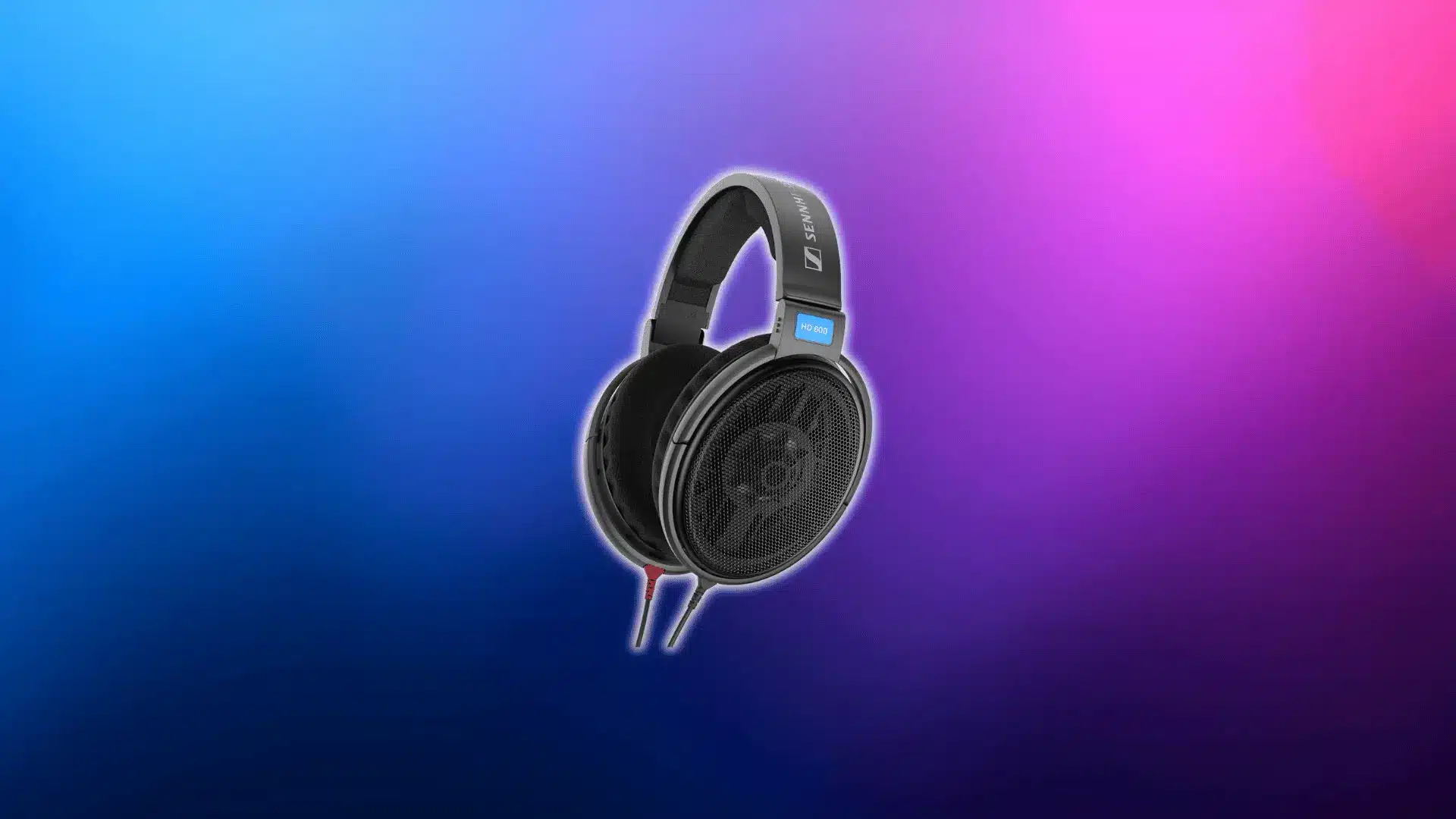
The Sennheiser HD 600 is one of the safest all-rounder audiophile headphones for balanced sound. It delivers natural vocals, controlled bass, and smooth treble without sounding overly analytical.
Its neutral tuning works especially well for acoustic, jazz, and vocal-heavy music. However, listeners wanting aggressive bass or a huge soundstage may find it slightly relaxed.
2. Sennheiser HD 6XX
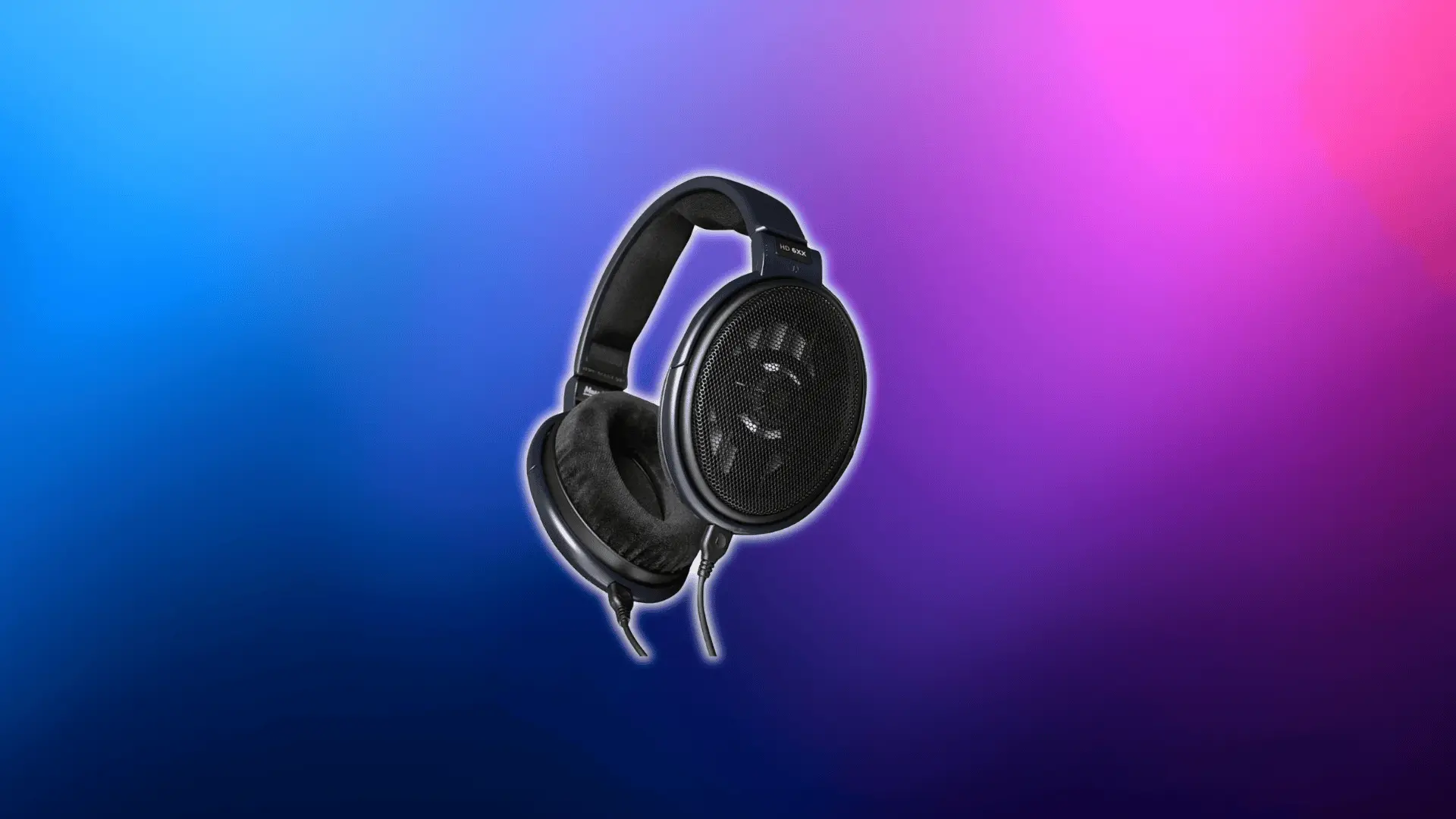
The HD 6XX offers a warmer variation of the classic HD 600 sound while remaining highly balanced and easy to enjoy for long sessions.
It delivers clean mids, smooth vocals, and strong value for beginners entering audiophile audio. Many listeners consider it one of the best entry-level upgrades from mainstream consumer headphones.
3. HiFiMan Sundara
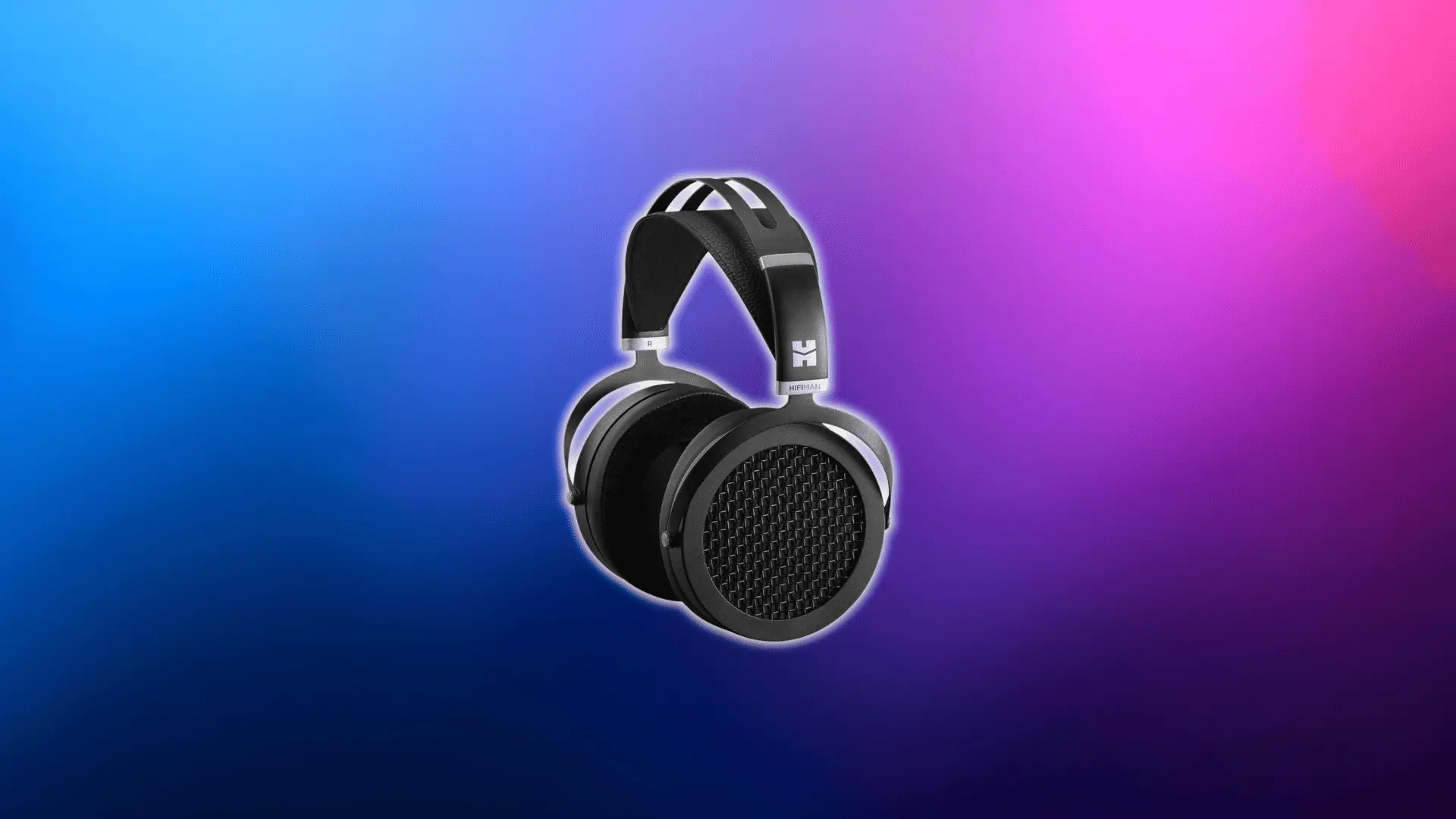
The HiFiMan Sundara is one of the most recommended entry-level planar magnetic headphones available. It delivers clean detail, a wide soundstage, and controlled bass without the harshness that cheaper planars can produce.
Its open-back design works best in quiet listening environments, and it benefits from a modest DAC or amplifier to reach its full potential.
For listeners who want planar speed and clarity without flagship pricing, it is one of the most consistent starting points in the $180–$500 range.
Best for Technical Performance and Detail
Where balanced headphones aim to sound natural, these models are tuned to reveal every layer, every micro-detail, every spatial cue in the recording.
4. Sennheiser HD 800 S
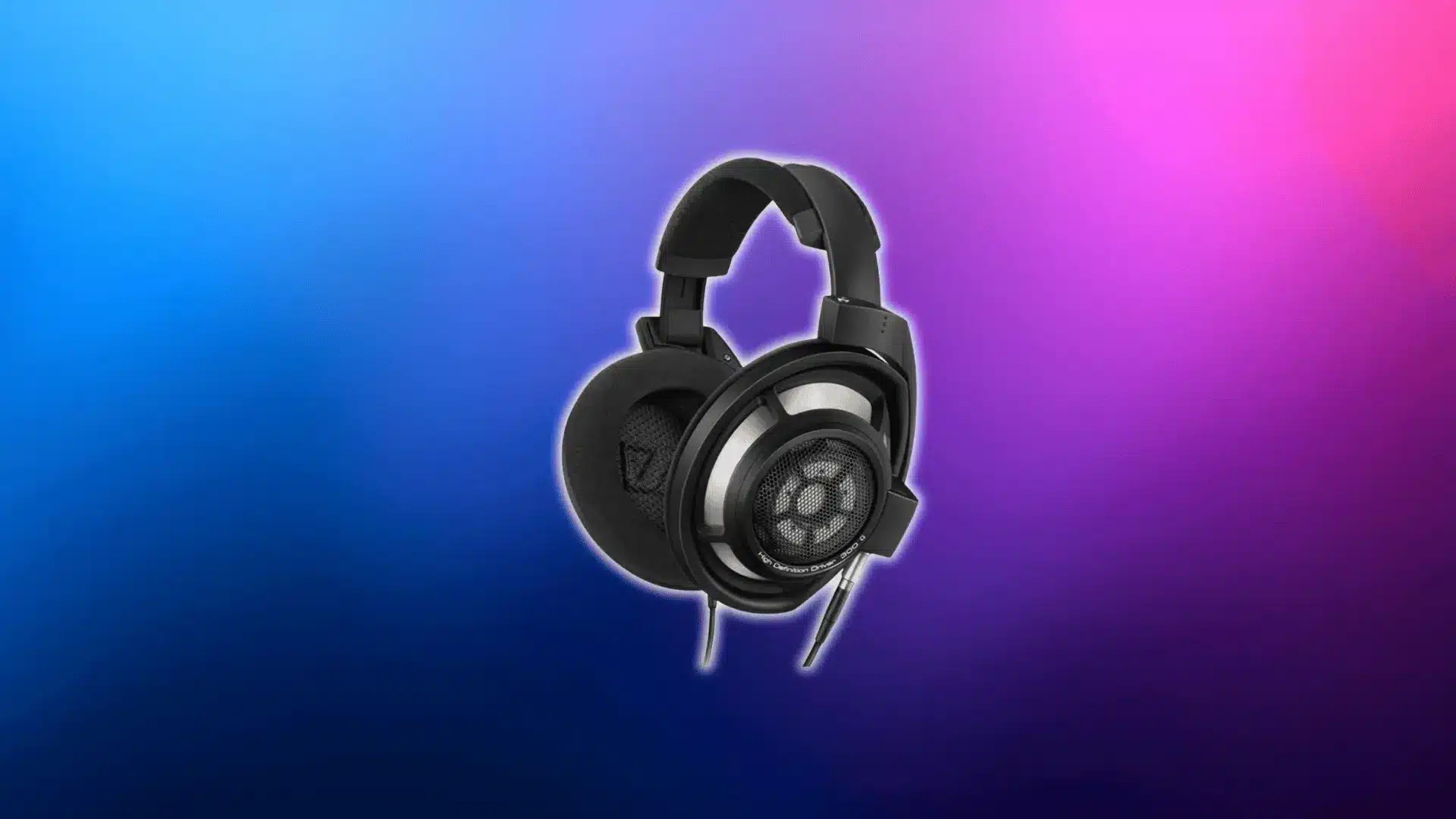
The HD 800 S is known for its massive soundstage and extremely precise imaging. It creates a spacious presentation that makes instruments feel spread naturally across the mix, which works especially well for orchestral and critical listening.
Some listeners, though, may find its analytical tuning slightly clinical for relaxed everyday music sessions.
5. Focal Utopia
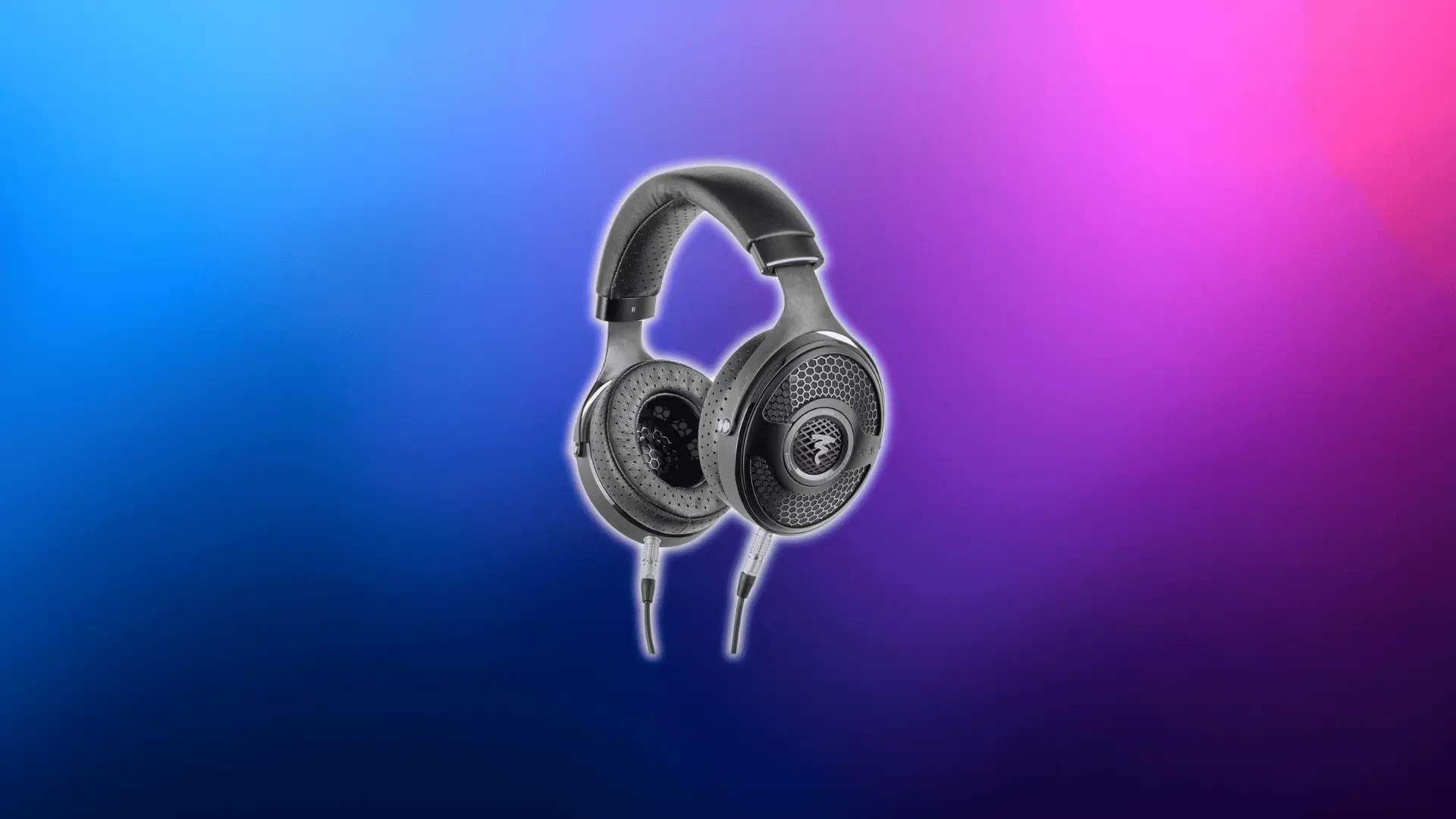
The Focal Utopia is a flagship headphone from Focal known for exceptional clarity, dynamics, and instrument separation while sounding more intimate than the HD 800 S. It delivers highly resolving sound without feeling overly spacious.
Many listeners love its realism and speed, though others may still find its technical presentation too revealing or intense for relaxed listening sessions.
6. Audeze LCD-5
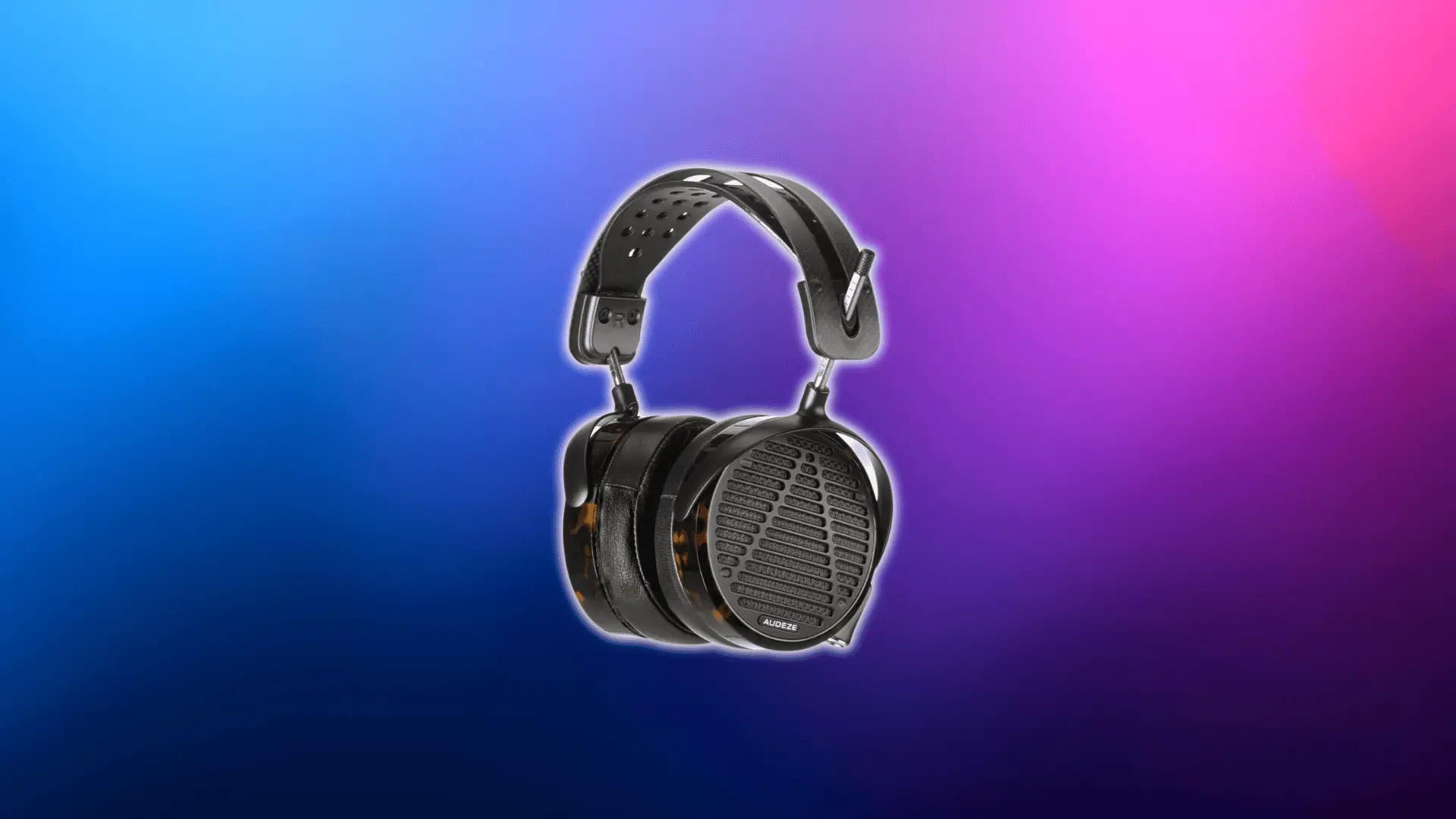
The Audeze LCD-5 is a flagship planar magnetic headphone from Audeze known for excellent layering, micro-detail, and clean instrument separation.
It delivers fast response and tight bass control, making it ideal for critical listening. However, its analytical sound may feel too intense for listeners who prefer a smoother or more relaxed presentation.
Best for Comfort and Long Listening Sessions
These headphones focus more on smooth tuning and physical comfort than aggressive technical detail.
7. Meze 109 Pro
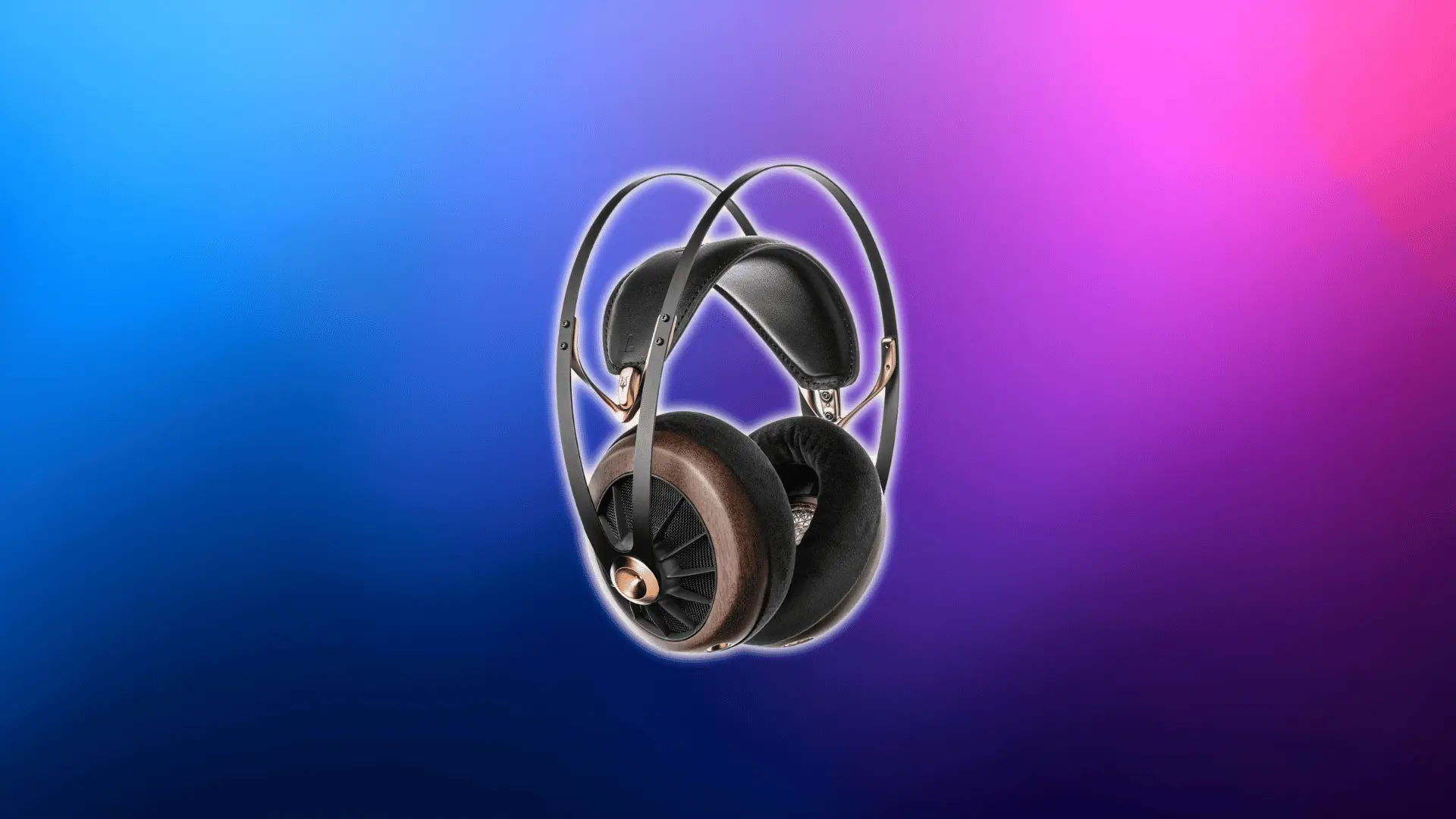
The Meze 109 Pro combines lightweight comfort with a smooth and musical sound signature. Its softer presentation makes long listening sessions easier without sounding dull or muddy.
Many listeners prefer it for casual audiophile listening because it balances detail and warmth without becoming harsh or fatiguing over time.
8. Dan Clark Audio Aeon 2
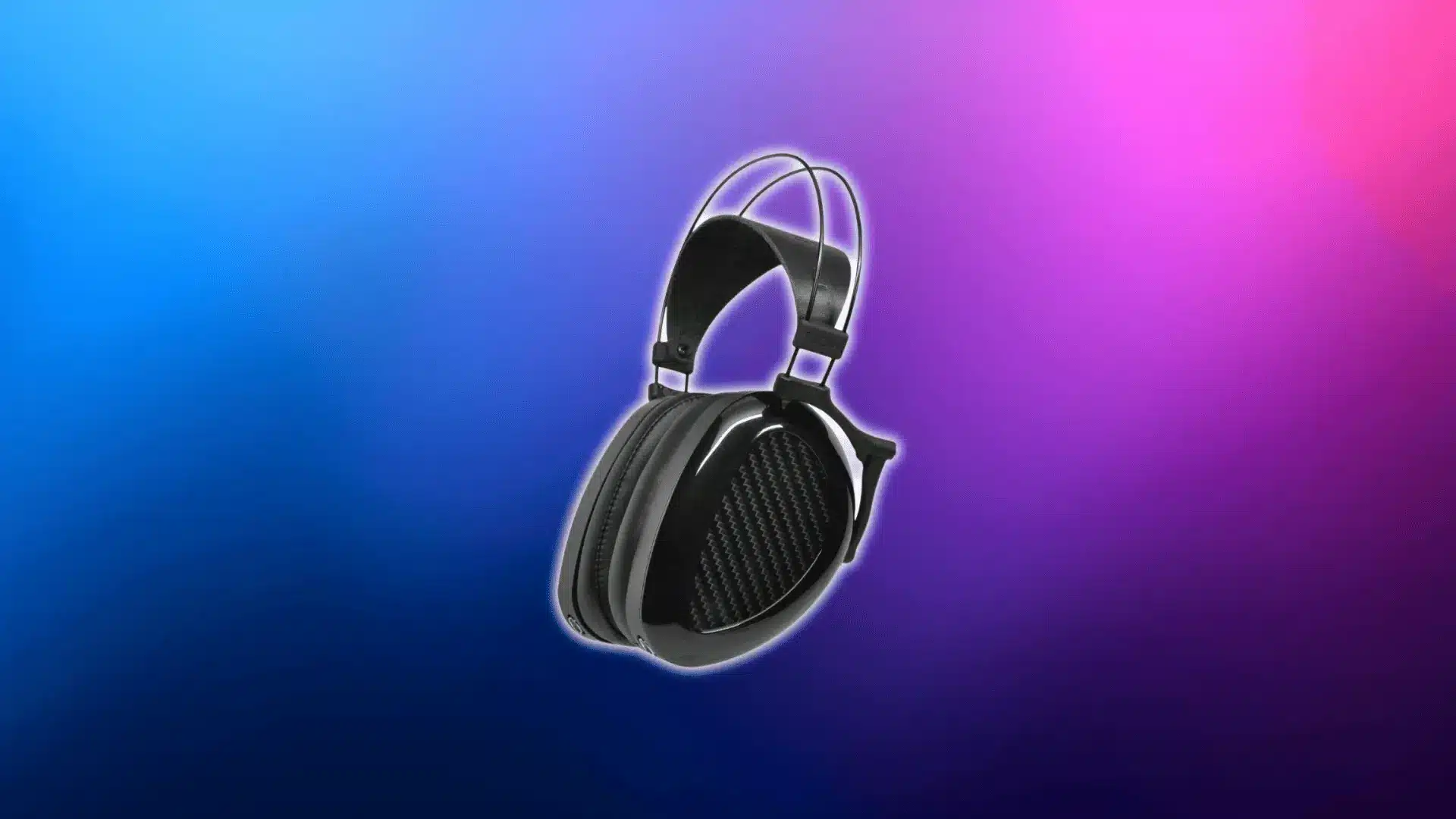
The Aeon 2 is known for its lightweight folding design, balanced tuning, and excellent long-session comfort.
It delivers clean separation and controlled bass without excessive sharpness in the treble. Its portable design also makes it more practical than many large open-back audiophile headphones used strictly for desktop listening.
Best Wireless Audiophile Options
These headphones balance convenience and portability with strong sound quality.
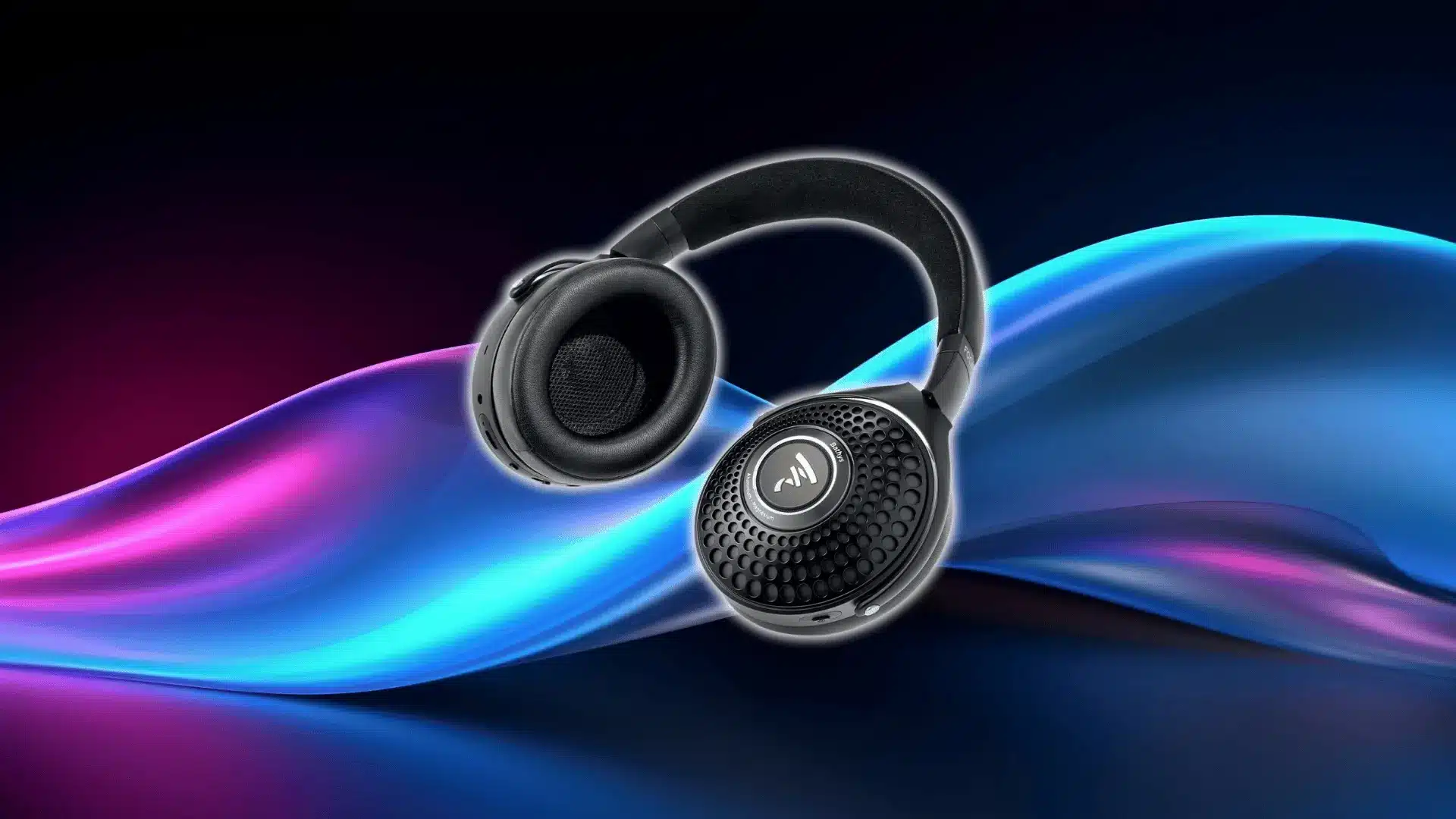
9. Focal Bathys
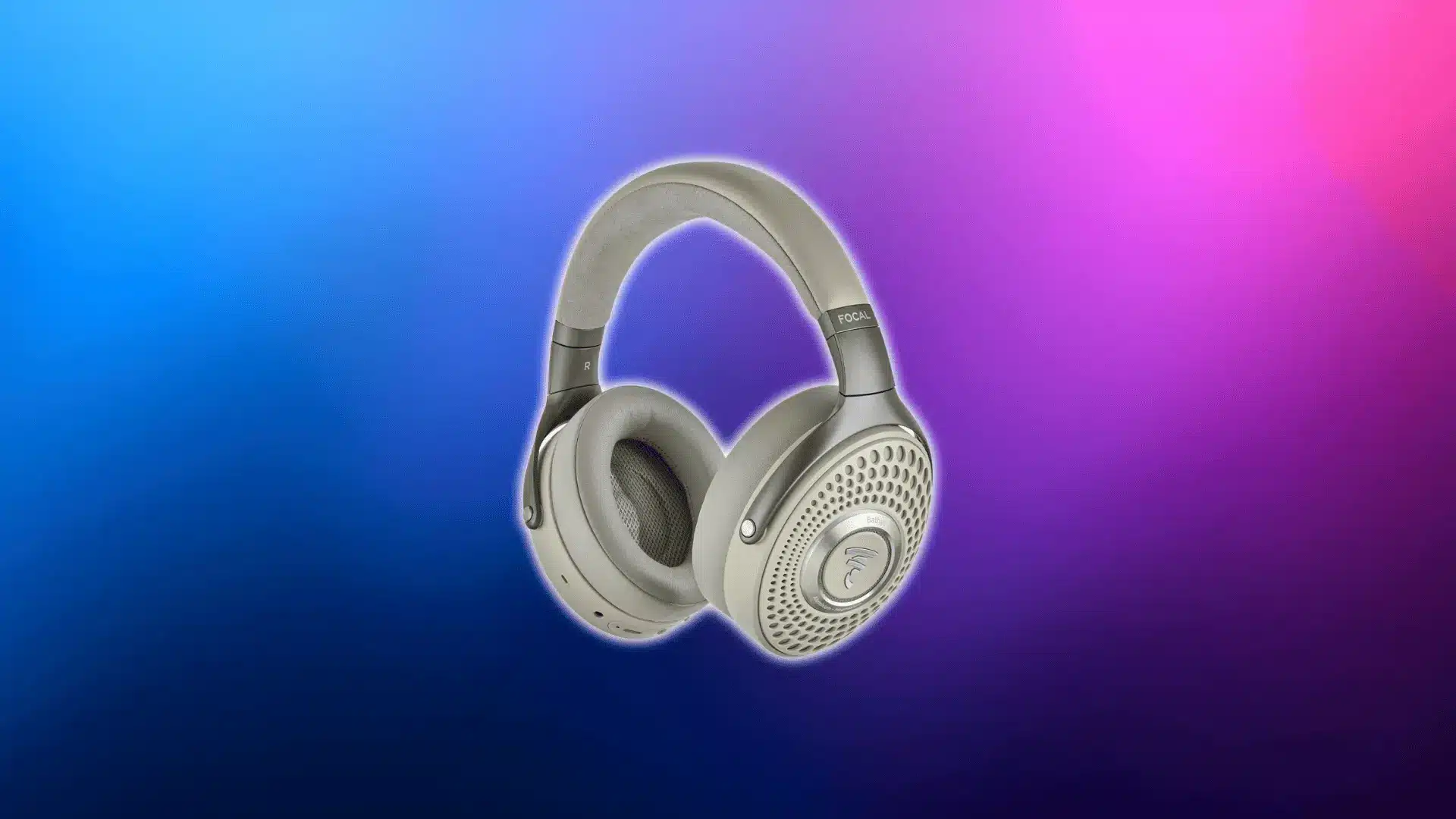
The Focal Bathys is one of the strongest wireless audiophile headphones available today. It combines detailed sound, balanced tuning, and active noise cancellation while maintaining noticeably better clarity and separation than most consumer wireless models.
Wired headphones still outperform them technically, Bluetooth codecs like aptX Lossless and LDAC have reduced compression artifacts noticeably, but wired connections still carry more signal data with zero latency or encoding loss.
10. Sennheiser Momentum True Wireless 4
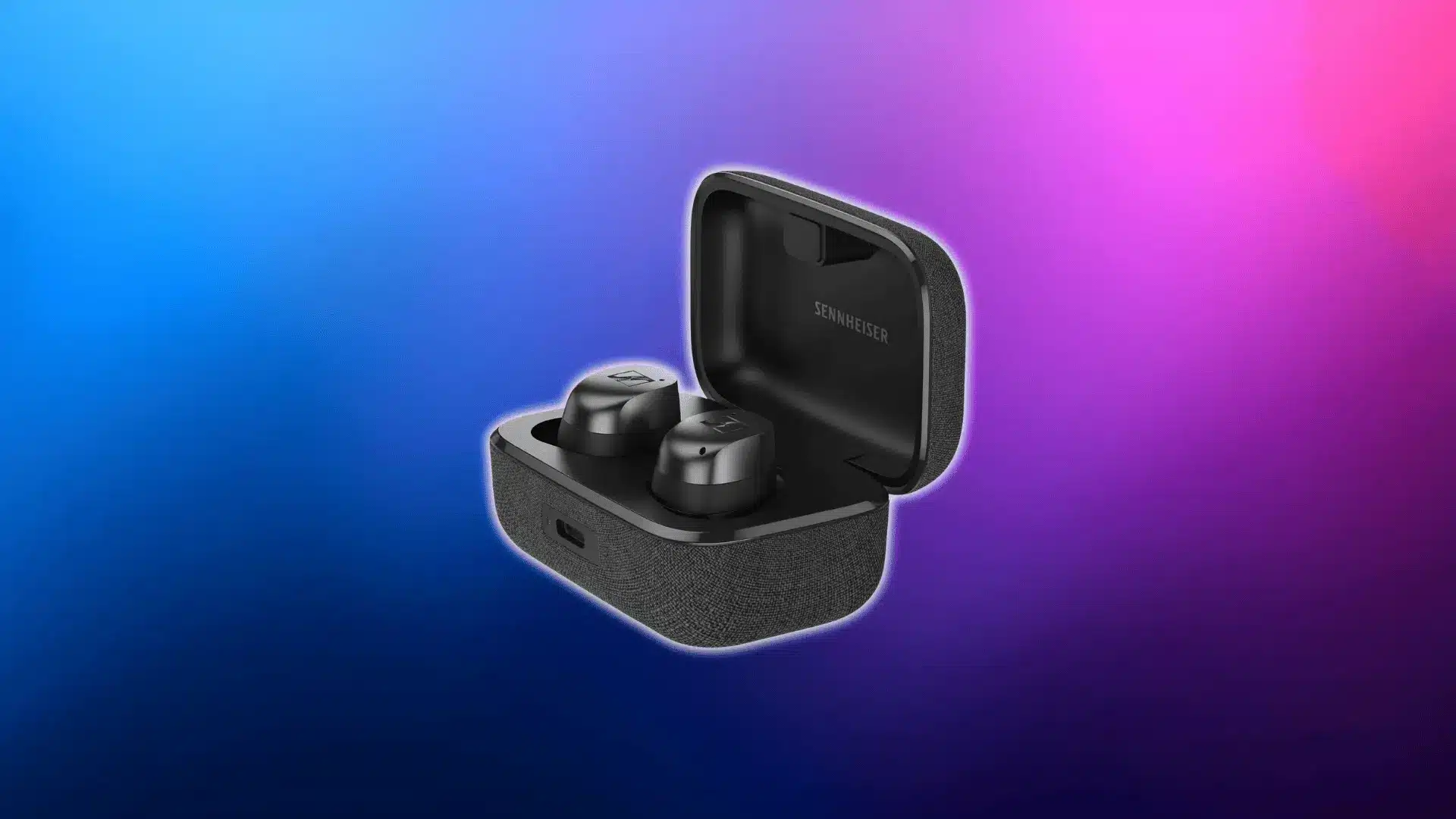
The Momentum True Wireless 4 offers strong everyday sound quality with controlled bass, clean vocals, and good portability.
It works especially well for commuting and casual listening while sounding more refined than most mainstream wireless earbuds. However, it still cannot fully match the openness and imaging of dedicated wired audiophile headphones.
What Should You Check Before Buying Audiophile Headphones?
Picking the wrong headphone for your setup is one of the most common mistakes new buyers make. These six factors will save you from spending big and hearing disappointing sound.
1. Impedance and Power Needs
Impedance is the first thing to check, and most buyers skip it entirely. High-impedance headphones like the HD 600 and HD 800 S are rated at 300Ω. They need more voltage than a phone or laptop can provide.
Without the proper power, the sound becomes weak, with loose bass and flat dynamics.
A dedicated DAC/amp, like the FiiO KA11, can fix this and improve sound quality for under $30. Low-impedance headphones (under 50Ω) typically work fine with just a phone.
2. Source Device Compatibility
Not all headphones need extra gear, but understanding which ones do can save you frustration.
Headphones like the HiFiMan Sundara (60Ω) work well with most devices. Power-hungry models like the HD 800 S or Audeze LCD-5 can still play music from a laptop, but you won’t get the best performance.
If you don’t have a dedicated amp yet, choose headphones with lower impedance that perform better with portable sources.
3. Comfort for Long Sessions
Sound quality doesn’t matter if the headphones are uncomfortable after 45 minutes. Factors like weight, clamp force, ear pad material, and heat buildup affect comfort during long listening sessions.
Heavy headphones like the LCD-5 can be tiring, while lighter options like the Dan Clark Audio Aeon 2 and Meze 109 Pro are designed for extended wear.
If possible, try headphones on before purchasing to ensure they’re comfortable.
4. Listening Environment
Open-back headphones are not always the best choice. In a quiet room, open-back models deliver a natural, wide soundstage. However, they leak sound, making them impractical in noisy places like offices or during commutes.
Closed-back headphones offer better isolation and work well in real-world environments, although they sacrifice some soundstage width.
5. Music Genre Compatibility
Different headphones are tuned for different music styles. Neutral headphones like the HD 600 are versatile across genres but can feel less impactful for bass-heavy music.
Warmer headphones are better suited for rock, hip-hop, and electronic genres.
Highly analytical headphones like the HD 800 S highlight every detail, making them perfect for orchestral or acoustic music but less forgiving with poor-quality tracks.
6. EQ and Sound Preference
Most audiophile headphones respond well to EQ adjustments, but some are better than others.
The HiFiMan Sundara and HD 6XX are both EQ-friendly, meaning you can tweak bass or treble without distortion.
If you plan to use EQ, check resources like the AutoEQ database or Oratory1990’s measurements for starting curves specific to your model.
How Much Do You Need to Spend Before Diminishing Returns Kick In?
Spending more usually improves sound quality, but the biggest upgrades happen in the lower and mid-tier ranges.
What Improves First When You Upgrade
The first upgrades usually improve clarity, separation, and tonal balance. Vocals sound cleaner, bass feels tighter, and instruments become easier to distinguish within the mix.
Headphones like the Sennheiser HD 6XX in the $200–$250 range already deliver a noticeable improvement over most mainstream consumer headphones.
Where Mid-Tier Headphones Usually Peak
Mid-tier headphones often give the best balance between performance and value. Models like the HiFiMan Sundara in the $300–$500 range improve soundstage, detail retrieval, and bass control without reaching flagship pricing.
| Tier | Typical Price Range | What Most Users Notice |
|---|---|---|
| Entry-Level Audiophile | $150–$300 | Cleaner vocals, better balance, clearer separation |
| Mid-Tier Refinement | $300–$800 | Wider soundstage, better detail, tighter bass |
| Flagship Tier | $1,000–$5,000+ | Better imaging, layering, texture, micro-detail |
Why Flagship Headphones Become Preference-Driven
Flagship models like the Focal Utopia and Audeze LCD-5 can cost anywhere from $3,000 to over $5,000, but the improvements are usually subtle rather than dramatic.
At this level, headphones become more about tuning philosophy and listening preference than universal superiority.
Some listeners prefer the ultra-analytical detail of flagship models, while others still enjoy the smoother presentation of mid-tier headphones more.
Conclusion
The best audiophile headphones are not always the most expensive or most technical. Sound preference, comfort, listening habits, and setup compatibility matter just as much as raw performance.
Some listeners prefer neutral tuning and detail, while others enjoy warmer and more relaxed sound signatures.
That is why choosing the right pair matters more than chasing rankings or flagship pricing.
The right audiophile headphones should match how and where music is actually enjoyed. Compare different sound signatures carefully before making a purchase.
Frequently Asked Questions
Do audiophile headphones sound better than regular headphones?
Audiophile headphones focus on balance, clarity, and separation instead of boosted bass. Many listeners hear more detail and realism, but sound preference still depends on personal taste.
Can you use audiophile headphones with a phone?
Yes, but some high-impedance headphones may sound weak without a DAC or amplifier. Easier-to-drive models usually work fine directly from phones or laptops.
Why do audiophiles prefer wired headphones?
Wired headphones avoid Bluetooth compression and usually deliver more consistent sound quality. They also work better with dedicated amplifiers for critical listening setups.
What is the best beginner audiophile headphone?
The Sennheiser HD 600 and HD 6XX are popular beginner choices because they offer balanced sound, strong detail, and long-term comfort without flagship pricing.