

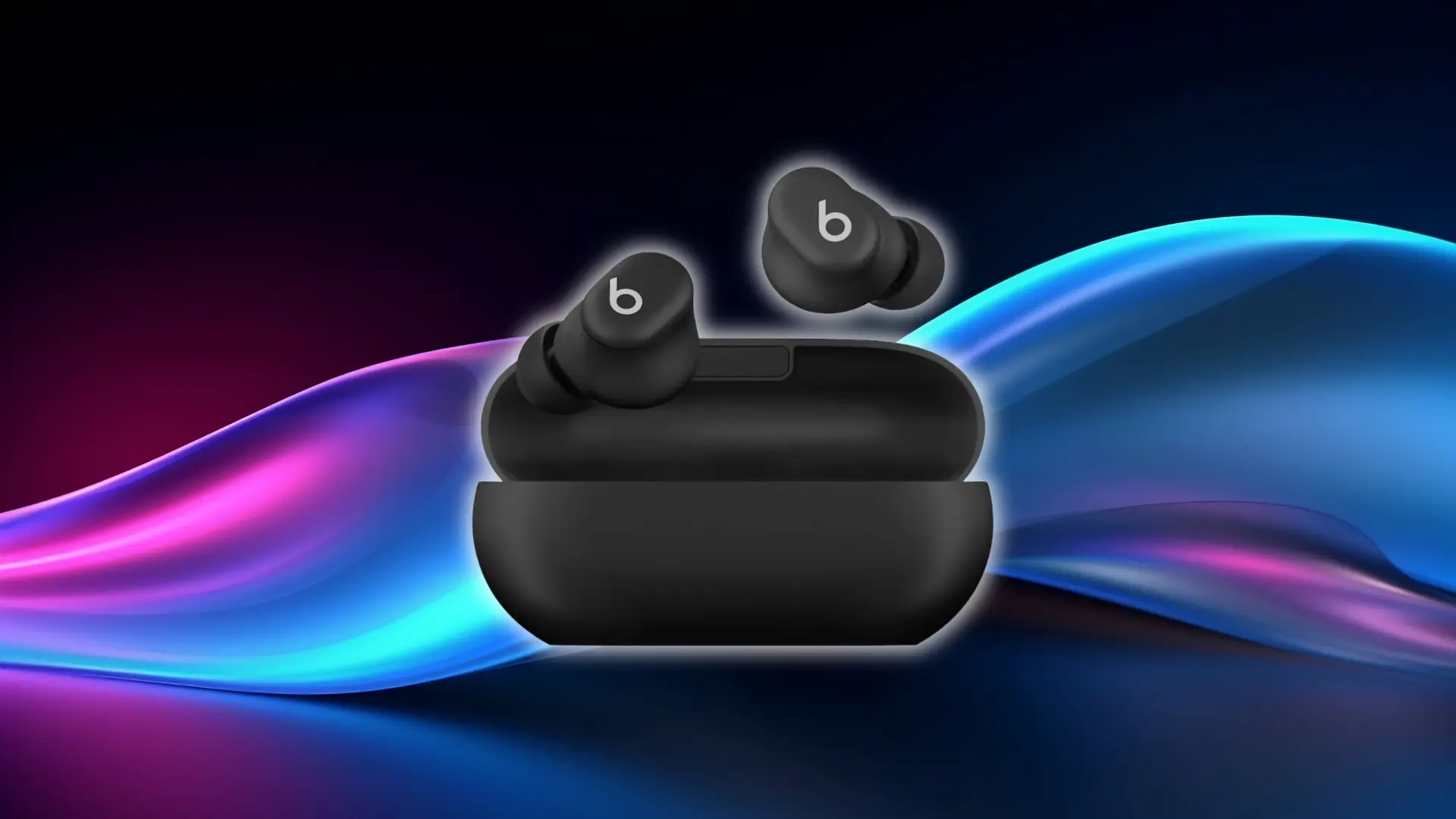

Most wireless earbuds treat battery life as an afterthought, something to list in the specs and quietly apologize for in practice. The Beats Solo Buds treat it as the entire product decision.
At $79, the Beats Solo Buds don’t try to compete on features. They make a calculated subtraction, removing what drains power and costs money, and redirecting both into raw endurance.
The result is an earbud that challenges what “budget” actually means, not by doing more, but by doing less, deliberately. Here’s whether that gamble holds up.
What are the Beats Solo Buds, and Who Are They Built For?
The Beats Solo Buds are $79 wireless earbuds built around one defining constraint: no charging case. That decision is what makes everything else possible: the 18-hour continuous playback, the pocketable form factor, and the dual-layer drivers that punch above their price point.
There’s no ANC, no Transparency Mode. Those aren’t oversights. They’re the choices Beats made to keep battery life intact without inflating cost. Whether that trade works for you depends entirely on how you actually use earbuds, and that’s what this review works through.
Here’s who they’re built for:
- Commuters who need all-day battery without managing a charging case
- Office workers who wear earbuds through long desk sessions
- Light exercisers who want a secure, comfortable fit during casual workouts
- Budget-conscious listeners who prioritize sound quality and endurance over ANC
- Students who need battery that lasts through lectures, commutes, and study sessions without hunting for an outlet
If any of those sound like you, the Solo Buds are worth a serious look.
They come in four colors: Matte Black, Transparent Red, Storm Gray, and Arctic Purple. The first three are widely available across major retailers. Arctic Purple is a limited edition exclusive to Apple and Target.
Sound Quality: Updated Beats Tuning
The Beats Solo Buds represent a genuine tuning shift for the brand, detail-forward and balanced, where previous Beats products were built around sub-bass dominance.
Here’s how the two approaches compare:
| Feature | Classic Beats | Solo Buds |
|---|---|---|
| Tuning priority | Heavy sub-bass | Balanced, music-first |
| Built for | Bass-heavy listening | Everyday, genre-versatile use |
| Driver design | Varies by model | Dual-layer drivers |
The shift shows across all three frequency ranges. Here’s what each one actually sounds like in practice.
Bass
Controlled and defined rather than dominant. Beats has pulled the sub-bass back so it sits behind the mids, you feel it in kick drums and basslines, but it doesn’t overwhelm them.
On bass-forward tracks like hip-hop or EDM, this reads as restrained rather than impactful. On mixed-genre listening, it works in the music’s favor: the low end supports the mix instead of competing with it.
Mids
Vocals sit forward without sounding pushed, there’s genuine body to them, not just presence. Spoken word stays clear and unfatiguing across long sessions, which makes podcasts and audiobooks a real use case, not just an afterthought.
Highs
Bright and extended without tipping into harshness or listener fatigue. Quieter frequencies come through with enough air to give the mix detail without feeling clinical.
Note: For longtime Beats fans who bought specifically for sub-bass emphasis, this tuning will disappoint.
Spatial Audio Limits Without Head Tracking
The Solo Buds support Spatial Audio, which places sound around and in front of you rather than flat inside your head.
What they lack is head tracking; the soundstage moves with your head rather than locking to the screen when you turn.
For music, this is irrelevant. For video content watched while moving around, it’s a minor but noticeable limitation. The fact that Spatial Audio is present at all at this price point is the more significant detail.
No Case, No ANC: What Beats Cut and Why
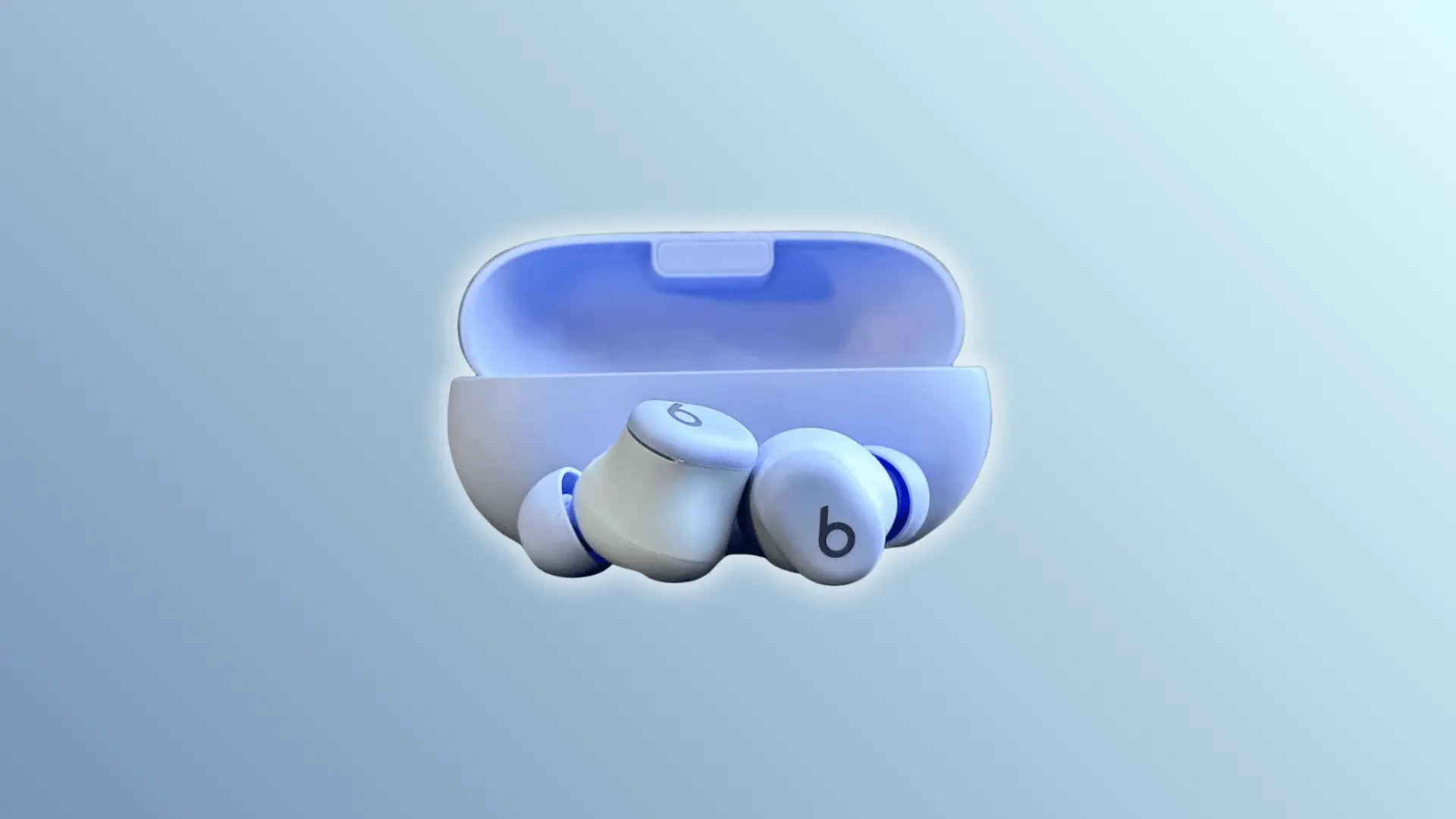
Most reviews focus on what the Solo Buds lack. What they miss is that the omissions are intentional, the choices that allow everything else to work.
Why the Case Has No Battery
Removing the case battery cuts both weight and cost. All available power goes directly into the earbuds, which is how Beats hits 18 hours of continuous playback at $79.
The trade-off is straightforward: you get exceptional battery life, but the case cannot top you up on the go.
That matters in specific situations. A traveler on a four-hour flight with no USB-C access who drains the buds has no recovery option. The case is a carrying case, not a power source. For that user, the design is a real constraint.
For office workers, home listeners, and gym users who charge predictably at a desk or nightstand, the missing case battery is largely irrelevant. The buds outlast most use sessions before they need power.
No ANC When It Matters and When It Doesn’t
The Solo Buds don’t have Active Noise Cancellation (ANC) or Transparency Mode. Skipping ANC removes one of the most battery-hungry components in modern earbuds, which is a direct reason the 18-hour figure is possible at this price.
Instead, they rely on passive noise blocking, physical sound reduction through the seal of the silicone tip against your ear canal. They include four silicone tip sizes, and getting the right fit is the whole game.
A proper seal physically blocks incoming sound before it reaches your eardrum. That’s why tip fit affects both bass response and background noise reduction at the same time. A poor fit breaks the seal and weakens both.
A good passive seal typically reduces ambient noise by around 15–25 dB, enough to take the edge off office HVAC, a busy café, or gym background music. Mid-range ANC can push 30–40 dB of reduction.
That gap becomes real in loud environments. Airplanes, subway cars, and busy streets will bleed through noticeably where ANC would block them. Against open-fit earbuds, passive isolation is still a clear advantage, just with a ceiling below what active electronics can achieve.
Fast Fuel and What It Actually Solves
Fast Fuel gives you five minutes of USB-C charging for about one hour of playback. It’s genuinely useful if you can occasionally access power but don’t have time for a full charge, a quick boost during a commute, lunch break, or layover.
It doesn’t replace a full power source. If the buds are completely drained and no outlet is available, Fast Fuel won’t help. It extends usability for people with intermittent access to power, not people who are fully out.
Design, Comfort, and the Features That Remain
Everything Beats stripped out of the feature set, they appear to have redirected into the physical product — and the result is one of the more comfortable earbuds at this price.
Fit and Comfort
The fit feedback from actual owners is consistent across platforms:
“The buds even if thrown will most likely not fall out.” — Reddit, r/beatsbydre
“They stay snug during my entire commute, never had them fall out once.” — Amazon reviewer
“Wore them for a 6-hour study session, forgot they were in.” — Best Buy reviewer
“Lightest earbuds I’ve owned, genuinely don’t feel them after the first few minutes.” — Target reviewer
They’re among the most compact earbuds in their category — noticeably smaller than standard AirPods and easier to pocket without a case. They stay in place during light exercise and commuting without issue. They are not, however, sports earbuds.
Call Quality and Microphone Performance
The Solo Buds use MEMS microphones with a noise-learning algorithm that filters background noise to keep focus on your voice. For everyday calls, the setup delivers clear, intelligible audio.
In typical office or home environments, voices come through cleanly. Performance holds up during commutes and light outdoor use.
The limits show up in high-noise environments like construction sites, busy transit platforms, and loud cafés where voice clarity drops and background bleed becomes noticeable to the person on the other end.
It’s not built to match premium earbuds, and it doesn’t pretend to be. For the use cases the Solo Buds are designed for, it’s more than adequate.
iOS and Android Pairing: Cross-Platform Ecosystem
The Solo Buds support one-touch pairing on both iOS and Android, with Find My and Find My Device tracking available on both platforms. Most budget earbuds are quietly optimized for one ecosystem and offer limited features on the other, this isn’t that.
Pairing is fast. Core features work equally well on both platforms — no second-class experience on Android. For households with mixed devices, or anyone who moves between iOS and Android, that parity is a practical advantage most earbuds at this price don’t offer.
Beats Solo Buds Comparison: AirPods 4, Studio Buds Plus, and Budget Picks
Not every earbud is built for the same listener. Here’s how the Solo Buds sit against the most common alternatives at this price range and above.
| Feature / Model | Beats Solo Buds | AirPods 4 | Beats Studio Buds Plus | Budget Android ($50–$80) |
|---|---|---|---|---|
| Battery & Charging | 18 hrs, no case | Less, with a charging case | Less per charge, case adds extra | Usually <18 hrs, case varies |
| ANC / Transparency | No | ANC only | ANC + Transparency | Usually none |
| Bluetooth Multipoint | No | No | No | Varies |
| Cross-Platform / Ecosystem | iOS & Android, Find My both | iOS-focused | iOS & Android | Mostly Android |
| Price | $79 | $129 to $249 | $169.99 | $50–$80 |
| Best For | Long battery, simple use, cross-platform | iOS users needing ANC & charging case | ANC, Transparency, loud environments | Budget-conscious, basic use |
One competitor worth naming directly: the Sony WF-C700N.
At a similar price, it offers ANC and an IPX4 water resistance rating the Solo Buds don’t have. The trade is battery life; the WF-C700N delivers around 15 hours versus the Solo Buds’ 18, and its ANC performance is modest rather than class-leading.
For listeners who need noise blocking in loud commutes, the WF-C700N is the more functional choice. For those who prioritize raw endurance and don’t need ANC, the Solo Buds hold the advantage.
The Solo Buds don’t win every column, and they’re not meant to. But for battery life and cross-platform simplicity at $79, nothing in this list comes close.
Verdict: Who Should Buy and Who Shouldn’t
The Beats Solo Buds are a strong pick for specific listeners, and the wrong call for others. Knowing which side you’re on comes down to two things: how you charge and where you listen.
Buy if: You have predictable access to charging, mostly listen in moderate-noise environments, and want the best continuous battery life under $79. No IP rating means light sweat is fine, but heavy moisture or rain carries a damage risk worth knowing.
Skip if: You commute in loud environments, travel frequently without USB-C access, or depend on ANC to block out noise. No earbud at this price delivers both an 18-hour battery and ANC — that’s a category ceiling, not a flaw specific to these.
Conclusion
The loudest criticism of the Beats Solo Buds is that the case does nothing. That is also the reason they outperform earbuds twice their price in battery life.
The Solo Buds are not competing on features. They’re competing on a specific promise: all-day listening, compact carry, and sound quality that doesn’t ask you to compromise on the basics.
For the listener who has been burned by budget earbuds that quit mid-commute, they’re a more considered option than the spec sheet suggests.
If long battery life and clean sound are the priority, check current pricing and pick up a pair.
Frequently Asked Questions
Can you use Beats Solo Buds without the app?
Yes. The Solo Buds pair via one-touch Bluetooth without the Beats app. The app adds EQ controls and firmware updates, but it’s not required for playback, calls, or any core function.
Do Beats Solo Buds work with multiple devices?
They connect to one device at a time, there is no Bluetooth Multipoint support. Switching requires manually disconnecting and reconnecting via Bluetooth settings. It’s a real friction point if you move regularly between a phone and laptop. If seamless two-device switching matters to you, this is a hard limitation.
How do you control Beats Solo Buds?
Via pressure-sensitive buttons: left bud for volume, right for playback and calls. The buttons require a firm press, which can slightly shift fit until you adjust to them.
Are Beats Solo Buds good for working out?
Fine for light workouts and casual runs. No IP rating means heavy sweat and rain carry a damage risk, these are not built for high-intensity or outdoor sports use.