


Earbuds usually force a choice between two things: music and awareness. Your playlist or the sounds happening around you. The Bose Ultra Open Earbuds take a different approach by keeping both available.
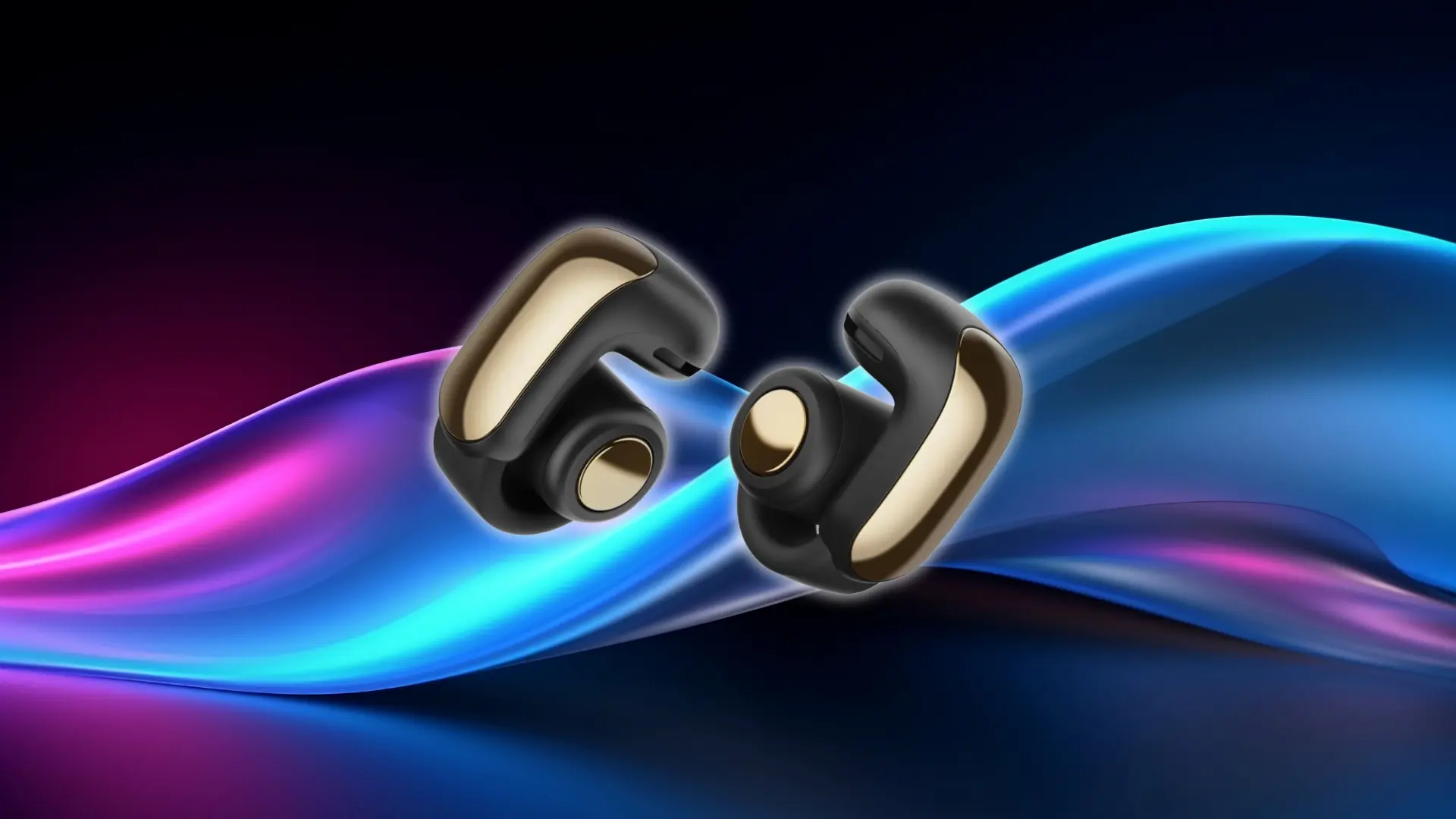
The cuff design wraps around your outer ear while leaving the ear canal completely open. Sound reaches you without anything sitting inside your ear, changing how you experience music throughout the day.
Open-ear audio has grown quickly, and Bose brings a more refined approach to the category with a design focused on comfort, awareness, and everyday listening.
Here I’ll cover the Bose Open Earbuds review completely: how they sound, how they fit, how the battery performs, and whether the trade-offs make sense for your listening habits.
What Are the Bose Ultra Open Earbuds and How Do They Actually Work?
Most earbuds work by sitting inside your ear canal or pressing against it. These do neither. The Bose Ultra Open Earbuds clip around the outer cartilage of your ear, like a small cuff, and the speaker faces inward toward your ear opening from the outside.
Your canal stays completely clear.
| Spec | Detail |
|---|---|
| Design | Open-ear cuff clip |
| Technology | Bose OpenAudio |
| Battery (playback) | ~7 to 7.5 hours |
| Battery (Immersive Audio) | ~4 to 4.5 hours |
| Charging case | +19.5 hours |
| Controls | Physical buttons |
| Connectivity | Bluetooth wireless |
| Noise cancellation | None |
| Water resistance | IPX4 |
| Price | $199 (down from $299) |
Bose’s OpenAudio technology works by directing sound toward your ear from close range rather than sealing it in. The proximity does a lot of the work a seal would normally do, which is why the earbuds produce a fuller sound than you would expect from an open design.
On top of OpenAudio, Bose includes an Immersive Audio mode. It adds spatial processing to widen the perceived soundstage, making music feel more expansive.
The trade-off is battery life, which drops from around 7 hours down to roughly 4 to 4.5 hours when active. Where the design breaks down is in loud environments.
Without a seal, outside sound enters freely. The earbuds cannot overcome heavy ambient noise the way the best noise-cancelling headphones can. What you hear is always a mix of your audio and whatever is happening around you.
Not a flaw. Built exactly for people who want both at the same time.
The cuff locks onto the ear cartilage and stays stable during movement. It clears glasses frames and hat brims completely, since nothing presses over or into the ear.
How Do the Bose Ultra Open Earbuds Sound?
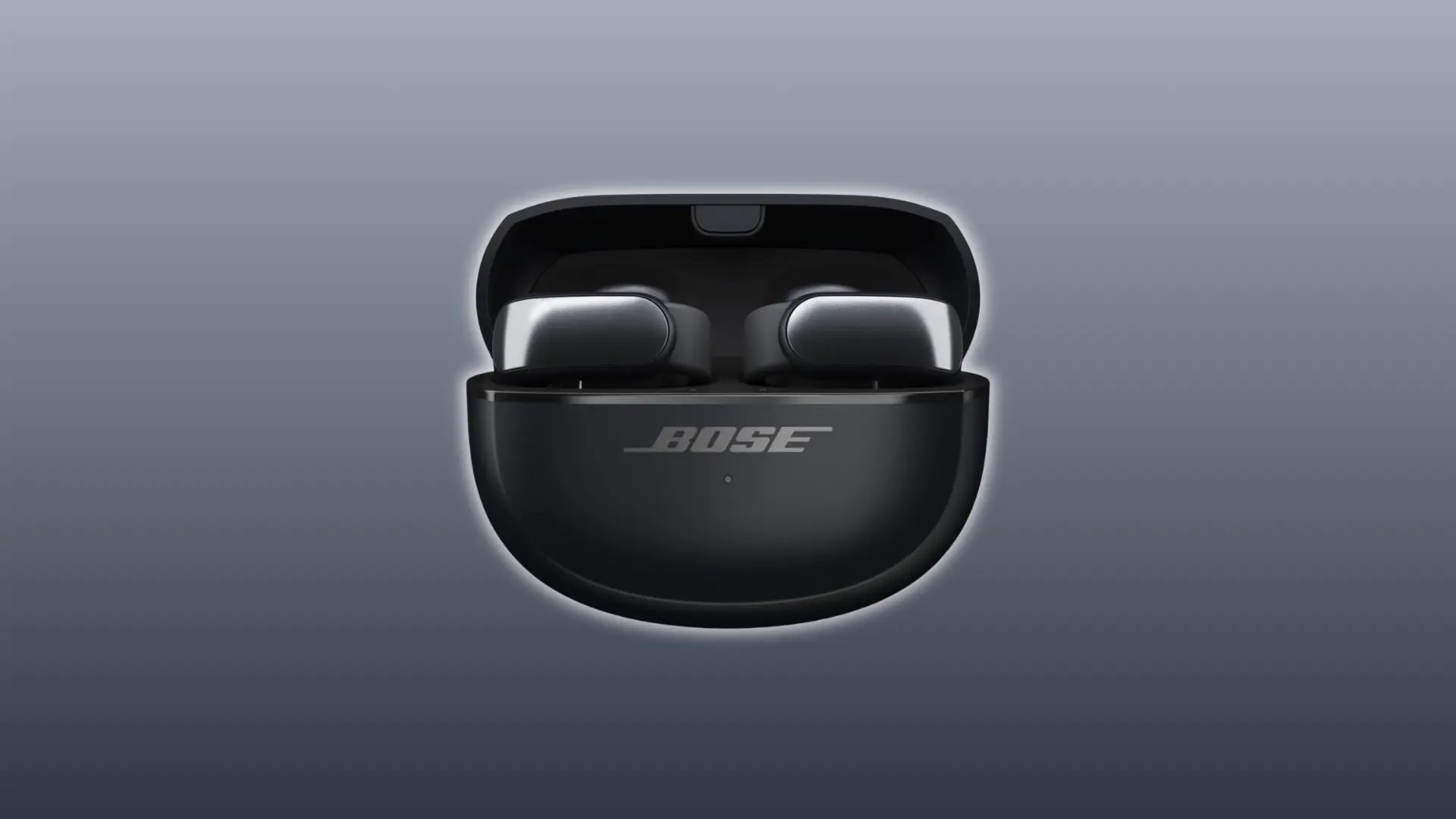
On paper, the design sounds unusual. In practice, the listening experience is what makes these earbuds stand out. The open-ear format changes how sound reaches you, and that difference is worth understanding before you judge the output.
Midrange and Soundstage
Vocals sit forward and clear. You can hear the texture in a singer’s voice, the breath behind a note. Acoustic instruments have body and presence without feeling crowded.
A big reason for that is the open canal. Sound does not feel trapped inside your head the way it does with in-ear designs. Instead, music spreads outward, closer to how speakers in a room feel than earbuds pressed against your drums.
I have tested a lot of open-ear designs. Few produce this much genuine space without making the sound feel thin or distant.
Bass and Low-End Limits
The bass is balanced, but deep rumble is not what these deliver.
Sealed earbuds build pressure against your ear canal. That pressure is what makes sub-bass feel physical and heavy. Without a seal, low frequencies disperse before they fully land.
Mid-bass holds up well. Kick drums, bass guitar, and low-end instruments have warmth and definition. Sub-bass drops and deep electronic bass lose impact before they reach you.
Bose did not tune these wrong. Open-ear physics set the ceiling, and sub-bass sits above it.
If deep bass is central to how you enjoy music, be honest with yourself before buying. No EQ adjustment will change what the design physically cannot do.
Immersive Audio Mode
Bose’s Immersive Audio adds spatial processing on top of the standard output. Music spreads wider. Stereo separation becomes more pronounced.
On orchestral recordings and live performances, the effect is genuinely noticeable. Audio feels less like two speakers and more like a spread of sound around you.
The cost is battery life. Standard playback gives around 7 hours. Immersive Audio pulls that down to roughly 4 to 4.5 hours.
Running it all day as a default setting will cut your listening session short. Use it for focused listening, not background audio.
Comfort, Fit, and Daily Wearability
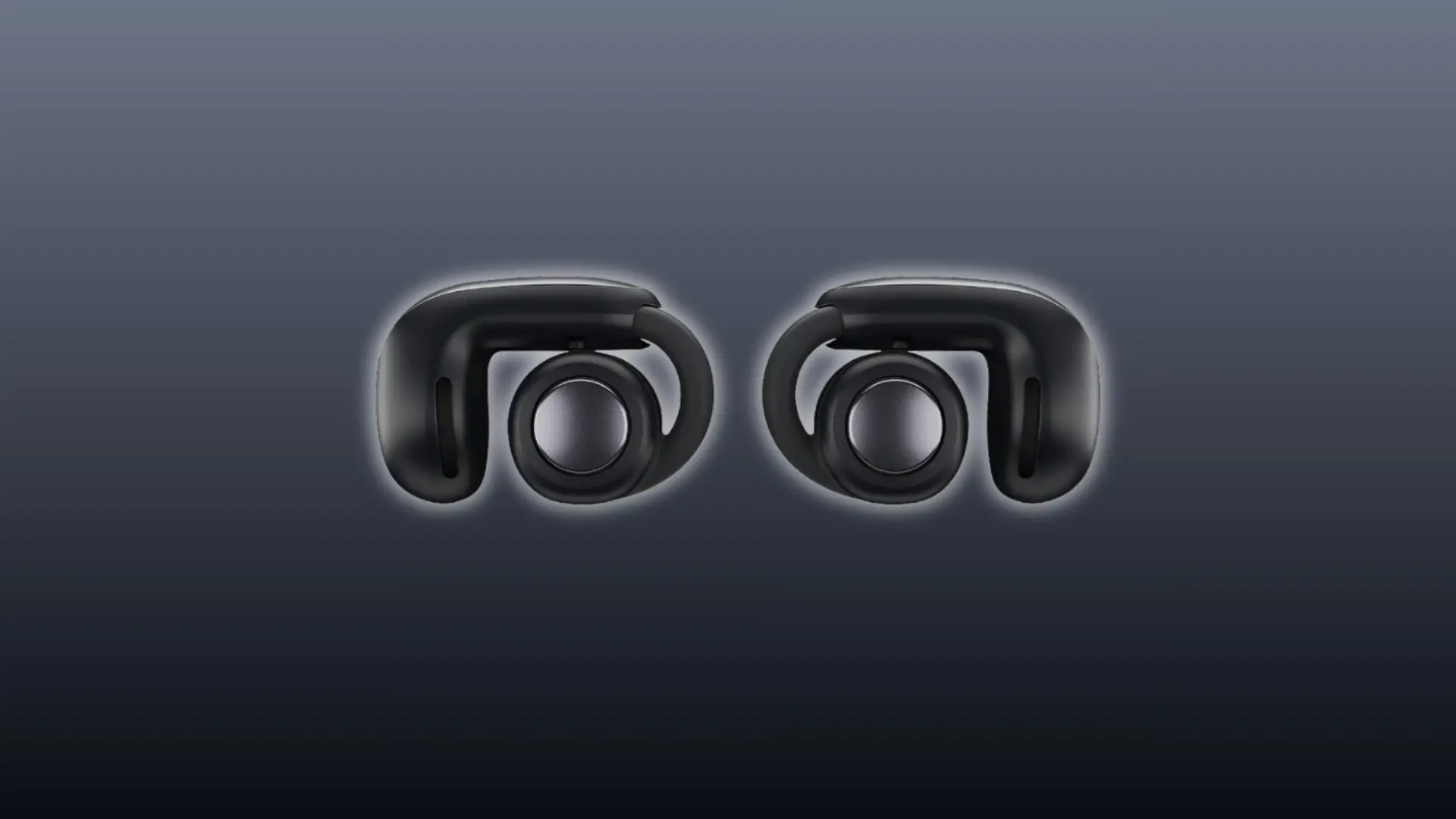
Comfort is one of the main reasons people choose the Bose Ultra Open Earbuds. The design solves a problem many earbud users deal with but rarely think about until the discomfort starts.
Bose’s own sealed ANC earbuds create constant contact with sensitive ear canal tissue. Even a well-fitting pair can feel uncomfortable after a few hours. The Ultra Open Earbuds avoid that entirely. Nothing enters the canal.
Fit and Stability
Comfort and stability are not the same thing. A pair of earbuds can feel great while still shifting during use.
The cuff grips the outer ear cartilage and holds position through most everyday movement. People with more defined ear cartilage tend to get a more secure fit. Those with flatter ears may notice slightly more movement during activity.
Here is how the fit holds up across different activity levels:
| Light Impact | High Impact |
|---|---|
| Walking and commuting | Running and sprinting |
| Office work and studying | HIIT workouts |
| Household chores | Jump rope |
| Casual cycling | Court sports |
| Light gym sessions and yoga | Plyometric training |
For light-impact use, the fit is reliable and consistent. During workouts that involve high-impact movement like running, some users will need to reseat the cuff mid-session.
Long-Term Wear
The open design reduces ear fatigue in a way sealed earbuds simply cannot. Your canal stays clear, your ears stay comfortable, and you stay aware of what is happening around you.
In an office setting, the difference is immediate. Jumping into a conversation without removing an earbud sounds like a small thing. After a full day of it, it genuinely changes how the earbuds fit into your workflow.
The trade-off is immersion. If you prefer the isolated feeling of a sealed earbud, the openness will feel unfamiliar at first. These prioritize awareness and comfort over blocking the world out, and that is a choice worth making deliberately.
Call Quality and Microphone Performance
Call quality is one of the weaker areas of the Bose Ultra Open Earbuds. The microphones work well enough for casual calls, but they are not ideal if phone conversations are a big part of your day.
In quiet places, such as at home, in a private office, or during a quiet walk, voices come through clearly and calls feel natural.
The issue appears when background noise increases. Traffic, wind, crowds, and nearby conversations become more noticeable than they would on earbuds that seal inside the ear.
The reason comes down to the open design. Because the earbuds’ built-in microphones have no physical barrier around them, they pick up ambient sound at the same level as your voice. Sealed earbuds create separation between your voice and the environment. These cannot do that.
If you mostly use earbuds for music, podcasts, and occasional calls, the microphone performance is likely good enough. If you spend hours each week on work calls or calls in noisy places, this is worth considering carefully before spending $199.
Battery Life and Charging Case
Battery life depends heavily on whether you use Immersive Audio. With it turned off, the Bose Ultra Open Earbuds last up to 7.5 hours on a single charge. Turn it on and battery life drops to around 4.5 hours.
That matters because Immersive Audio is one of the earbuds’ strongest features. Many people will leave it enabled after trying it, making the 4.5 hour figure a more realistic expectation for everyday use.
The charging case adds another 19.5 hours of playback. That is enough for several days of moderate use without reaching for a cable. The case itself is compact enough to carry comfortably in a pocket.
One drawback is the lack of wireless charging. The case charges via cable only. If most of your devices charge wirelessly, that will feel dated compared to what you are used to.
Who Should Buy the Bose Ultra Open Earbuds (and Who Shouldn’t)
The Bose Ultra Open Earbuds are built for a specific type of listener. Whether they are worth the price depends less on sound quality and more on how you use earbuds every day.
| Worth Buying If You… | Look Elsewhere If You… |
|---|---|
| Dislike the pressure and soreness of in-ear earbuds | Want deep bass and strong low-end impact |
| Want to hear your surroundings while listening | Need effective noise isolation |
| Walk, commute, or cycle regularly | Take frequent calls in noisy environments |
| Work in an office and want background music without feeling disconnected | Spend a lot of time in loud gyms or busy public spaces |
| Prioritize comfort during long listening sessions | Want the strongest audio performance for the money |
The price typically falls between $229 and $299. At that range, many traditional earbuds offer better bass, stronger microphones, and more effective noise cancellation.
What you are paying for here is the open-ear design and the comfort that comes with it. If those benefits match how you actually use earbuds, the Bose Ultra Open Earbuds are easy to recommend. If not, there are better-performing options at the same price.
Conclusion
The Bose Ultra Open Earbuds are not for everyone, and they are not trying to be. They were built for a specific type of listener, and when the fit is right, they deliver.
If you spend long hours with earbuds in, move between conversations and music constantly, or struggle with ear fatigue from traditional designs, these solve a real problem. The comfort alone justifies serious consideration.
The limitations are real too. No ANC, limited sub-bass, and a microphone that struggles in noise are not minor footnotes. Go in clear-eyed and none of them will catch you off guard.
At $199, the value depends entirely on how well the use case matches your life. Get that part right and these are one of the most thoughtfully designed open-ear options available right now.
Frequently Asked Questions
Are the Bose Ultra Open Earbuds worth it in 2026?
At $199, down from $299, they are worth it if situational awareness and all-day comfort are your primary needs. If you want bass impact, ANC, or plan to use Immersive Audio heavily, the battery trade-off and sound limitations make them harder to justify. The use-case fit is narrow; when it matches, the value is real.
Do the Bose Ultra Open Earbuds stay in during exercise?
Yes. The cuff design clips around the outer ear cartilage and stays stable during running, cycling, and dynamic movement. Multiple reviewers and users confirm the fit does not shift during exercise, and the earbuds are compatible with glasses and hats without interference.
How does the sound compare to standard in-ear earbuds?
The midrange clarity is genuinely strong for an open design — vocals and instruments are clear and natural. Sub-bass is limited because there is no seal. If you are used to in-ear earbuds with a tight fit and bass emphasis, the sound will feel leaner, particularly at lower frequencies.
What is Bose Immersive Audio and should you use it?
Immersive Audio adds spatial processing that widens the perceived soundstage. It works well for music and film. The trade-off is significant: battery life drops from around 7 hours to roughly 4 to 4.5 hours. Use it selectively rather than as a default setting if you need the earbuds to last a full day.