

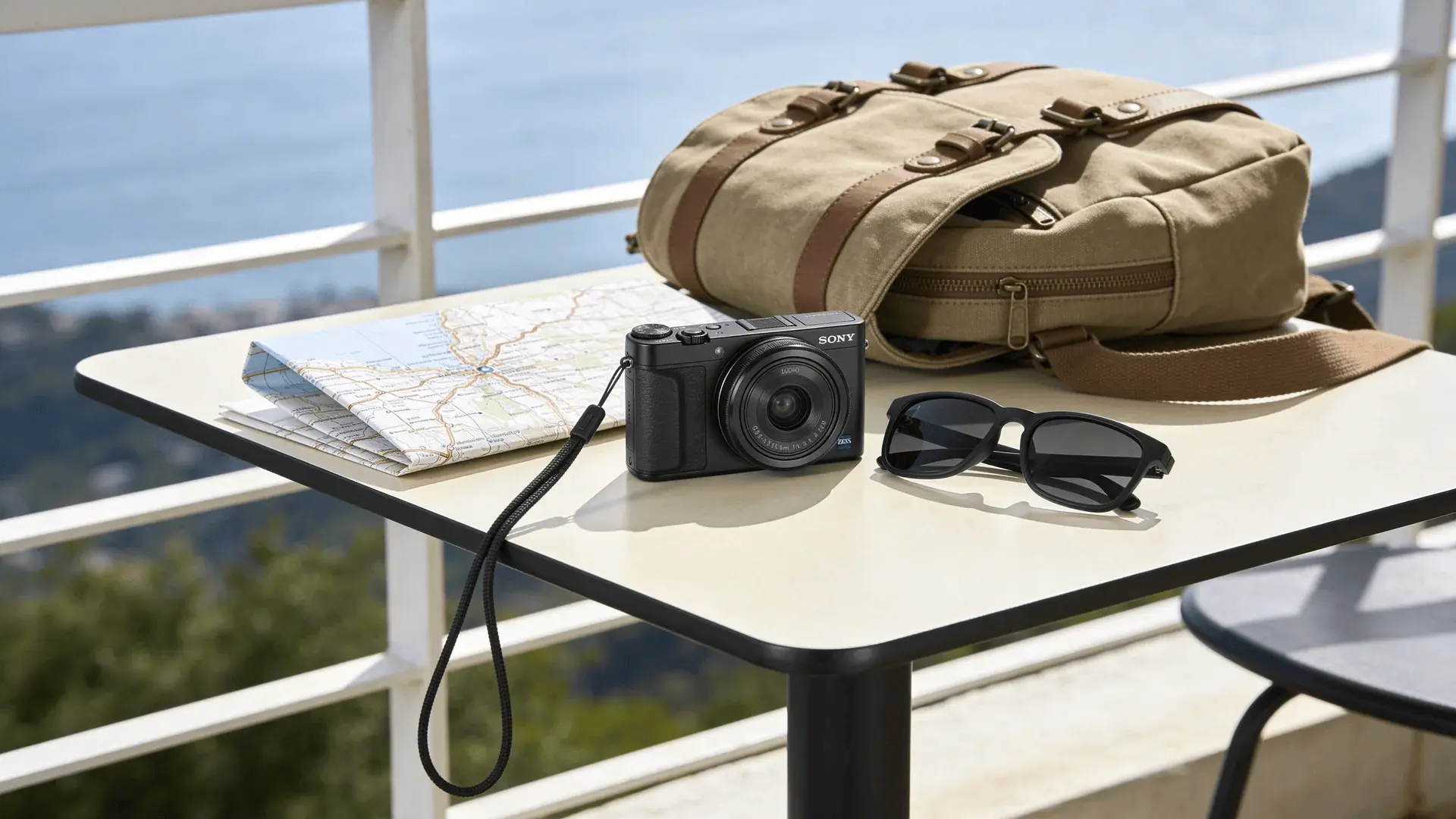



Finding the best compact camera for travel isn’t about chasing specs. It’s about choosing something that fits how you move, shoot, and carry your gear.
This guide breaks down what actually matters when you’re on the go. It helps you understand trade-offs and avoid choices that don’t work in real travel conditions.
By the end, you’ll know how to match your needs with the right type of camera. That way, you pick something you’ll actually use, not just admire.
The Reality Check Most Buyers Ignore
Travel doesn’t happen in controlled conditions. You’re moving, tired, and often reacting quickly, which means the camera you carry matters more than the one with the best specs.
The real constraint isn’t budget or features. It’s whether you’re willing to carry the camera all day without it feeling like a burden.
Bigger cameras offer better image potential, but they get used less often. Smaller cameras may compromise slightly on quality, but they’re almost always with you.
Most missed shots don’t result from weak features. They happen because the camera isn’t accessible when the moment appears.
In real travel, consistency beats perfection. A camera you always carry will outperform a better one that stays in your bag.
Many people buy high-end cameras and stop using them mid-trip. The weight, size, or complexity slowly turns them into something you avoid.
The biggest mistake is assuming the best specs guarantee the best results. In travel, usability matters more than technical superiority.
The 3 Trade-Offs that Decide Every Compact Camera
Every compact camera is built around trade-offs. Understanding these is what separates a good choice from a frustrating one.
Sensor Size vs. Image Quality
Larger sensors capture more light, thereby improving detail, dynamic range, and low-light performance. Smaller sensors rely more on processing, which often leads to noise and flatter images.
This creates a clear trade-off between image quality and camera size. Smaller sensors struggle most at night or indoors, where light is limited, and flaws become visible.
Zoom vs. Fixed Lens
Zoom lenses give you the flexibility to frame different scenes without moving, which is useful when you can’t get physically closer.
Fixed lenses are optimized for a single focal length, improving sharpness and low-light performance.
This creates a trade-off between flexibility and consistency. Zoom lenses degrade at the extremes, while fixed lenses limit your ability to capture distant or close-up subjects.
Portability vs. Usability
Smaller cameras are easier to carry, which increases how often you actually use them during travel. Slightly larger compacts offer better grip, controls, and visibility, making them easier to shoot with.
This creates a trade-off between convenience and control. Extremely small cameras can feel awkward to use, while larger ones risk being left behind when carrying becomes tiring.
Once you see these trade-offs clearly, choosing the right camera becomes simple. The best option is the one that fits your priorities, not the one with the most features.
Choose the Right Type of Compact Camera (Based on Trade-Offs)
Each type of compact camera is designed around a specific trade-off. This table helps you quickly see what you gain and what you give up.
| Camera Type | Best For | Main Strength | Main Limitation |
|---|---|---|---|
| Large Sensor Compact | Image quality and low light | Strong detail and dynamic range | No zoom flexibility |
| Zoom Compact | All-in-one travel shooting | Covers wide to distant scenes | Weaker low-light performance |
| Pocket Compact | Everyday carry | Always with you | Limited controls and handling |
| Vlogging Compact | Video and self-recording | Flip screen and tracking | Not optimized for stills |
There’s no perfect option here. The right choice is the one where the trade-off matches how you actually shoot.
Quick Picks Based on Your Needs
If you want a fast answer, this shortlist helps you choose quickly based on how you travel and shoot.
- Best overall balance: Fujifilm X100VI
- Best all-in-one zoom:

- Best pocket carry: Ricoh GR III
- Best for beginners: Canon G7 X Mark III
- Best for video and vlogging: Sony ZV-1
- Best premium feel: Leica D-Lux 8
- Best budget zoom: Canon SX740 HS
- Best value option: Sony RX100 III / V
This gives you a starting point. The breakdown below explains why each one fits its role.
Top Picks that Match Real Travel Needs
These picks are not ranked. Each one fits a different type of traveler based on what matters most in real use.
1. Fujifilm X100VI (Best Overall Balance)
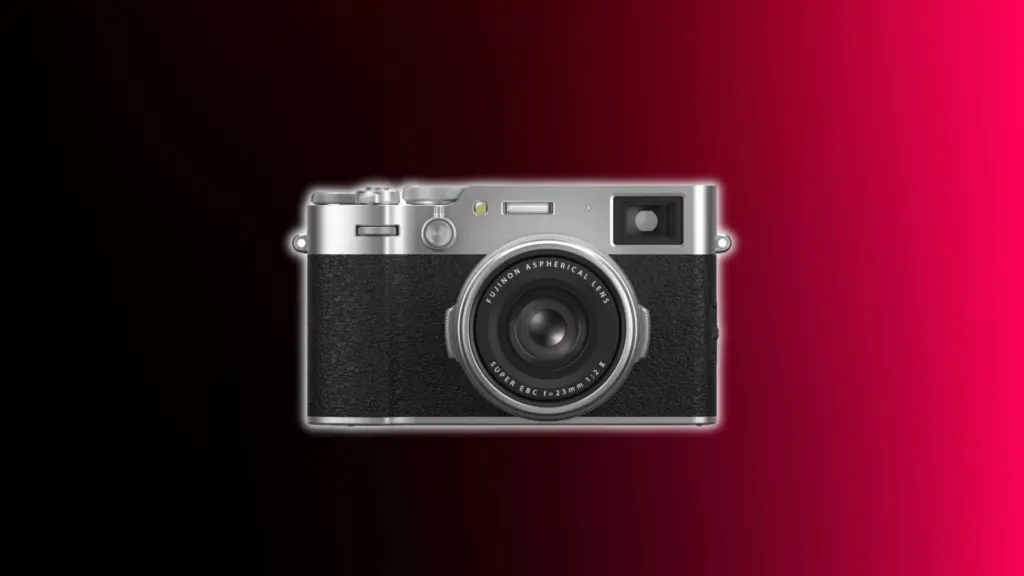
- Best for: Image quality and simplicity
- Strength: Large sensor + consistent results
- Limitation: No zoom flexibility
APS-C sensor with a fixed 23mm lens, offering strong detail, color depth, and low-light performance in a compact body.
It delivers consistent, high-quality images without needing lens changes.
The limitation is flexibility. The fixed lens restricts framing options, especially when you need to reach distant subjects.
2. Sony RX100 VII (Best for Versatility)
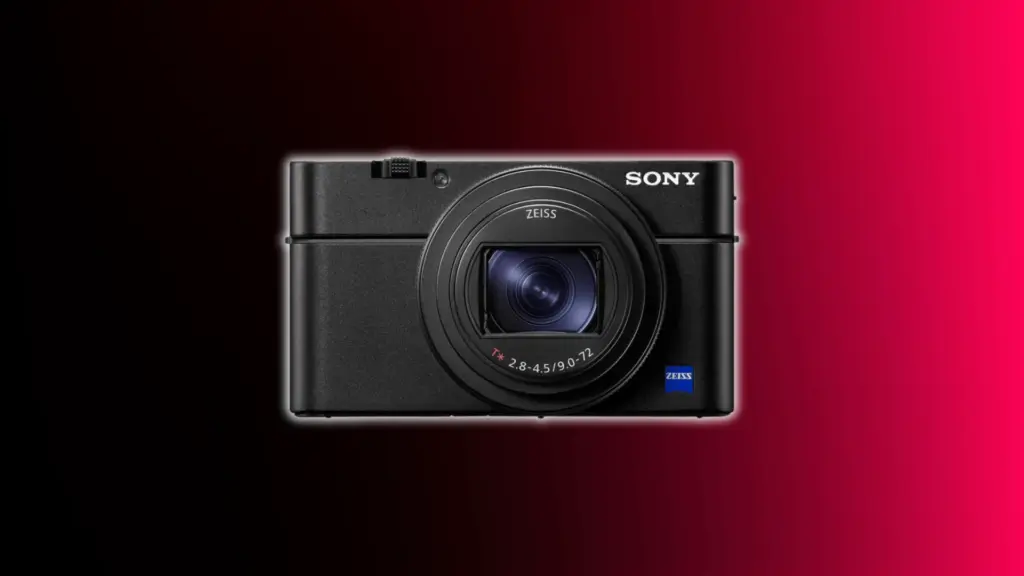
- Best for: One-camera travel with maximum flexibility
- Strength: Wide zoom range + fast autofocus
- Limitation: Weaker low-light performance
1-inch sensor paired with a 24–200mm zoom lens, allowing you to shoot wide landscapes and distant subjects without switching gear. Autofocus is fast and reliable for varied travel scenes.
The trade-off is image quality in tougher conditions. The smaller sensor struggles more in low light than larger-sensor cameras.
3. Ricoh GR III (Best Pocketable Option)
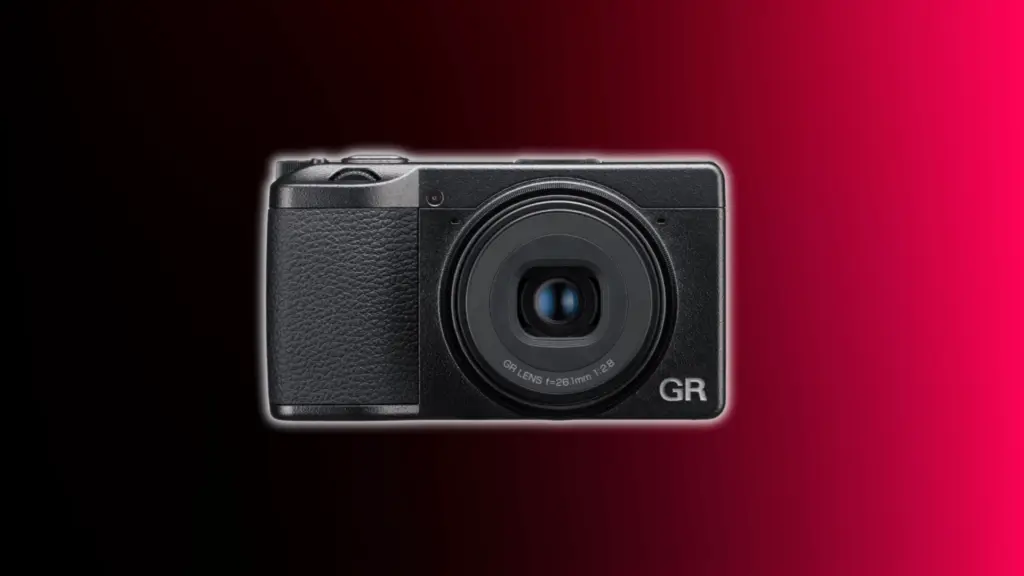
- Best for: Always-carry street and daily shooting
- Strength: Large sensor in a pocket body
- Limitation: Limited controls and no zoom
APS-C sensor in a truly pocket-sized body with a fixed wide lens, making it easy to carry everywhere and capture spontaneous moments. Image quality remains strong despite the size.
The compromise is usability. Limited controls, no zoom, and weaker autofocus in some conditions can restrict versatility.
4. Canon PowerShot G7 X Mark III (Best for Beginners)
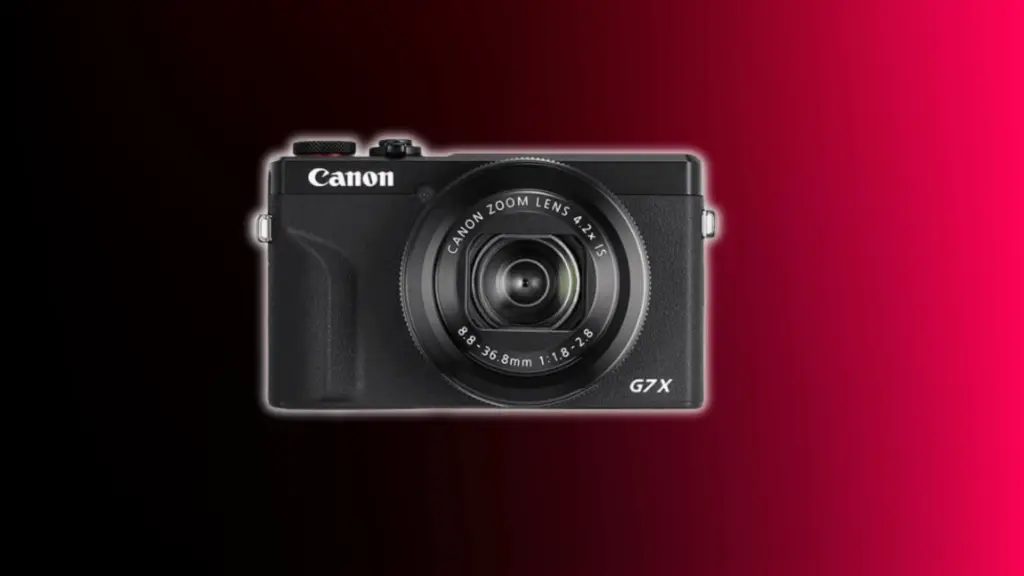
- Best for: Easy upgrade from smartphone
- Strength: Simple controls + usable zoom
- Limitation: Average autofocus and low-light
1-inch sensor with a 24–100mm zoom lens and simple controls, making it easy to use while still offering a noticeable upgrade over smartphone photography.
Performance is solid but not leading. Autofocus and low-light results are decent but fall behind higher-end compact cameras.
5. Sony ZV-1 (Best for Vlogging)
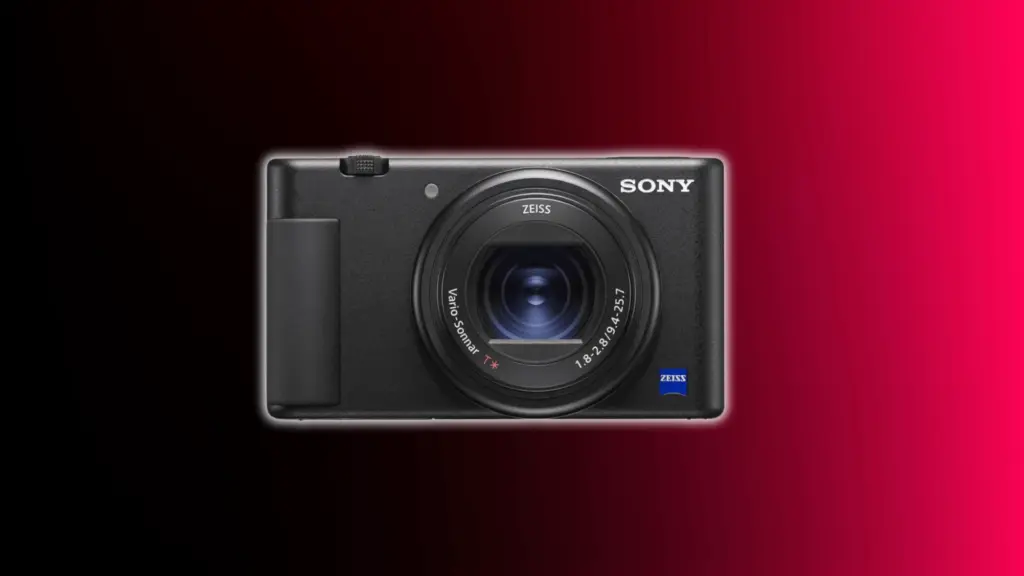
- Best for: Video and self-recording
- Strength: Flip screen + subject tracking
- Limitation: Less balanced for still photography
1-inch sensor with a 24–70mm lens, flip screen, and strong subject tracking, designed specifically for video and self-recording during travel.
It prioritizes video features. Photography performance is good, but not as strong or balanced as that of other compact cameras.
6. Leica D-Lux 8 (Best Premium Compact)
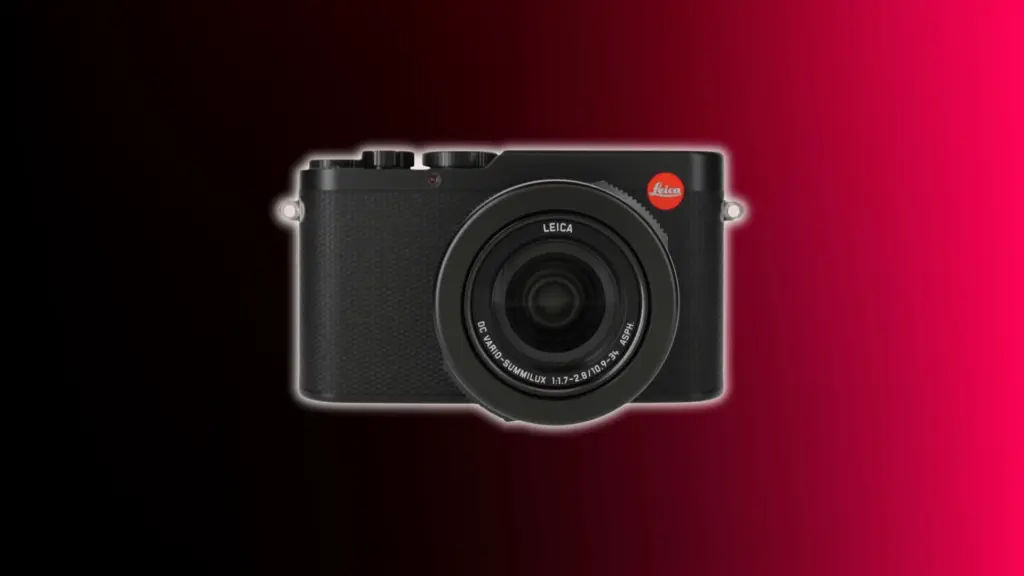
- Best for: Premium build and balanced performance
- Strength: Good image quality + flexible zoom
- Limitation: High cost for similar performance
Micro Four Thirds sensor with a 24–75mm fast zoom lens, offering a balance between image quality and flexibility in a refined, compact body.
The main drawback is cost. You pay a premium for design and brand, with performance that overlaps with more affordable options.
7. Canon PowerShot SX740 HS (Best Budget Option)
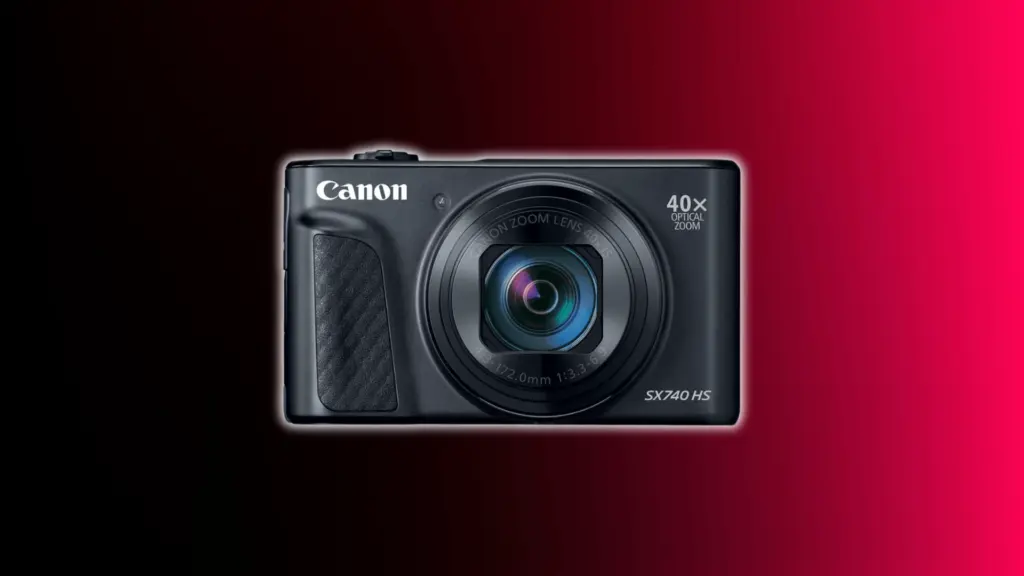
- Best for: Long-distance zoom on a budget
- Strength: Massive zoom range
- Limitation: Weak image quality
Small sensor with a massive 24–960mm zoom range, making it easy to capture distant subjects without spending much.
The trade-off is image quality. The small sensor struggles with detail, dynamic range, and low-light performance.
8. Sony RX100 III / V (Best Value Option)
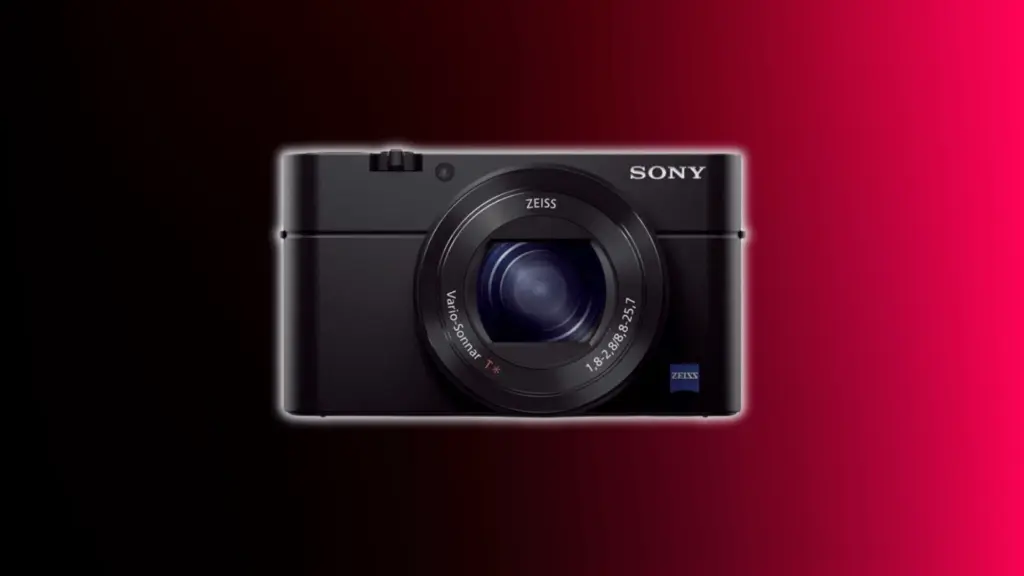
- Best for: Affordable high-quality compact
- Strength: Proven performance at lower cost
- Limitation: Older features and slower performance
1-inch sensor with a shorter zoom range and a proven design, offering solid performance at a lower price point than newer models.
You lose modern features. Autofocus, video capabilities, and overall speed are the strengths of the latest compact cameras.
Each camera solves a different need. The right choice comes down to which limitation matters least for how you travel and shoot.
How Your Travel Scenarios Change the Right Choice
The “best” camera changes depending on what you’re shooting. The same camera can perform well in one scenario and struggle in another.
Street and Everyday Travel
Street and daily travel moments require speed and portability, because scenes appear and disappear quickly.
Small cameras or those with fixed lenses work best, since they are always ready to shoot.
Bulky setups fail here. If the camera slows you down or stays in your bag, you miss spontaneous moments entirely.
Landscapes and Scenic Travel
Landscape photography needs strong detail and dynamic range to capture wide scenes and lighting variations.
Cameras with larger sensors perform better because they retain more information in highlights and shadows.
The limitation comes from fixed lenses. Without zoom, you may struggle to frame distant elements or isolate specific parts of the scene.
People and Social Photos
Photos of people need a natural perspective and reliable autofocus to keep subjects sharp and flattering.
Cameras with moderate focal lengths or zoom lenses make framing easier without distortion.
Wide lenses often fail in this scenario. They can distort faces and make subjects look unnatural if the framing is not carefully controlled.
Fast or Unpredictable Moments
Fast-moving situations require quick autofocus and flexibility in framing. Zoom cameras with strong tracking systems perform better because they can adapt instantly.
Slower systems struggle here. If autofocus can’t keep up or framing is limited, you end up missing key moments.
The right camera depends on what you shoot most often. Matching the camera to your primary scenario leads to better results than chasing specs.
Common Mistakes that Lead to the Wrong Camera
Many people end up with the wrong camera, not because of bad options, but because of flawed decision logic.
- Choosing specs over usability: Focusing on features instead of how the camera feels to carry and use often leads to poor real-world results.
- Overvaluing megapixels: Higher megapixels don’t guarantee better photos. Sensor size and lens quality have a much bigger impact.
- Ignoring autofocus performance: Weak autofocus leads to missed shots, especially on travel trips where moments happen quickly.
- Assuming smartphones are equal: Phones rely on software, while cameras rely on hardware. This difference becomes clear in low light and motion.
- Buying for future skill level: Choosing a complex camera “to grow into” often results in frustration and underuse instead of improvement.
Avoiding these mistakes makes the decision much clearer. It helps you choose a camera you’ll actually enjoy using, not just one that looks good on paper.
Final Decision: What You Should Choose
At this stage, the decision should feel clear. You’re not picking the best camera overall, but the one that fits how you travel and shoot.
Start by asking if you’ll carry it all day, because that alone eliminates many options. Then decide if you need Zoom, shoot in low light, or care more about quality or flexibility.
If you want the best image quality, go for a large sensor compact. If you need flexibility, a Zoom compact works better, while pocket cameras suit portability, and vlogging cameras suit video.
This process usually narrows your choice to one or two solid options. The right camera is simply the one whose limitations don’t get in your way.
Wrapping Up
Choosing the best compact camera for travel comes down to clarity, not complexity. Once you understand trade-offs, the decision becomes much easier and more practical.
You’ve seen how different cameras perform across real scenarios. This helps you avoid common mistakes and focus on what actually improves your results.
Now it’s your move. Pick the camera that fits your style, and start capturing your travels with confidence.
Frequently Asked Questions
How long does a compact camera battery last while traveling?
Most compact cameras last 200–400 shots per charge, so carrying a spare battery is recommended for a full day of use.
Are compact cameras good for printing travel photos?
Yes, especially models with larger sensors, which produce enough detail and color accuracy for high-quality prints.
Do compact cameras require editing to get good results?
Not necessarily, as many modern compact cameras produce strong JPEGs straight out of the camera with minimal need for editing.