




Thinking about replacing your electrical panel can quickly bring up one big question: how much will it cost?
The cost to replace an electrical panel can change based on many factors. A simple replacement may be easier to budget for, while a larger upgrade can come with extra steps.
This blog will walk you through them so that you dont have to search for them anymore. By the end, the electrical panel replacement cost should feel much easier to understand before you call an electrician.
How Much Does it Cost to Replace an Electrical Panel?
Most electrical panel replacements cost between $850 and $4,000, but the final number depends on how simple or involved the job is.
A basic panel swap usually stays on the lower end because the power level remains the same. A larger upgrade, such as moving from 100 amps to 200 amps, can cost more because it may require additional wiring, meter work, or service changes.
Think of the price in three parts: the panel itself, the labor to install it, and any extra work needed to make the system safe and code-ready. Your location, electrician rates, panel size, and the age of the property can all change the estimate.
Cost Breakdown Factors Based on Electrical Panel Project Type
The total cost to replace an electrical panel changes based on the type of project. Some jobs are simple swaps, while others involve upgrades, rewiring, or service changes.
Understanding these differences helps you see why quotes can vary so much:
1. Project Type Cost Overview
Use the table below as a quick reference to understand how pricing changes depending on the type of electrical panel work required:
| Project Type | Estimated Cost Range | What it Usually Means |
|---|---|---|
| Basic Panel Replacement | $850–$2,500 | Replacing the old panel with a similar-sized panel |
| 100-Amp to 200-Amp Upgrade | $1,500–$4,000 | Increasing power capacity for modern electrical needs |
| Full Panel and Wiring Updates | $3,000–$8,000+ | Replacing the panel plus fixing older or unsafe wiring |
| Subpanel Installation | $500–$1,800 | Adding a smaller panel for a garage, workshop, or added space |
2. Panel and Equipment Cost
This includes the main electrical panel itself, breakers, internal components, and all required hardware for a safe, code-compliant installation.
The cost can vary depending on panel brand, amperage size, number of circuits, and if a standard or upgraded panel is being installed. Higher-capacity panels designed for modern electrical loads generally cost more.
3. Labor Charges
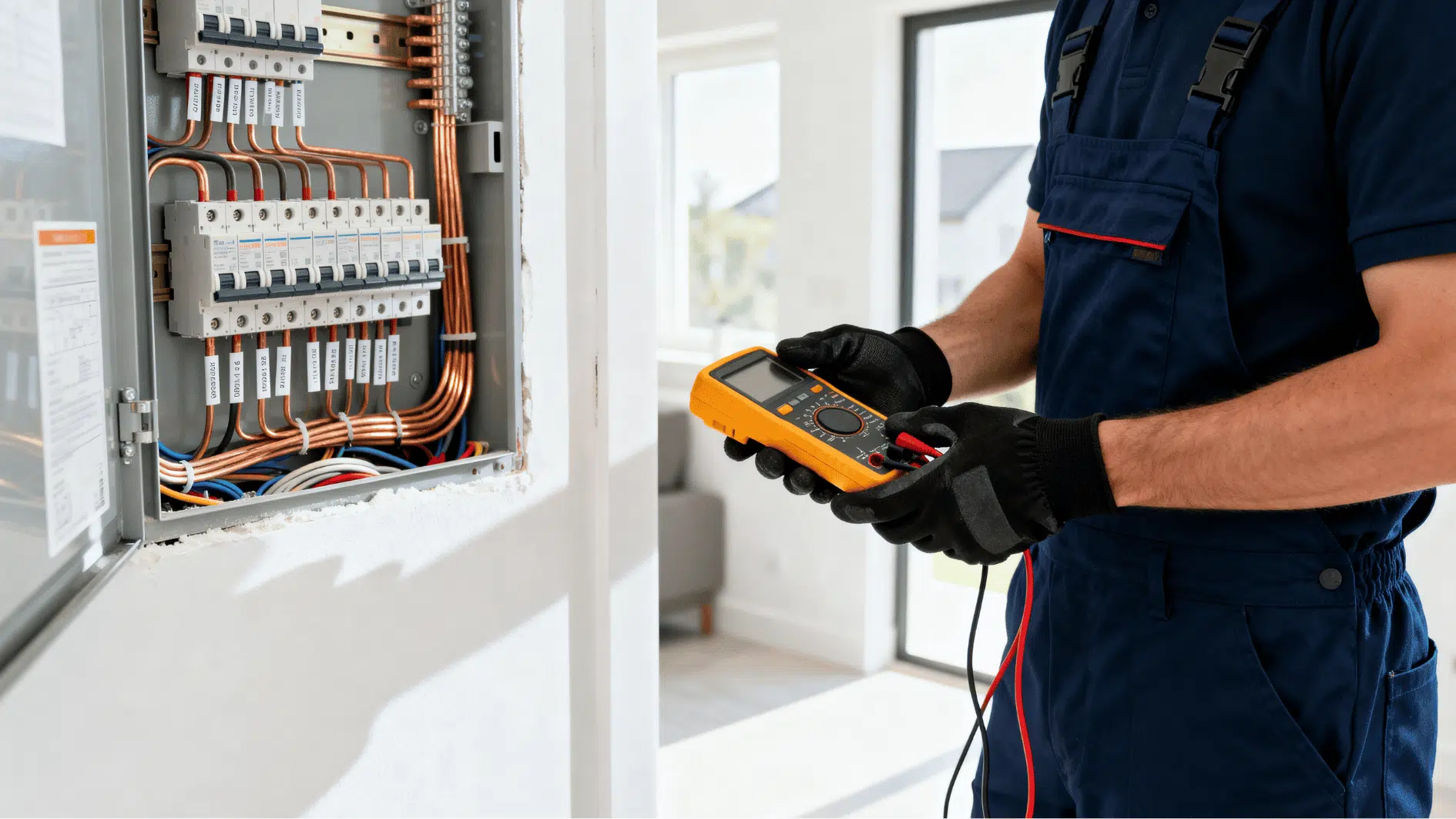
Labor covers the electrician’s time and expertise for the full installation process. This includes removing the old panel, preparing the area, installing the new unit, reconnecting circuits, and performing safety testing.
The cost can increase if the panel is hard to access, wiring is outdated, or additional troubleshooting is needed during installation.
4. Basic Materials
This includes all supporting materials required during installation, such as wiring, connectors, grounding equipment, conduit, labels, fasteners, and protective components.
While individually inexpensive, these materials are essential for ensuring a safe, stable, and long-lasting electrical setup.
6. Permits and Inspection Support
Most electrical panel replacements require permits and final inspections to meet local safety codes. This section includes permit filing, documentation, coordination with local authorities, and preparing the system for inspection approval.
In some cases, older systems may need adjustments before passing inspection, which can also affect cost.
7. Cleanup and Final Work
After installation, basic cleanup ensures the work area is safe and organized. This includes removing debris, leftover materials, and packaging waste and ensuring the panel area is left clean and ready for use.
A proper finish also includes final system checks to confirm everything is working correctly and safely.
What Raises Electrical Panel Replacement Cost?
No two panel replacement jobs come with the same price tag. The final cost depends on everything from the size of the new panel to the condition of your home’s existing wiring.
Below are the biggest factors that can increase your quote:
1. Panel Size and Amperage
The amperage rating of your new panel is one of the largest cost drivers. Bigger panels handle more circuits and higher loads, but they also cost more in materials and labor. Here’s how amperage typically affects pricing:
- 100-amp panels are the budget option, suited to smaller homes with modest electrical demands
- 200-amp panels are the modern standard and cost noticeably more, but support energy-efficient HVAC systems, EV chargers, and modern appliances
- 400-amp panels are for large homes or heavy loads and can double or triple the price
- Upgrading amperage (not just swapping panels) often requires new service wires, adding to the total cost
2. Panel Type and Brand
Not all panels are built the same, and the type you choose affects both upfront cost and long-term safety. Premium brands and specialty panels carry higher price tags. Consider these variations:
- Main breaker panels are the typical whole-home option and sit in the mid-price range
- Main lug panels (subpanels) cost less but only supplement an existing panel
- Smart panels with energy monitoring can cost several times more than standard models
- Reputable brands like Square D, Siemens, and Eaton cost more than generic alternatives but offer better reliability and easier breaker availability
3. Labor Rates and Job Complexity
Labor usually makes up half or more of the total bill, and rates vary widely by region and contractor. A straightforward swap takes far less time than a complicated one. These factors influence labor costs:
- Licensed electricians typically charge an hourly rate that’s higher in major metro areas
- A simple like-for-like replacement may take 4–8 hours, while complex jobs can stretch over multiple days
- Hard-to-access panels (crawl spaces, finished basements, tight closets) add billable hours
- Emergency or after-hours replacements often carry premium rates
4. Panel Location and Relocation
Where your panel sits and whether it needs to move can significantly change the scope of work. Codes now restrict panel placement in certain areas, which sometimes forces relocation. Watch for these cost additions:
- Panels in bathrooms, closets, or stairways may need to be moved to meet current code
- Relocating a panel means rerouting every circuit, which adds substantial labor and materials
- Moving a panel from indoors to outdoors (or vice versa) can require drywall repair and weatherproofing
- Longer wire runs to a new location increase material costs
5. Permits and Inspections
Panel replacement is not a DIY-friendly or permit-free job in most areas. Local requirements add both cost and time to the project. Expect the following:
- Electrical permits are required in nearly all jurisdictions and vary in cost by city or county
- Most areas require an inspection after the work is complete before power is fully restored
- Utility coordination fees may apply if the service must be disconnected and reconnected
- Skipping permits can void insurance coverage and cause problems when selling the home
6. Home Age and Wiring Condition
Older homes often hide surprises behind the panel cover, and those surprises cost money. What starts as a panel swap can grow into a broader electrical update. Common add-ons include:
- Replacing outdated aluminum or knob-and-tube wiring discovered during the job
- Correcting undersized or deteriorated grounding systems to meet code
- Replacing corroded or damaged service entrance cables and meter bases
- Bringing older circuits up to code with AFCI or GFCI breakers, which cost more than standard breakers
7. Additional Upgrades and Components
Many homeowners bundle other electrical improvements into a panel replacement, since the electrician is already on site. These extras raise the total but often make sense in the long term. Popular additions include:
- Whole-home surge protectors installed at the panel
- Subpanels for garages, workshops, or home additions
- Dedicated circuits for EV chargers, hot tubs, or kitchen appliances
- Upgrading standard wall switches to smart switches for your home while the walls and circuits are already open
- Generator transfer switches or interlock kits for backup power
Which Electrical Panel Project Might You Need?
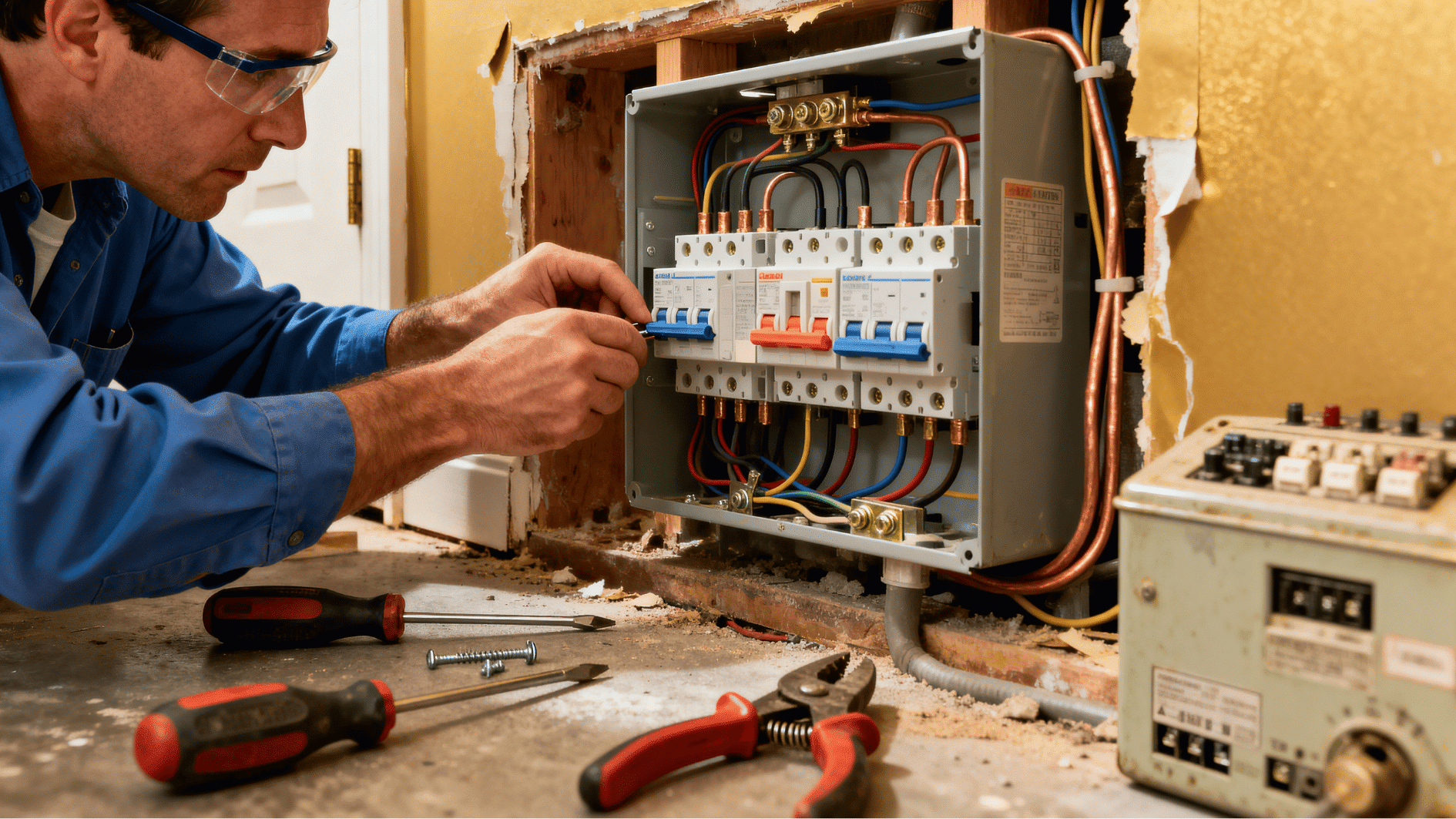
Not every electrical panel job is the same. Some projects are simple replacements, while others are upgrades or new installations.
Knowing the difference helps you understand what the electrician is actually quoting and if the work matches your space.
| Project Type | When You Need It | What It Does |
|---|---|---|
| Same-Amperage Panel Replacement | Old, unsafe, or damaged panel, but power is still enough | Replaces panel with same capacity, no power increase |
| 100-Amp to 200-Amp Upgrade | Need more power for EVs, HVAC, or extra rooms | Upgrades service capacity, may include meter/service changes |
| New Panel or Subpanel Installation | Adding a garage, extension, workshop, or new unit | Adds a new panel to supply power to a separate area |
How Can You Compare Estimates Before Paying?
Once you have a few estimates, do not just look at the final number. A lower quote may seem better at first, but it can leave out important work. A higher quote may include permits, utility coordination, or wiring fixes that make the job more complete.
The main question to ask is simple: are all companies quoting the same job? One estimate may be for a basic panel swap, while another may include upgrade work or service changes.
Smart Questions to Ask:
- Is this a replacement or an upgrade?
- What could change the final price?
- Will the power be shut off during the job?
- Who handles utility company scheduling?
- What happens if the inspection does not pass?
- Is the final cleanup included?
Note: A strong quote should feel clear, not rushed. It should explain the work in simple terms, show what is included, and give you enough detail to compare it with other estimates.
Companies That Replace Electrical Panels
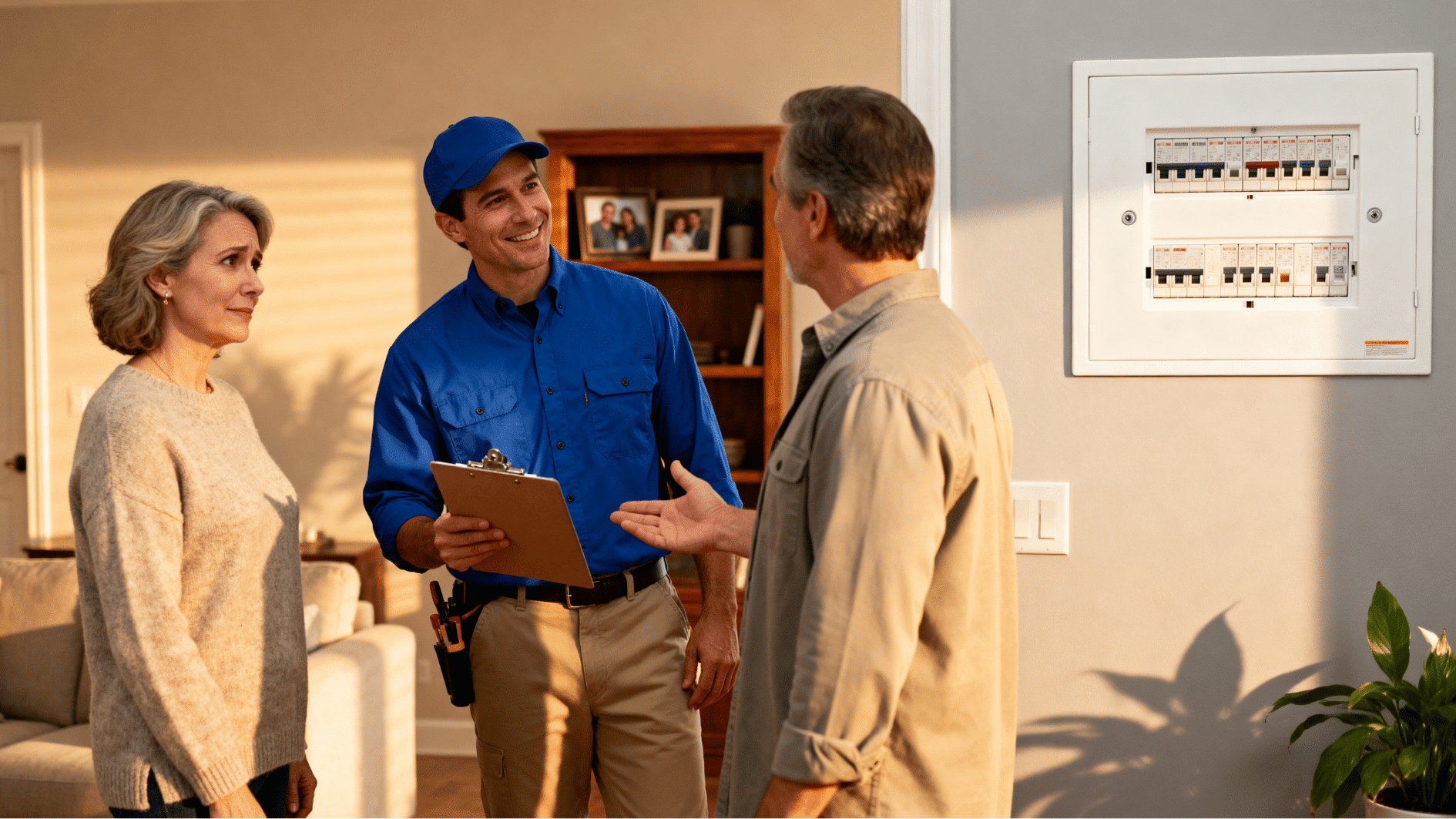
Electrical panel replacement is a job for licensed electricians or electrical companies, not a basic handyman task. The work involves high-voltage wiring, permits, inspections, and safety rules.
A good company should be able to check your current panel, explain the work clearly, and give you a written estimate before the job starts.
| Company or Platform | Type of Service | Why to Consider It |
|---|---|---|
| Mister Sparky | Electrical panel repair and replacement | Good for full-service electrical work with local appointment options |
| Mr. Electric | Panel upgrades and electrical repairs | Helpful for safety checks, upgrades, and ongoing electrical needs |
| The Home Depot Pro Referral | Local electrician matching | Useful when you want to compare available pros near you |
| Angi | Electrician search and reviews | Good for checking ratings, reviews, and estimated project details |
Smart Questions to Ask Before You Sign the Contract
Hiring the right electrician matters just as much as the panel itself. A few minutes of homework upfront can save you from surprise charges, failed inspections, and shoddy work down the road.
Run through this checklist before choosing a company:
- License and Insurance: Make sure the electrician is licensed and insured to perform panel work in your area.
- Permit Support: Ask if the company handles permits or if you need to arrange them.
- Written Estimate: Get the full price in writing before the work starts.
- Panel Size Details: Confirm if the quote is for a same-size replacement or an upgrade.
- Labor and Material Costs: Check that both are listed clearly in the estimate.
- Inspection Help: Ask if the company helps with the final inspection.
- Warranty Coverage: Determine whether labor, parts, or the new panel is covered.
- Old Wiring Issues: Ask what happens if damaged or outdated wiring is found.
- Recent Reviews: Read fresh reviews to see how the company handles similar jobs.
- Cleanup: Confirm if cleanup is included after the panel replacement is done.
Wrapping It Up
Figuring out the cost to replace an electrical panel doesn’t have to feel like solving a puzzle anymore. Sure, it’s a big decision, but it’s also one of those upgrades that quietly pays off every single day.
The lights stay on, the breakers stop tripping, and there’s one less thing to stress about. So take a breath, gather a few quotes, and trust the process. The right electrician will make the whole thing feel easier than expected.
Here’s to a safer, stronger home, and to finally checking this one off the to-do list!
Frequently Asked Questions
Can I Stay in the House During Electrical Panel Replacement?
Yes, in most cases. The power will be off during the work, so plan around lighting, Wi-Fi, cooking, heating, or cooling needs.
Should I Replace My Electrical Panel Before Selling?
It can help if the current panel is outdated, unsafe, or too small for modern use. A pre-sale inspection can show if a replacement is needed.
How Often Should an Electrical Panel Be Checked?
A panel should be checked if it is older, shows warning signs, or is due for major upgrades. A licensed electrician can inspect it during a service visit.
Does Insurance Cover Electrical Panel Replacement?
Sometimes, but it depends on the reason for replacement and your policy. Damage from covered events may qualify, while normal wear usually does not.