

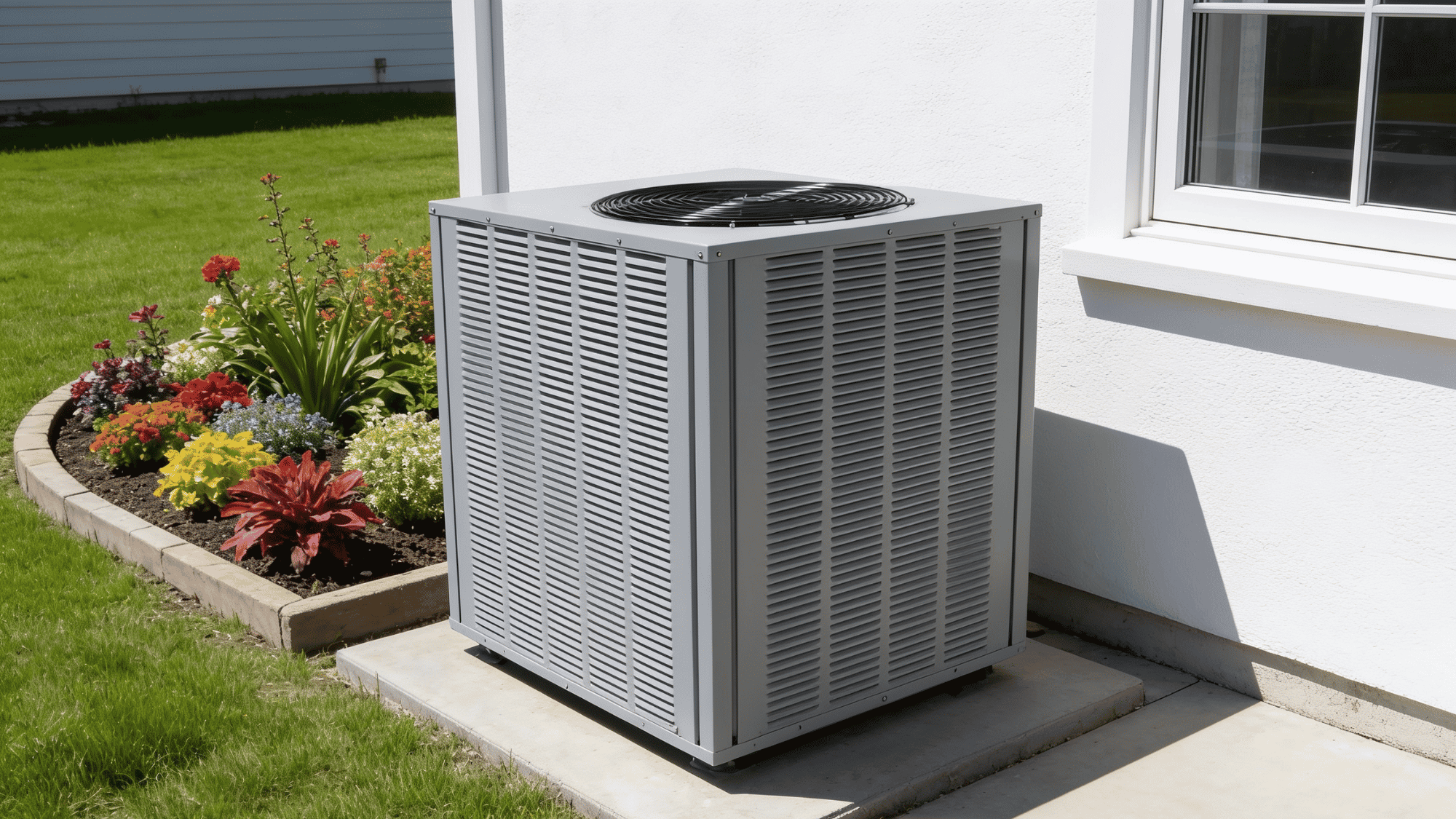





Your energy bill doesn’t lie. And if it’s been climbing every season, chances are your HVAC system is the one to blame, quietly running harder than it needs to, burning through electricity like it’s got something to prove.
An energy-efficient HVAC system flips that. Same comfort, way less waste. The right system can make a bigger difference than most people realize, not just on bills but on how the whole home feels day to day.
Stick around. There’s a lot worth knowing before making any decisions.
What is an Energy-Efficient HVAC System?
An energy-efficient HVAC system cools and heats your home while using less energy than traditional models. Its goal is to maintain consistent comfort without wasting electricity or fuel.
By operating more efficiently, such systems can lower monthly utility bills and reduce overall energy consumption. They also put less stress on key components, which may result in fewer repairs and a longer lifespan.
Many residents experience more consistent temperatures and quieter operation, improving comfort. Over time, they save money and perform reliably.
Factors That Affect HVAC Energy Efficiency
An HVAC system’s energy use depends on more than the unit itself. A system that fits the home and climate can run more smoothly, use less energy, and maintain steadier indoor comfort.
These are the factors:
- Home Size: Larger homes often require robust systems; small homes may require compact units.
- Geography: Hot, cold, humid, or dry regions can change which HVAC system works best.
- System Size: A unit that is too big or too small can waste energy and lower comfort.
- Installation Quality: Poor installation can cause airflow issues, leaks, and higher energy bills.
- Ductwork Condition: Leaky or uninsulated ducts can let heated or cooled air escape.
- Home Insulation: Good insulation helps keep indoor air from escaping too quickly.
- Thermostat Settings: Smart or steady temperature settings can reduce extra system use.
- Maintenance: Clean filters, clear vents, and yearly tune-ups help the system run better.
HVAC Efficiency Ratings You Should Know About
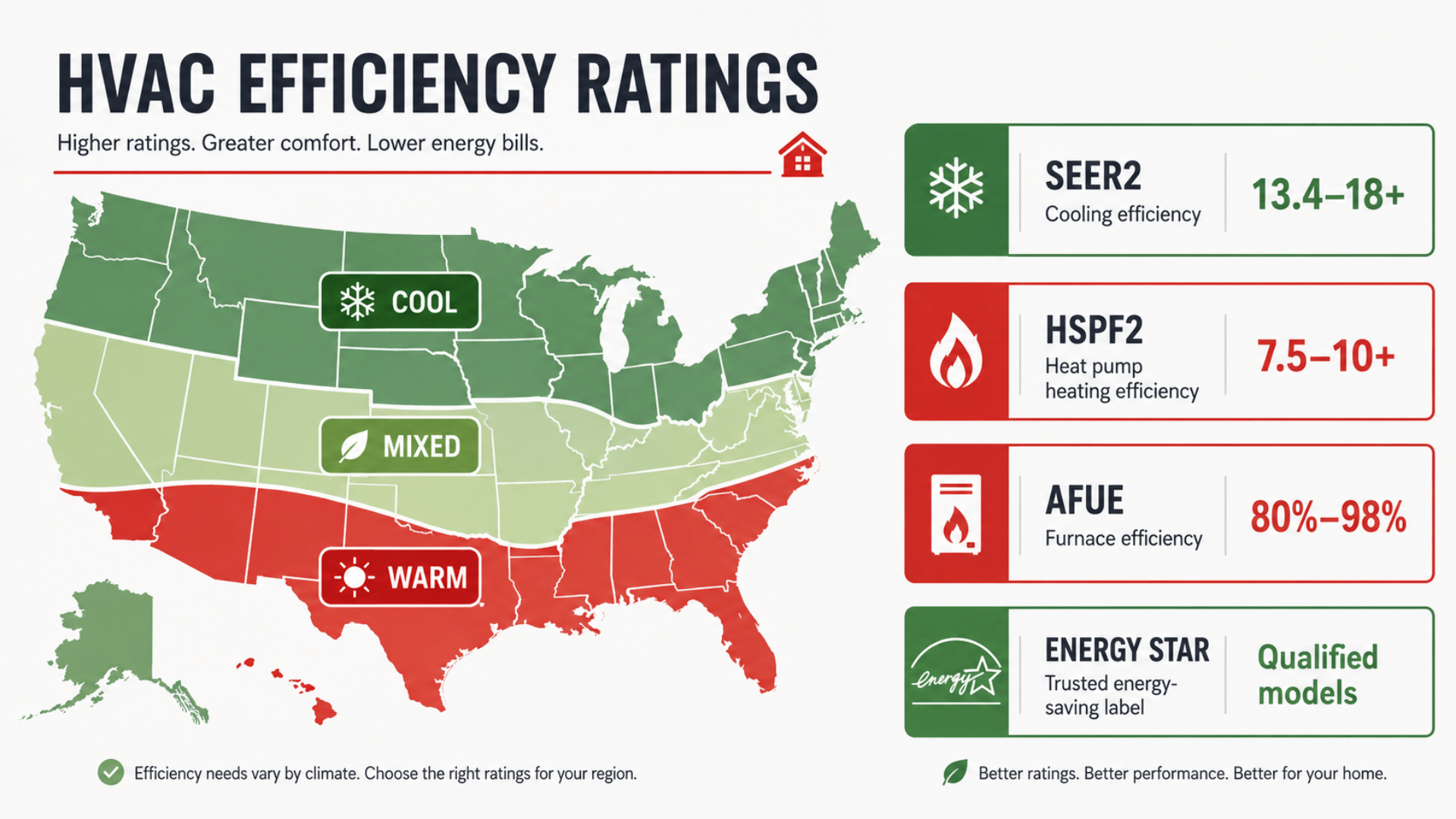
HVAC efficiency ratings help you compare heating and cooling systems before you choose one. These numbers show how well a system uses energy, so you can better understand its long-term performance.
1. SEER2 Rating
SEER2 measures cooling efficiency for air conditioners and heat pumps over a full cooling season. A higher SEER2 number means the system can give more cooling while using less energy.
Simply put, SEER2 is the cooling output divided by the energy used. For example, if a system gives 240,000 BTUs of cooling and uses 15,000 watt-hours of electricity, the SEER2 would be 16.
2. HSPF2 Rating
HSPF2 measures heating efficiency for heat pumps during colder months. A higher HSPF2 number means the system can provide more heat while using less electricity.
For example, if a heat pump gives 80,000 BTUs of heat and uses 10,000 watt-hours of electricity, the HSPF2 would be 8.
3. AFUE Rating
AFUE measures how much fuel a furnace turns into usable heat. A higher AFUE percentage means less fuel is wasted during heating.
For example, a 95% AFUE furnace converts 95% of its fuel into heat, with the remaining 5% lost through exhaust or system operation.
4. ENERGY STAR Label
The ENERGY STAR label is not a number like SEER2, HSPF2, or AFUE. It is a trusted marker that shows a system meets energy-saving standards.
For example, when comparing two similar HVAC systems, the one with an ENERGY STAR label can be easier to spot as an efficient option, especially when the ratings are close.
Most Energy Efficient HVAC Systems
Choosing an energy-efficient HVAC system is not just about picking the newest model. The right system should match your home size, climate, comfort needs, and current setup.
1. Heat Pump Systems
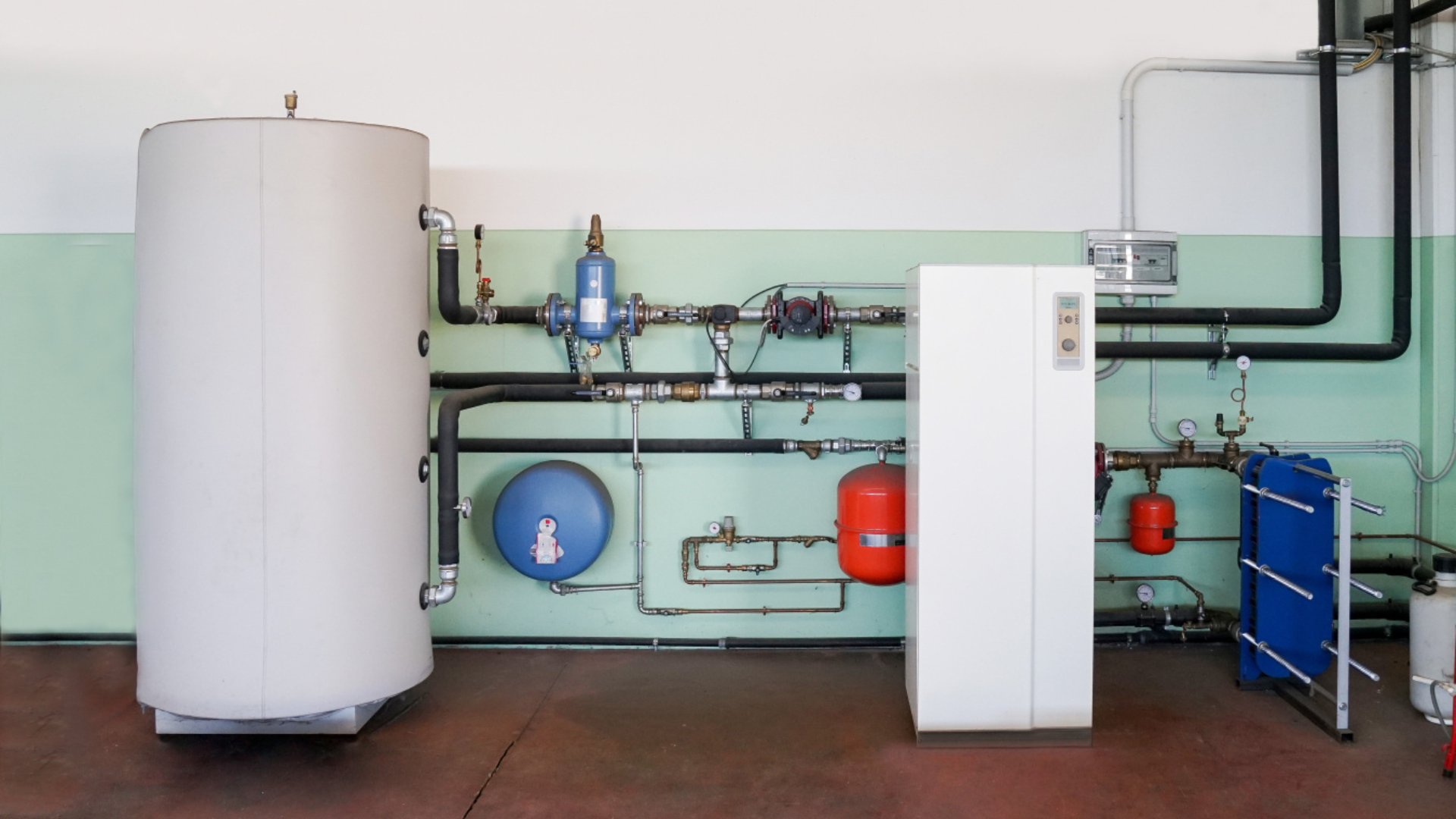
Image source: Department of Energy
A heat pump is an extremely versatile and efficient heating and cooling system that has become increasingly popular for modern climate control.
It transfers heat between locations rather than generating or cooling, conserving energy and reducing costs, making it eco-friendly and economical for homes and businesses.
Features:
- Provides both heating and cooling
- Runs on electricity
- Works well in moderate climates
- Cold-climate models are available
- May reduce the need for separate systems
2. Ductless Mini-Split Systems
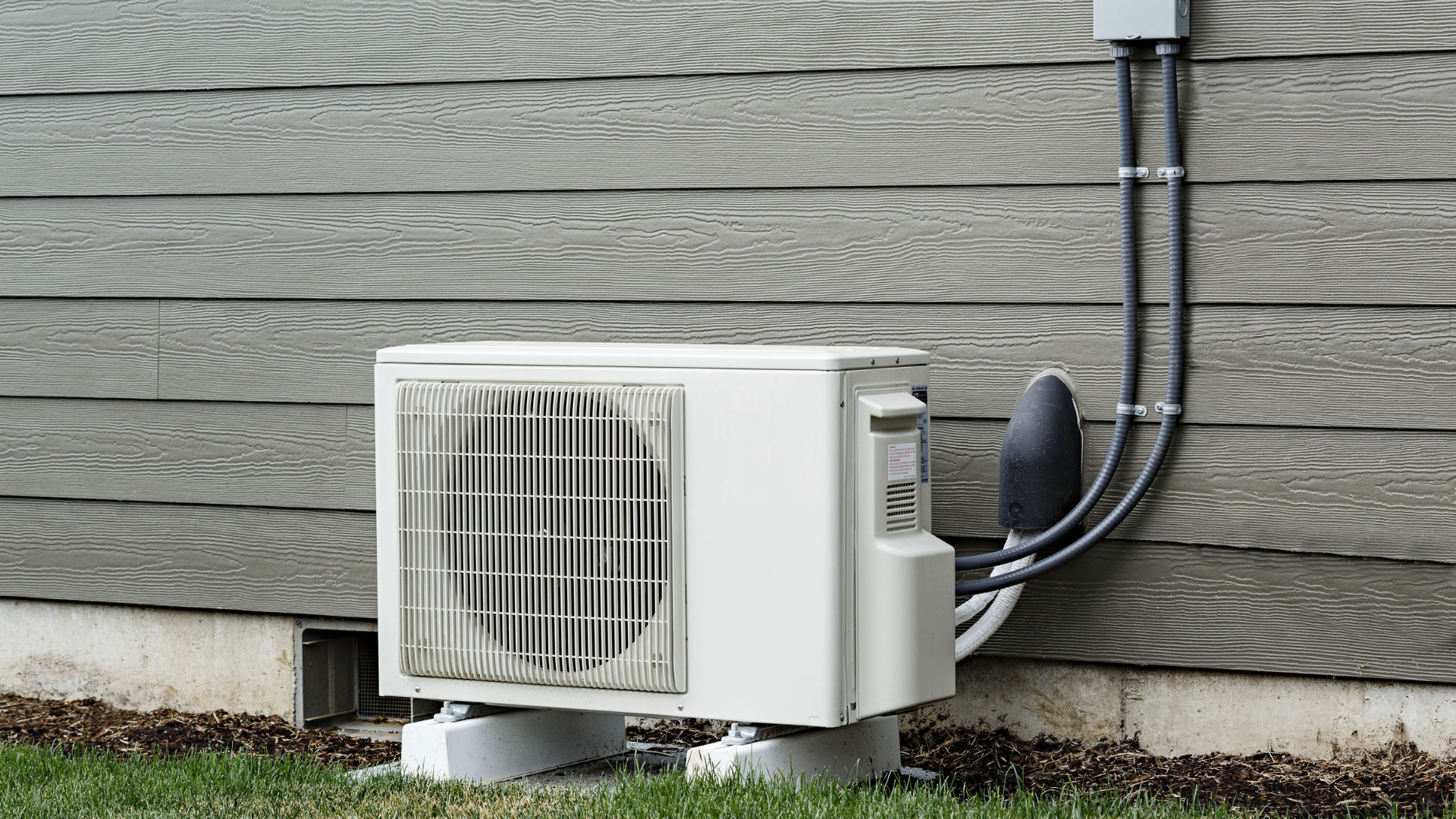
Image source: Building America Solutions
A ductless mini-split delivers conditioned air directly into the room via an indoor wall, ceiling, or floor unit. Since it does not rely on ducts, it can be useful in spaces where adding ductwork would be costly or difficult.
This system is often chosen for areas that need separate comfort control. It can also help when one part of the home gets too hot or too cold compared with the rest of the house.
Features:
- One outdoor unit can connect to several indoor units
- Individual remotes or wall controls for each zone
- Compact indoor unit options
- No major duct installation required
- Good fit for targeted heating and cooling
3. Geothermal Heat Pump Systems
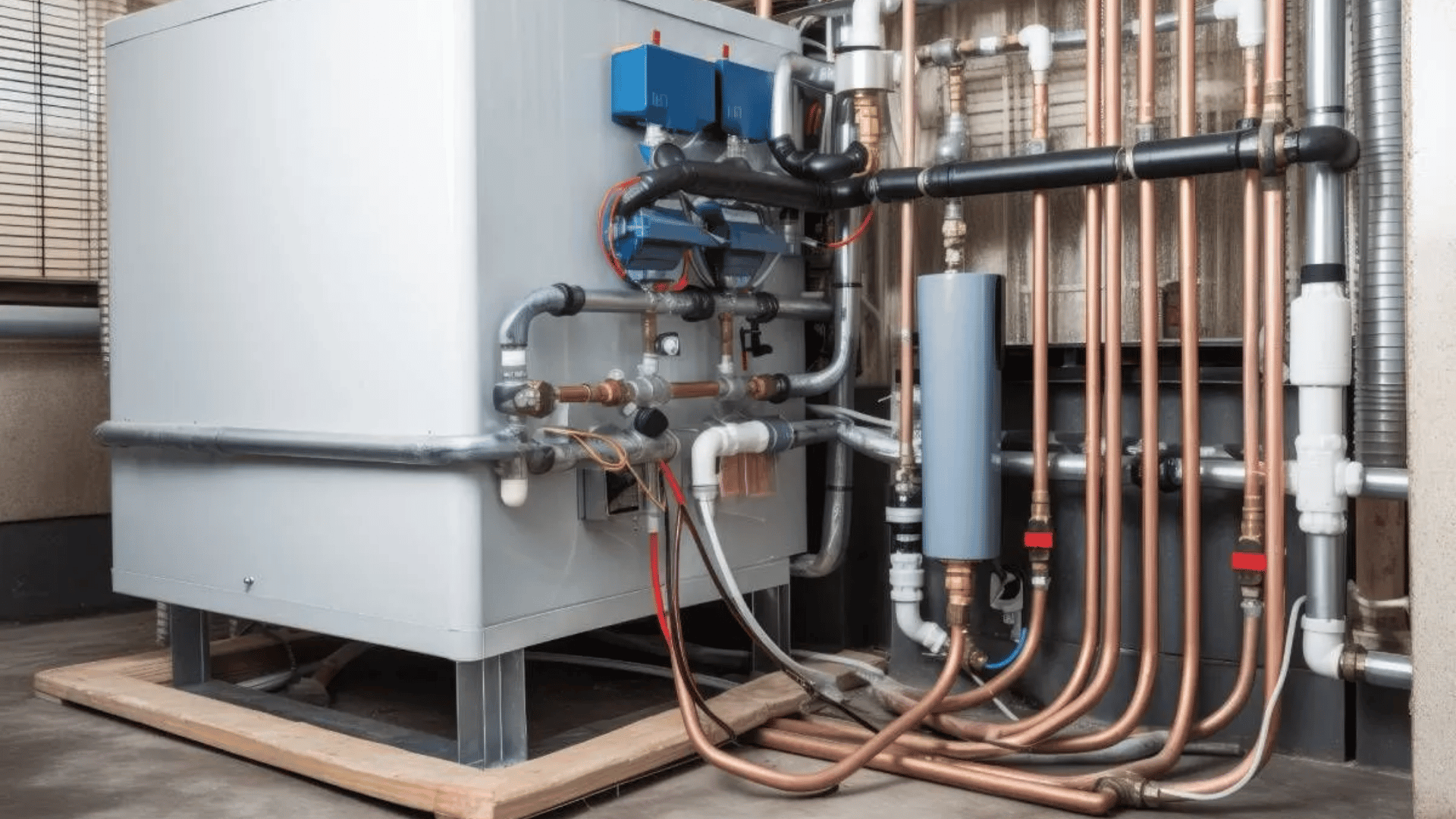
Image source: Advantage Air HVAC
A geothermal heat pump uses buried ground loops to exchange heat with the earth. Since ground temperatures remain more stable than those of outdoor air, the system does not have to work as hard during extreme weather.
This option is usually planned during major upgrades or new construction because installation is more involved. It can make sense for long-term use when the property has sufficient space for the ground-loop design.
Features:
- Underground system
- Indoor heat pump cabinet
- Lower outdoor noise than many standard systems
- Long-lasting ground loop parts
- Can support heating, cooling, and sometimes water heating
4. High-Efficiency Central Air Conditioners
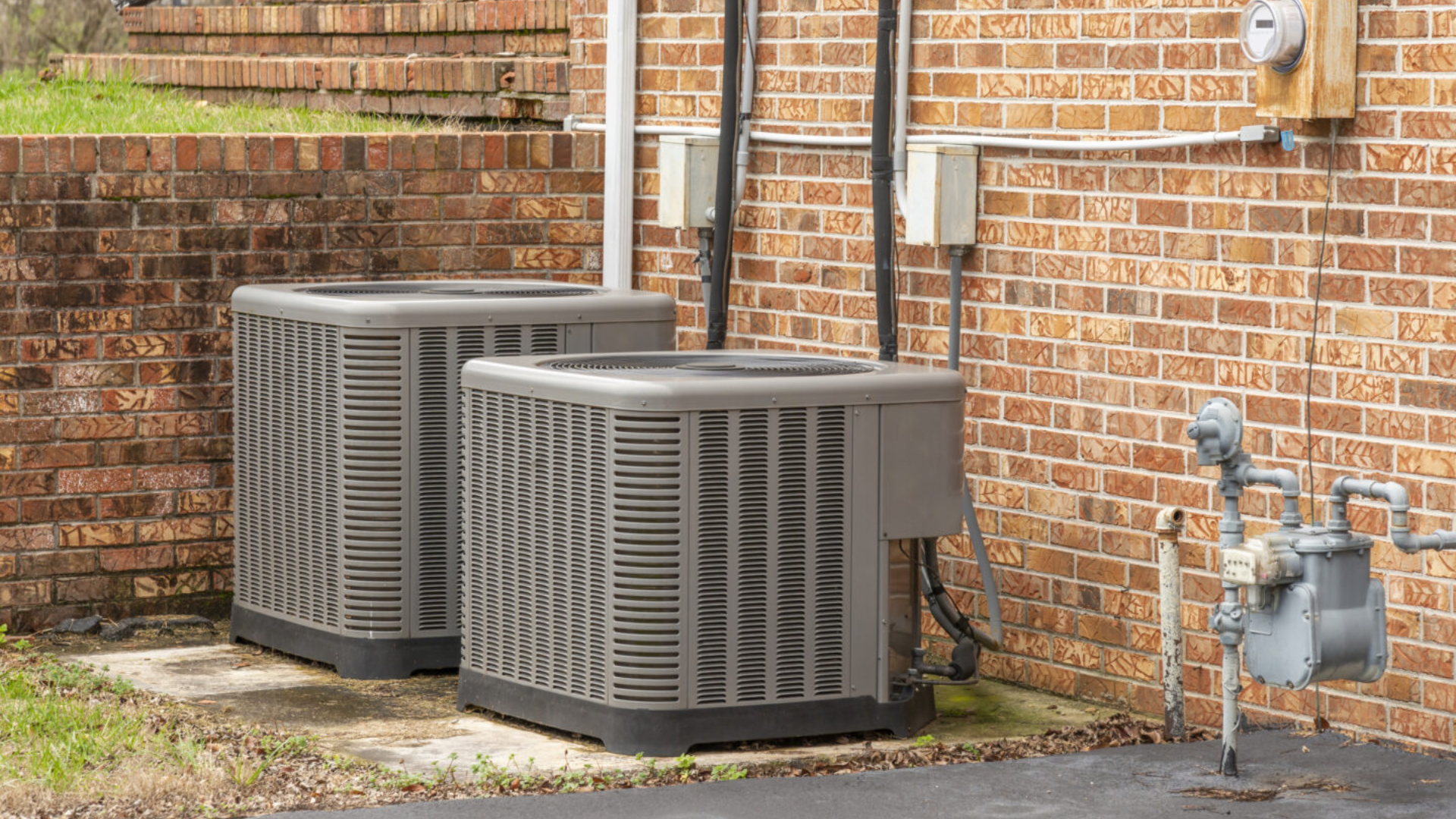
Image source: Alabama Climate Control
A high-efficiency central air conditioner cools air in one main unit and distributes it throughout the home via ducts. It is often considered when the home already has a duct system in decent condition.
Its real performance depends on more than the unit rating. Air leaks, poor duct design, low airflow, or bad installation can reduce the comfort and savings a newer AC should provide.
Features:
- Outdoor condenser and indoor coil setup
- SEER2 rating for cooling performance
- Single thermostat control for the home
- Works with existing forced-air systems
- Can include variable-speed or two-stage operation
5. High-Efficiency Furnaces
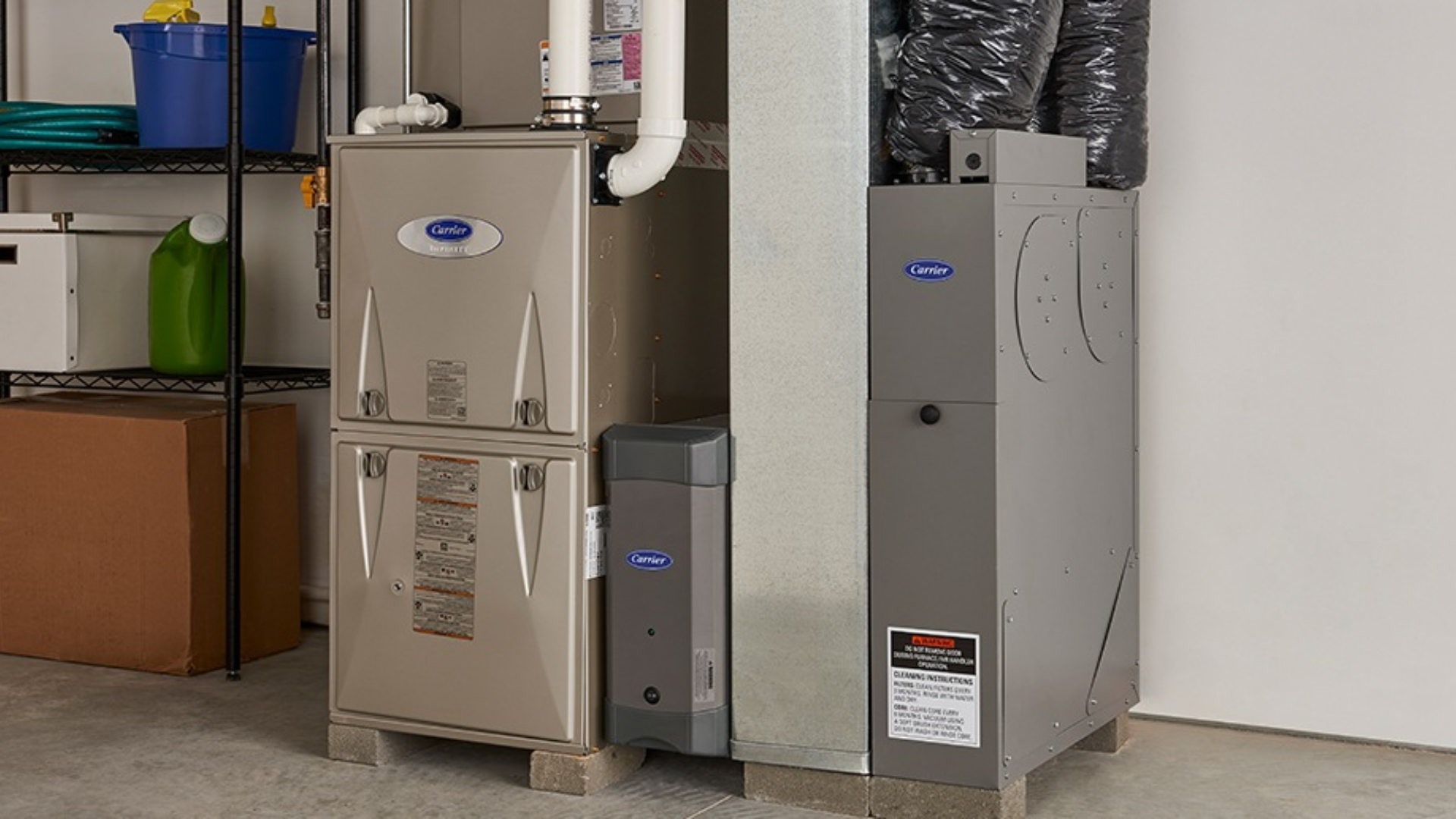
Image source: Indoortemp
A high-efficiency furnace heats air and moves it through ducts with a blower. It is commonly used in homes that need steady heating during colder parts of the year.
The AFUE rating shows how much of the fuel is converted into usable heat. Condensing furnaces often reach higher efficiency by capturing more heat from exhaust gases before they leave the system.
Features:
- Gas valve and heat exchanger system
- AFUE percentage for fuel use
- Blower motor for air movement
- Can pair with central AC
- Sealed combustion options in some models
Quick Comparision Chart
| HVAC System | Best For | Main Benefit | Nuance |
|---|---|---|---|
| Heat Pump | Year-round heating and cooling | Uses less energy by moving heat instead of creating it | May need backup heat in very cold areas |
| Ductless Mini-Split | Rooms without ductwork | Gives room-by-room temperature control | Indoor units stay visible on walls |
| Geothermal Heat Pump | Long-term savings | Offers very high energy efficiency | Costs more to install upfront |
| High-Efficiency Central AC | Whole-home cooling | Works well with existing ducts | Duct leaks can reduce savings |
| High-Efficiency Furnace | Strong winter heating | Uses fuel more efficiently than older furnaces | Does not cool the home by itself |
Things to Keep in Mind Before Choosing
Before choosing an energy-efficient HVAC system, think about how it will fit your home, budget, and daily comfort needs. A system may look great on paper, but it still needs the right setup to work well.
- Do Not Choose By Price Alone: A cheaper unit may end up costing more later if it uses more energy or requires frequent repairs
- Check Your Ductwork First: Old, leaky, or poorly sized ducts can lower the performance of a new system.
- Think About Long-Term Costs: Consider energy use, maintenance, repairs, and system lifespan, not just the upfront price
- Match The System to Your Climate: Some systems work better in mild weather, while others handle colder or hotter areas better
- Ask About Rebates: Some efficient HVAC systems may qualify for rebates, tax credits, or local savings programs
- Get More Than One Quote: Comparing quotes can help you understand fair pricing, installation details, and system options
Wrapping It Up
Heating and cooling your home shouldn’t feel like a gamble. But choosing the wrong system, or ignoring what’s already not working, can quietly drain your wallet for years.
Now you know what actually matters. Efficiency ratings, system types, climate fit, long-term costs- it’s all on the table. And that changes everything about how you shop for one.
So take your time, compare your options, and don’t let price be the only thing that guides the decision. A smarter choice today saves a whole lot of money tomorrow.
Frequently Asked Questions
Do HVAC Efficiency Rules Change by State?
Yes, some rules and rebate programs can vary by state.
Why do HVAC Ratings Use SEER2 and HSPF2 Now?
The Department of Energy updated HVAC testing terms in 2023, so SEER2 and HSPF2 are now used to better reflect real system conditions.
What Parts Make Up an HVAC System?
Common parts include the thermostat, air handler, blower motor, evaporator coil, condenser, ducts, vents, and filter.