

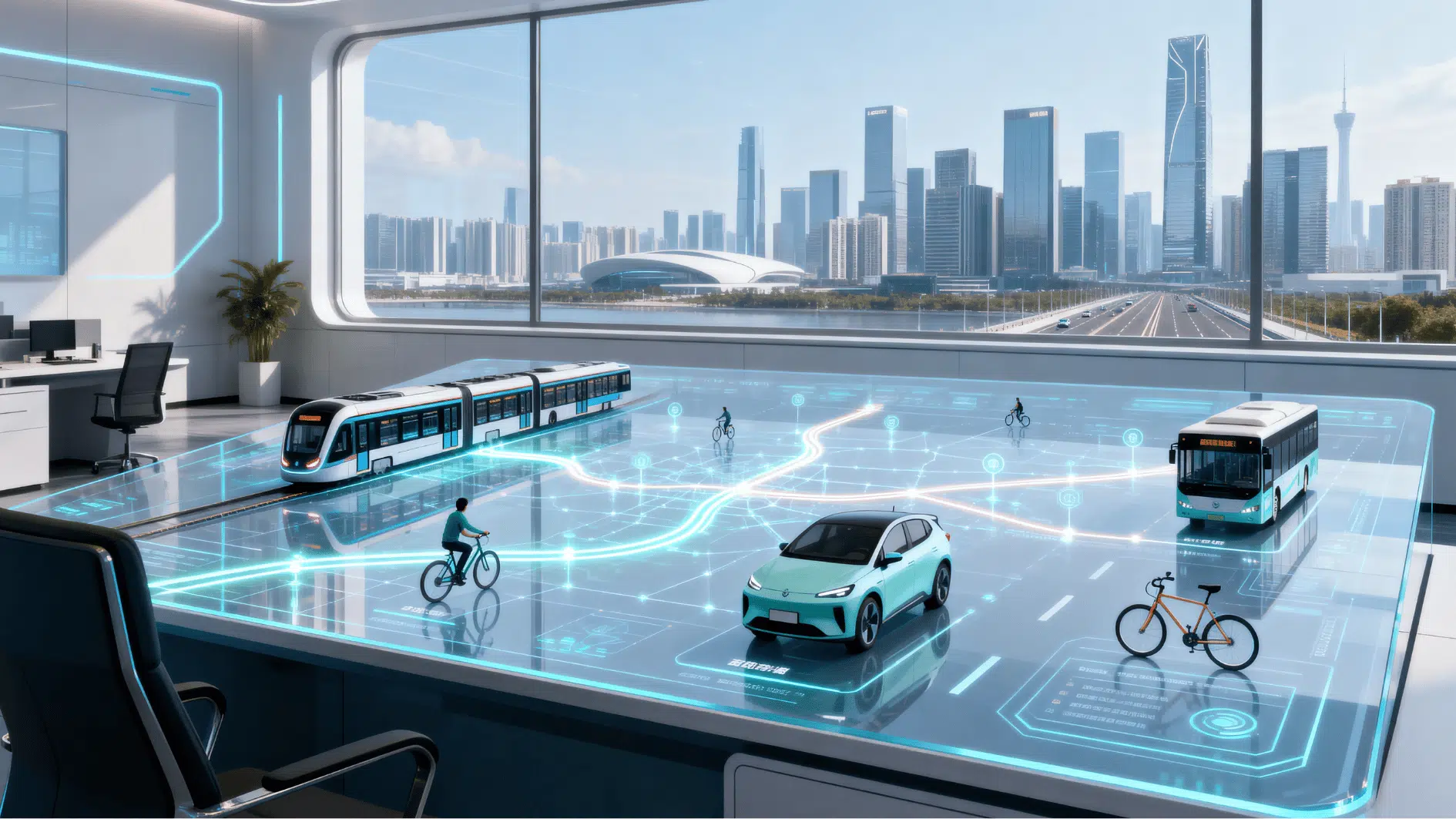






Traffic jams, delayed buses, expensive fuel, and endless parking searches have become part of daily life in many cities.
As transportation problems continue to grow, technology is changing the way people travel. This shift is known as smart mobility, a smarter and more connected approach to daily transportation.
From traffic systems to app-based travel services, smart mobility solutions are already improving how people move through cities every day.
Understanding how these systems work can show why cities are investing in smart mobility to make transportation more efficient, convenient, and ready for the future.
Why Transportation is Becoming Smarter
Transportation is becoming smarter because cities are growing, roads are getting busier, and people expect faster, safer, and easier travel.
Traditional systems were built around fixed routes, fixed signals, and limited updates. That worked for a long time, but it is harder to manage today’s travel demand with the same old setup.
Smart mobility brings technology into the picture. It uses data, GPS, sensors, live tracking, and connected systems to help transportation networks respond faster.
This means traffic teams can spot delays sooner, passengers can check real-time updates, and drivers can choose better routes before getting stuck.
| Area | Traditional Transportation | Modern Smart Transportation |
|---|---|---|
| Traffic | Fixed traffic signals | Signals adjust with live traffic |
| Updates | Few real-time alerts | Live route and delay updates |
| Fuel Use | More fuel wasted in traffic | Better routes reduce fuel waste |
| Pollution | Higher emissions from congestion | Smoother flow can lower emissions |
| Public Transport | Fixed schedules | Live tracking and better timing |
| Route Planning | Based on old reports | Based on real-time data |
This shift is not just about using new gadgets. It is about making daily travel more organized, less wasteful, and easier for everyone who depends on roads, buses, trains, and delivery networks.
What is Smart Mobility?
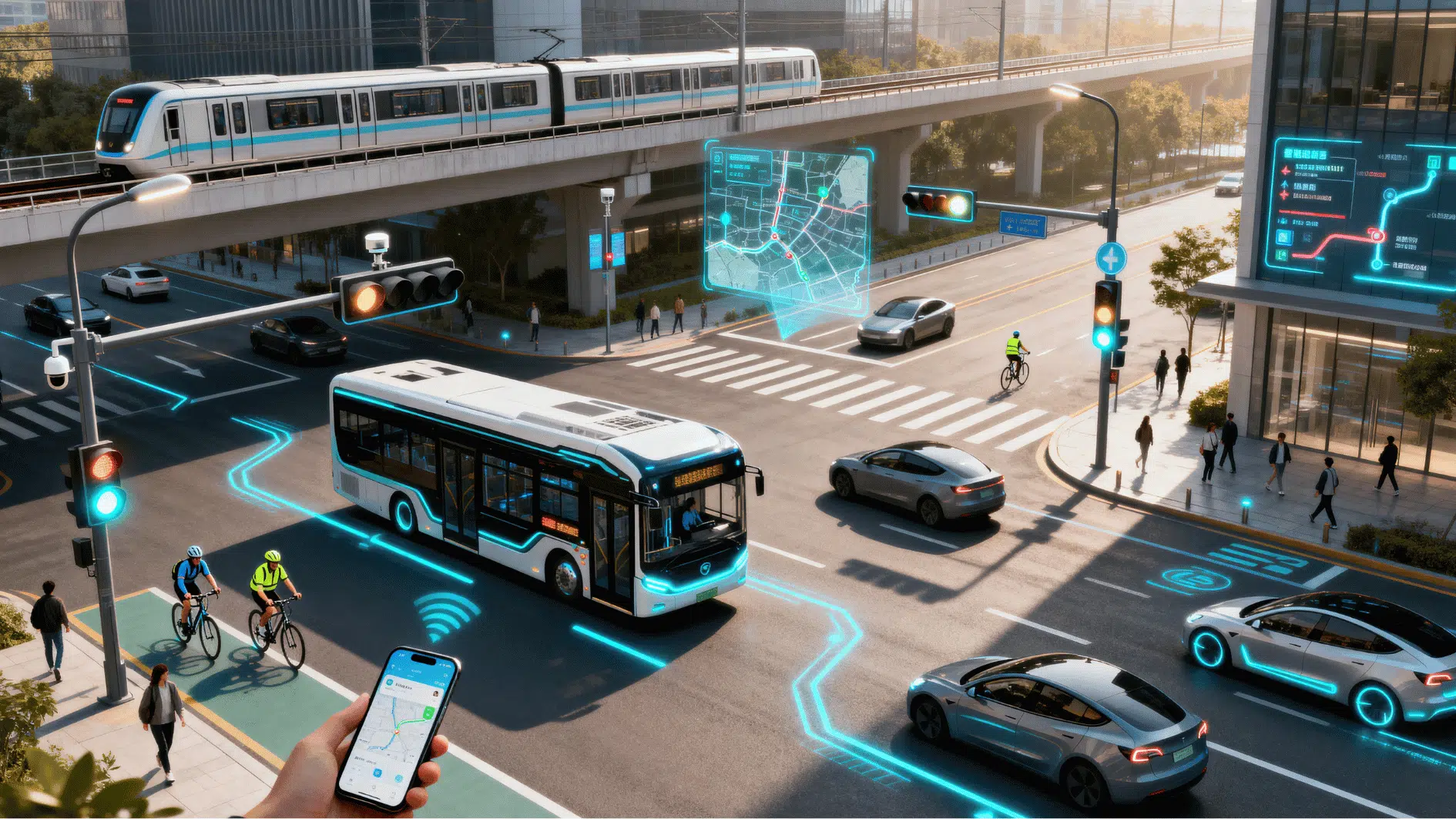
Smart mobility means using digital tools to make everyday travel easier, safer, cleaner, and more convenient.
It is not just about cars, buses, or trains becoming more advanced. It is about making the whole travel experience work better, from planning a trip to reaching the final stop.
The goal is simple: help people move around with less stress, fewer delays, and better choices. It also helps cities use roads and transport services in a smarter way, instead of depending only on old systems and fixed schedules.
Digital technology plays a big role here. It helps collect travel information, connect transport services, and give people useful updates when they need them.
It focuses on:
- Better Trip Planning: People can use digital tools to check routes, timing, and travel options before they leave.
- Smoother City Travel: Cities can manage transport services in a more organized way.
- Less Travel Waste: Smarter systems can reduce delays, repeated trips, and unnecessary fuel use.
- Cleaner Movement: Better travel choices can support lower pollution over time.
- Easier Daily Travel: The goal is to make getting around feel less stressful for everyone.
Key Characteristics of Smart Mobility
Smart mobility works because it connects people, vehicles, roads, and data. These features help transportation systems become faster, cleaner, and easier to use.
1. Real-Time Connectivity
This helps transport systems share live updates instead of depending on old or delayed information.
- Live Traffic Monitoring: Tracks road conditions and busy routes.
- GPS-Enabled Systems: Shows the exact location of vehicles and routes.
- Public Transport Updates: Gives live bus, train, or metro arrival times.
2. Data-Driven Transportation
Data helps cities and transport providers make smarter travel decisions.
- AI Traffic Management: Helps reduce delays and manage traffic flow.
- Route Optimization: Suggests better routes based on live conditions.
- Predictive Planning: Helps prepare for busy hours and travel demand.
3. Sustainable Mobility
This focuses on cleaner travel and lower fuel use.
- Electric Vehicles: Support travel with fewer tailpipe emissions.
- Eco-Friendly Transport: Encourages cycling, walking, and public transport.
- Shared Mobility: Ride-sharing, bike-sharing, and scooter-sharing can reduce single-person trips.
4. User-Friendly Travel Experience
Smart mobility also makes travel simpler for everyday users.
- Mobile Ticketing: Lets people book or scan tickets from their phones.
- Contactless Payments: Makes travel payments faster and easier.
- App-Based Planning: Helps users compare routes, book rides, and plan trips in one place.
Main Components of Smart Mobility Systems
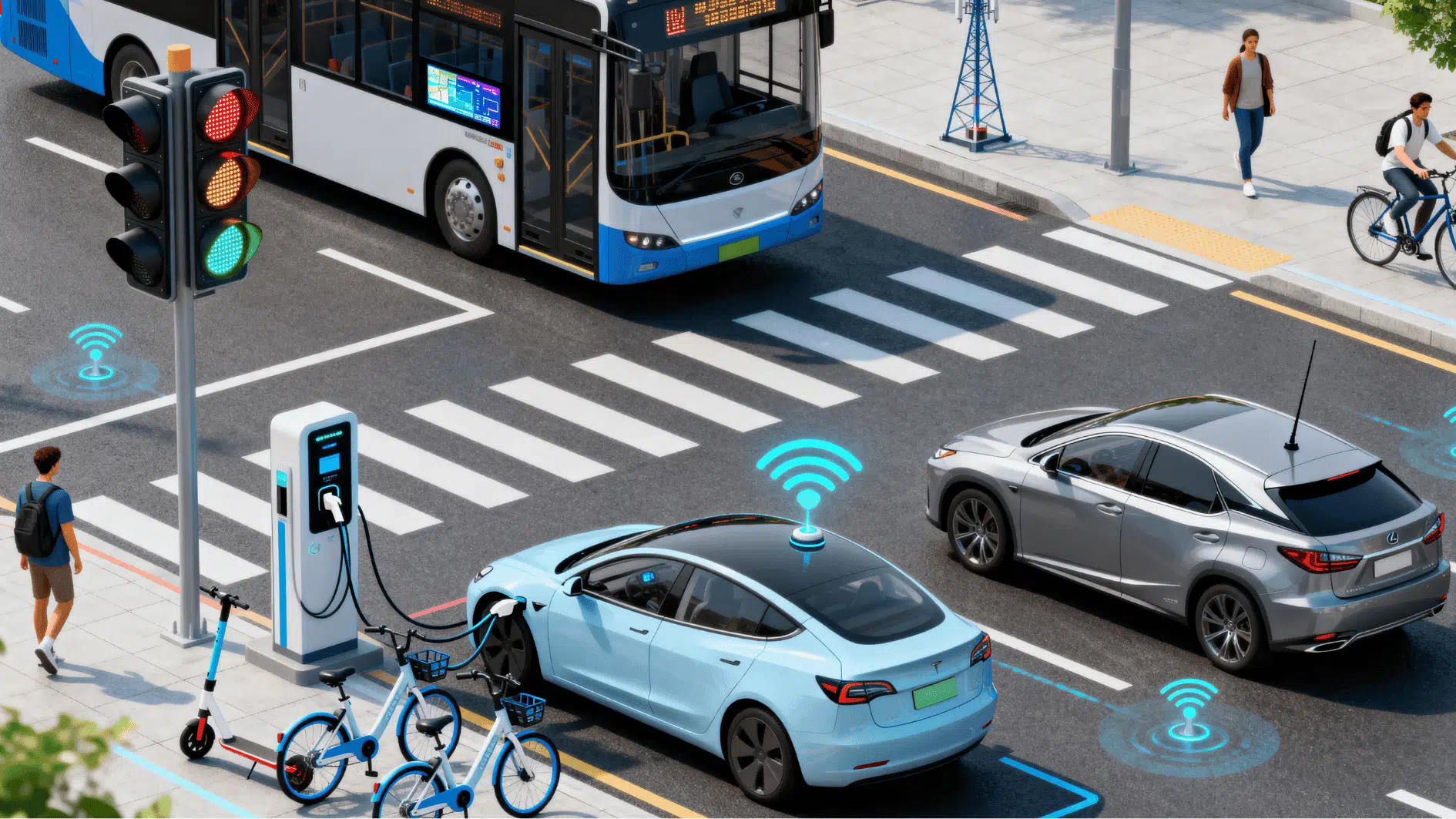
Smart mobility systems are made of different moving parts. Each one supports a specific area of transportation, from road control to public travel and shared services.
1. Intelligent Transport Systems
This is the road management side of smart mobility.
It covers:
- Smart traffic lights
- Traffic monitoring systems
- Automated toll collection
2. Smart Public Transportation
This part focuses on making buses, trains, and metros easier to access and manage.
It covers:
- Real-time bus and train tracking
- Digital fare collection systems
- Passenger information displays
3. Connected and Electric Vehicles
This part connects vehicles with digital networks and cleaner energy systems.
It covers:
- EV charging infrastructure
- Vehicle communication technology
- Connected fleet systems
4. Shared Mobility Platforms
This part gives people flexible travel options without depending only on private cars.
It covers:
- Ride-sharing services
- Bike-sharing systems
- Scooter-sharing systems
Together, these components form the base of smart mobility systems. They help transport networks connect, respond, and operate in a more organized way.
Smart Mobility Challenges and Solutions
Smart mobility is useful, but cities may face a few challenges while setting it up. The good news is that many smart mobility solutions can help solve these problems in practical ways.
| Challenge | Why It Matters | Smart Solution |
|---|---|---|
| Traffic Congestion | Roads get crowded and trips take longer. | Use smart signals and traffic control systems. |
| Parking Struggles | Drivers waste time finding open spots. | Use parking sensors and parking apps. |
| Scattered Transport Options | People need different apps for different rides. | Use one platform for buses, trains, bikes, and rides. |
| Safety Gaps | Roads and vehicles may not share updates quickly. | Use connected vehicle systems. |
| High Setup Costs | Sensors, networks, and upgrades can be expensive. | Start with small upgrades and expand slowly. |
| Data Privacy Risks | Travel apps and systems collect user data. | Use secure platforms and clear privacy rules. |
| Limited Smart Infrastructure | Some areas lack strong digital systems. | Begin with busy routes and high-traffic areas. |
Smart Mobility Technologies and Their Role
Smart mobility runs on a mix of digital technologies. Each one handles a different part of the system, from tracking movement to managing transport data. These tools work together to make travel faster, safer, and easier to plan.
Artificial Intelligence
Artificial Intelligence helps transport systems make smarter decisions. It can study traffic patterns, suggest better routes, and help reduce delays during busy hours.
For example, if one road is too crowded, AI can help guide traffic toward another route before the problem gets worse. AI can also help transport teams predict busy times, manage signals, and improve how vehicles move through the city.
IoT Sensors
IoT sensors collect live information from roads, vehicles, signals, and transport stations. These small devices can track traffic speed, vehicle movement, parking spaces, and road conditions. This helps cities understand what is happening on the road without checking everything manually.
For example, sensors can show when a road is getting crowded or when a parking space is free. This makes transport systems more aware and responsive.
GPS Tracking
GPS tracking shows the live location of vehicles, routes, and passengers. It helps people know where a bus, taxi, or delivery vehicle is at any moment.
It also supports real-time navigation, so users can find faster routes and avoid delays. GPS is also useful for transport companies because they can track fleets, manage routes, and give customers better arrival updates.
5G Connectivity
5G supports faster communication between transport systems. It helps vehicles, apps, sensors, and control centers share information quickly. This fast connection is useful when systems need to respond in seconds, such as during traffic changes or road emergencies.
With better connectivity, smart mobility tools can work with less delay and give users more accurate travel updates.
Cloud Computing
Cloud computing stores and manages large amounts of transport information. Instead of keeping all data on one local device, cloud systems allow apps, city teams, and transport services to access information from one shared space.
This makes updates faster and easier to manage. It also helps different systems stay connected, such as ticketing apps, traffic dashboards, and public transport platforms.
Big Data Analytics
Big data analytics helps cities study travel patterns. It can show where people travel most, when roads get busy, and which routes need better service.
This helps cities make smarter plans for roads, buses, trains, and other transport needs. Over time, this data can help reduce delays, improve routes, and make daily travel more convenient for everyone.
The Future of Smart Mobility
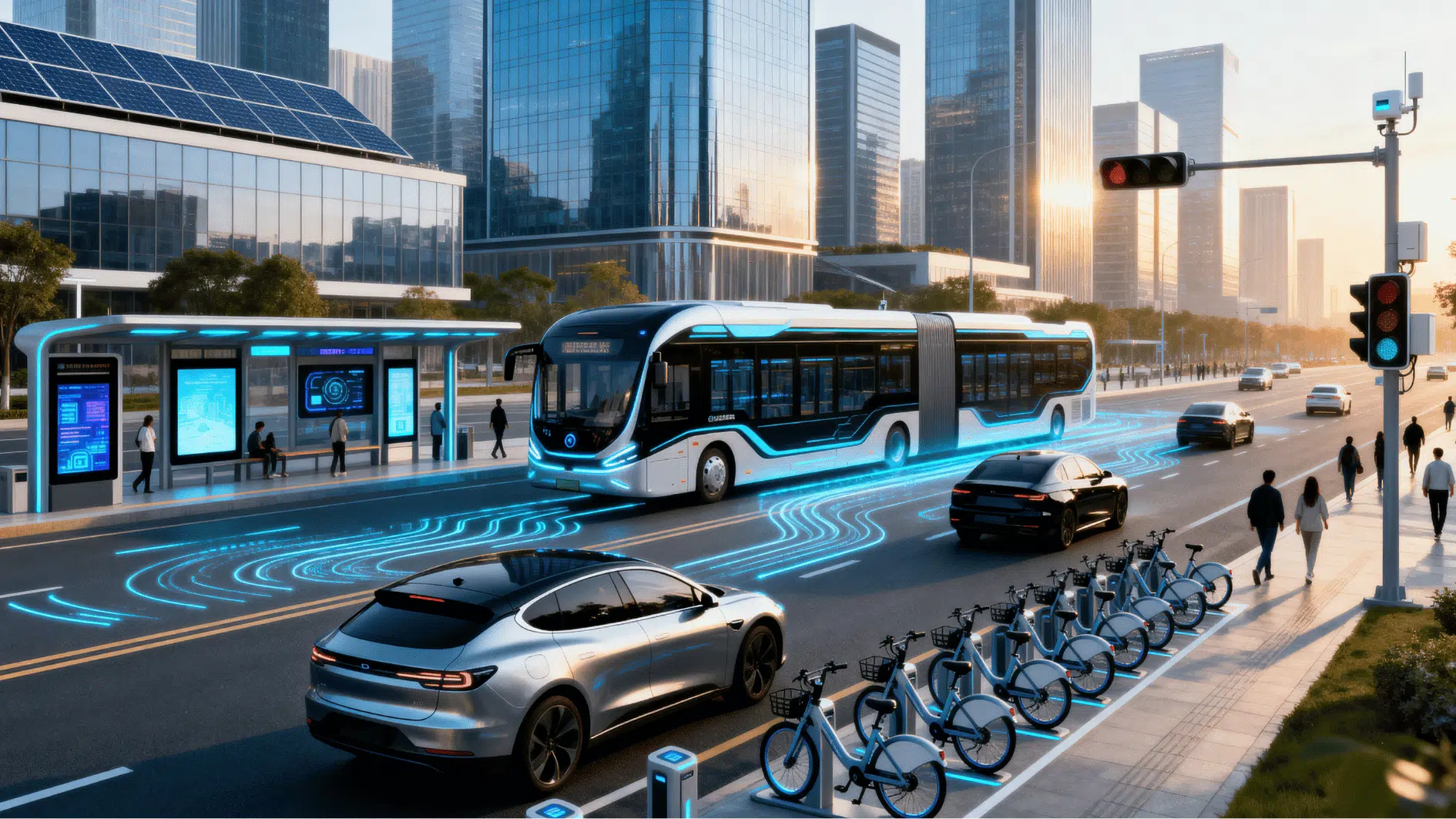
The future of smart mobility is moving toward cleaner, faster, and more connected transportation.
Electric mobility will continue to grow as more cities add charging stations and more people shift to electric cars, buses, and delivery vehicles. This can help reduce fuel use and support cleaner travel.
AI will also play a bigger role in transportation. It may help manage traffic, predict travel demand, and improve routes with less manual work.
Public transportation will become smarter too, with better live updates, easier payments, and more reliable services.
Over time, these changes can support fully connected smart cities, where roads, vehicles, public transport, and digital systems work together to make daily travel smoother and easier.
Conclusion
Smart mobility is about using technology to make transportation safer, cleaner, and easier to manage. It matters because modern cities need better ways to handle traffic, public transport, parking, and daily travel demand.
Smart mobility solutions are already improving how people move every day. They help reduce delays, support better route planning, make public transport easier to use, and give cities useful data for smarter decisions.
As transportation becomes more connected, smart mobility can make daily travel smoother and more reliable. The future of mobility is built around making movement easier for everyone.
Frequently Asked Questions
Is Smart Mobility Only for Big Cities?
No, smaller cities can also use smart mobility through digital tickets, traffic tools, and better transport planning.
Does Smart Mobility Replace Private Cars?
No, it does not replace cars fully. It simply gives people more travel choices beyond personal vehicles.
Who Owns the Data in Smart Mobility Systems?
Data is usually managed by cities, transport agencies, or service providers, based on local rules and policies.
Can Smart Mobility Improve School Transportation?
Yes, schools can use tracking tools to monitor buses, update parents, and improve student pickup and drop-off.