



Smart speakers have come a long way, but most still make you choose between sound quality and smart features.
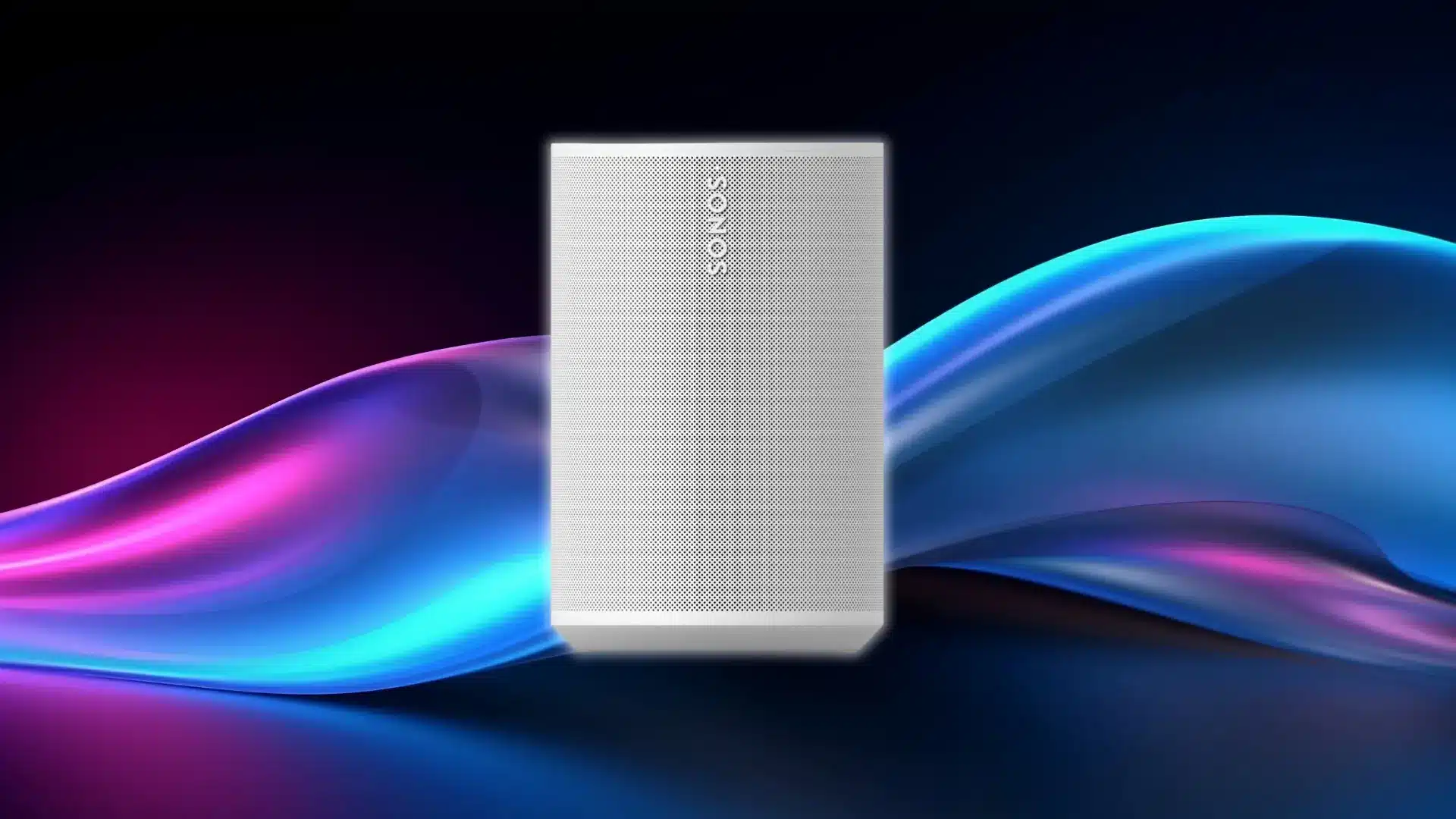
The Sonos Era 100 tries to solve that. At $189, it promises stereo sound, flexible connectivity, and a platform built for the long haul. Whether it actually delivers depends on who’s buying and what they expect.
This Sonos Era 100 review cuts through the spec sheet to tell you what the listening experience is really like, where the speaker falls short, and exactly who it’s built for.
Who is the Sonos Era 100 for?
The Sonos Era 100 costs around $189 and replaces the Sonos One as the entry-level home speaker.
It’s meant to stay in one room and stay plugged in. No battery, not portable. It works best for people who want strong sound from a small speaker, either alone or as part of a Sonos multi-room system.
It’s a solid step up from a basic Amazon or Google smart speaker. It also suits anyone on a Sonos One who wants noticeably better audio without jumping to a bigger unit.
Note: there’s an Era 100 SL. It’s the same speaker but without a built-in microphone and costs about $30 less. If you don’t need voice controls, check that version first.
Sonos Era 100 Review: How Does it Actually Sound?
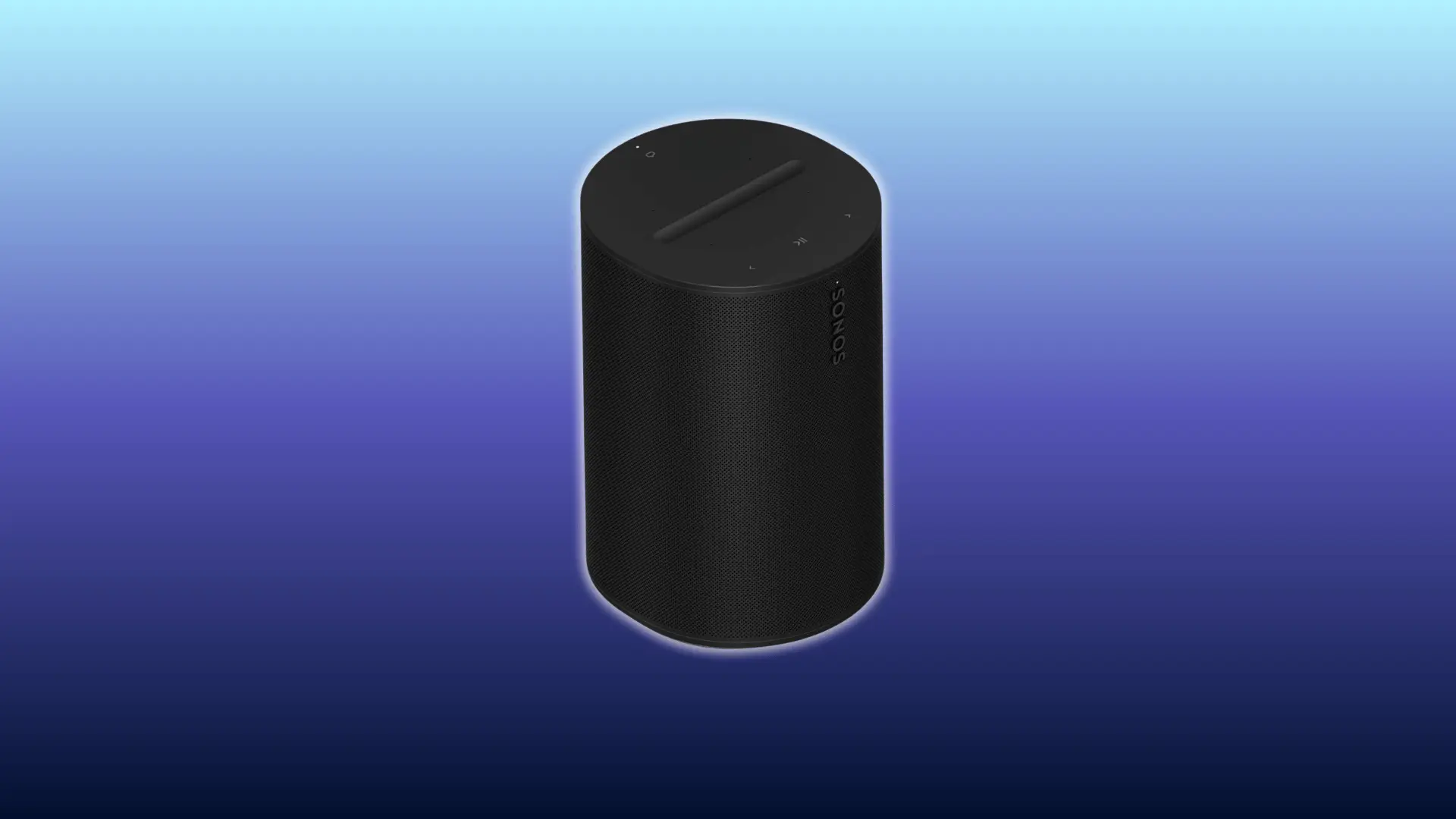
The sound is where the real story is. This is what separates the Era 100 from every other compact smart speaker at this price.
Bass and Low-End Performance
The Era 100 has a midwoofer about 25% bigger than the one in the Sonos One. A larger driver moves more air, which is why the bass hits with real weight without turning muddy or distorted.
At normal listening levels, the low-end stays tight and controlled. For a speaker this size, that’s not a given.
One thing to know: at higher volumes, the bass can lean heavy-handed.
It’s not a dealbreaker, but if you prefer a neutral low-end, run Trueplay first and nudge the bass EQ down in the app. That brings it into line without losing the warmth.
Stereo Imaging and Soundstage
Most compact smart speakers project everything from a single point. The Era 100 works differently.
It has two tweeters inside, each angled roughly 45 degrees apart, which disperses high frequencies across the room rather than firing them straight forward.
The result is a soundstage that feels noticeably wider and more open. Sit anywhere in the room and it still sounds full. That’s the main reason it feels like a genuine step up, not just a hardware refresh.
Stereo Pairing
Two Era 100s in the same room can be paired as a true stereo system, one handling the left channel, one the right.
That’s different from the spread you get from a single unit. With a proper stereo pair, instruments and vocals separate across a wider physical space. It starts to feel closer to a real hi-fi setup than a smart speaker.
At $378 total it’s not cheap, but if audio quality is the priority, the pairing is where the Era 100 really shows what it can do.
Volume Ceiling and Room Size
The Era 100 fills a small to medium room, up to around 300 square feet, without straining. It gets loud enough for everyday use in that kind of space.
For anything larger, a stereo pair or the Era 300 will give you the coverage you need.
Smart Features and App: What Works, What Doesn’t
The sound holds up on its own. Where things get more complicated is everything around it: the voice assistants, the app, and the connectivity that ties it all together.
Voice Assistants
The Era 100 works with Amazon Alexa and Sonos Voice Control. Setup is simple, and both perform reliably day to day.
Google Assistant isn’t supported. It was never added, and there’s no indication that’s changing.
If your smart home runs on Google Nest devices, routines, or Assistant habits, this is a real compatibility gap, and not just a minor inconvenience. It won’t get fixed later, so factor that in before buying.
AirPlay 2
If you’re in the Apple ecosystem, AirPlay 2 is the most seamless way to use this speaker. It’s built in.
You can stream directly from an iPhone, iPad, or Mac without opening the Sonos app at all. Siri voice commands from your phone route audio straight to the Era 100.
For Apple users, AirPlay 2 often replaces both Bluetooth and voice assistant use entirely; it’s worth knowing it’s there.
Connectivity
The Era 100 runs on Wi-Fi 6, which means faster and more stable streaming than older standards, even when your home network is busy. For a speaker that lives in one room permanently, that matters more than it sounds.
You also get Bluetooth 5.0 for quick connections without touching the app. Handy when a guest wants to take over the music or you want to connect a device that isn’t on the network.
The App Situation
The Sonos app is in a much better place than it was. The 2024 overhaul was rough; features disappeared, simple controls got buried, and anyone used to the old app felt lost almost immediately.
By 2025 and into 2026, Sonos brought back most of what mattered. Navigation is cleaner now, and I haven’t had to fight the app to control speakers or set up rooms.
That said, I’d still check recent user reviews before buying. The app shapes daily use more than any spec on the sheet, and it’s worth confirming it works the way you’ll actually use it.
Trueplay
Trueplay is the first thing I set up, and it’s worth doing before you start listening. It’s Sonos’s room calibration tool, and the difference it made was clear straight away.
There are two versions.
Quick Tuning works on both Android and iOS; it uses the speaker’s built-in microphones to read the room and adjust the EQ.
Advanced Tuning is iOS only and uses your iPhone’s microphone instead, which Sonos considers more precise.
In testing, Quick Tuning makes a real difference; Advanced Tuning takes it a step further if you have an iPhone available.
My room tends to get boomy, and before Trueplay, that was obvious. Afterward, it sounded much more balanced. It takes a couple of minutes, and it’s free, no real reason to skip it.
Era 100 vs. the Alternatives: When to Buy Something Else
The Era 100 is a strong speaker. But strong doesn’t mean right for everyone. Here’s how it stacks up against the options you’re most likely comparing it to.
| Feature / Model | Era 100 | Sonos One | Bose Home 500 | Echo Studio | Era 100 SL |
|---|---|---|---|---|---|
| Stereo Separation | Yes | No | Yes | Yes | Yes |
| Bluetooth | Yes | No | No | No | Yes |
| AirPlay 2 | Yes | Yes | No | No | Yes |
| Woofer Size | Larger | Smaller | Medium | Medium | Larger |
| Voice Assistant | Alexa / Sonos | Alexa / Sonos | Google Assistant | Alexa | None |
| Multi-Room Support | Full Sonos | Full Sonos | Limited | Limited | Full Sonos |
| Best For | Balanced sound, multi-room setup | Budget Sonos users | Larger rooms, Google ecosystem | Casual Alexa users | Same sound as Era 100, no voice control |
| Price | ~$189 | Slightly cheaper | Higher | Lower | ~$30 less than Era 100 |
If you don’t use Alexa or Sonos Voice Control, buy the SL. You get the same sound for around $30 less. There’s no other trade-off.
Verdict: Should You Buy the Sonos Era 100?
The Era 100 is the easiest recommendation Sonos has had in a while, but only for the right buyer.
- Starting a Sonos multi-room setup or upgrading from a Sonos One: This is the sweet spot. The Era 100 delivers real stereo sound from a compact speaker. You’re getting two angled tweeters, a dedicated midwoofer, and three Class-D amplifiers, a driver setup most compact speakers at this price don’t come close to.
- Using Alexa or Sonos Voice Control: The smart features hold up day to day. Setup is quick, reliability is solid, and AirPlay 2 gives Apple users an even easier path in.
- Primarily a Bluetooth listener: Think twice. The Era 100 handles Bluetooth fine, but cheaper speakers can do the same. The extra cost buys you the Sonos ecosystem and sound quality — if you’re not using both, you’re not getting full value.
- Running a Google Assistant smart home: Don’t. The compatibility gap is real and isn’t going away. Google Assistant was never added and there’s no sign that changes.
At $189, the Era 100 sits in a spot few compact speakers do. Strong sound, flexible connectivity, and a platform that gets better the more you build around it.
Conclusion
The Sonos Era 100 rewards buyers who know what they’re walking into. The sound is impressive for its size. The connectivity is flexible. The ecosystem, when it works well, is one of the best in the business.
What this speaker does best is make a room sound better without demanding much in return. If that’s what you’re after, it delivers.
Frequently Asked Questions
Does the Sonos Era 100 work without the Sonos app?
Yes, for Bluetooth playback only. Multi-room, Trueplay, Wi-Fi streaming, and voice assistant setup all require the app and a network connection.
What is the difference between the Sonos Era 100 and the Era 100 SL?
The SL has no built-in microphone and no voice assistant. Audio is identical. It costs about $30 less if you don’t need voice controls.
Can I connect a turntable to the Sonos Era 100?
Yes, using the USB-C line-in port. A 3.5mm-to-USB-C adapter is needed, and a phono preamp is required if your turntable doesn’t have one.
Is the Sonos Era 100 loud enough for a large room?
It fills rooms up to about 300 square feet. Larger rooms need a stereo pair or the bigger Era 300 for full sound.