

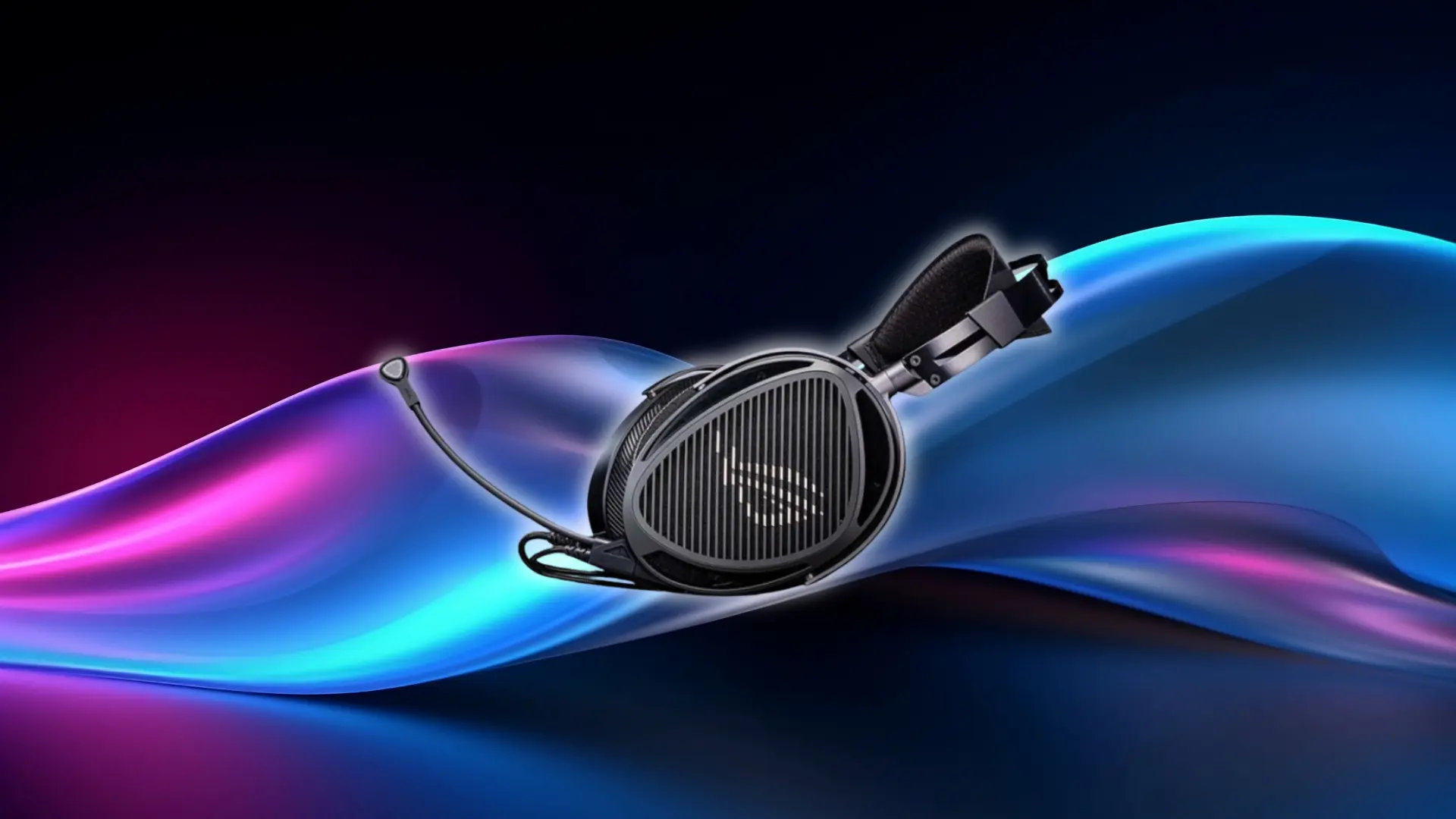



Open-back headphones offer a listening experience that feels spacious and immersive, but they’re not automatically better than closed-back designs.
Understanding how they work, when they make sense, and what setups they need can completely change how you hear music, games, or mixes.
Today, I’ll break down the science behind open-back sound, explore practical use cases from casual listening to professional mixing, and compare standout models across different budgets.
You’ll also get insights into amp requirements, DAC considerations, and why choosing the right environment is just as important as the headphone itself.
Let’s get into what makes open-back headphones truly unique.
Open-Back Headphones: Are They Right for You?
Open-back headphones are not automatically better headphones. That’s the right place to start before looking at any model.
Closed-back headphones seal the ear completely. They can match or exceed open-back in bass response, isolation, and portability. Open-back is better for specific conditions and worse for others. Knowing which side of that line you’re on matters more than any spec comparison.
How Open-Back Headphones Actually Work
Open-back headphones have earcups with holes or grills that let air and sound pass through freely.
That’s what separates them from closed-back designs, and what gives them their distinctive sound.
In a closed-back headphone, sound from the back of the driver has nowhere to go. It bounces back, mixes with the main signal, and adds warmth or extra bass that isn’t in the original recording. With open-back headphones, that sound escapes. What you hear is cleaner and closer to what was actually recorded.
The result is a wide soundstage; the music feels like it’s around you rather than pressed against your ears, and instruments feel more precisely placed. It’s closer to listening to speakers in a room than to a sealed headphone pushing sound into your ear.
When Open-Back Makes Sense (And When It Doesn’t)
Open-back headphones let sound flow both ways. You hear your surroundings; others can hear your audio. This design works best in private spaces or at a dedicated studio desk. In shared or noisy environments, closed-back is the practical choice.
Here’s how they fit different use cases, and where they don’t belong:
- Home Listening: Ideal for private room listening. Not suitable for commuting or public transport.
- Studio Reference: Built for critical listening at a dedicated setup. Avoid shared offices or open-plan workspaces.
- Music Production: Works well at a dedicated desk. Not recommended for the gym or any outdoor use.
- PC Gaming: Best at home when playing alone. Not practical in environments where sound leakage would disturb others.
If your listening space is private and consistent, open-back makes sense. If you move around or share space, it usually doesn’t.
Best Open-Back Headphones by Budget
The right open-back headphone depends on three things: your budget, your use case, and what you’re plugging it into. The picks below are organized by price tier. Find your range, check the amp requirement, and the right model becomes clear.
Under $200
A solid entry point for open‑back headphones, this tier balances quality and accessibility, letting you experience spacious, detailed sound without breaking the bank.
1. Sennheiser HD 560S (~$150–$199)
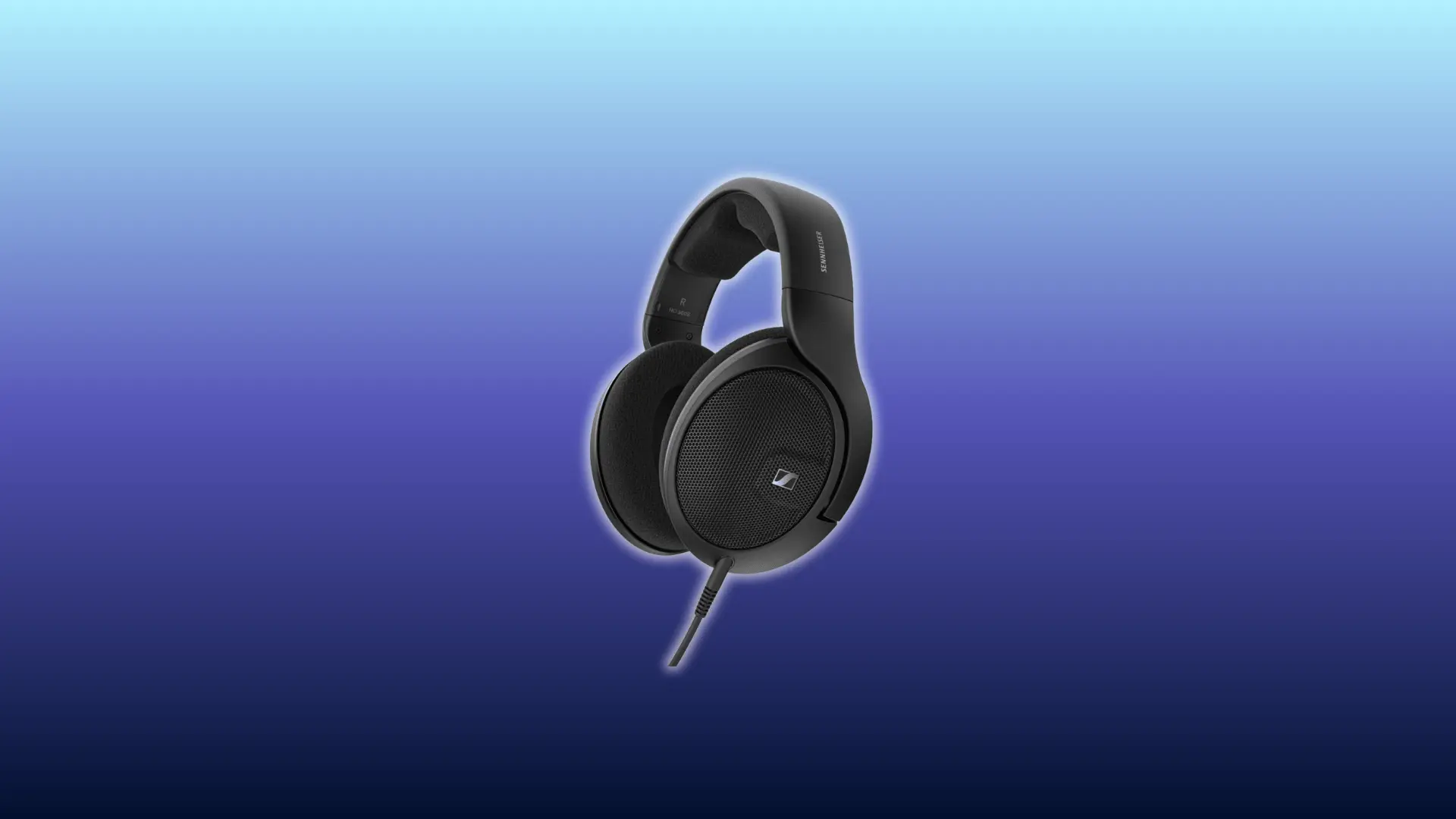
The HD 560S delivers a wide, clear sound that works for music, gaming, and critical listening. It’s neutral, tracks sound natural, nothing is pushed.
You can drive it from a phone or laptop without extra gear, which makes it one of the most accessible picks at this price.
2. Beyerdynamic DT 990 Pro (~$150–$170)
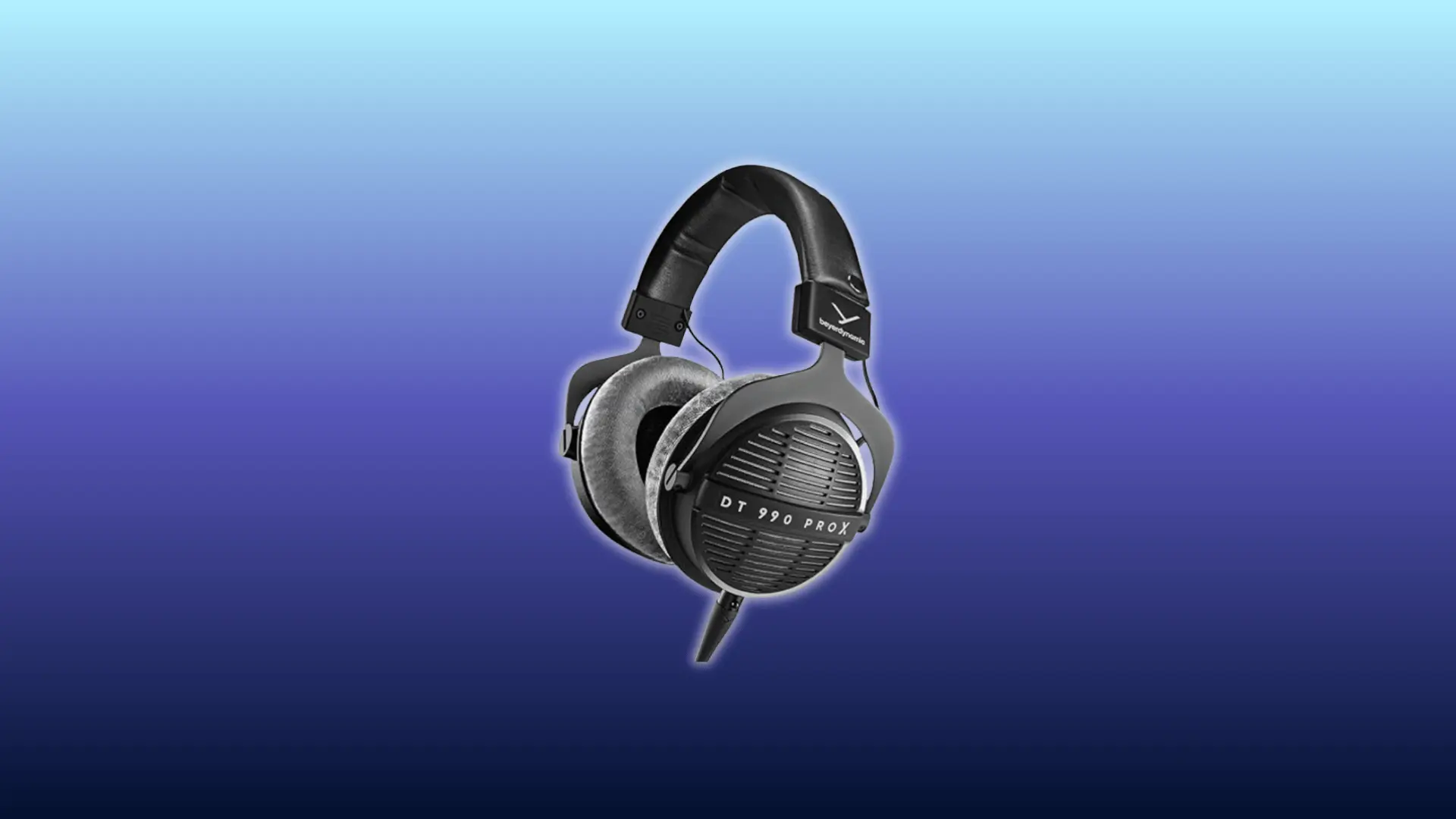
Punchy bass and bright highs give the DT 990 Pro a lively, energetic sound. The 250Ω version needs an amp; the 80Ω version works with most devices. Tough build, clear detail, long lifespan, a studio favorite that holds up just as well for gaming.
3. Audio-Technica ATH-R50x (~$169)
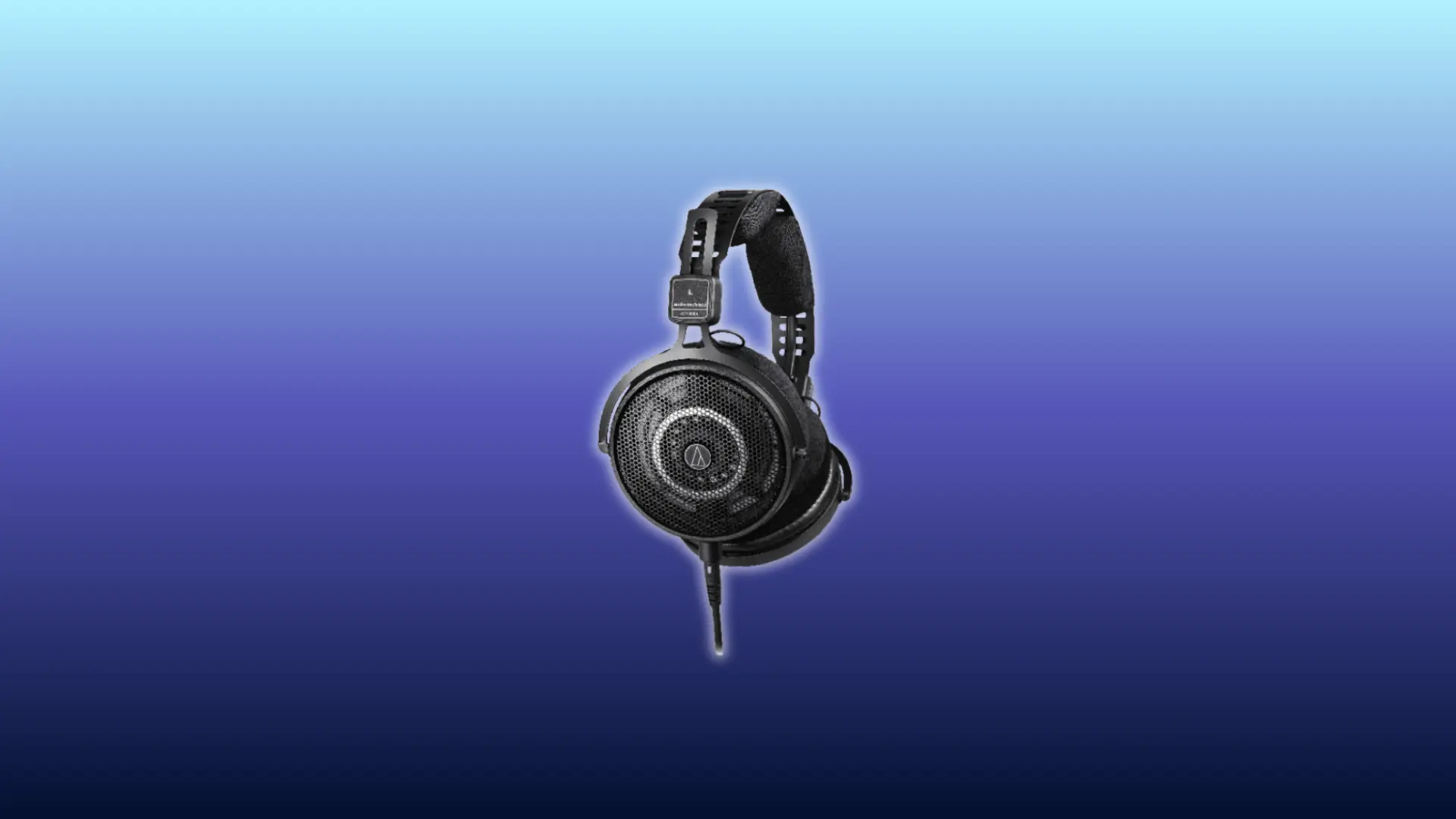
A slightly warm, natural sound that’s easy on the ears for long sessions. Drives from a phone or laptop without an amp. A solid middle ground, less sharp than the HD 560S, more affordable than the HD 600.
4. Sennheiser HD 599 (~$150–$170)

Warm and relaxed with smooth treble that doesn’t fatigue. Runs from any device without an amp. If comfort and musical enjoyment matter more to you than strict accuracy, this is the one.
5. FiiO FT1 Pro (~$200)
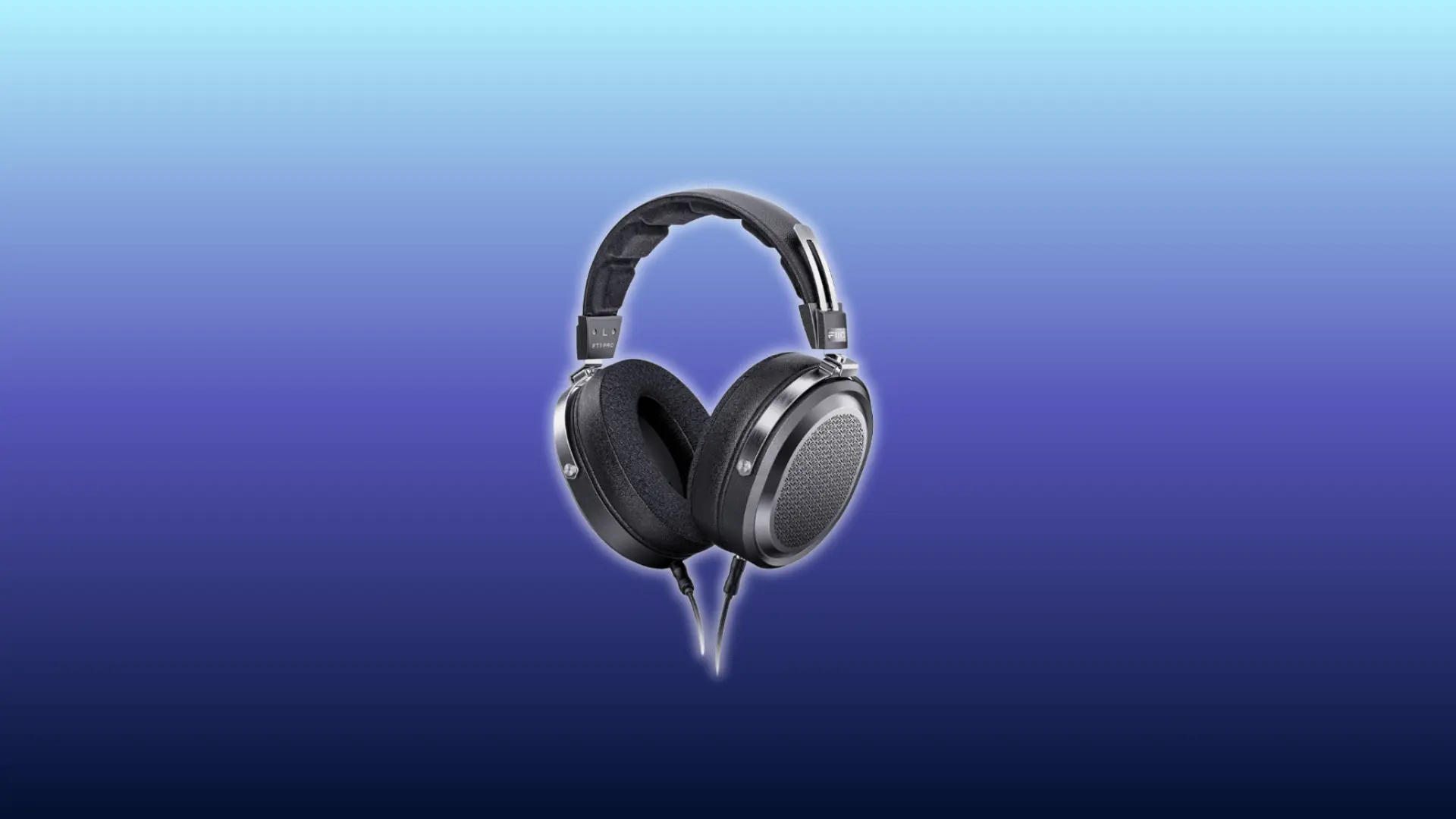
Fast and detailed with a neutral sound and good low-end presence. No amp required. A strong alternative to the HD 560S if you want a slightly fuller bass and a more energetic presentation without climbing to the next price tier.
In the Range of $200–$400
This midrange tier delivers noticeable improvements in clarity, imaging, and resolution, often requiring an amp to unlock their full potential.
6. Sennheiser HD 600 (~$300–$350)
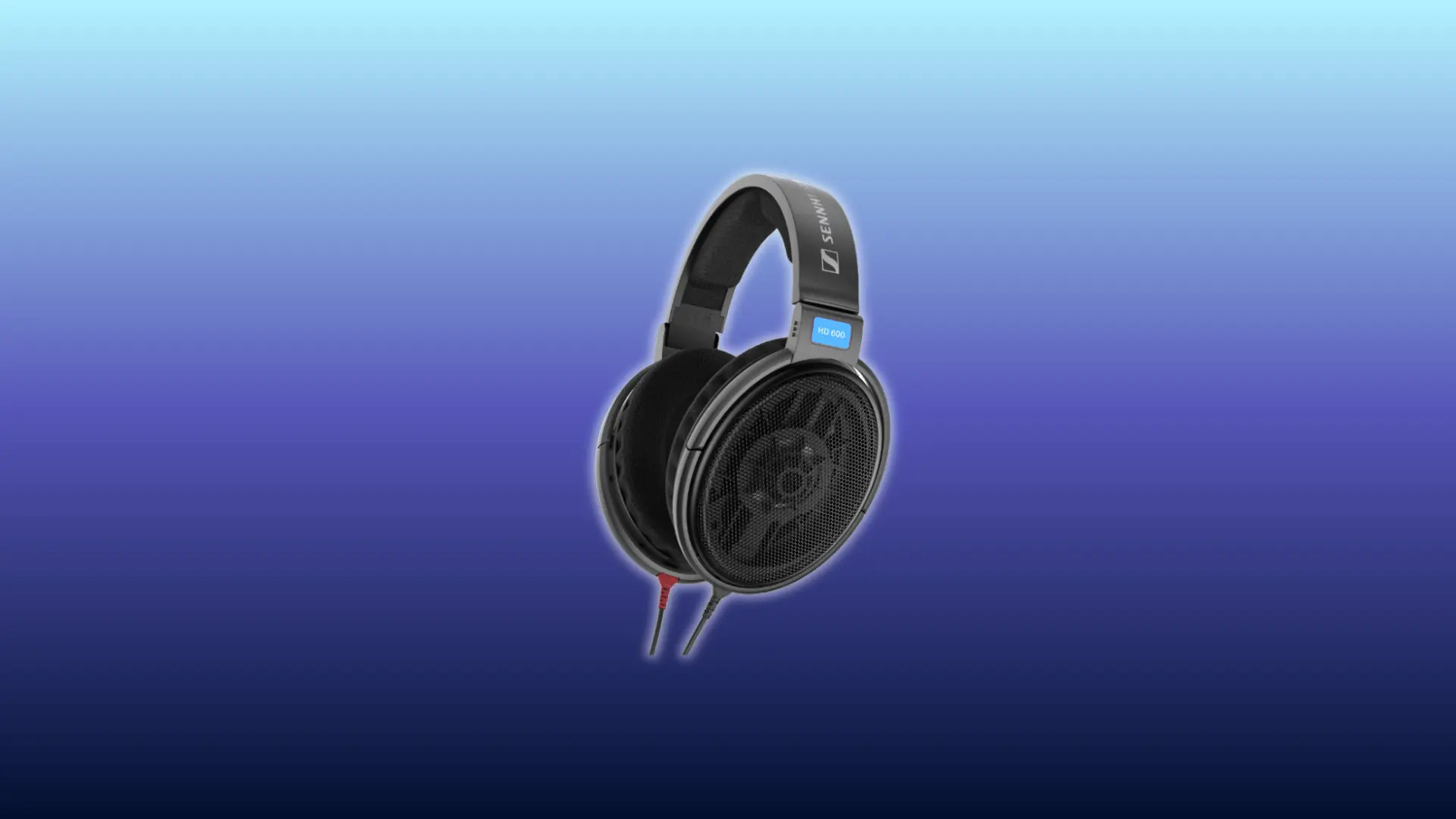
A reference standard, the HD 600 has a 300Ω driver, clear mids, natural vocals, and a benchmark frequency response that’s held up for over two decades.
It needs a dedicated amp. Without one, the bass compresses and the sound goes thin. Pair it with an entry-level desktop amp ($100–$150), and you have one of the best-value setups available at around $450–$500 total.
7. Sennheiser HD 650 (~$350–$380)
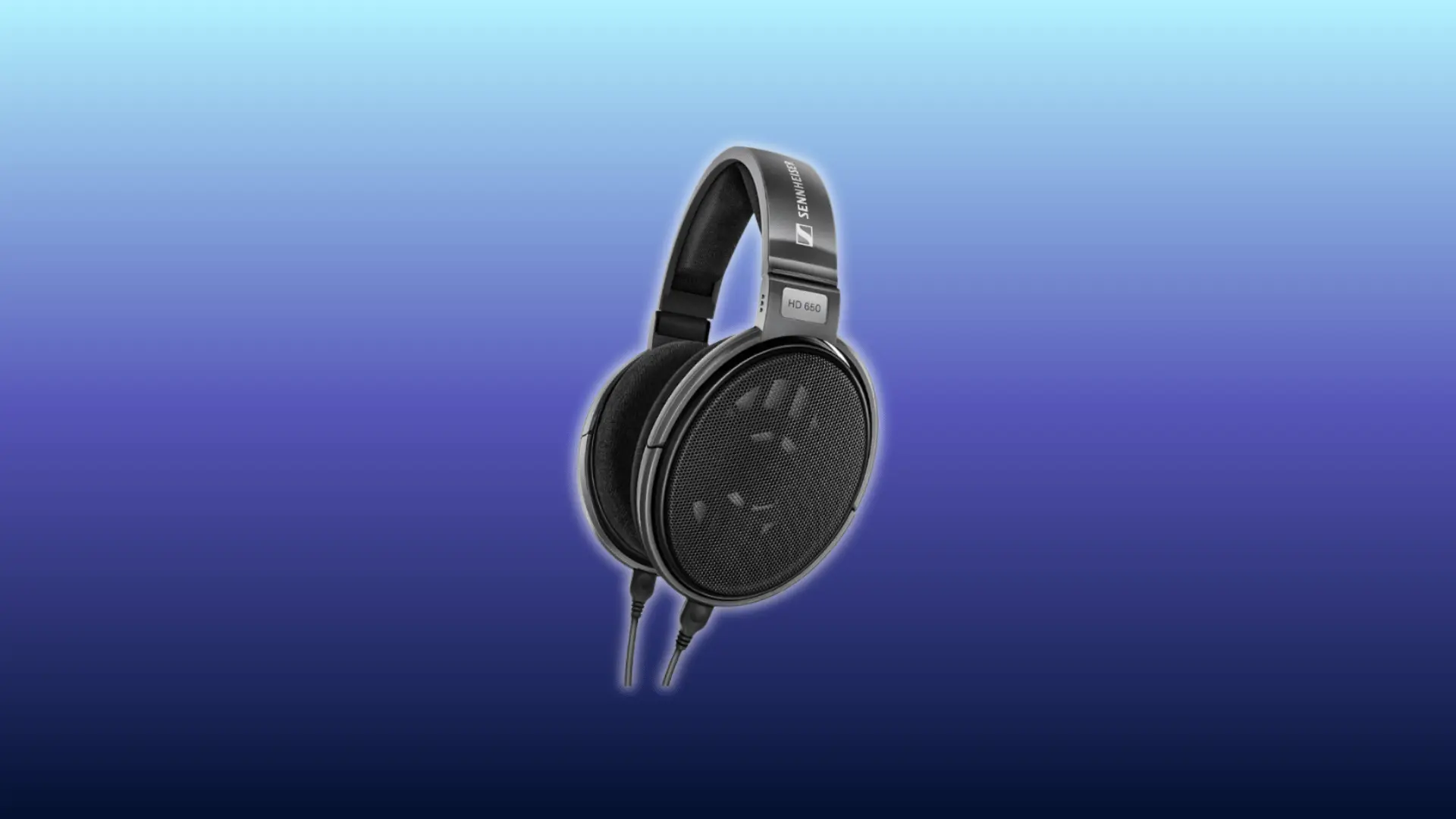
Shares the HD 600’s driver but with warmer tuning; slightly boosted bass, softer treble. That warmth makes it easier to enjoy imperfect recordings. Also, 300Ω, so it needs an amp.
If the HD 600 feels too analytical, this is the natural step sideways, not up.
8. Sennheiser HD 660S2 (~$400–$450)
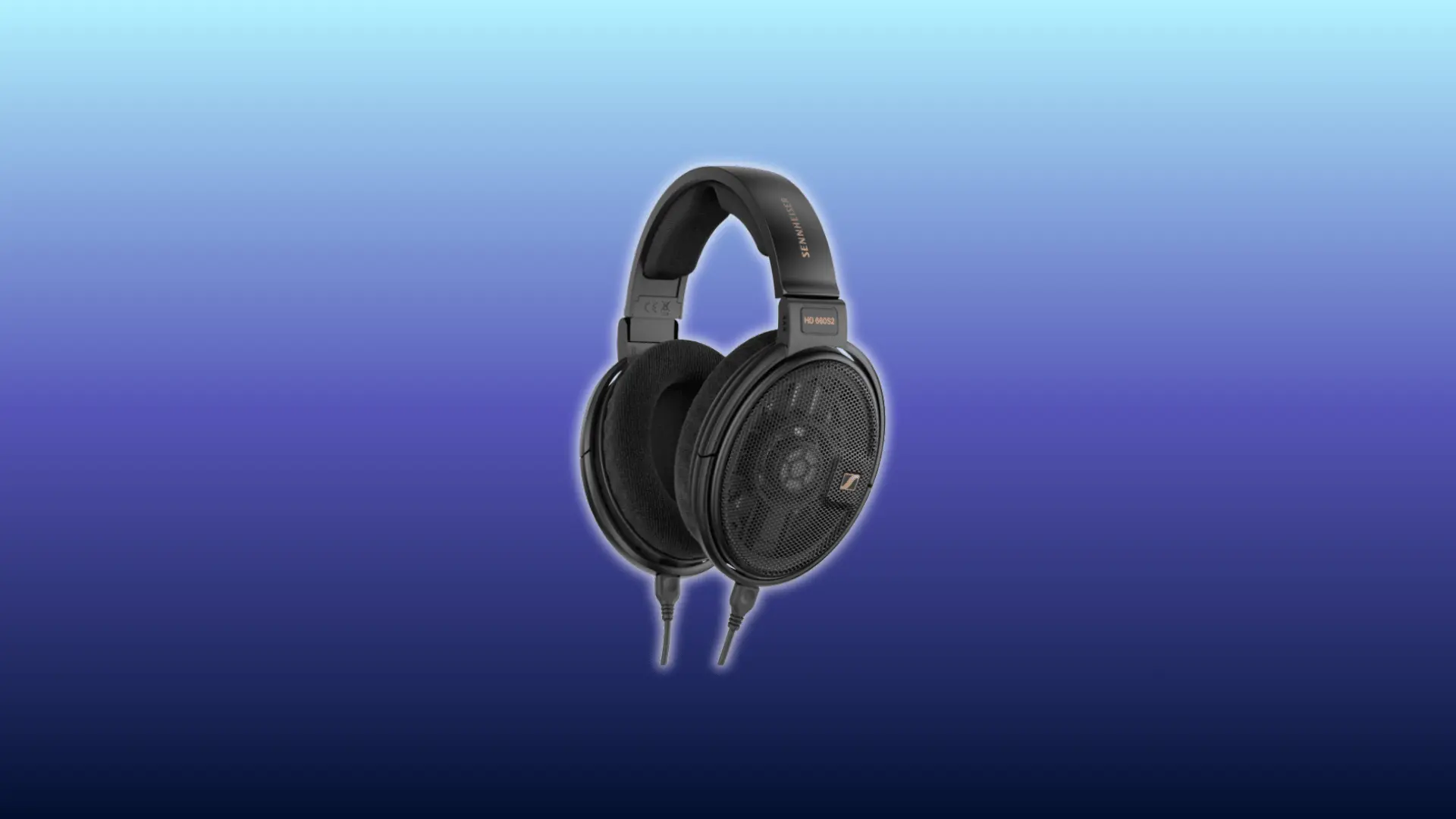
The HD 650’s modern successor. Refined imaging, extended low-end, and slightly updated tuning. Lower impedance makes it easier to drive than the HD 650, but an amp is still the right move.
Best for listeners who want the HD 6XX sound with better bass extension and a more current feel.
9. Sennheiser HD 550 (~$200–$300)
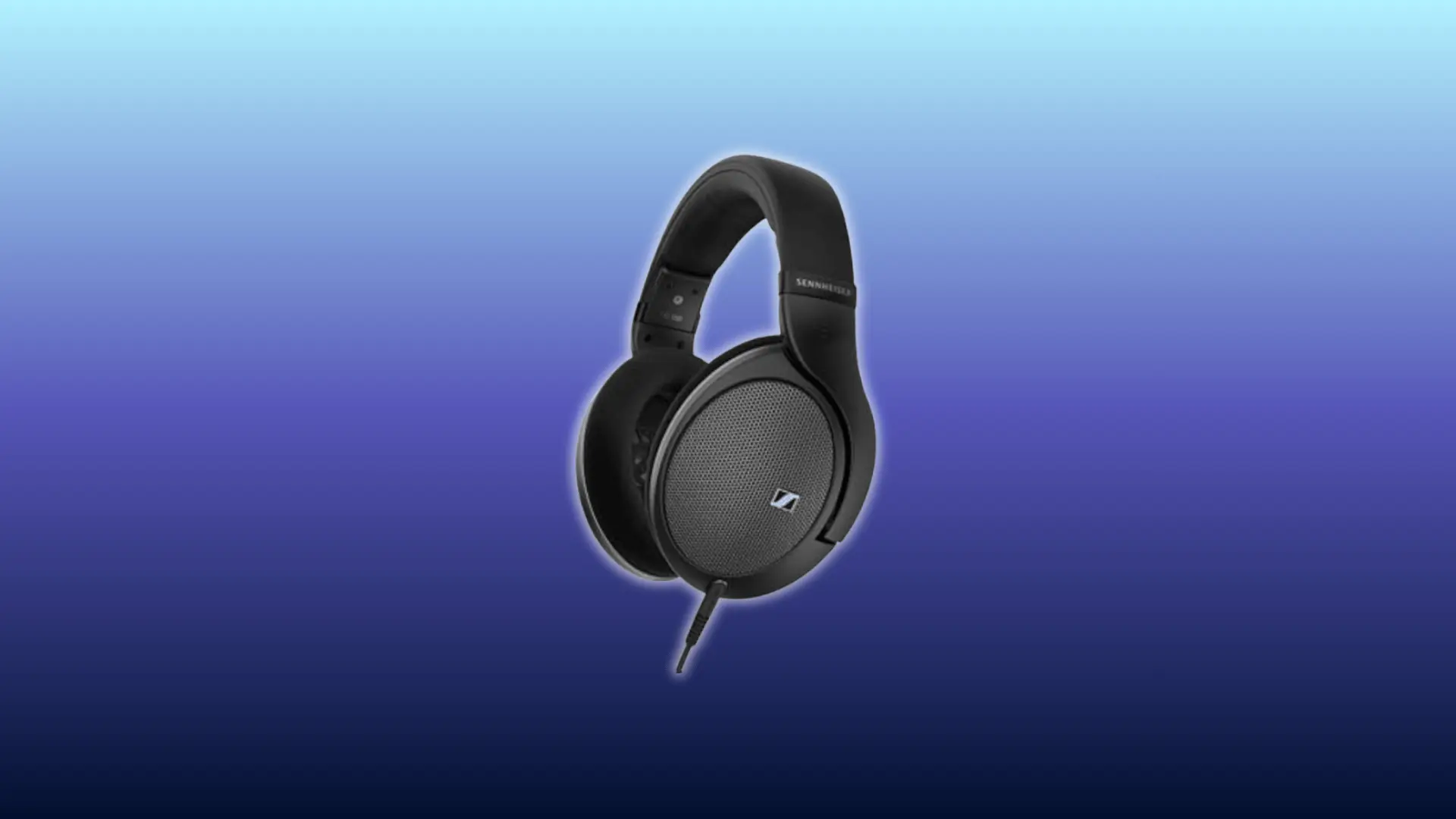
Uses the HD 560S frame but sounds closer to the HD 600 series; slightly more bass, warmer mids. At 120Ω, it works without an amp but benefits from one at higher volumes. A useful entry point into the HD 6XX sound signature without the full amp cost attached.
10. HiFiMAN Sundara (~$180–$220)
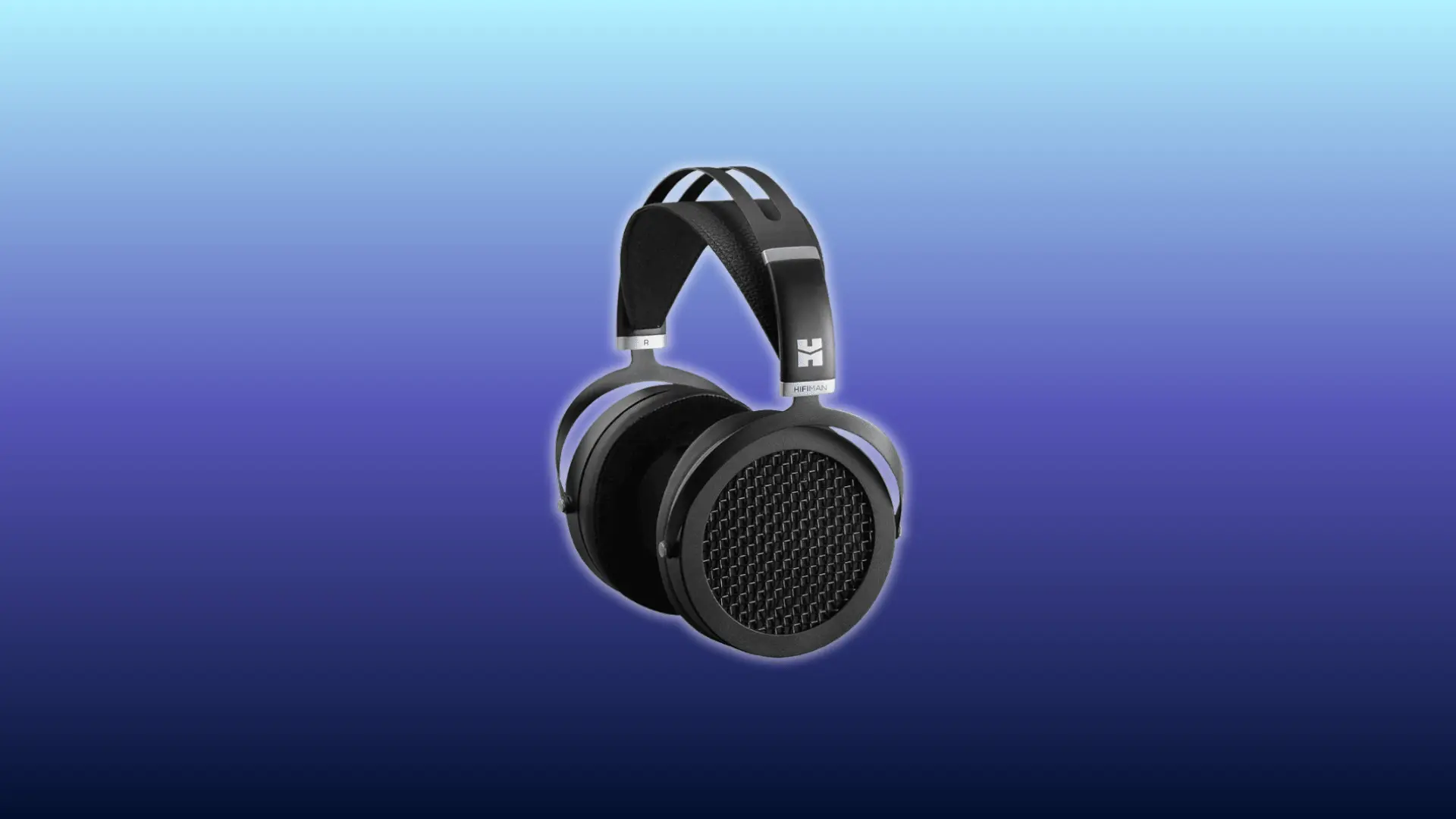
A planar-magnetic headphone with fast transients, tight bass, and airy highs. At 37Ω it’s easier to drive than the HD 600, but it sounds best with a clean amp.
Check the current production version before buying. HiFiMAN has shipped multiple revisions with varying quality control.
11. HiFiMAN Edition XS (~$269)
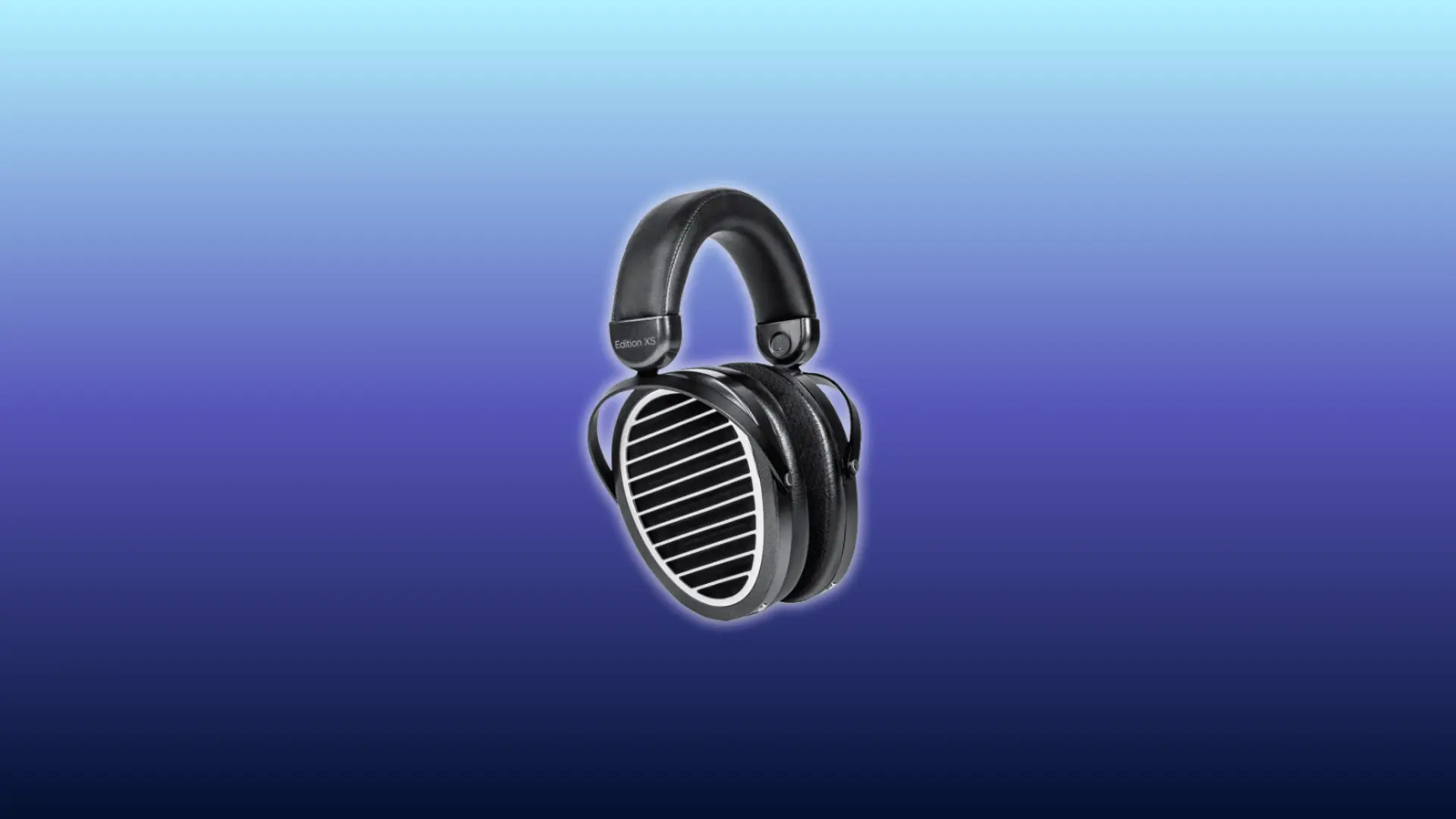
Larger planar driver with detailed, spacious sound and strong imaging. Low sensitivity means an amp matters more than the impedance suggests. Excellent for instrumental, jazz, and acoustic music. Bigger and heavier than most options here, comfort depends on your head shape.
12. Audio-Technica ATH-R70x (~$280–$380)
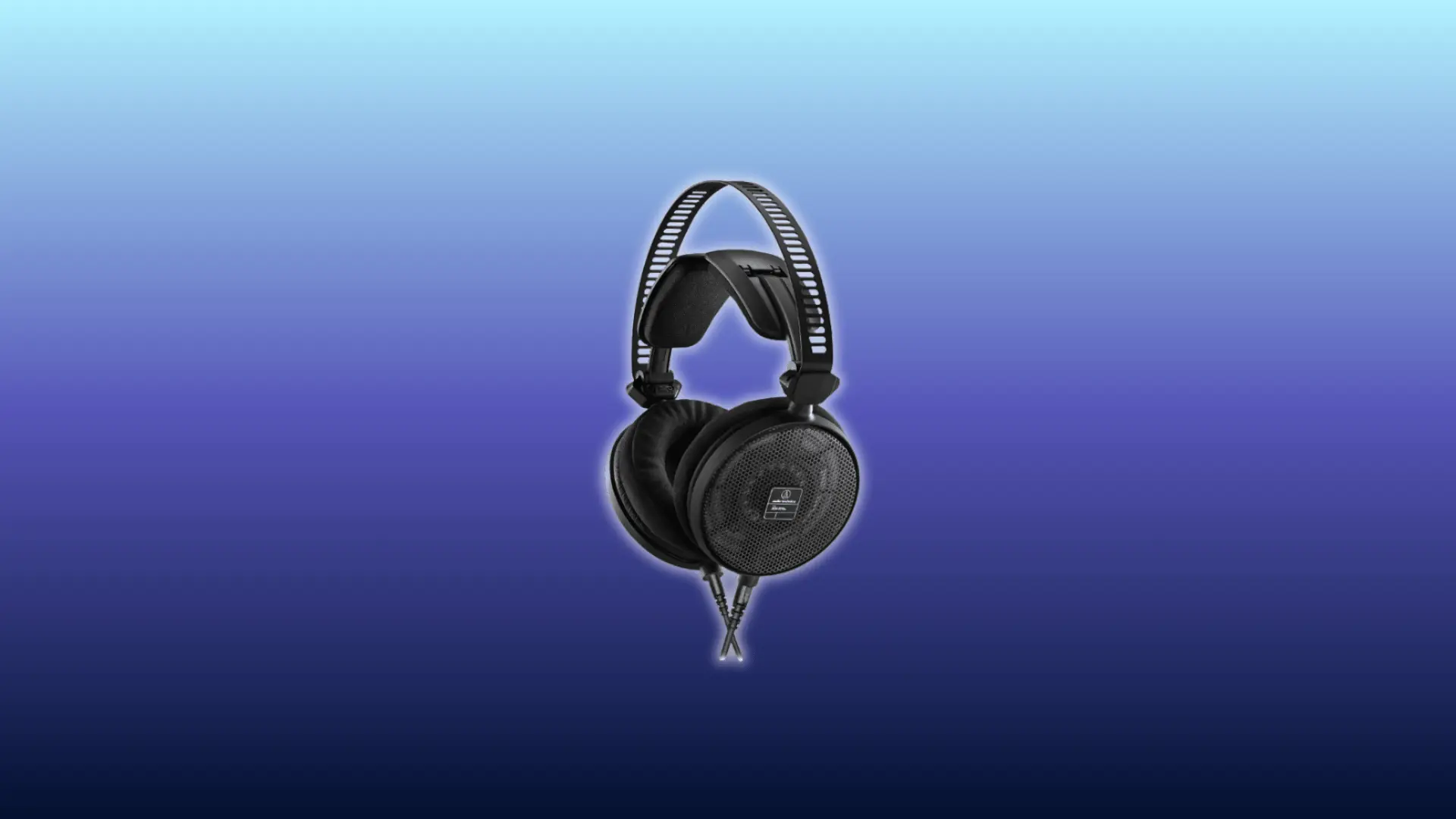
A 470Ω professional reference headphone, unusually light for a studio tool, which makes long sessions easy. Needs a strong amp to open up properly. When driven correctly, it delivers flat mids and precise imaging that make it a serious mixing option. Not the right pick for casual home listening.
13. Meze 105 AER (~$299)
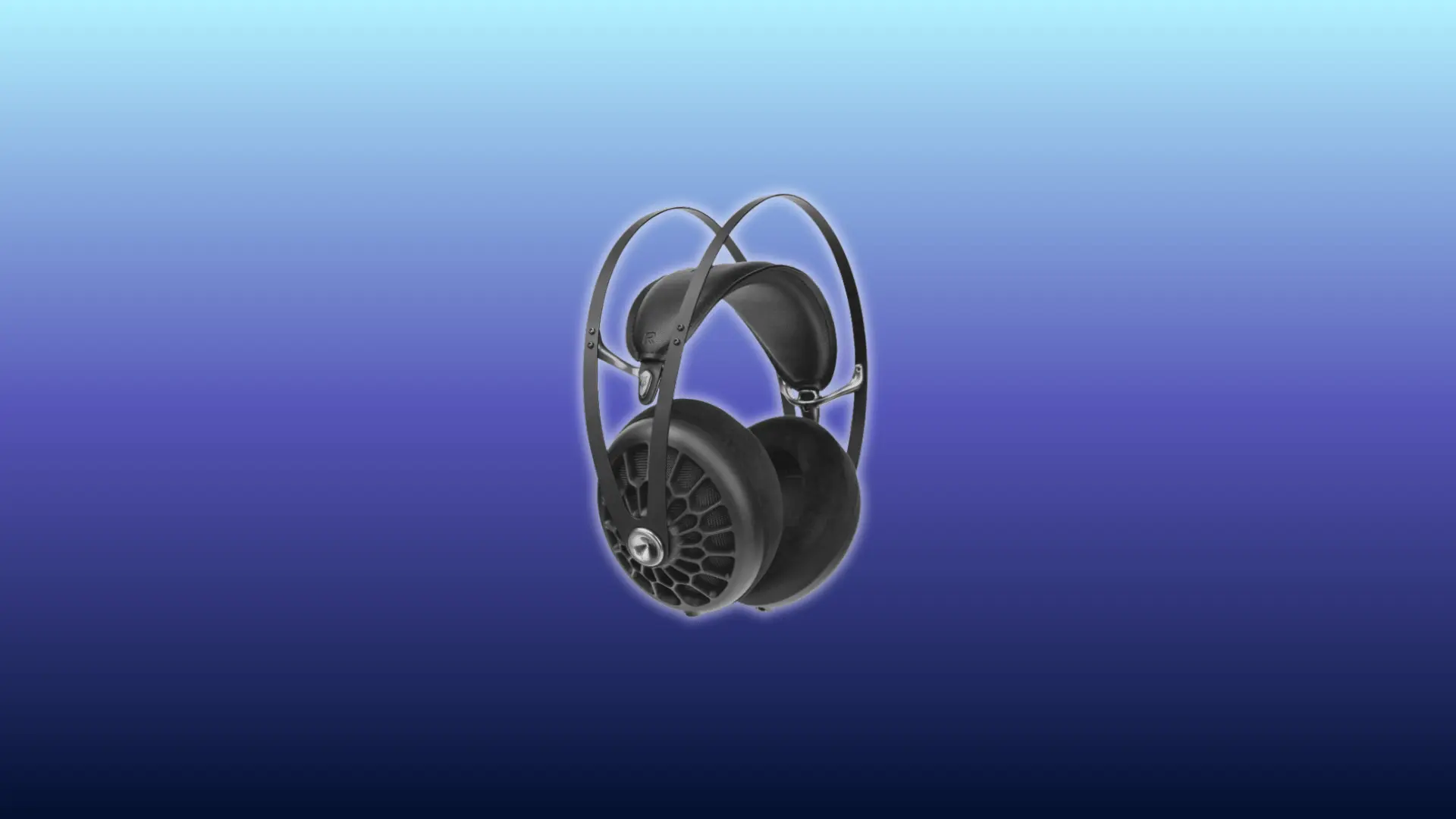
A warmer, musical open-back with strong vocal presence and acoustic performance. Well-built, comfortable, and drives easily at ~40Ω, no amp required. If the HD 600 feels too lean but you want open-back sound, this is the alternative. Less talked about, but consistently praised by people who’ve spent time with it.
$400–$800
At this tier, every recommendation assumes a capable amplifier is already part of the setup. These are not headphones to drive from a laptop or phone output.
The jump from the previous tier isn’t just about price; it’s about resolution. These headphones surface detail that cheaper ones don’t render at all. That also means they expose weaknesses further up the chain.
A DT 1990 Pro MKII running from an underpowered source doesn’t just sound quieter; it sounds congested, losing the precise imaging and treble clarity that justify the cost.
14. Beyerdynamic DT 1990 Pro MKII (~$650)
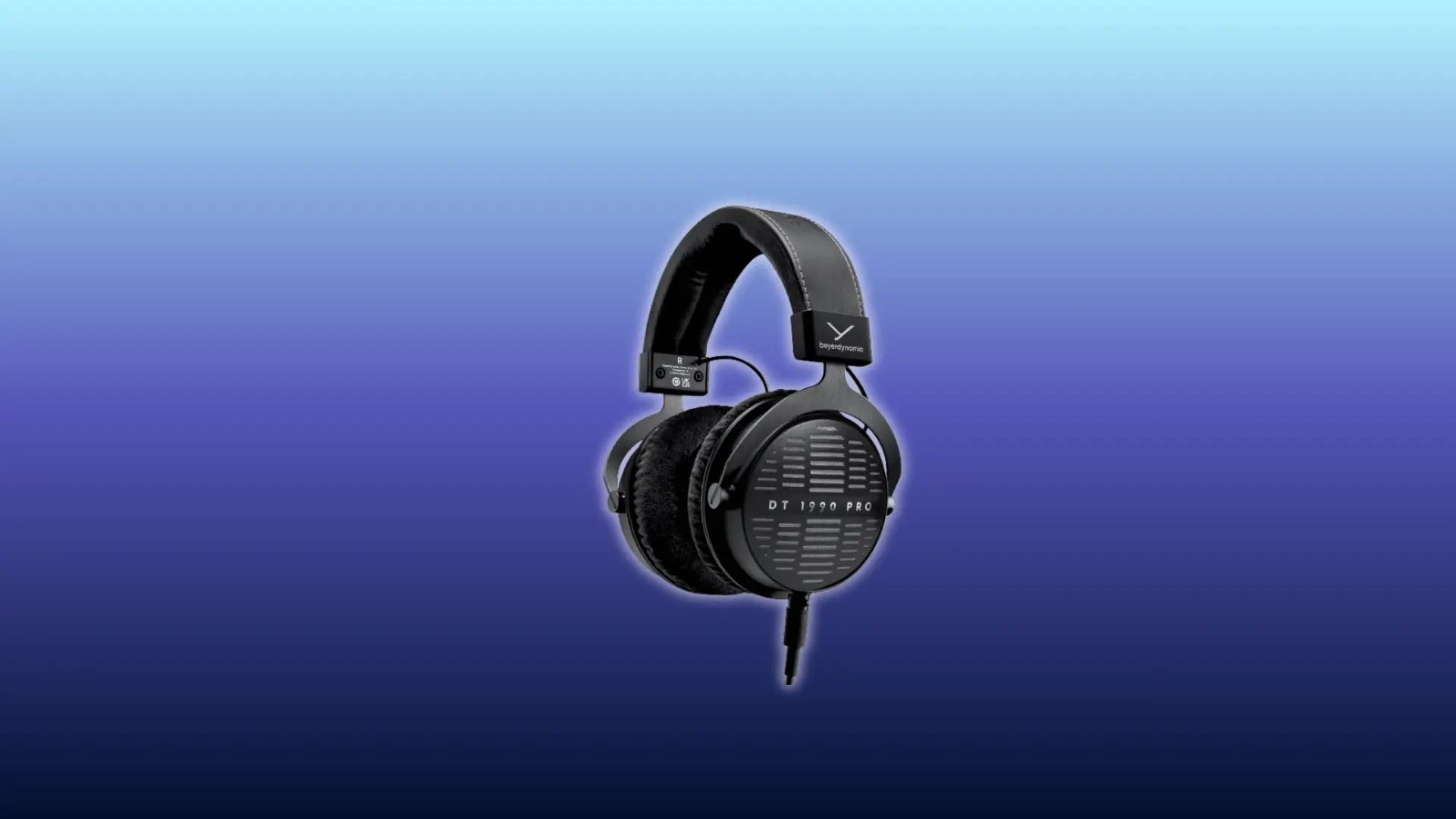
A 250Ω professional headphone with detailed highs and a wide, precise soundstage. Comes with two ear pad sets; one balanced, one analytical. Bright treble pairs better with a warmer amp. Built for mixing, mastering, and critical listening in a proper studio setup.
15. Focal Hadenys (~$649)
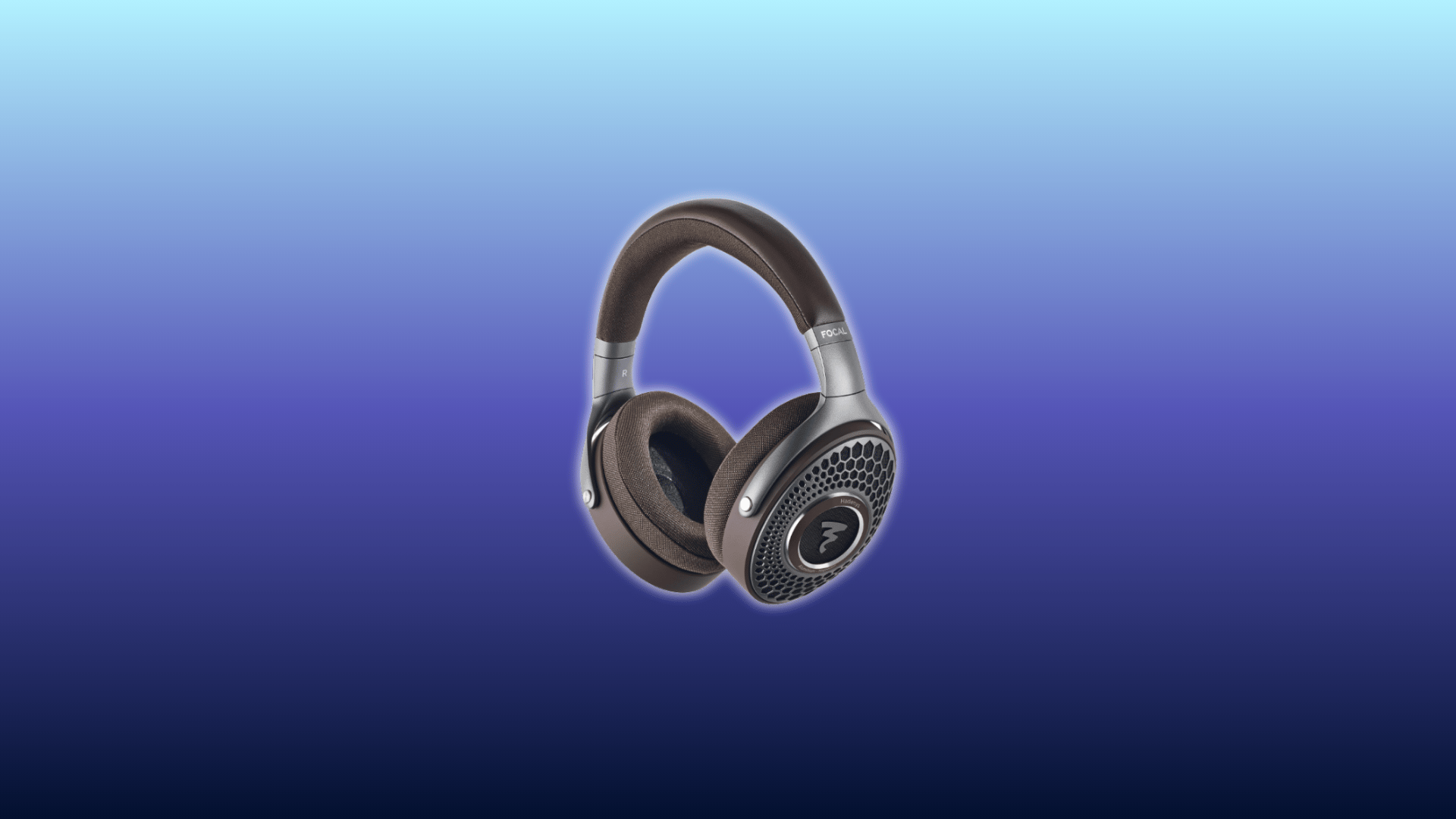
Natural, refined sound; less sharp than the DT 1990 Pro MKII, more neutral than the HD 650. Comfortable for long sessions. Drives at 35Ω but sounds its best with a quality amp. The right pick for listeners who want detail without a fatiguing top end.
16. Audeze MM-100 (~$399)
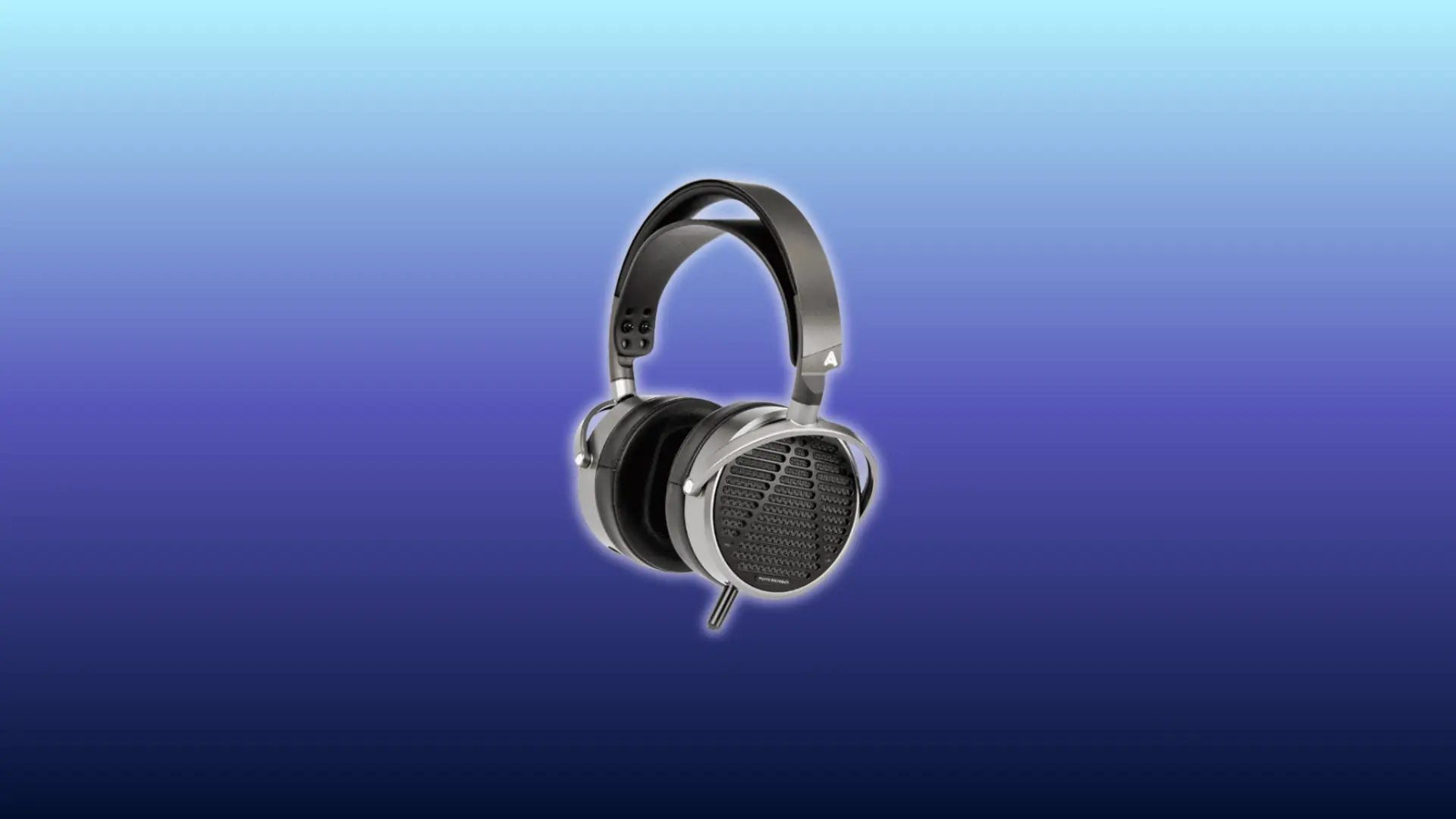
Planar-magnetic with flat, accurate response and extended, even bass. Made for music production. At 16Ω they work from most sources, though an amp improves control and dynamics. A reliable low-end reference without jumping to higher-priced Audeze models.
17. Sony MDR-MV1 (~$420)
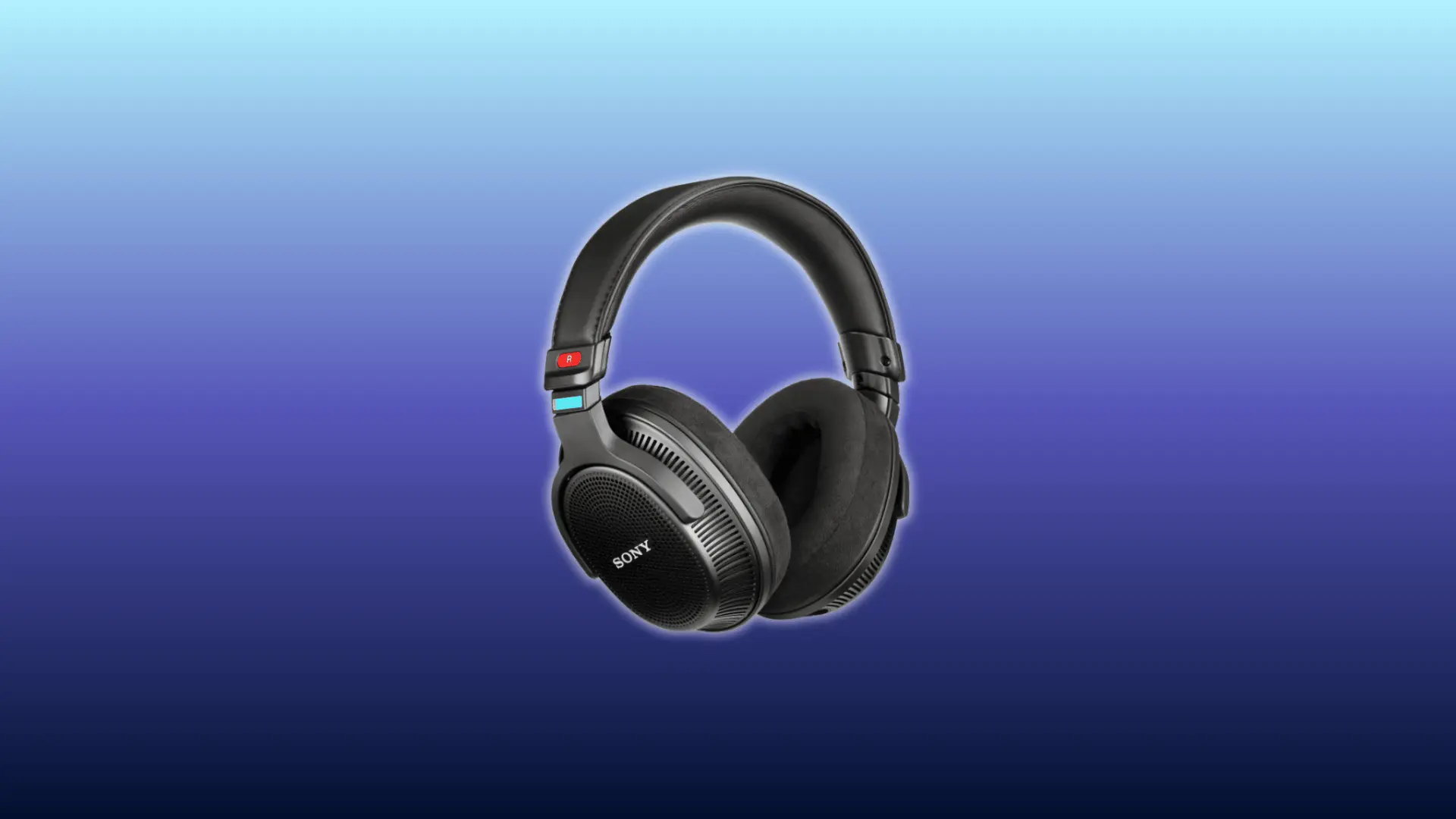
Professional open-back with 24Ω and high sensitivity; easier to drive than most headphones at this price. Wide soundstage and accurate spatial imaging make it a strong choice for binaural or Dolby Atmos mixing. Often overlooked, but solid for studio producers working in immersive formats.
18. Sennheiser HD 490 PRO (~$429)
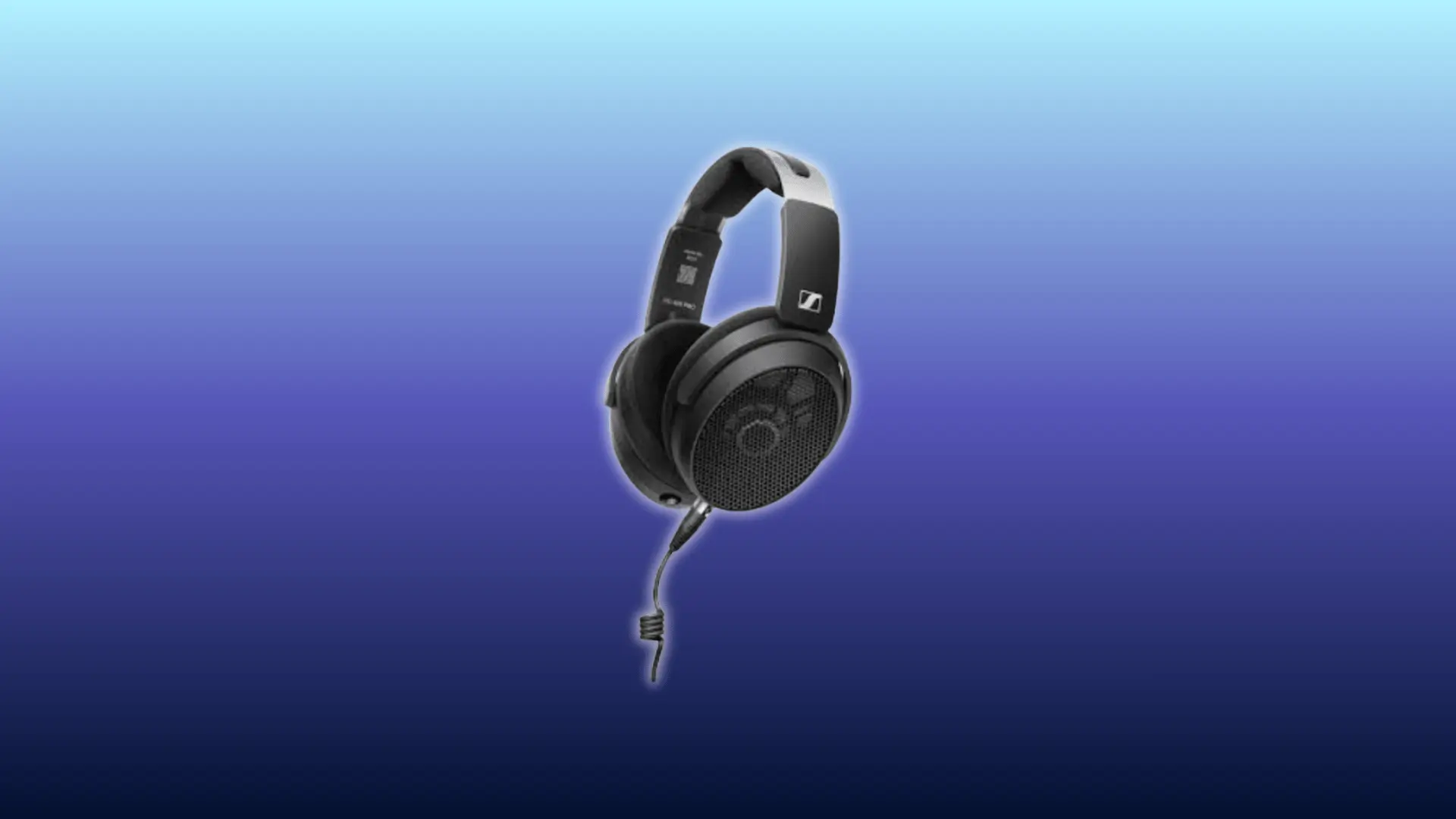
Sennheiser’s updated professional studio headphone with two ear pad sets; one tuned for mixing, one for extended listening. Flat, accurate sound at 130Ω. Works without a powerful amp but delivers fuller dynamics with one. An all-day comfort headphone with genuine studio credentials.
$800 and Above
This tier is for dedicated listening setups with a quality amplifier already in place. Neither headphone below performs as intended from a laptop, phone, or entry-level DAC/amp.
The gains at this price point are real, but only audible in matched, quiet environments with quality source material. That means lossless or hi-res files: FLAC, ALAC, or lossless streaming tiers like Tidal, Apple Music Lossless, or Amazon Music Ultra HD.
At this level, compressed audio becomes the weakest link, and no amp recovers what lossy encoding has already discarded.
19. Sennheiser HD 800 S (~$1,700–$1,800)
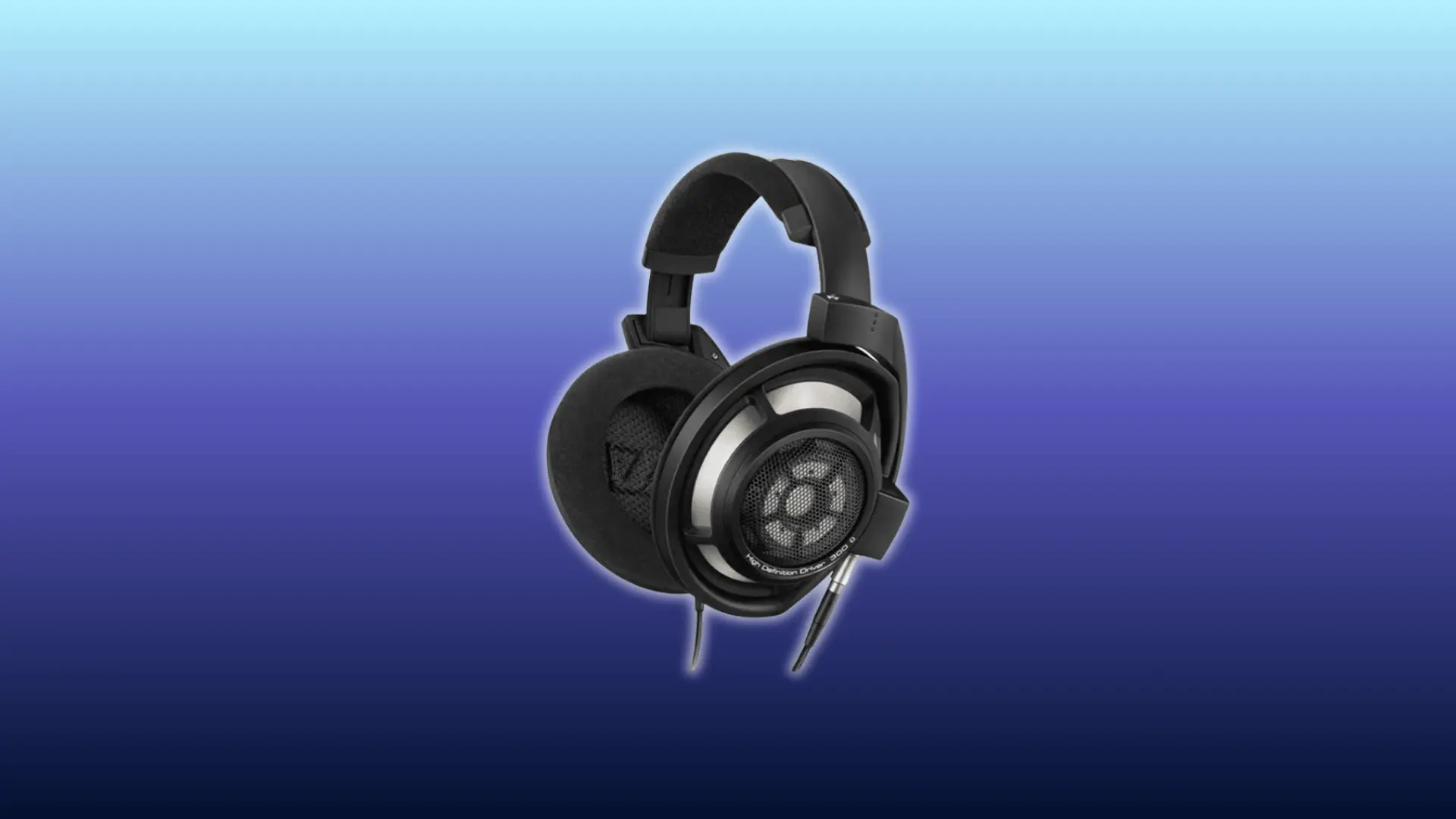
The benchmark for analytical open-back listening. 300Ω driver, the widest soundstage of any headphone here, and instrument separation that reveals every flaw in a recording.
Unforgiving by design, this is a headphone that shows you exactly what’s in the chain above it, good and bad. Only relevant if the rest of your setup is already sorted.
20. HiFiMAN HE1000 (~$2,299+)
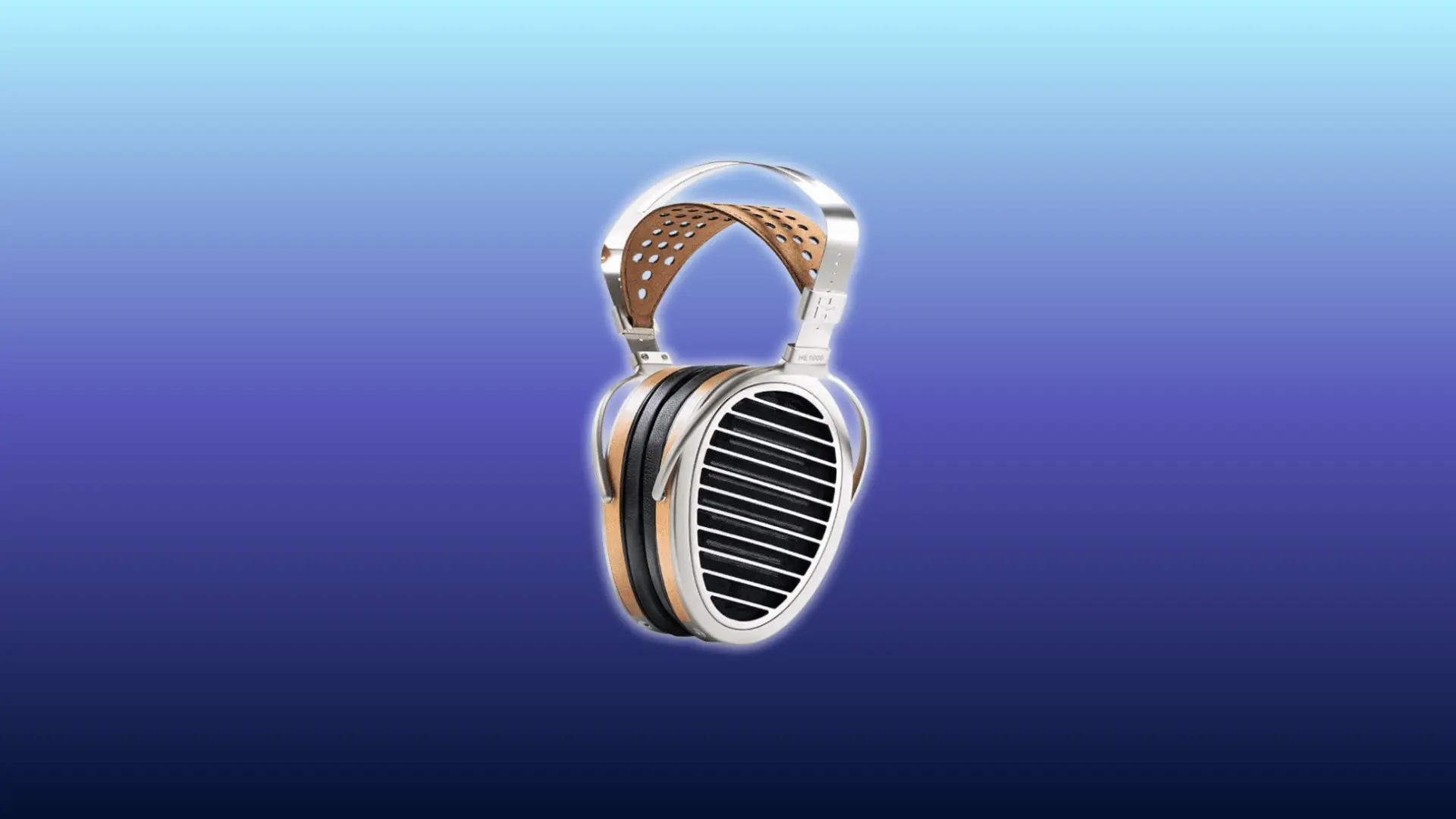
Flagship planar-magnetic with ultra-fast response and effortless, extended bass. The sound feels genuinely close to speakers in a room.
Requires a high-quality, high-current amp; at this price, the amp is part of the total system cost, not an optional add-on. Built for dedicated audiophile setups where nothing else in the chain is a compromise.
Headphone Impedance and Amp Basics
When a headphone “requires an amp,” there’s a real reason for it. Headphones resist electrical current; that resistance is called impedance.
High-impedance headphones need more voltage than a phone or laptop can deliver. Push them from the wrong source, and the sound gets thin, the bass disappears, and everything feels flat.
Sensitivity measures how loud a headphone gets per unit of power. Low sensitivity means it needs more power to reach adequate volume, even if impedance is low. A headphone can be electrically easy to connect but still hard to drive loudly and cleanly. Check both numbers together. Either one alone doesn’t tell the full story.
What About the DAC?
The DAC converts digital audio to analog before it reaches the amp. For most setups, the DAC built into a phone or laptop is fine; the bottleneck is almost always the amp, not the conversion stage.
Where DAC quality starts to matter is at the $500+ headphone tier.
If you’re running something like the HD 800 S or HE1000, a low-quality DAC can introduce noise or a compressed dynamic range that a better amp can’t fix downstream.
For everything in the budget and mid-tier, a combined DAC/amp unit handles both in one box and is the standard starting point.
Options from Schiit, JDS Labs, or FiiO run $100–$300 and are enough to properly drive every model in the sub-$400 range.
Do You Need an Amp?
Whether a specific open-back headphone needs an amplifier depends on its impedance and sensitivity, not the category. The table below covers every model above:
| Model | Impedance | Drive Difficulty | Source Requirement | Amp Tier If Needed |
|---|---|---|---|---|
| Sennheiser HD 800 S | 300Ω | Hard | Amp required | High-end ($500+) |
| HiFiMAN HE1000 | ~35Ω | Hard (low sensitivity) | Amp required | High-end ($500+) |
| Audio-Technica ATH-R70x | 470Ω | Hard | Amp required | Mid-tier ($200–$400) |
| Beyerdynamic DT 1990 Pro MKII | 250Ω | Hard | Amp required | Mid-tier ($200–$400) |
| Sennheiser HD 600 | 300Ω | Hard | Amp required | Entry ($80–$150) |
| Sennheiser HD 650 | 300Ω | Hard | Amp required | Entry ($80–$150) |
| Sennheiser HD 660S2 | 300Ω | Hard | Amp required | Entry ($80–$150) |
| Beyerdynamic DT 990 Pro (250Ω) | 250Ω | Hard | Amp required | Entry ($80–$150) |
| Sennheiser HD 490 PRO | 130Ω | Moderate | Amp recommended | Entry ($80–$150) |
| Sennheiser HD 550 | 120Ω | Moderate | Amp recommended | Entry ($80–$150) |
| Sennheiser HD 560S | 120Ω | Moderate | Amp recommended | Entry ($80–$150) |
| HiFiMAN Sundara | ~37Ω | Moderate (planar) | Amp beneficial | Entry or portable |
| HiFiMAN Edition XS | ~18Ω | Moderate (planar) | Amp beneficial | Entry or portable |
| Sennheiser HD 599 | 50Ω | Easy | Phone/laptop adequate | — |
| Beyerdynamic DT 990 Pro (80Ω) | 80Ω | Easy | Phone/laptop adequate | — |
| Beyerdynamic TYGR 300 R | 32Ω | Easy | Phone/laptop adequate | — |
| Focal Hadenys | 35Ω | Easy | Phone/laptop adequate | — |
| Audeze MM-100 | ~16Ω | Moderate (low sensitivity) | Amp beneficial | Entry ($80–$150) |
| Sony MDR-MV1 | 24Ω | Easy | Phone/laptop adequate | — |
| Meze 105 AER | ~40Ω | Easy | Phone/laptop adequate | — |
| FiiO FT1 Pro | 32Ω | Easy | Phone/laptop adequate | — |
| Audio-Technica ATH-R50x | 48Ω | Easy | Phone/laptop adequate | — |
Audible output is not the same as proper drive. A 300Ω headphone making sound from a phone is not performing correctly; it’s performing partially. The difference shows up in dynamics and bass extension, not loudness.
Open-Back Headphones for Mixing and Music Production
Open-back headphones don’t add anything to the sound; what’s in the recording is what you hear. That accuracy is exactly why they’re the standard for critical listening and mixing.
When your headphones color the signal, your decisions are based on what the headphones added, not what’s actually in the track.
What Makes a Headphone Good for Mixing
Not every open-back headphone is a good mixing headphone. These are the qualities that actually matter when you’re making decisions about a mix.
- Flat frequency response: A headphone that boosts bass makes bass sound fine during mixing, until the mix plays on flat speakers and the low end is buried. Every coloration you can’t hear is a mistake you can’t catch.
- Imaging accuracy: Precise stereo placement matters more than a wide, diffuse soundstage. You need to know exactly where things sit, not just that they’re spread out.
- Low fatigue: Mixing takes hours. Comfort and tonal balance determine whether your ears are still reliable at hour four or hour eight.
- Sub-bass accuracy: Planar-magnetic headphones keep the low end more linear than most dynamic drivers. That matters when you’re working with bass-heavy genres and need to hear what’s actually happening below 60Hz.
Get these four right and your mix decisions translate well to other systems. Miss any one of them, and you’re making judgments based on what the headphone is adding.
Best Open-Back Headphones for Mixing
The models below cover the main use cases in a mixing environment — check the impedance table above for amp requirements before committing.
| Model | Driver | Key Strength | Notes |
|---|---|---|---|
| Sennheiser HD 600 | Dynamic | Flat mids, vocal clarity | Reference standard for midrange-critical mixing |
| Audio-Technica ATH-R70x | Dynamic | Lightweight, comfortable | 470Ω; needs a strong amp for long sessions |
| Beyerdynamic DT 1990 Pro MKII | Dynamic | High-frequency detail | Two pad sets for balanced or analytical tuning |
| Audeze MM-100 | Planar-magnetic | Accurate sub-bass | Strong choice for electronic and bass-heavy music |
| Sony MDR-MV1 | Dynamic | Spatial accuracy | Built for binaural and Dolby Atmos work |
| Sennheiser HD 490 PRO | Dynamic | Dual pads, all-day comfort | Mixing and listening pad sets for flexibility |
Best Open-Back Headphones for Gaming
Open-back headphones give you a soundstage that gaming headsets can’t replicate.
In competitive play, that translates directly into more accurate positional audio, where footsteps land, which direction gunfire came from, and how far away an enemy is.
The tradeoff is sound leakage and no built-in mic, which makes them practical only in private spaces.
Why Open-Back Headphones Beat Gaming Headsets for Audio
Gaming headsets often rely on virtual surround processing, software that simulates directionality rather than reproducing it accurately. Open-back headphones don’t simulate a soundstage. They have one.
A footstep at 10 o’clock is registerable on a gaming headset. On an HD 560S or TYGR 300 R, the layering between near and far sounds is distinct enough that distance becomes part of the read, not just direction. That’s a meaningful difference in competitive play.
Best Open-Back Headphones for Gaming
These four cover the main use cases, from plug-and-play to amp-required setups. All are best used in a private space where sound leakage isn’t a problem.
- Beyerdynamic TYGR 300 R (32Ω, no amp needed): Purpose-built for gaming with warm tuning and a wide, forgiving soundstage. Drops the harsh treble spike of the DT 990 Pro, so you get footstep clarity without fatigue on long sessions. The easiest pick here.
- Sennheiser HD 560S (120Ω, no amp needed): Neutral and precise. For competitive FPS players who want accurate positional audio without any colouration pushing them toward false cues.
- Beyerdynamic DT 990 Pro (250Ω, amp required): The V-shaped tuning — boosted bass and elevated treble — makes high-frequency cues cut through. Needs an amp to deliver the dynamics that make the trade-off worth it.
- Sennheiser HD 600 (300Ω, amp required): Not a gaming headphone — a reference headphone that works brilliantly for gaming if you already have an amp. The most precise imaging of the four. Nothing here places a sound more accurately.
If you don’t have an amp and don’t plan to get one, the TYGR 300 R or HD 560S are the right starting points. Both perform as intended straight from a PC or console output.
Solving the Microphone Problem
Open-back headphones don’t include a mic. For voice chat, these are the practical options — each suits a different setup.
- Clip-on mic (Antlion ModMic or similar): Attaches to any headphone. Flexible positioning and widely used by competitive gamers who want to keep their audio headphone separate from comms.
- V-MODA BoomPro: Plugs into headphones with a 3.5mm input. Clean sound and no desk clutter — but only works with headphones that have a compatible detachable cable.
- Desktop mic: Best audio quality of the three. A natural fit if you already stream or record, though it adds to desk footprint.
For most people, a clip-on mic is the simplest solution. It works with any headphone and doesn’t require a compatible cable or extra desk space.
Conclusion
The right open-back headphone comes down to four variables: budget including equipment, use case, source output, and listening environment.
Get all four right and almost any tier delivers a genuinely strong result. Get one wrong, and a technically superior headphone underperforms something half its price.
The category rewards matching over spending. A well-driven HD 560S outperforms a neglected HD 600 every time. Start with the use case, work backward to the equipment requirement, then set the budget. The model selection is the easy part.
Frequently Asked Questions
What is the difference between open-back and closed-back headphones?
Open-back earcups let sound pass freely; wider soundstage, no isolation. Closed-back seals the ear, provides stronger bass, and blocks ambient noise. Neither is better. They serve different environments.
Do open-back headphones need an amplifier?
Depends on the model. High-impedance headphones like the HD 600 (300Ω) or DT 990 Pro (250Ω) require an amp to perform correctly. Lower-impedance models like the HD 560S (120Ω) or HD 599 (50Ω) work fine from a phone or laptop.
What is a planar-magnetic headphone?
A driver design that uses a thin membrane suspended between magnets instead of a traditional cone. The result is faster transients and more linear bass. Not categorically better than dynamic drivers, different strengths for different use cases.
Can I use open-back headphones in an office?
No. Sound leaks both directions; colleagues hear your audio, and you hear everything around you. Use closed-back headphones or in-ear monitors in any shared space.