

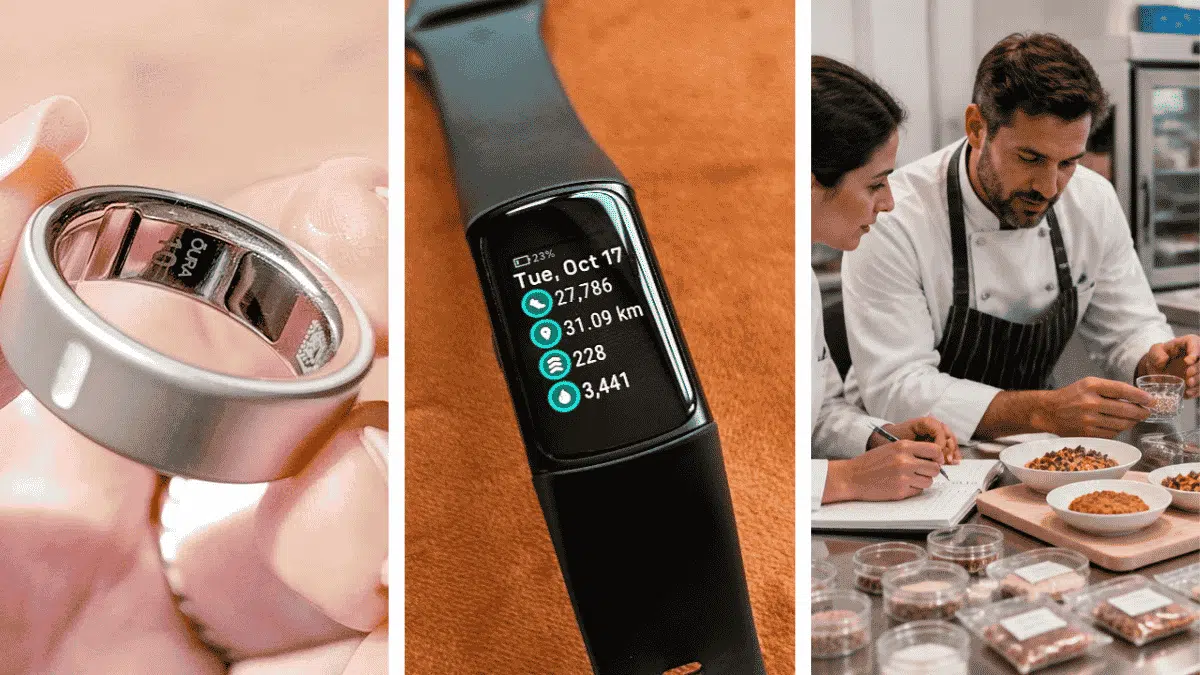






Your fitness tracker is doing more than just counting steps now. From smartwatches to apps that understand your workouts, fitness technology is changing how you look at health, training, and progress.
But with new updates popping up all the time, figuring out what is useful can feel like scrolling through a never-ending app store.
Here are the latest fitness tech news and trends you should know to understand how new tools are changing the way you train, recover, and track your goals.
How Does Fitness Technology Make Your Training Smarter?
Fitness technology helps you make better training decisions by turning daily activity and workouts into useful data.
Instead of relying solely on how you feel, you can track metrics such as heart rate, workout intensity, sleep quality, and recovery levels.
Smartwatches, fitness apps, and connected equipment can highlight patterns that are easy to miss. They help you adjust your workouts, plan recovery time, and set achievable goals based on your progress.
Staying updated with fitness tech news can also help you understand new tools and features that may improve the way you train. The best results come when you use technology as a guide while still listening to your body.
Latest Fitness Tech News You Should Know
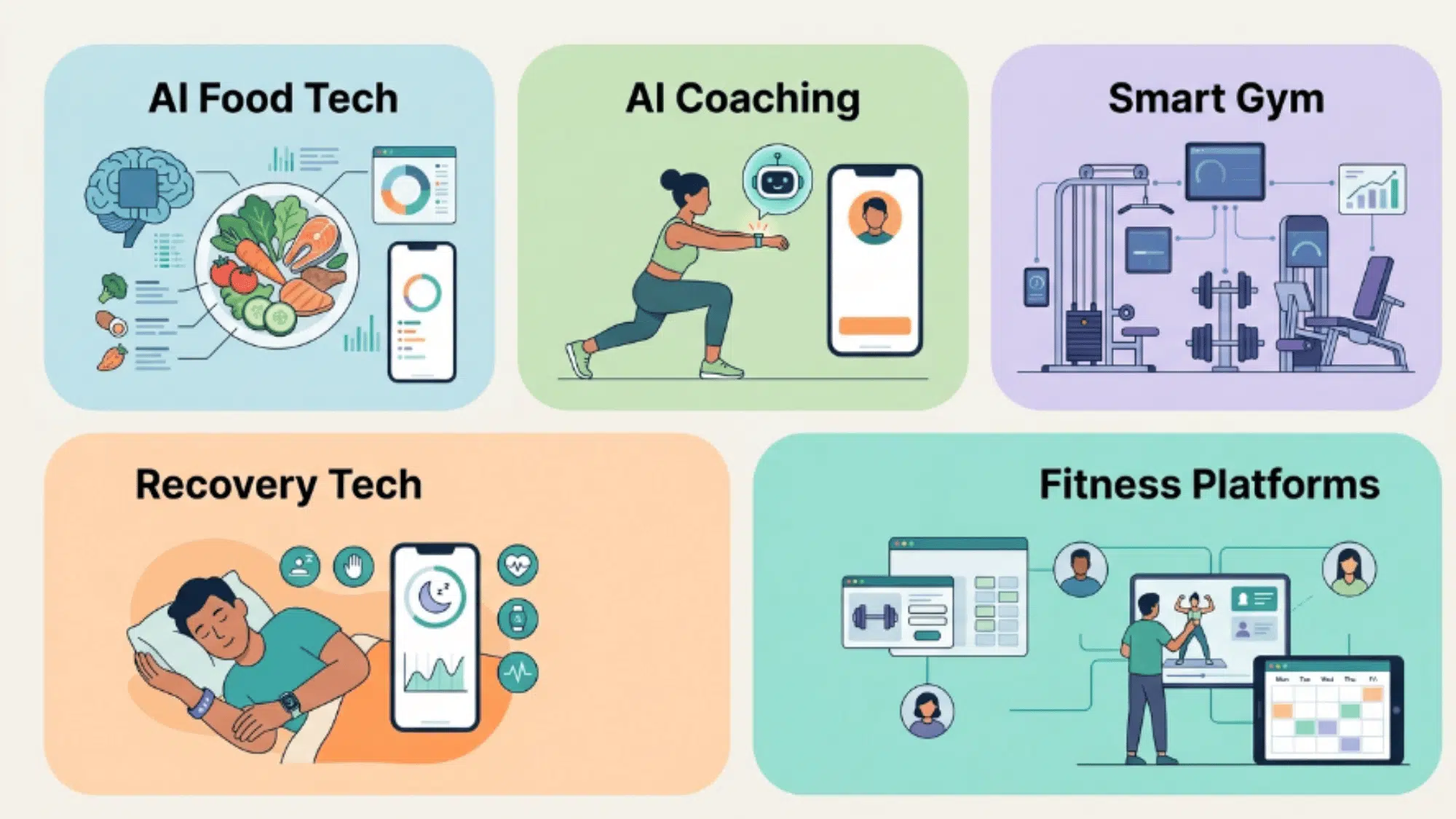
A range of updates is shaping how fitness tools, apps, and connected devices are used to track health and activity. These fitness tech news stories focus on how data is collected, processed, and shared across platforms:
1. AI-Powered Nutrition Tracking and Personalized Meal Planning
AI is becoming a larger part of fitness technology, helping users understand their nutrition habits alongside their workouts. Instead of only tracking steps or exercise, newer fitness apps are using AI to analyze food choices, activity levels, and health goals to provide more personalized recommendations.
Things to know:
- AI-powered nutrition apps can analyze meals and estimate calories, nutrients, and portion sizes
- Fitness platforms are using health data to suggest meal choices based on activity levels and goals
- Some apps combine workout data with nutrition tracking to create more complete wellness insights
- AI tools can identify eating patterns and provide suggestions for improving daily habits
- Connected nutrition tracking is helping users understand how food choices affect energy, recovery, and performance
2. The Rise of Hyper-Personalized AI Coaching and Workouts
Fitness apps and wearable devices are moving beyond simple activity tracking by adding AI-powered guidance that responds to your workout habits. These features use performance data to provide support during training and help users follow more structured routines.
Instead of showing the same workout plan for everyone, AI systems can adjust suggestions based on exercise history, fitness levels, and training patterns.
Things to know:
- AI coaching features can provide real-time workout guidance during training sessions
- Platforms are using activity history to suggest more suitable exercise plans
- Virtual coaching tools can offer audio or visual instructions while users exercise
- Training platforms are analyzing performance trends to improve future workout recommendations
- AI features are helping users follow more organized routines without manually planning every session
AI-powered coaching is making fitness apps more responsive by providing guidance that matches users’ individual training needs.
3. Connected Strength and Smart Gym Equipment
Strength training systems are moving toward digitally controlled machines that adjust resistance in real time based on user performance.
These systems use sensors and software to modify load during sets, track movement patterns, and record training data across each repetition.
Things to know:
- Digital resistance systems such as Tonal and Vitruvian use motor-driven weights instead of traditional plates
- Some smart gym setups adjust resistance automatically during a rep based on force output and movement speed
- Built-in tracking systems record form, range of motion, and repetition quality for each exercise
- Commercial smart gym machines are being designed to replace multiple traditional equipment stations in compact spaces
- Demand for strength training is increasing, and connected equipment is making workouts more data-driven, space-efficient, and easier for users to monitor in both home and gym environments.
4. Advanced Recovery Tech and Preventive Health Tracking
Fitness technology is increasingly focusing on recovery and long-term health tracking rather than only workout intensity.
Devices and sensors now track how the body responds after exercise, helping users understand rest quality, energy levels, and overall readiness for physical activity.
Things to know:
- Smart rings like Oura and Samsung Galaxy Ring track sleep stages, body temperature, and recovery signals through continuous monitoring
- Continuous glucose monitors (CGMs) are being used outside clinical settings to observe energy response to food and activity patterns
- Smart compression devices from brands like Hyperice are used to support muscle recovery through controlled pressure and vibration
- Recovery data is now being used alongside workout metrics to guide daily activity planning and intensity levels.
- Biomarker-based tracking is becoming a major part of wellness systems, helping users monitor recovery patterns and adjust lifestyle choices using real physiological data.
5. Industry Moves: EGYM Funding and ClassPass-Mindbody Merger
Connected fitness platforms are attracting significant investment, driving the expansion of gym infrastructure and digital booking capabilities. Recent funding and consolidation aim to strengthen fitness networks.
EGYM raised $190-250 million to expand its smart-gym and software ecosystem. Meanwhile, ClassPass and Mindbody merged, uniting fitness booking and studio management into one connected platform.
Things to know:
- EGYM secured funding to scale connected gym equipment and software systems
- The ClassPass–Mindbody merger combines booking services with studio management tools
- Investment activity shows growing demand for connected fitness infrastructure
- Platforms are focusing on integrating gym access, scheduling, and user data into one system
- Fitness platforms are consolidating and scaling quickly, shaping how gyms, studios, and users interact through unified digital fitness ecosystems.
6. Smart Wearables are Becoming More Advanced
Smart wearables are evolving from basic activity trackers into devices that collect a wider range of health information. New sensors and improved technology allow smartwatches and rings to provide deeper insights into daily wellness and body signals.
These improvements are helping users monitor health patterns beyond regular workout measurements.
Things to know:
- Smart rings are being used to monitor sleep patterns, recovery trends, and daily wellness signals
- Advanced sensors are improving measurements for movement, body temperature, and heart activity
- ECG features in some devices help track the electrical activity of the heart
- Temperature monitoring is adding more context to personal health tracking
- Wearable devices are combining multiple health signals to create clearer wellness reports
As wearable technology improves, these devices are becoming more focused on continuous health awareness rather than only exercise tracking.
7. Fitness Apps are Adding More AI Features
Fitness apps are using AI to improve planning, progress tracking, and user engagement. Instead of acting only as digital workout logs, many apps now analyze past activity and provide suggestions to help users stay consistent.
These updates are making fitness apps more useful for managing long-term goals.
Things to know:
- AI workout planning can create routines based on fitness goals and previous activity
- Progress analysis tools help users review improvements over time
- AI recommendations can suggest changes to training plans based on performance patterns
- Some apps provide virtual coaching features to support users during workouts
- Smart features help organize workout history and make fitness data easier to understand
AI-powered fitness apps are increasingly serving as personal training assistants, helping users plan, track, and improve their routines.
Fitness Apps and Wearables Platforms to Check Out
Fitness apps and wearables work together to track workouts, sleep, and daily activity in real time across connected devices and platforms.
| Platform | Description | Key Features |
|---|---|---|
| Strava | Tracks running and cycling performance with detailed activity data. | GPS tracking, pace, distance, elevation, activity history |
| Fitbit | Uses wearables and apps to monitor daily health and fitness data. | Heart rate, sleep tracking, steps, calorie tracking |
| Apple Watch + Fitness | Tracks workouts and daily activity with guided sessions and live metrics. | Activity rings, real-time stats, guided workouts |
| Garmin | Focused on sports performance and endurance training analysis. | GPS tracking, recovery data, training metrics, dashboards |
Tips for Choosing the Right Fitness Technology
Fitness technology works best when it fits naturally into your routine, supports your goals, and tracks the information that actually matters to you.
Keep these points in mind while selecting tools that make your fitness tracking easier and more useful:
- Prioritize what matters most: Focus on key metrics like heart rate, sleep, running performance, recovery, or strength progress instead of choosing a device based only on features.
- Define your tracking focus: Decide if you need general activity tracking, workout performance insights, sleep monitoring, or detailed training data before picking a tool.
- Check compatibility: Make sure your wearable, fitness apps, and connected equipment can sync smoothly to keep your health data organized in one place.
- Focus on consistent use: Choose tools that fit your daily habits, since regular tracking provides better insights than advanced features you rarely use.
- Consider ease of use: A simple interface and easy access to data make it more likely that you will continue using the device or app.
- Look at battery life: Longer battery life reduces interruptions and helps maintain consistent tracking, especially for sleep and long workouts.
- Compare accuracy: Check how well the device measures important metrics, especially if you rely on data for training decisions.
- Review app features: A good companion app can make a basic tracker more useful through reports, trends, and progress summaries.
- Avoid unnecessary features: Extra functions may increase the cost without adding value if they do not match your fitness goals.
- Choose tools that grow with you: Select technology that can support your progress as your workouts, fitness level, or goals change.
Wrapping It Up
Your fitness tracker is no longer just a step counter sitting on your wrist. Today’s fitness technology helps you understand your workouts, recovery, and daily habits with a little more clarity.
From AI coaching that guides your training to smart devices that track your progress, these tools are making fitness feel more personal and easier to manage.
With new updates arriving all the time, the trick is not chasing every new gadget that hits the market. Choose technology that fits your routine, supports your goals, and actually helps you stay consistent.
After all, the smartest fitness tool still works best when you put in the effort.
Frequently Asked Questions
How Accurate are Wearable Fitness Trackers Compared to Medical Devices?
Device accuracy is often questioned, but this topic goes beyond the scope of general trend reporting covered here.
Can Fitness Apps Completely Replace Personal Trainers?
This is a common question, but most apps are designed to support training rather than fully replace professional guidance.
Do Smart Gym Machines Require Subscriptions to Use All Features?
Some platforms use subscription models, but pricing structures vary widely.