



Final Fantasy has been around for decades. Dozens of games, hundreds of characters, and worlds that feel both familiar and completely different. It’s a lot to take in.
The biggest question most people have isn’t about the gameplay. It’s about if any of these games are actually connected, or if each one just does its own thing. Some people jump into a random title and feel totally lost.
Others play through an entire game wondering if they missed something from a previous one. The answer is a bit more interesting than a simple yes or no, especially when viewed alongside a complete series ranking. Keep reading, it all starts to click pretty fast.
Are All Final Fantasy Games Connected?
No, none of the Final Fantasy games are connected into a single story. Each main game is built as its own world with new characters, settings, and plotlines.
Beacuse the creators wanted the freedom to tell fresh stories every time, rather than continuing a single long timeline. This makes it easier for new players to jump in without confusion.
Some games are connected, but only when clearly labeled, such as Final Fantasy X and X-2. Other shared elements, like Chocobos or Cid, are reused for familiarity. They make the games feel related, but they don’t actually connect the stories.
What Really Connects Final Fantasy Games Across Titles?
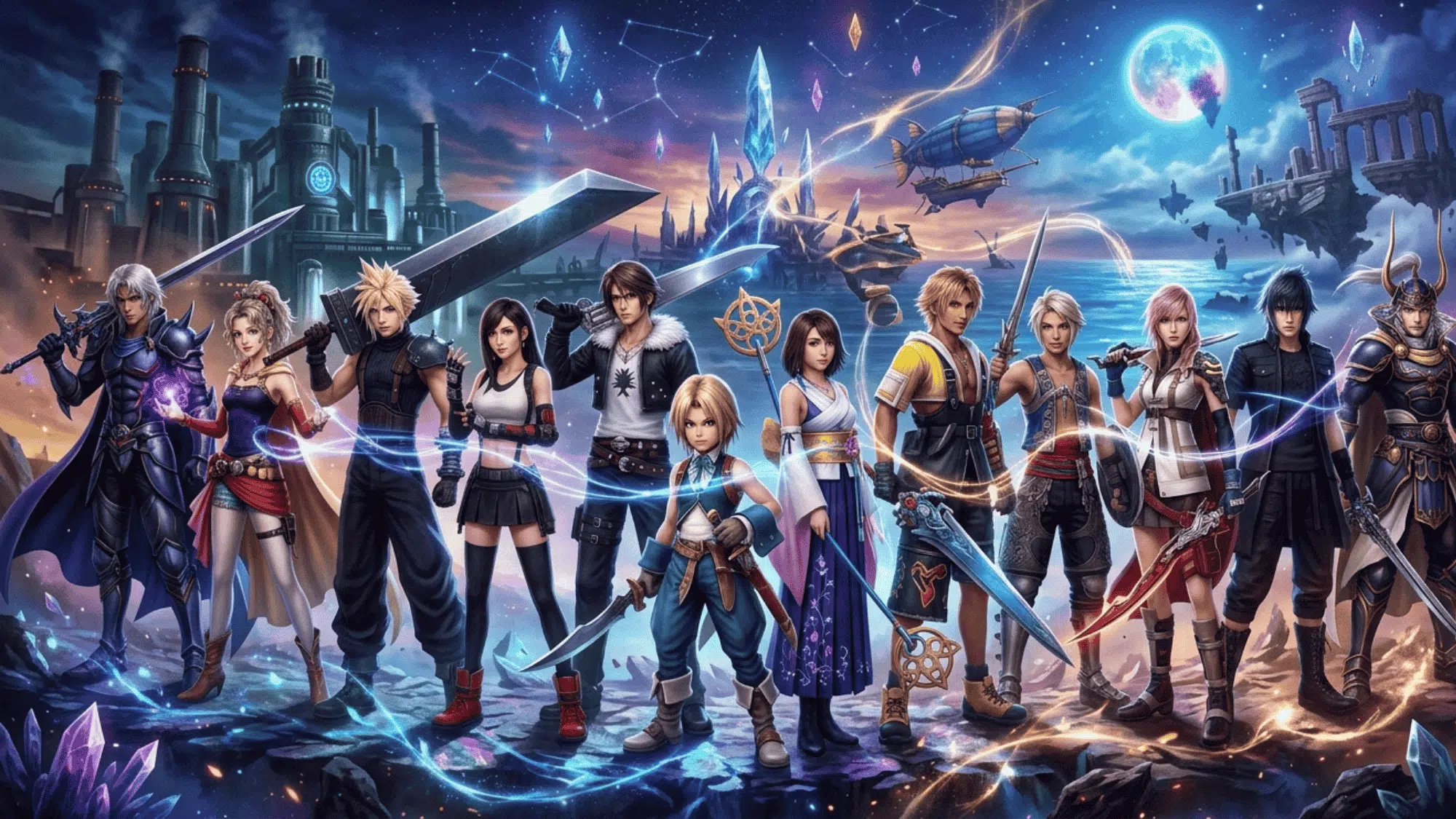
Final Fantasy games connect in a few clear ways, not just through story, but even through longest game durations players experience. Some continue the same journey, while others expand a world or share familiar elements.
Once you know these types, it becomes much easier to understand what actually links the games and what doesn’t:
Direct Sequels
These are the strongest connections in the series. The story continues with the same characters, world, and events from a previous game. Final Fantasy X leads into X-2, and the XIII games form one long story. Nothing resets between them.
Each game builds on what came before. You see character growth, consequences, and new conflicts tied to past events. Because of this, playing them in order is important to fully understand the story.
Shared Worlds
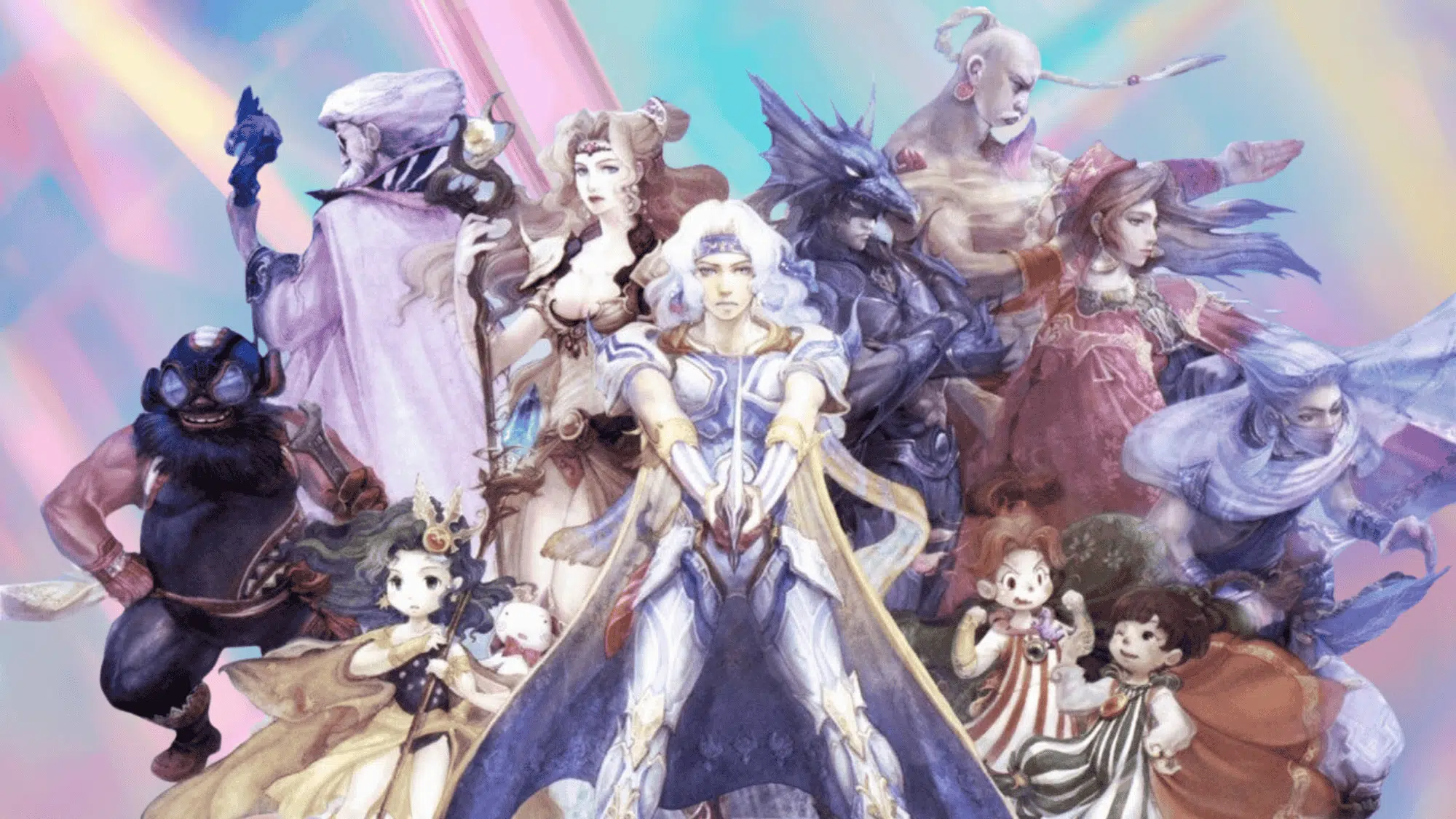
Some games share the same world but tell completely different stories. Final Fantasy XII and Tactics both take place in Ivalice, but in different time periods. The setting stays the same, while the characters and events change.
These games are loosely connected through world history, politics, and locations. You don’t need to play one to understand the other, but knowing both can give you a deeper view of that world.
Expanded Universes
Some Final Fantasy games grow into larger story groups with multiple connected titles. Final Fantasy VII is the best example, with a prequel, sequel movie, and remake series. All of these build on the same world and characters.
Each title shows a different part of the timeline. This helps expand the story beyond the original game. It creates a more detailed and connected experience for players who want to find about everything.
Spin-Offs and Side Stories
Spin-offs are connected to one main game, not the entire series. They find about side stories, smaller events, or different gameplay styles within that same world. Many spin-offs come from popular titles like Final Fantasy VII.
These games add extra depth to the main story. However, they are not required to understand the core plot. They stay within one universe and do not connect different Final Fantasy games together.
Remakes
Remakes bring older Final Fantasy games back with updated graphics and gameplay. They follow the same main story but present it in a new way. Final Fantasy VII Remake is a well-known example.
Some remakes add new scenes or changes, which can create confusion. Still, they are tied to the original story and world. They do not create new connections with other Final Fantasy titles.
Shared Elements
Many Final Fantasy games reuse names, creatures, and systems across titles. Characters like Cid, creatures like Chocobos, and summons like Ifrit appear in many games. They often look or act differently each time.
These elements help create a strong identity for the series. They make each game feel familiar to players. However, they do not mean the games share the same story or timeline.
Special Case
Gilgamesh is a rare exception in the series. He appears in multiple games as the same character and is known for traveling between different worlds. This makes him seem like a real link between titles.
Even so, his appearances are small and mostly for fun. He acts more like a crossover character than a main story link. He does not connect the full Final Fantasy series into one shared universe.
How Can You Tell if Final Fantasy Games are Connected?
It’s easy to get confused when Final Fantasy games look similar. Many share names, creatures, and themes, which makes them feel linked. But only a few are actually connected in the story.
Here’s a simple way to quickly figure it out:
- Same number with a subtitle means a direct sequel
- Trilogy titles tell one continuous story
- Same world name means a loose connection
- Same main characters mean story continuation
- Shared creatures or summons do not mean connection
- Spin-offs belong to one game’s universe
- No clear link usually means standalone
- New characters and setting mean no connection
- Past events mentioned means likely connected
- Official sequel or prequel label confirms connection
- Different gameplay and world mean no link
- “Remake” or “Rebirth” ties to that game’s universe
The Bottom Line
Final Fantasy has built something pretty rare over the years. A series where every game feels like home , even when the world, characters, and story are completely new.
That’s not easy to pull off, but it works every single time. The connections are a bonus, not a requirement. Find them and the experience gets richer. Miss them entirely and the game still delivers.
Either way, nobody walks away feeling shortchanged. So go ahead, pick a title, and just play. The adventure is already waiting for you.