


LED bulbs promise years of use, but real life does not always match the number on the box. If your lights dim early, flicker, or fail sooner than expected, it is fair to question how long they should actually last.
So, how long do LED lights last in normal use? Most are rated for tens of thousands of hours, but heat, drivers, fixtures, and daily run time can change the result.
I like looking at both the rated lifespan and the conditions around the bulb because that gives you a more useful answer. Here, you can compare hours with years, see what causes early failure, and learn simple ways to help LEDs last longer.
How Long Do LED Lights Last on Average?
Most residential LED bulbs are rated for around 25,000 to 50,000 hours. Some higher-grade fixtures may carry longer ratings, but everyday household products often fall within this range.
A lifespan rating does not always mean the bulb works at full brightness until the final hour. LEDs usually lose brightness slowly as they age. Manufacturers may measure useful life based on lumen maintenance rather than complete failure.
A common benchmark is L70, which refers to the point when an LED produces about 70% of its original light output. The bulb may still work at that point, but it may feel noticeably dimmer than when it was new.
The complete bulb can also fail before the LED chips reach their rated lifespan. Drivers, capacitors, and other electronic parts may stop working first, especially when exposed to excess heat.
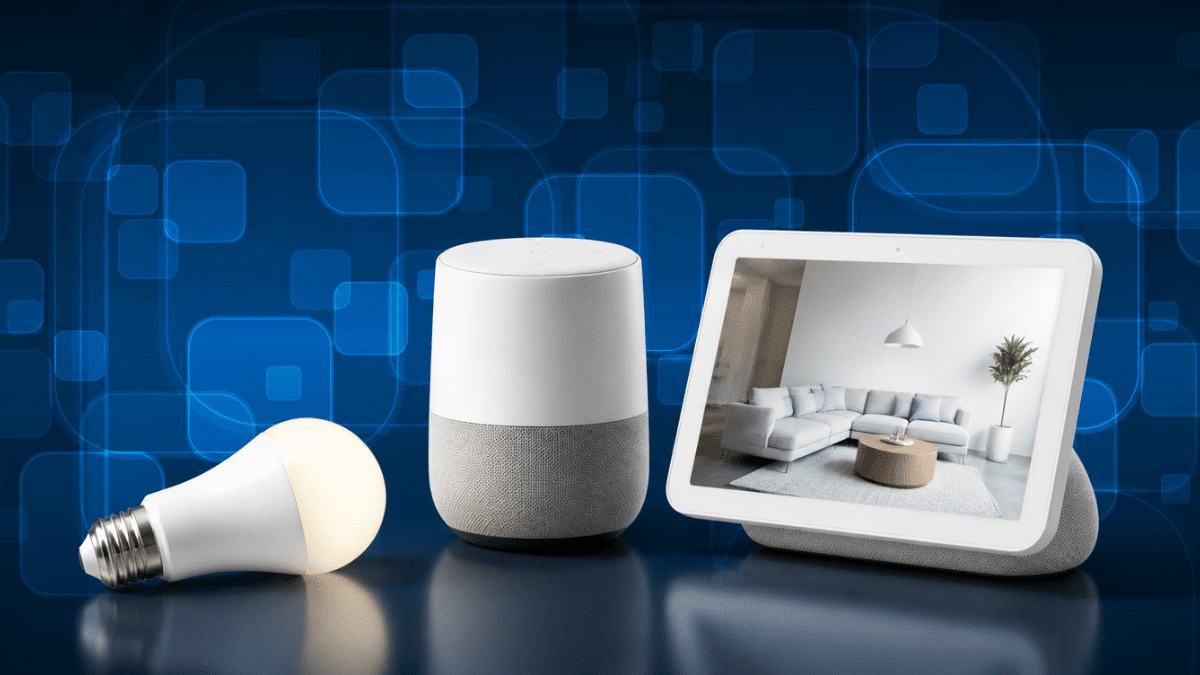
If you’re rethinking how your fixtures are wired and controlled altogether, a smarter connected lighting setup can also make it easier to track which bulbs are due for replacement.
How Many Years Do LED Lights Last?
The number of years depends largely on how many hours the light runs each day. A bulb used for a few hours each evening can last much longer in calendar years than one left on around the clock.
Here is a simple estimate based on common LED lifespan ratings.
| Daily Use | 25,000-Hour LED | 50,000-Hour LED |
|---|---|---|
| 3 hours | About 23 years | About 46 years |
| 4 hours | About 17 years | About 34 years |
| 8 hours | About 8.5 years | About 17 years |
| 12 hours | About 5.7 years | About 11 years |
| 24 hours | About 2.9 years | About 5.7 years |
These figures are mathematical estimates rather than guarantees. Fixture temperature, electrical conditions, dimmers, manufacturing quality, and ventilation can reduce the actual service life.
What Causes LED Lights to Fail Early?
A bulb rated for 25,000 hours can still fail far sooner under poor operating conditions. Several parts work together inside an LED bulb, and damage to one component can stop the whole unit.
1. Excess Heat
Heat is one of the biggest reasons LED bulbs fail early.
LEDs produce less heat than incandescent bulbs, but their electronic parts still generate warmth. That heat needs somewhere to go. A poorly ventilated or enclosed fixture can trap it around the bulb.
Repeated exposure to high temperatures can damage the driver, capacitors, solder joints, and LED chips. It can also speed up brightness loss. If you want to monitor how warm a room or fixture space is while it’s running, a reliable temperature-tracking device can help you catch trapped heat before it damages a bulb.
Bulbs used inside enclosed fixtures should be specifically rated for that purpose.
2. LED Driver Failure
The driver controls the electricity supplied to the LEDs. It converts household power into the form the LED chips need. The chips themselves may remain usable for tens of thousands of hours, while the driver fails much earlier. That can lead to:
- Flickering
- Delayed startup
- Random shutoffs
- Buzzing
- Complete failure
Driver quality can therefore affect bulb life as much as the LEDs themselves.
3. Low-Quality Components
Not every LED bulb uses the same internal parts.
Cheaper capacitors, poor heat sinks, weak solder joints, and low-grade drivers can reduce lifespan. Two bulbs carrying similar hour ratings may perform very differently under the same conditions.
Price alone does not prove quality, but certification, warranty length, fixture compatibility, and manufacturer information can help when comparing products.
4. Voltage Problems
LED electronics can react poorly to unstable power.
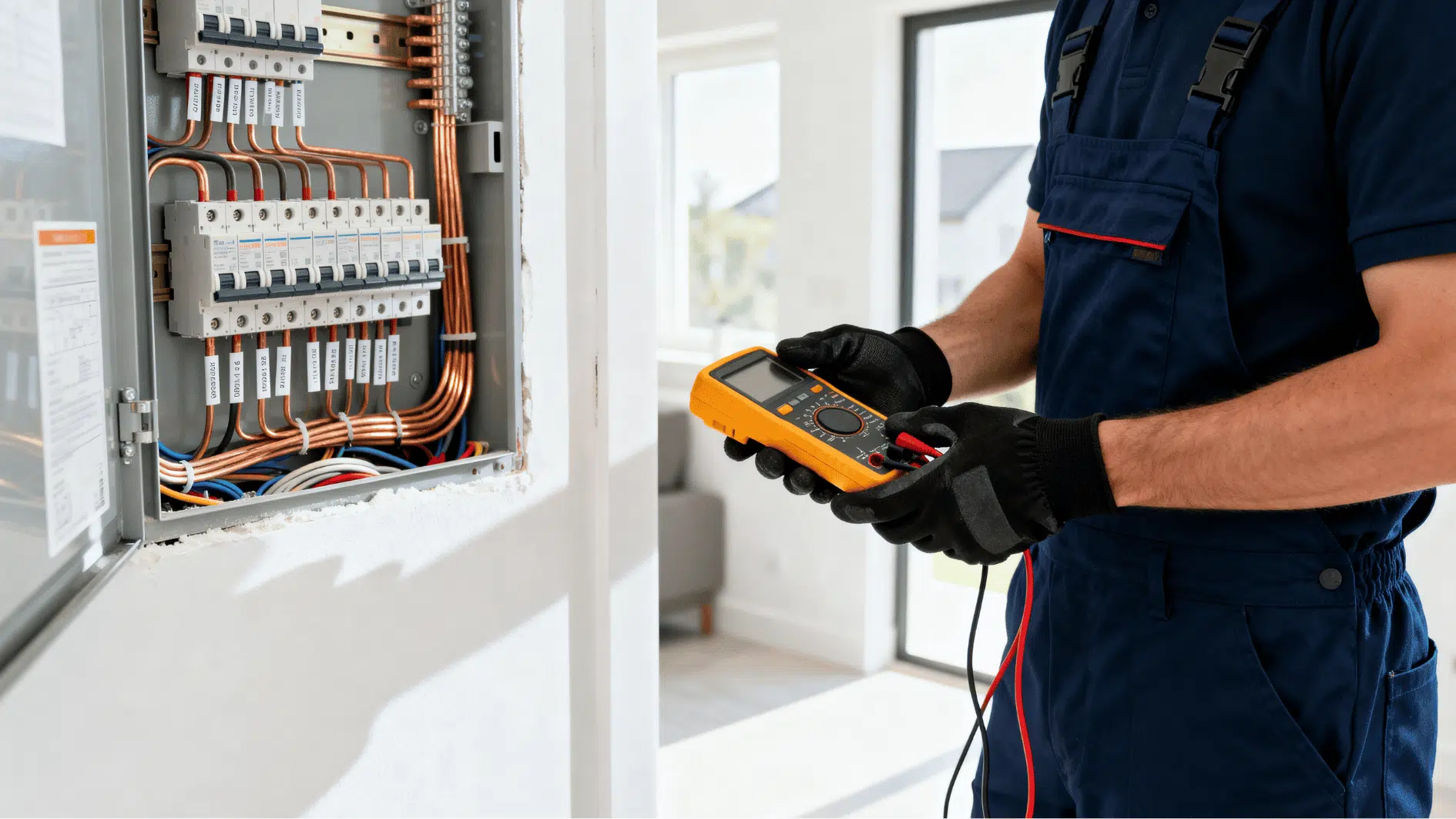
Voltage spikes, loose connections, faulty wiring, and other electrical problems can place extra stress on the driver. Frequent flickering across several bulbs may point to an electrical issue rather than a problem with one LED.
Repeated failures in the same socket deserve closer attention.
5. Incorrect Fixture Use
LED bulbs are designed for specific conditions.
A standard indoor bulb may not perform well in:
- Enclosed ceiling fixtures
- Wet outdoor fittings
- Very hot spaces
- Poorly ventilated housings
- Fixtures that exceed recommended operating temperatures
Checking the packaging for fixture and location ratings can prevent many early failures.
6. Incompatible Dimmer Switches
Not every LED works with every dimmer.
Using a non-dimmable bulb on a dimmer switch can cause poor performance. Even dimmable LEDs may behave badly with older dimmers designed for incandescent bulbs. Upgrading to modern switch controllers built for LEDs is usually a more reliable fix than swapping bulbs over and over.
Common warning signs include flickering, buzzing, uneven dimming, and bulbs shutting off at low settings.
Do LED Lights Burn Out or Slowly Get Dimmer?
Can LED lights burn out the way older bulbs do? Not quite. Traditional incandescent bulbs often fail when the filament breaks, and the change can happen instantly.
LEDs often age differently.
Their light output generally decreases over time. A bulb can still turn on after many years but produce noticeably less light than when it was new. That gradual drop is known as lumen depreciation, and it’s the main reason true LED burnout looks so different from a traditional bulb going dark.
However, LEDs can also stop working suddenly, and this sudden LED failure is what most people actually mean when they ask if their light “burned out.” When that happens, the cause is usually the driver or another electronic component, not the LED chips themselves.
A failing LED may therefore show one of two patterns: slow dimming over a long period, or a sudden LED bulb failure caused by the electronics inside it.
How Long Do Different Types of LED Lights Last?
LED products use similar lighting technology, but their designs and operating conditions vary. That means actual service life can differ between bulbs, strips, ceiling fixtures, and outdoor lights.
1. LED Light Bulbs
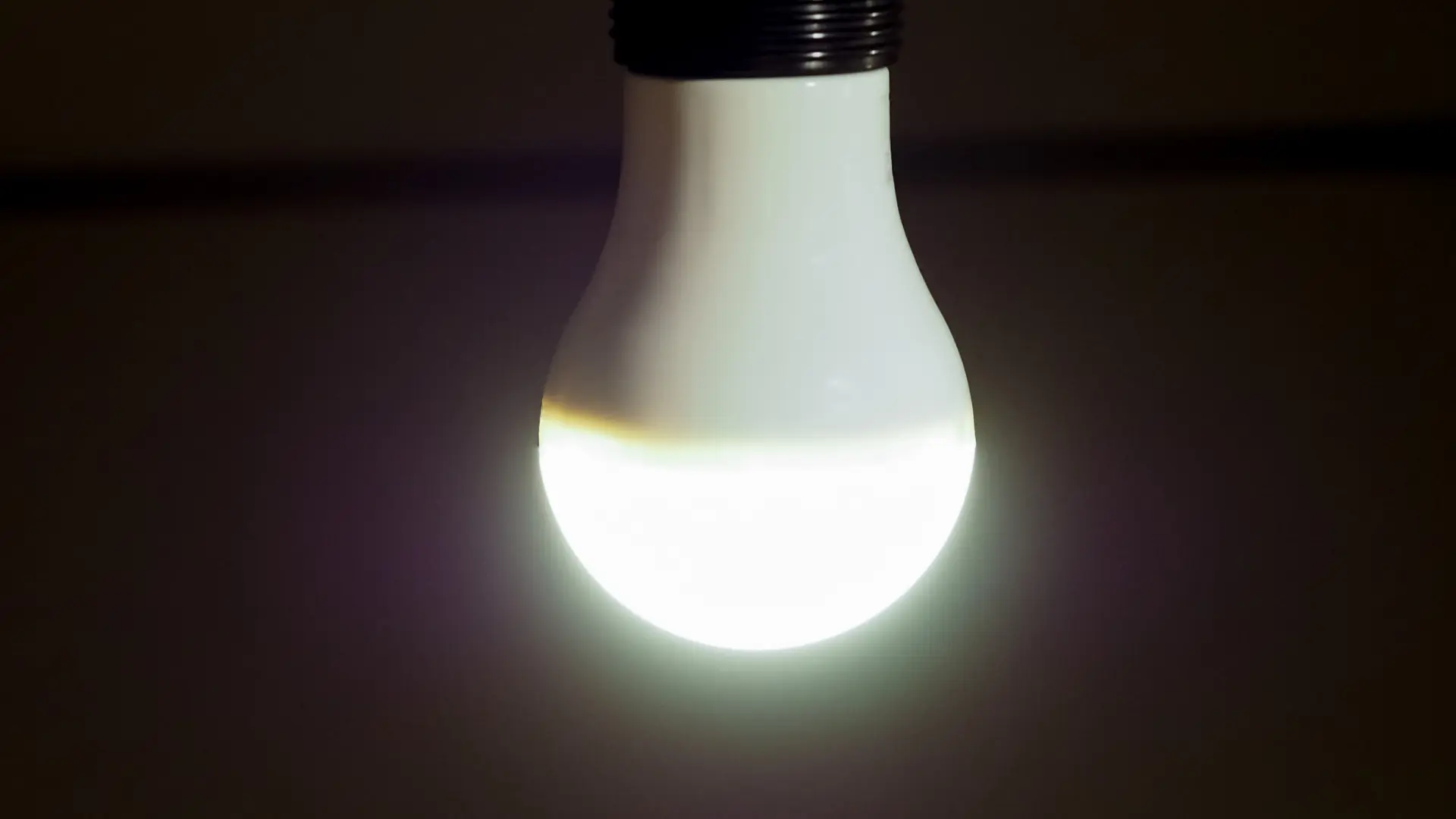
Standard LED bulbs commonly carry ratings between 25,000 and 50,000 hours.
Their real-life lifespan depends heavily on fixture temperature. A bulb used in an open lamp may run cooler than the same bulb installed inside a sealed ceiling fitting.
Regular household use of three to eight hours per day can allow a good-quality bulb to stay in service for many years.
2. LED Strip Lights
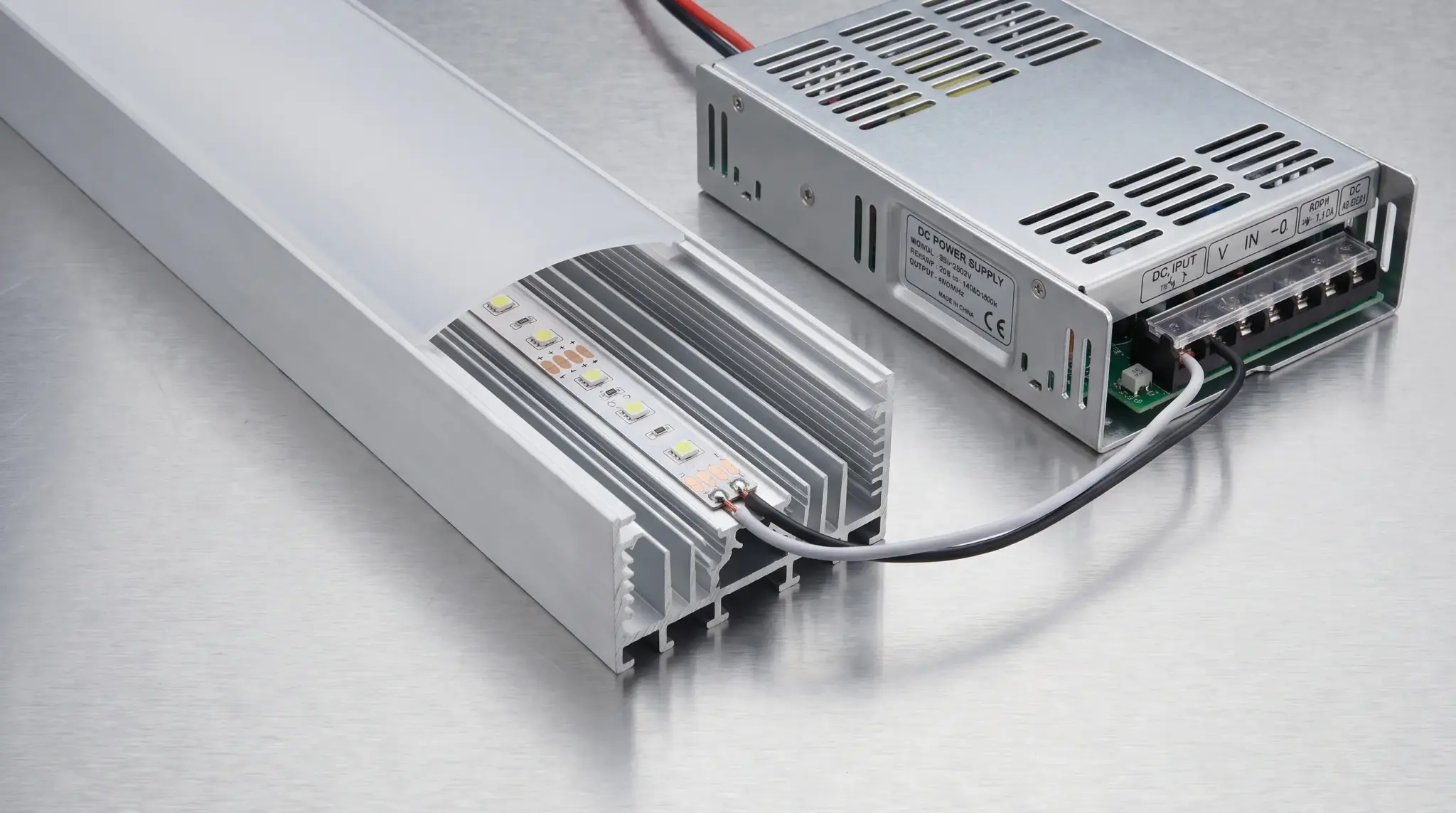
LED strips can also last for tens of thousands of hours, but heat management becomes especially important.
Strips attached directly to wood, plastic, or another surface with poor heat transfer may run hotter. Aluminum channels can help move heat away from the LEDs.
The power supply also matters. A weak or overloaded power supply can cause flickering, uneven brightness, or early failure.
3. LED Ceiling Lights
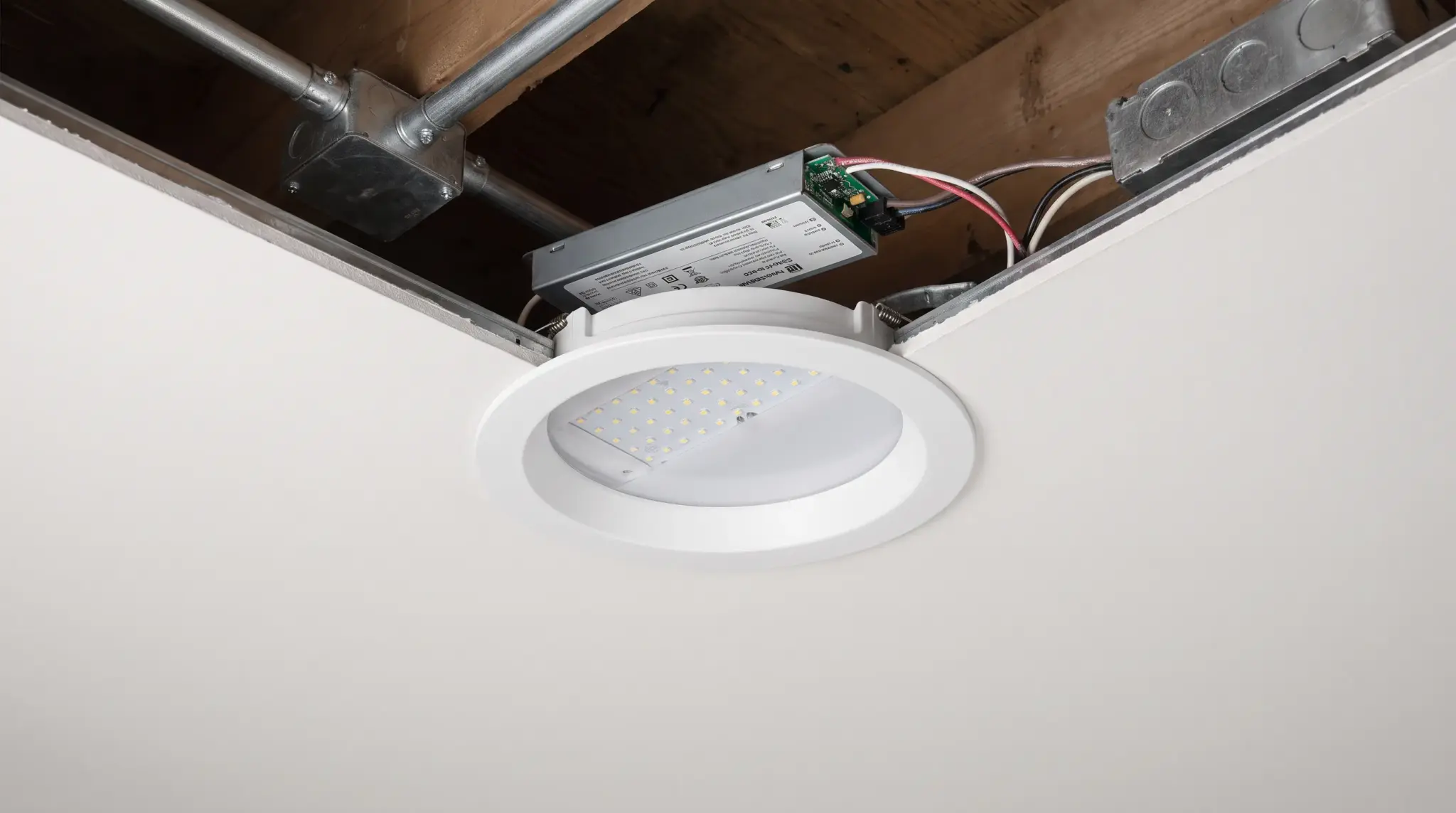
Integrated LED ceiling fixtures often use built-in light modules rather than replaceable bulbs.
The LEDs may have a long-rated life, but the driver can become the limiting component. Some fixtures allow driver replacement, while others require replacing the entire fitting.
Good ventilation above the fixture can help reduce heat buildup.
4. Outdoor LED Lights
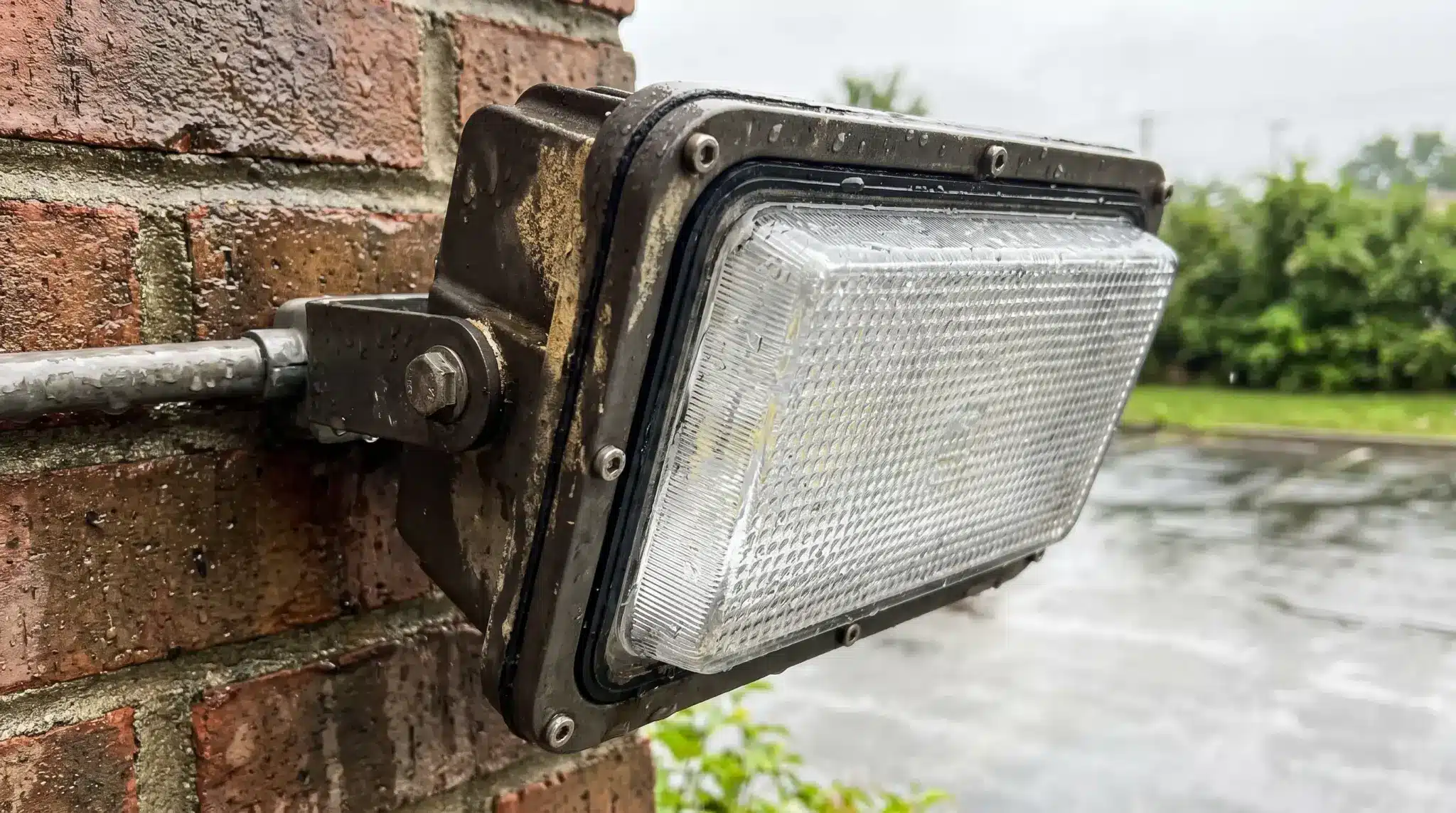
Outdoor LEDs face conditions that indoor bulbs do not.
Moisture, rain, dust, temperature swings, and direct sunlight can affect both the housing and electronics. An outdoor-rated light with the correct IP rating is better suited to these conditions than a standard indoor model.
Installation quality also matters because water entering the fixture can quickly damage electrical parts.
How Long Do LED Lights Last If Left On All the Time?
Running an LED 24 hours a day uses its rated hours much faster.
A 25,000-hour LED running continuously works out to about 2.9 years. A 50,000-hour LED works out to roughly 5.7 years.
Those numbers assume the bulb reaches its full rating under ideal conditions.
Continuous operation can also increase heat exposure, especially inside enclosed fixtures. A bulb that runs all day needs proper ventilation and a fixture suited to long operating periods.
LEDs generally handle long operating periods well, but leaving lights on when they’re not needed still consumes electricity and adds unnecessary operating hours.
Signs an LED Light May Need Replacement
LEDs do not always give one clear warning before they fail. Performance may slowly change over time.
Some signs are easier to spot than others:
- Noticeable Dimming: The bulb produces much less light than it did when new.
- Frequent Flickering: Repeated flickering may point to driver, dimmer, or electrical problems.
- Delayed Startup: The light takes longer than normal to reach full brightness.
- Color Changes: The bulb starts producing a different or uneven color tone.
- Random Shutoffs: The light turns off after warming up and comes back later.
- Complete Failure: The bulb no longer produces light despite having power.
I would pay closer attention when several bulbs fail in the same fixture. I would also check the fixture, dimmer, and wiring before assuming each replacement bulb is faulty.
How to Help LED Lights Last Longer
Good operating conditions can reduce unnecessary stress on LED components.
A few simple checks can make a meaningful difference:
- Check Fixture Ratings: Use LEDs approved for enclosed fixtures when the fitting traps heat.
- Allow Airflow: Keep ventilation openings clear so heat can escape.
- Match the Dimmer: Use dimmable bulbs with LED-compatible dimmer switches.
- Use Correct Location Ratings: Choose suitable products for indoor, damp, wet, or outdoor areas.
- Follow Wattage Limits: Stay within the fixture manufacturer’s electrical limits.
- Avoid Excess Heat: Keep LEDs away from strong heat sources when possible.
- Watch Repeat Failures: Several early failures in one location may signal a fixture or wiring problem.
These steps cannot guarantee that every bulb reaches its full advertised rating, but they remove several common causes of premature failure.
LED vs Incandescent and CFL Lifespan
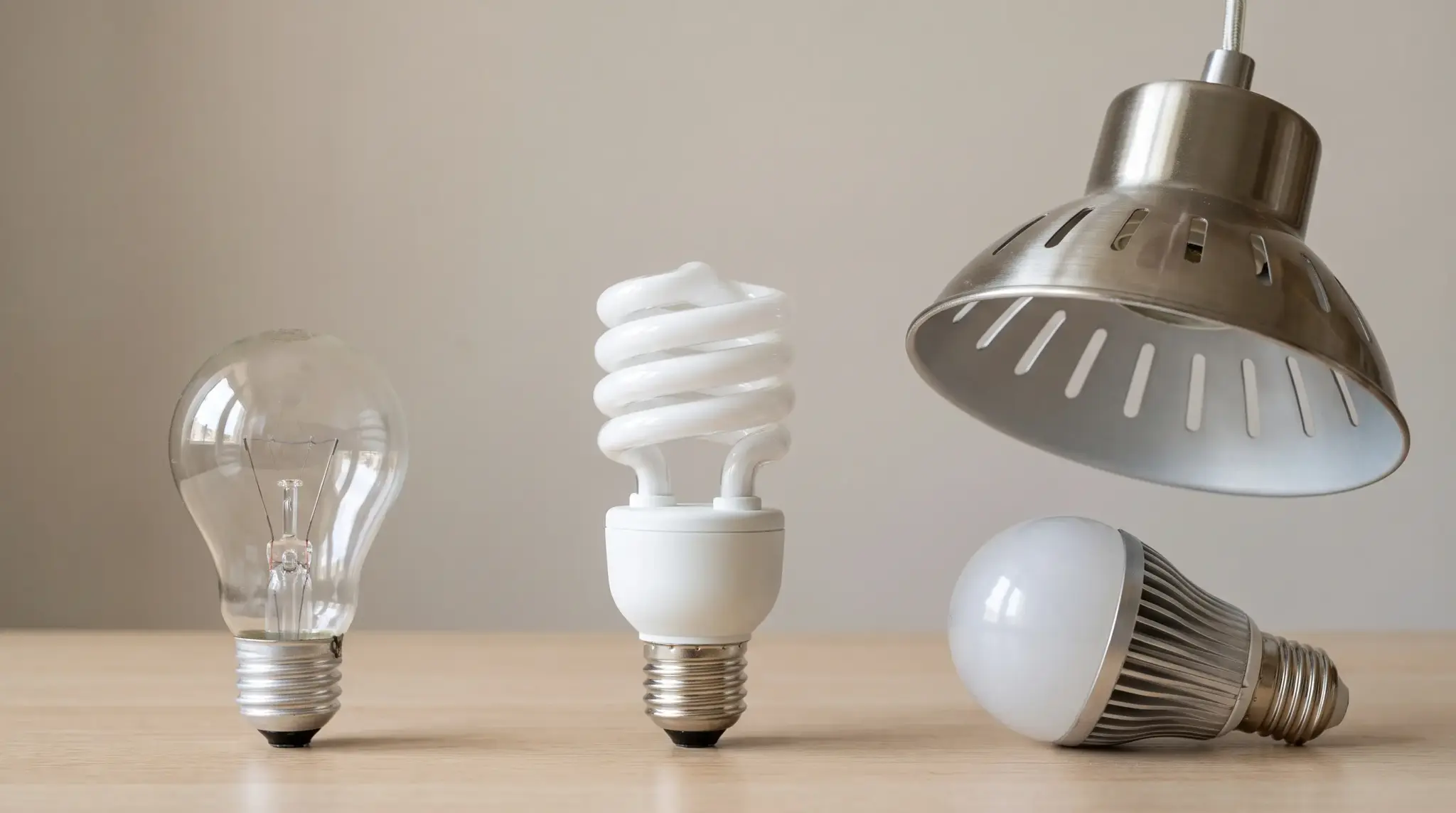
LEDs generally stay useful much longer than older household bulb types. The difference becomes clearer when you place typical lifespan ranges side by side.
| Light Type | Typical Lifespan | Common Failure Pattern |
|---|---|---|
| Incandescent | Around 1,000 hours | Filament breaks |
| CFL | Around 8,000–15,000 hours | Gradual decline or electronic failure |
| LED | Around 25,000–50,000 hours | Dimming or driver failure |
The longer rated life of LEDs reduces how often bulbs need replacing. Their electronics, however, make heat management and fixture compatibility more important than they were with basic incandescent bulbs.
Why Do Some LED Bulbs Fail After Only a Year?
An LED failing after one year does not automatically mean the lifespan rating is false.
The rated number usually comes from testing under defined operating conditions. A bulb installed in a hot, enclosed fixture may face much harsher conditions than the same model tested in a controlled environment.
Early failure can result from:
- Poor ventilation
- Driver problems
- Voltage fluctuations
- Manufacturing defects
- Incompatible dimmers
- Excessive fixture heat
- Incorrect bulb type
One failed bulb can simply be defective. Several bulbs failing repeatedly in the same socket can point to a larger issue with the fixture or electrical supply.
Conclusion
LED lights can last for years, but the rated number only tells part of the story. Daily use, heat, fixture type, driver quality, and electrical conditions all affect how close a bulb gets to its expected life.
If you are still asking how long do LED lights last, the answer is usually around 25,000 to 50,000 hours for many household LEDs. I find it more useful to pair that range with the way the light is actually used.
You can also spot warning signs sooner and avoid common problems that shorten bulb life. Try the tips above with your lights, and share your experience or check out related lighting posts for more help.
Frequently Asked Questions
How often should you replace LED lights?
LED lights do not need replacement on a fixed schedule. Replace them when they stop working, become too dim, change color noticeably, or develop persistent flickering.
Is it okay to leave LED lights on all day?
LED lights can stay on all day when the fixture handles heat properly. Continuous use simply adds operating hours faster and increases electricity use.
Can LED lights overheat?
Yes. LEDs run cooler than incandescent bulbs, but their electronic parts still create heat. Poor ventilation can trap that heat and shorten component life.
Why is my LED bulb flickering?
Common causes include incompatible dimmers, loose connections, failing drivers, voltage changes, or poor-quality electronics. Persistent flickering across several bulbs may need electrical attention.
Do frequent on-and-off cycles shorten LED life?
LEDs generally handle switching better than many older bulb types. Frequent switching is usually less harmful than excessive heat, poor drivers, or unsuitable fixtures.