




Choosing between two top-tier headphones can get confusing fast, and that’s exactly the case with Sony XM5 vs. XM4.
Both models look similar on paper, and they come from the same trusted lineup, so it’s easy to assume the differences are minor.
But once you look closer, things start to shift. Design changes, sound tweaks, and feature updates all play a role in how they feel day to day.
In this comparison, we’ll break it all down in a simple way, so you can figure out which one actually makes sense for you.
Basic Overview
Sony’s WH-1000X lineup has become well known for combining strong active noise cancellation, premium sound quality, and practical smart features in one package.
Over the years, Sony has refined this series to enhance comfort, sound quality, and everyday usability for listeners seeking high-end wireless headphones.
Two standout models in this lineup are the Sony WH-1000XM4, released in 2020, and the Sony WH-1000XM5, introduced in 2022.
The XM4 served as Sony’s earlier flagship, offering a foldable design, excellent ANC, and reliable battery life.
The newer XM5 builds on that foundation with improved noise cancellation, upgraded microphones for calls, and a redesigned build that focuses on comfort and cleaner styling.
Sony XM5 vs. XM4: Specifications Breakdown
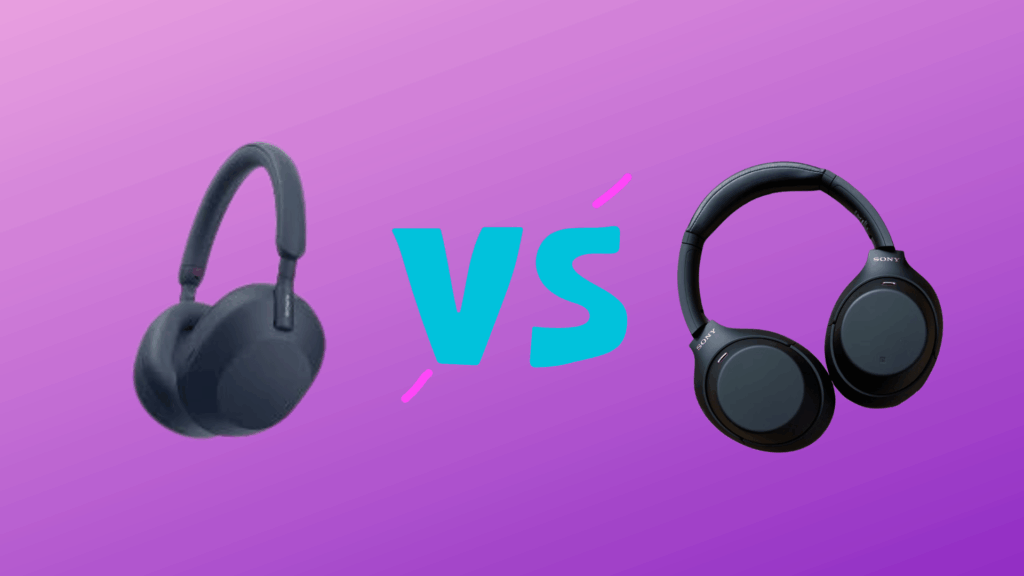
When comparing Sony XM5 vs XM4, the main differences appear in design, noise cancellation, and overall tuning. Both headphones share many core features, but Sony refined several areas in the newer model.
1. Design
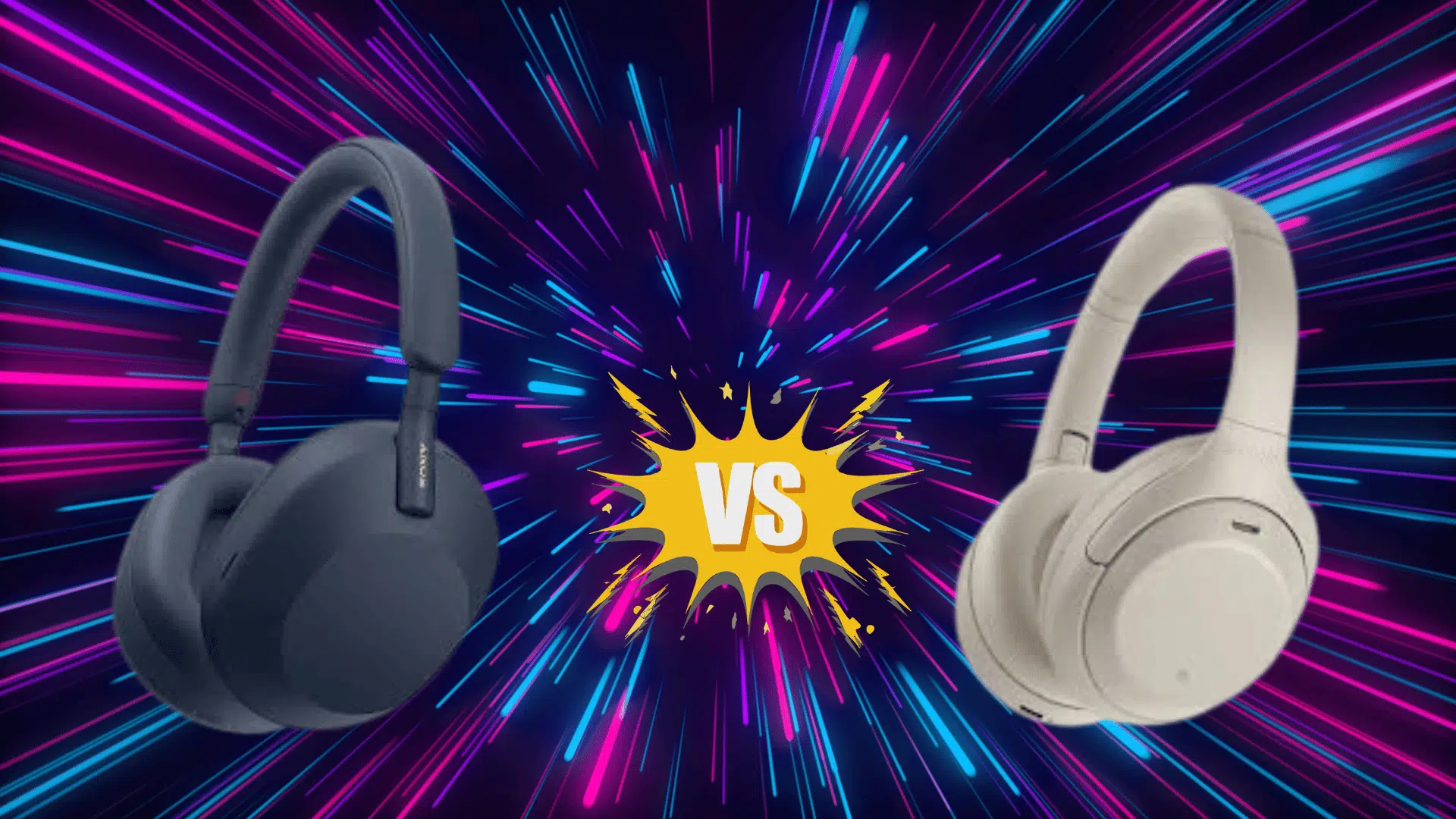
The design is one of the first differences people notice in a Sony XM5 vs XM4 comparison.
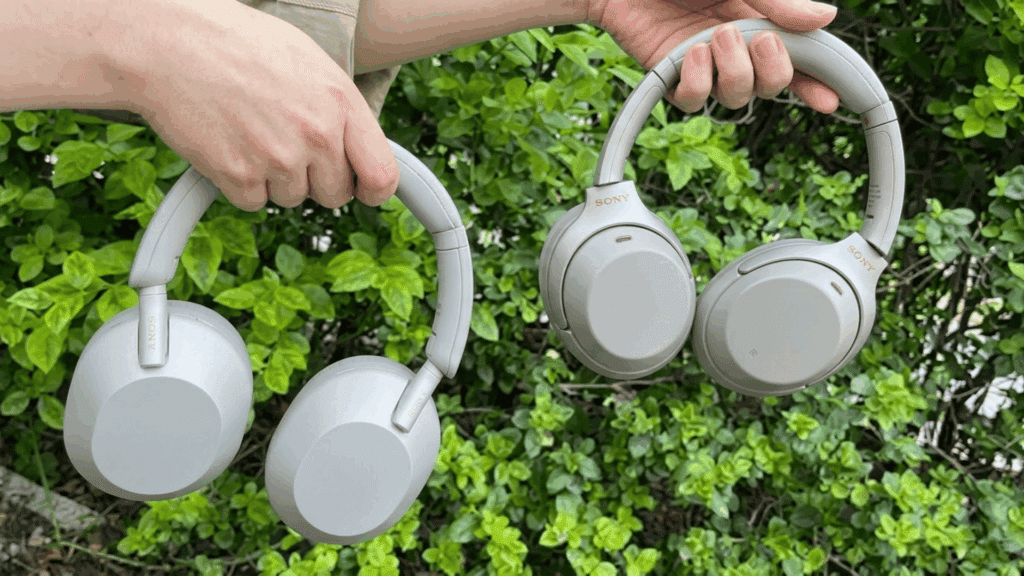
The Sony WH-1000XM5 introduces a cleaner, more minimal look, with larger earcups and a smoother headband.
It feels modern and focuses on comfort for long listening sessions.
The Sony WH-1000XM4, on the other hand, keeps the classic foldable design that many users appreciate for travel and storage.
A key difference is that XM5 does not fold fully like the XM4, which can make the XM4 easier to pack in smaller bags.
2. Noise Cancellation
Noise cancellation is a major strength for both headphones.
The XM4 already delivers very strong active noise cancellation powered by Sony’s processor, helping reduce common sounds like engine noise or background chatter.
The XM5 builds on that with improved ANC performance, especially when handling higher-frequency sounds such as voices. Sony also added more microphones to improve noise control and call clarity.
3. Sound Quality
Sound tuning differs slightly between the two models. The XM4 is known for a rich, bass-forward sound that many listeners find engaging for music and movies.
The XM5 shifts toward a more balanced and refined sound profile, with clearer mids and better detail in vocals and instruments. This change makes the audio feel more natural across different music styles.
4. Battery Life
Battery performance is very similar between the two headphones. The XM4 and XM5 each offer around 30 hours of listening time with active noise cancellation turned on.
Both models also support quick charging, giving several hours of playback from a short charging session. This feature is useful when you need power quickly before leaving home.
5. Connectivity
In terms of connectivity, both headphones support Bluetooth with LDAC, AAC, and SBC audio codecs, enabling high-quality wireless playback across many devices.
They also support multipoint connectivity, which means the headphones can stay connected to two devices at the same time.
For example, you can listen to music on a laptop and still take a call from your phone without reconnecting the headphones.
Sony XM5 & XM4 vs. Other Competitors
| Feature | Sony WH-1000XM5 | Sony WH-1000XM4 | Apple AirPods Max | Bose 700 | Sennheiser Momentum 4 |
|---|---|---|---|---|---|
| Release Year | 2022 | 2020 | 2020 | 2019 | 2022 |
| Design | Slim modern design | Foldable design | Premium aluminum build | Minimal over-ear design | Clean modern design |
| Noise Cancellation | Improved ANC | Excellent ANC | Strong ANC | Strong ANC | Strong ANC |
| Battery Life | Up to 30 hours | Up to 30 hours | About 20 hours | About 20 hours | Up to 60 hours |
| Microphones | Very good call quality | Good call quality | High-quality mics | Strong call clarity | Good call quality |
| Bluetooth Codecs | SBC, AAC, LDAC | SBC, AAC, LDAC | AAC | SBC, AAC | SBC, AAC, aptX Adaptive |
| Multipoint | Yes | Yes | No | Yes | Yes |
| Price Range | Higher | Usually cheaper | Premium | Premium | Mid-premium |
Phone App Connectivity
Both headphones in the comparison work with the Sony Headphones Connect app (now called Sony Sound Connect).
The app connects to the headphones via Bluetooth and lets users manage sound settings, noise cancellation, and device features directly from their smartphone.
Through the app, users can customize the listening experience and update the headphones without needing additional software. Many of the advanced features on the XM4 and XM5 are controlled through this app.
Key features available in the app include:
- Custom EQ settings to adjust sound based on personal preference
- Adaptive Sound Control that automatically changes settings depending on your activity or location
- ANC and ambient sound adjustment to control how much outside noise is reduced
- Firmware updates to keep the headphones up to date with new improvements
- Device switching and multipoint setup for connecting to two devices at the same time
Honest User Opinions That Matter
Looking at real user feedback and tech community discussions can give helpful insight beyond specs.
Sony xm5
Their noise cancellation feature is actual magic I can barely hear the noise of the world, which is crucial as an autistic person. There’s a button on the left side of the headphones that switches from noice canceling to normal mode so you can easily switch between modes without using an app.- Quin rider,Amazon
Bought because my studio beats kept breaking. These are amazing , the sound is way better than any headphones I’ve used and they’re so comfy on my ears, especially since I have alot of piercings and usually beats hurt my ears a lot! Highly recommend – Zoi kouroupi , Amazon
Sony xm4
I purchased these recently while they were on sale intending to use them while I work from home and listen to music, podcasts, or take a work call. They can dually connect to both my computer and phone as I often switch between the two as I’m working. – Brianna Paige, Amazon
I use the XM-4 mostly with my laptop but they’re also paired with my Galaxy S10. The only noises I have in my environment are my wife sitting about a meter away from me in our home office and she speaks very loudly when she is in a virtual meeting (and she has quite a lot of them and the keyboard clicks. So, noise cancelling is mostly used for surrounding voice. – Benoit l. , Amazon
Who Should Buy Sony Headphones?
The right choice depends on how you plan to use them, so here’s a clear look at who should consider each model.
| User Type | Sony XM5 | Sony XM4 | Best Choice |
|---|---|---|---|
| Noise Cancellation Priority | Stronger, more advanced ANC | Still excellent but slightly behind | XM5 |
| Budget Buyers | Higher price | More affordable with great value | XM4 |
| Frequent Call Users | Better mic and call quality | Average call performance | XM5 |
| Travelers & Commuters | Lightweight, very comfortable | Foldable and easier to pack | Depends |
| Sound Preference | Balanced and refined sound | Slightly more punchy and lively | Depends |
| Portability Needs | Does not fold | Foldable design for easy storage | XM4 |
| Everyday Casual Users | Premium experience | Great performance at lower cost | XM4 |
| Tech Enthusiasts | Newer features and upgrades | Older but still reliable | XM5 |
Final Verdict
In the Sony XM5 vs XM4 comparison, both headphones still stand among the top choices in the premium noise-canceling category.
The XM5 offers improved noise cancellation, clearer microphone performance, and a refreshed design, making it a strong option for users who want the latest upgrades and plan to use their headphones for work calls, travel, or long listening sessions.
At the same time, the XM4 remains a solid performer, offering excellent sound quality and the practical advantage of a foldable build that’s easier to carry while traveling.
In the end, the better pick comes down to your budget and how important the newer features are for your daily listening.