





Ditching WHOOP sounds simple until you actually start shopping.
Whether it’s recovery scores, sleep tracking, screenless comfort, a real screen, GPS, or just escaping an annual fee, the reason you want a WHOOP alternative shapes which pick actually works for you.
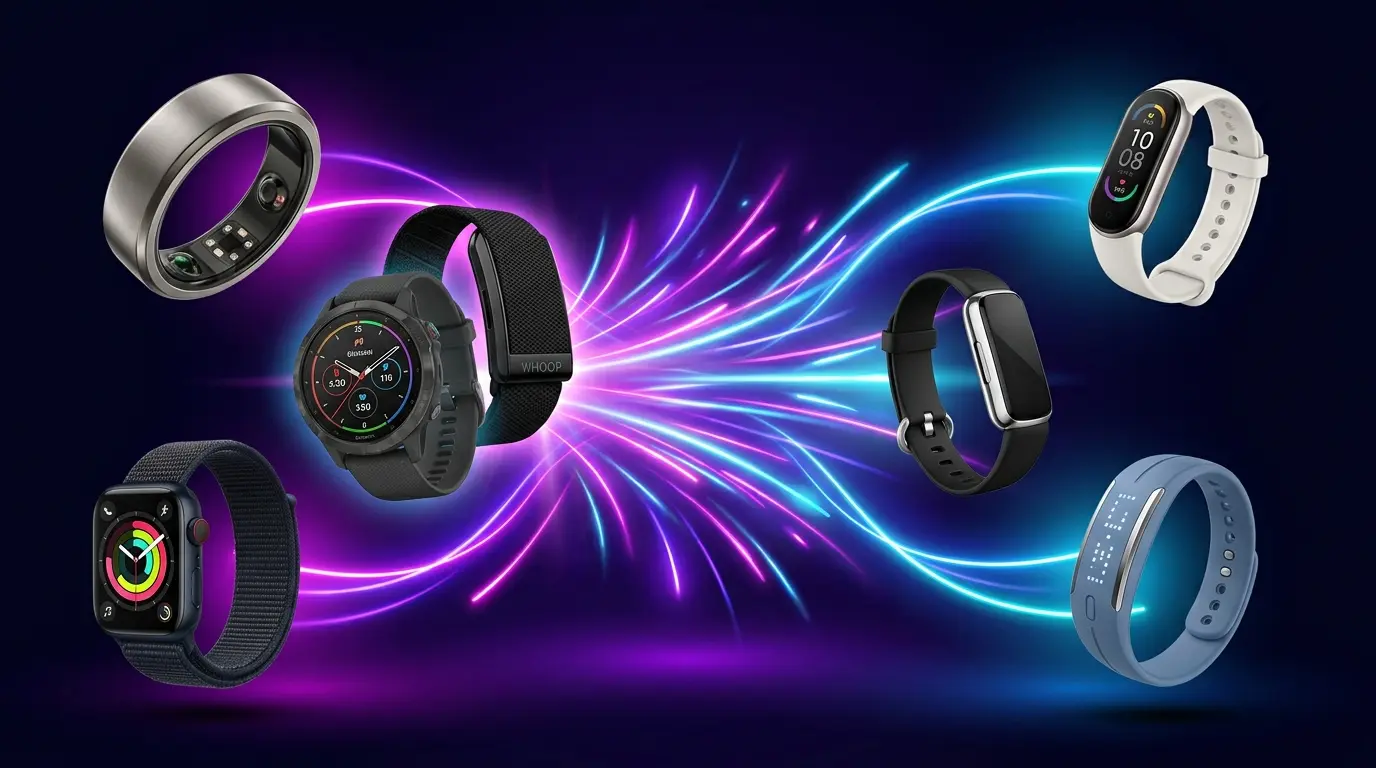
I dug into the strongest picks for U.S. buyers this year, including Oura Ring 5, Garmin, Apple Watch, Amazfit Helio Strap, Fitbit Air, and Polar Loop, and no two handle health data, training, comfort, or daily wear the same way.
Similar sensors do not guarantee a similar experience, so a feature list alone can mislead you more than it helps.
Focus on what actually changes your day-to-day: your routine, your budget, the form factor you will actually wear, and your training goals.
Why People Look for a WHOOP Alternative?
Wondering if it’s finally time to ditch that WHOOP strap? You’re not alone. Most people who start comparing WHOOP alternatives are not chasing better sensors.
They’re tired of paying an annual fee just to see their own health data.
WHOOP’s plans run from $199 to $359 a year, and that adds up fast once you count more than one renewal.
A watch or ring you actually own, with no membership standing between you and your sleep score, starts to look appealing.
Others just want a screen to check mid-workout, built-in GPS, or the option to skip a plan entirely while still getting solid recovery numbers.
What are the Best WHOOP Alternatives?
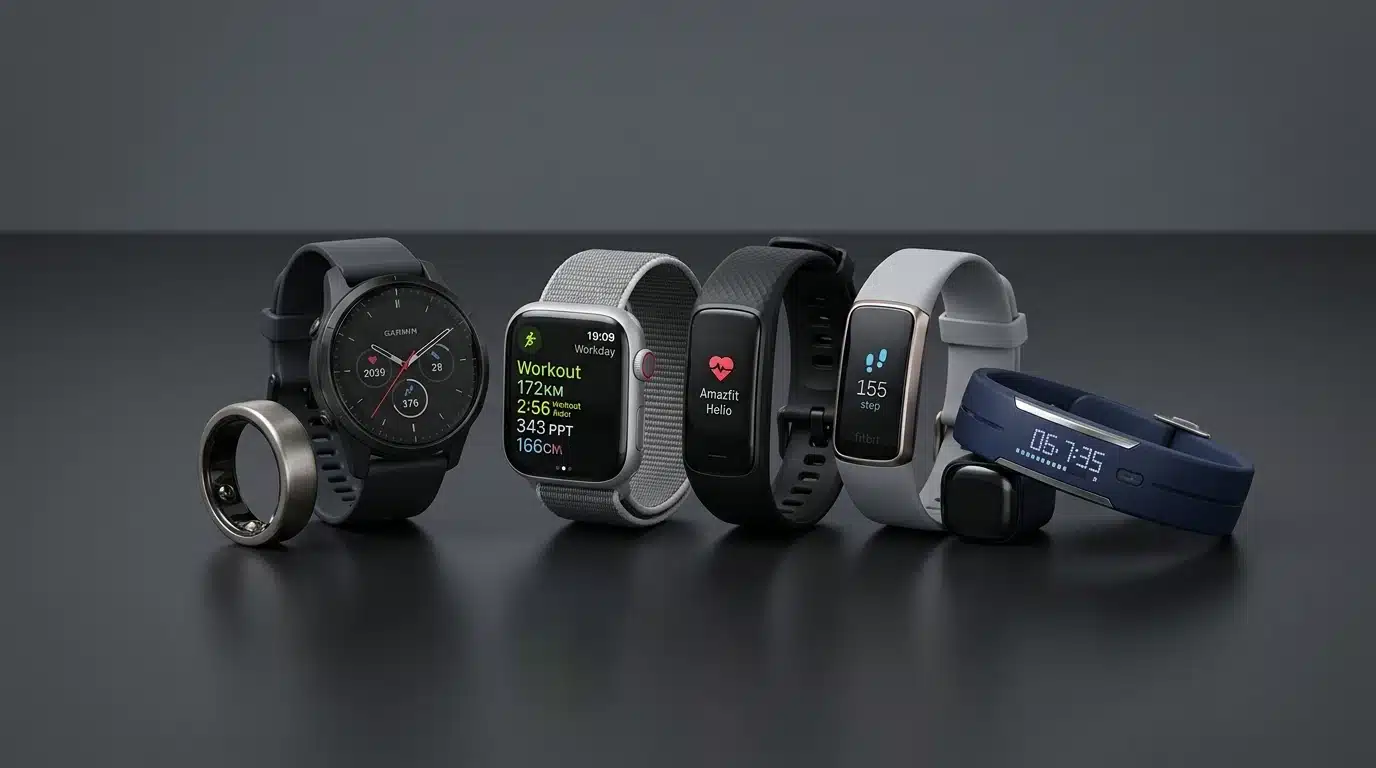
Yes, WHOOP’s competitors measure many of the same signals, but they turn that data into very different recovery, training, and sleep scores, so the “best” pick depends on which part of WHOOP you actually want replaced.
WHOOP’s top competitors serve different needs, so the best option depends on what matters most to you.
Recovery-focused trackers behave differently from sports watches, even when both measure HRV and sleep.
Cost also changes the decision because several options work without a required yearly plan. Form factor matters too, especially if you prefer a band without notifications.
1. Oura Ring 5: Best for Recovery and Sleep
Oura Ring 5 suits people who care most about sleep, readiness, and comfortable overnight tracking. It tracks sleep, HRV, heart rate, activity, temperature trends, stress, and other signals used across Oura’s health scores.
The ring stays screen-free and weighs about two grams, depending on size. Oura Ring 4 remains an older-generation option. Full Oura insights require membership, so this choice does not remove recurring costs.
2. Garmin: Best for Training and Sports Performance
Garmin suits people who want deeper sports tools than WHOOP provides. Venu and Forerunner watches add displays, built-in GPS options, sport profiles, and detailed workout information.
Garmin CIRQA provides a screenless option for people who prefer passive tracking. CIRQA uses connected phone GPS, so it should not be treated like a GPS-equipped Garmin watch.
Our Garmin Lily 2 review covers how a lighter, fashion-focused Garmin model handles many of the same health metrics.
3. Apple Watch: Best for iPhone Users
Apple Watch works well when you want health tracking, workout data, and normal smartwatch functions on one wrist.
The Vitals app, introduced with watchOS 11, brings several overnight health measurements into one view.
Training Load adds context around recent workout demand and longer-term activity patterns. If you already own an Apple Watch, another wearable may not be necessary.
Training Load adds context around recent workout demand and longer-term activity patterns. If you already own an Apple Watch, another wearable may not be necessary.
Check our aluminum vs titanium Apple Watch comparison before you decide which case is worth the extra cost.
4. Amazfit Helio Strap: Best Low-Cost Screenless Option
Amazfit Helio Strap suits people who want a light, screenless band without a required membership.
It tracks heart rate, sleep, stress, workouts, and recovery-related data through the Zepp app.
Its biggest appeal is keeping WHOOP-style passive wear without tying core tracking to an annual plan.
5. Fitbit Air: Best Affordable Health and Readiness Tracker
Fitbit Air brings several recovery-focused tools into a small, screenless band.
Our Fitbit Charge 6 review breaks down how Fitbit’s band-level tracking holds up in daily use, if you want a closer look at the brand’s approach.
Base features include Readiness, Cardio Load, Sleep Score, sleep stages, HRV, SpO2, heart rate, and activity tracking. It suits people who want more health context without moving to a full smartwatch.
6. Polar Loop: Best for Polar Training and Recovery
Polar Loop suits people who want screenless tracking inside the Polar Flow platform.
It tracks heart rate, sleep, activity, training, and recovery. Nightly Recharge and Polar’s training tools make it especially useful for people already comfortable with the Polar ecosystem.
How Do WHOOP Competitors Compare on the Features That Matter?
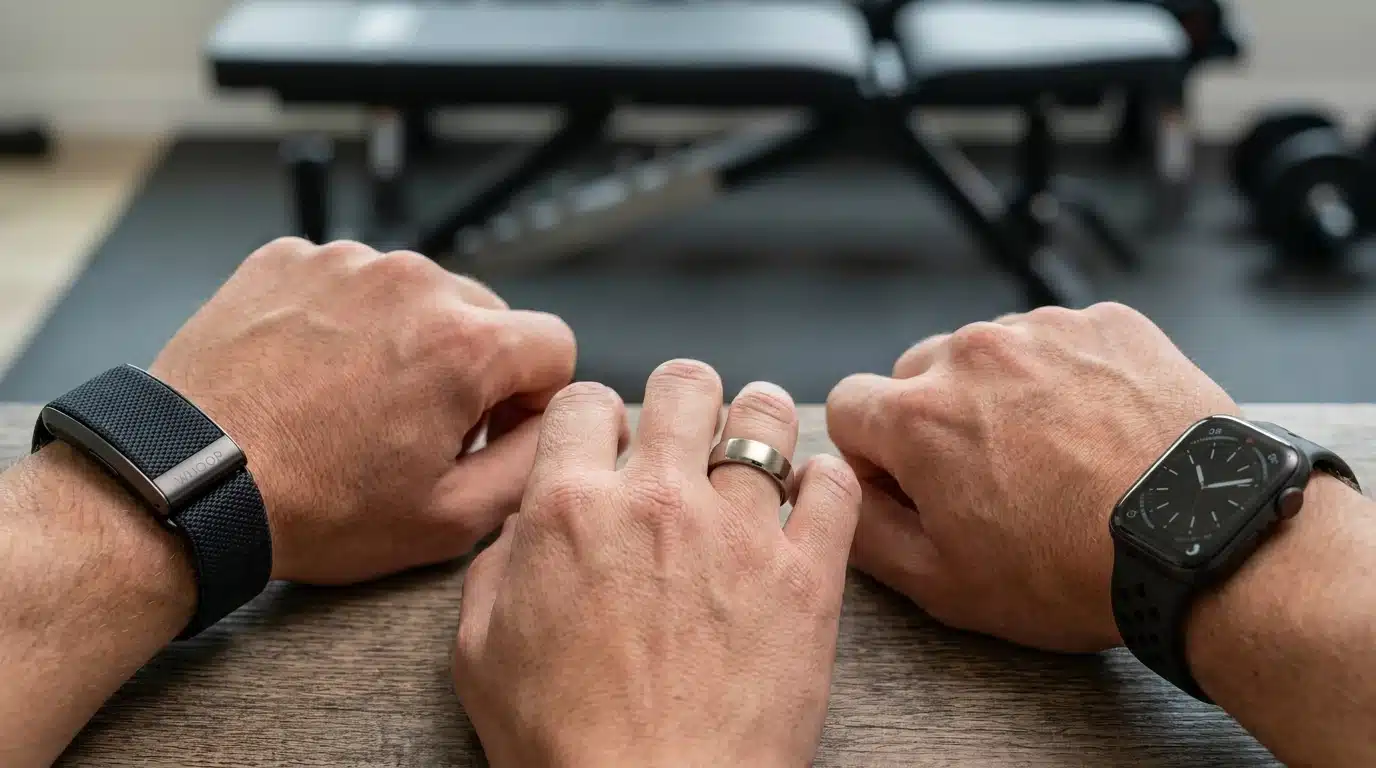
Product names matter less than how each device handles your daily decisions. Two trackers can collect similar signals yet turn them into very different scores.
That difference shows up in recovery, training, sleep, form factor, and battery habits. These are the areas most likely to change your experience after switching.
1. Recovery and Readiness Tracking
WHOOP, Oura, Garmin, and Fitbit Air use overlapping signals to estimate recovery or readiness.
Common inputs include HRV, sleep, resting heart rate, recent activity, and changes from your normal range. Each platform combines them differently, so similar readings can produce different scores.
Compare your personal trend rather than scores across brands.
2. Fitness and Training Tracking
WHOOP connects workout demand with recovery through Strain. Garmin adds training readiness, VO2 max, sport profiles, GPS tools, and recovery time.
Apple Training Load compares recent effort with a longer activity baseline. Wrist heart-rate accuracy can also change during fast movement, strength work, or loose fit.
Poor readings can affect later training estimates.
3. Sleep and Overnight Health Tracking
WHOOP and Oura connect overnight data closely with morning recovery or readiness feedback.
Garmin, Apple, Amazfit, Fitbit Air, and Polar also track sleep, but their reports support different goals. Comfort matters because removing a tracker overnight creates missing data.
A small ring or light band can make consistent wear easier.
4. Form Factor and Battery Life
Comfort affects how consistently you wear a tracker. Battery life also determines how often sleep and recovery records are interrupted.
| Type | Main Options | Battery Position |
|---|---|---|
| Screenless band | WHOOP, Garmin CIRQA, Amazfit Helio Strap, Fitbit Air, Polar Loop | Built mainly for multi-day wear |
| Smart ring | Oura Ring 5 | Around 6–9 days |
| Smartwatch | Garmin watches, Apple Watch | Varies by model |
WHOOP 5.0 lasts 14-plus days. CIRQA and Helio Strap reach 10 days, Polar Loop reaches eight days, and Fitbit Air reaches one week.
5. What About Blood Pressure Tracking?
WHOOP Life includes Blood Pressure Insights through WHOOP MG, but very few WHOOP alternatives track blood pressure at all right now.
Fitbit Air has blood pressure trends listed as a future feature rather than a current capability.
Note: These wearables should not replace clinical blood-pressure testing or advice from a qualified medical professional.
How Much Do WHOOP Alternatives Cost Over Time?
WHOOP alternatives run anywhere from about $100 for a device-only screenless band to $400-plus for a ring or watch, and a few still carry their own optional membership.
Upfront price tells only part of the story when subscriptions stay active for years. WHOOP and Oura attach recurring costs to the full experience.
Garmin, Apple, and Amazfit provide core tracking without a required health membership. Fitbit Air includes base tracking, while Google Health Premium adds deeper coaching.
The table uses current U.S. pricing available in September 2026. Prices and membership terms can change, so check the product page before buying.
| Product | Form Factor | Current U.S. Cost | Required Health Plan? |
|---|---|---|---|
| WHOOP | Screenless band | One $199/year; Peak $239/year; Life $359/year | Yes |
| Oura Ring 5 | Smart ring | From $399 plus $5.99/month or $69.99/year | Yes for full insights |
| Garmin CIRQA | Screenless band | $199.99 | No |
| Apple Watch | Smartwatch | From $249 | No for core health features |
| Amazfit Helio Strap | Screenless band | $99.99 | No |
| Fitbit Air | Screenless band | From $99.99 | Premium optional at $9.99/month or $99/year |
| Polar Loop | Screenless band | $199.99 | No |
The real cost gap shows up over several years, not just at checkout. Check which paid features you would actually use before choosing based on hardware price alone.
What Do You Lose When Leaving WHOOP?
Switching changes your software history and the device on your body. A replacement also needs time to learn your normal health patterns.
The biggest changes involve your baseline, previous records, and access to your data. These matter most when WHOOP already affects your training decisions.
- Baseline: A new platform must learn your normal HRV, sleep, activity, and recovery patterns.
- History: Previous WHOOP trends may not translate to another brand’s scoring system.
- Data access: Check Apple Health, Health Connect, Strava, and export support before switching.
Platform flexibility matters more when you use several health or fitness services.
Check integrations before buying if moving away from one ecosystem is a main goal.
Final Verdict
The right WHOOP alternative depends on the main reason you want to leave WHOOP. Start with the issue affecting your routine most.
Subscription cost, training depth, form factor, charging, software, and existing data can all change the final choice. A cheaper tracker may still disappoint if it handles your most important feature poorly.
No replacement matches WHOOP in every area. Focus on the compromises you can accept rather than finding a device that copies everything.
Compare your strongest two options based on daily use and long-term cost. The better choice should fit how you train, sleep, recover, and use health data.
Drop your pick in the comments and share which WHOOP alternative fits you best.
Frequently Asked Questions
Who is WHOOP’s Biggest Competitor?
Garmin is probably WHOOP’s closest overall competitor because both products connect activity with recovery and longer-term fitness data. The comparison changes based on what matters most to you. Oura competes more closely for sleep, while screenless bands challenge WHOOP’s wearable format. Apple Watch competes differently by combining health tracking with smartwatch functions. No single brand replaces every part of WHOOP equally.
What Was the WHOOP Controversy?
A major dispute followed the WHOOP 5.0 launch in May 2025 and centered on upgrade eligibility for existing members. WHOOP faced a widely reported backlash after early messaging suggested free hardware upgrades, but then some members were charged a fee instead. WHOOP later reversed course and expanded free eligibility for members with over a year left on their plan.
Is There a Better Band than WHOOP?
A better band depends on what you dislike about WHOOP, not on one device beating it everywhere. Garmin CIRQA suits training-focused users, while Helio Strap offers a cheaper screenless approach. Fitbit Air focuses more on broader health tracking. Polar Loop fits people already using Polar Flow. WHOOP remains appealing for tightly connected recovery coaching and charging without removing the tracker.
Is Any Device Better than WHOOP?
No wearable is better than WHOOP across every category. The best choice depends on your priorities and existing devices. Garmin makes more sense for detailed sports data. Oura Ring 5 focuses heavily on sleep and readiness. Apple Watch combines fitness tracking with everyday smartwatch features. Screenless competitors become more attractive when avoiding annual membership fees matters most.