


Most people hear “Final Fantasy” and immediately ask the same question, where do I even begin? Maybe it’s the numbers, or maybe it’s the different combat styles.
Or maybe someone told you to “just start from the beginning”, and that didn’t feel right either. There’s no single wrong answer. But there is a smarter way to approach it, depending on what kind of player you are.
Story lover, gameplay fanatic, or someone who just wants good graphics, there’s a clear path for every type right below.
Best Order to Play Final Fantasy Games You Can Follow
There isn’t just one “best” way to play Final Fantasy, especially when looking at overall game rankings. It really depends on what you enjoy. To make things easy, here are the most popular ways players start the series, so you can pick what fits you best:
Beginner-Friendly Order: Best Place to Start
If you’re new to Final Fantasy, starting with the right games can make a big difference. You want something easy to understand, not too old, and still fun to play today.
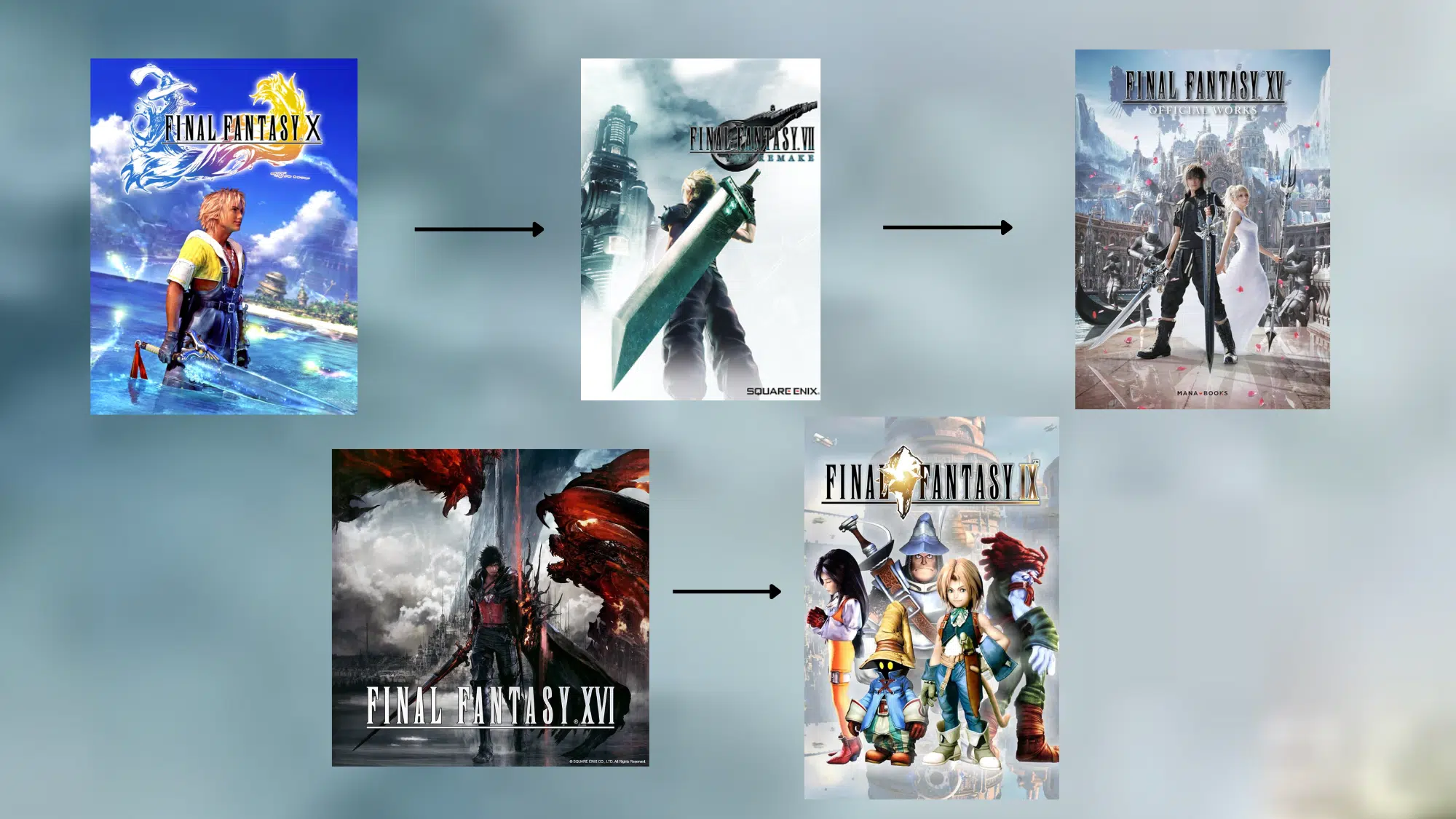
This path is designed to help you ease into the series without confusion. Here’s a simple order to get you started:
- Final Fantasy X: A perfect entry point with turn-based combat and a clear story. It teaches you the basics without overwhelming you.
- Final Fantasy VII Remake: A modern version of a classic, with action combat and great visuals.
- Final Fantasy XV: More open and relaxed, letting you find about and enjoy at your own pace.
- Final Fantasy IX: A return to classic fantasy style, but still easy to follow.
- Final Fantasy XVI: Fast-paced and modern, great once you’re comfortable.
This order helps you build confidence as you find about different styles in the series.
Release Order: For Classic Experience
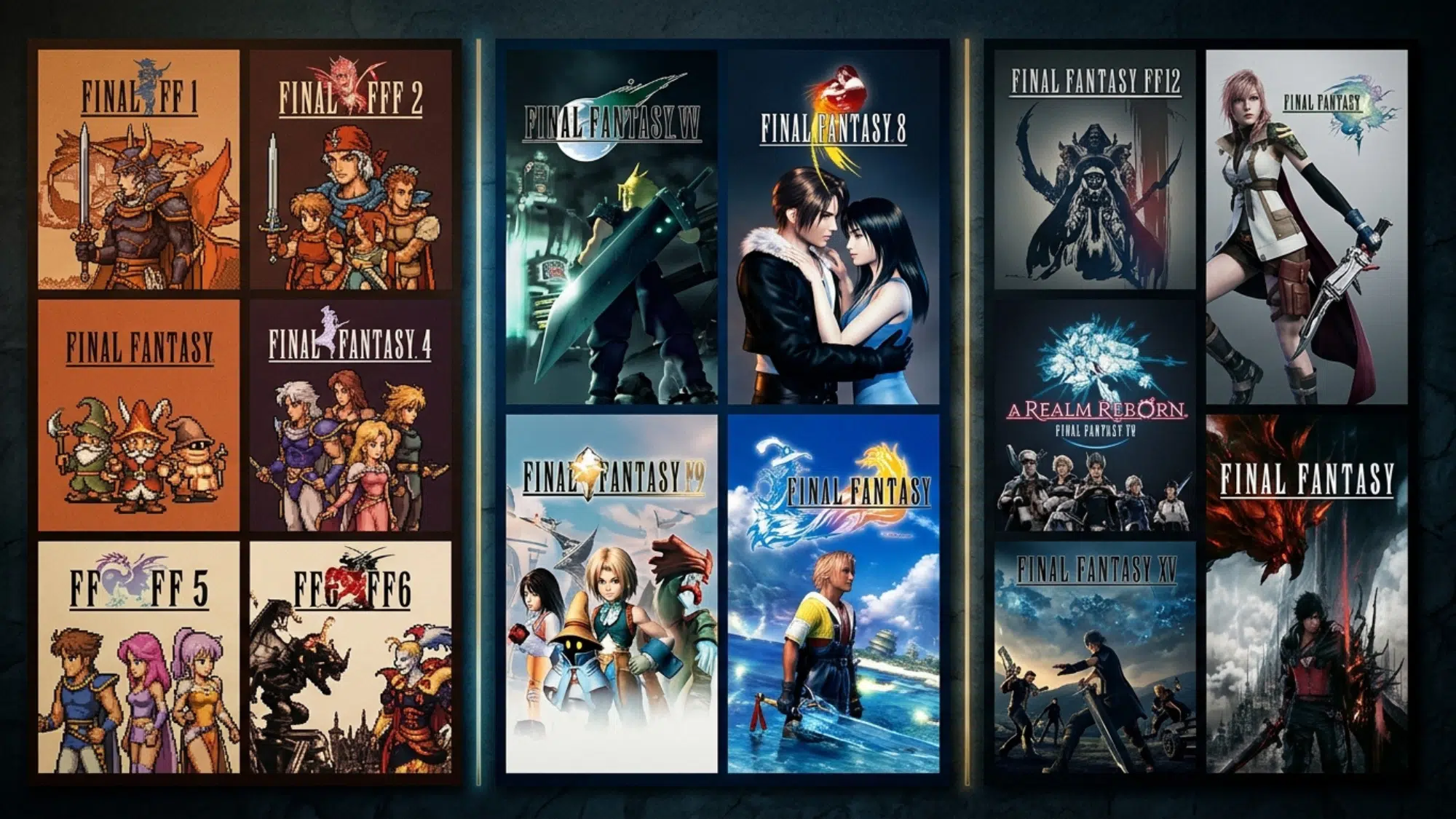
Some players like to experience games the way they originally came out. This lets you see how gameplay, graphics, and storytelling improved over time.
It’s a slower path, but very rewarding if you enjoy retro gaming. Here’s how that looks:
- FF1–FF6: Simple stories, pixel graphics, and turn-based combat. These are the roots of the series.
- FF7–FF10: A big jump in quality, with deeper stories and better visuals. This era is often called the “golden age.”
- FF12-FF16: More modern systems, voice acting, and action-based gameplay.
Quick Tip: If you choose this path, try the Pixel Remaster versions for older games. They are easier to play on modern devices.
Story-Focused Order: For Emotional Experience
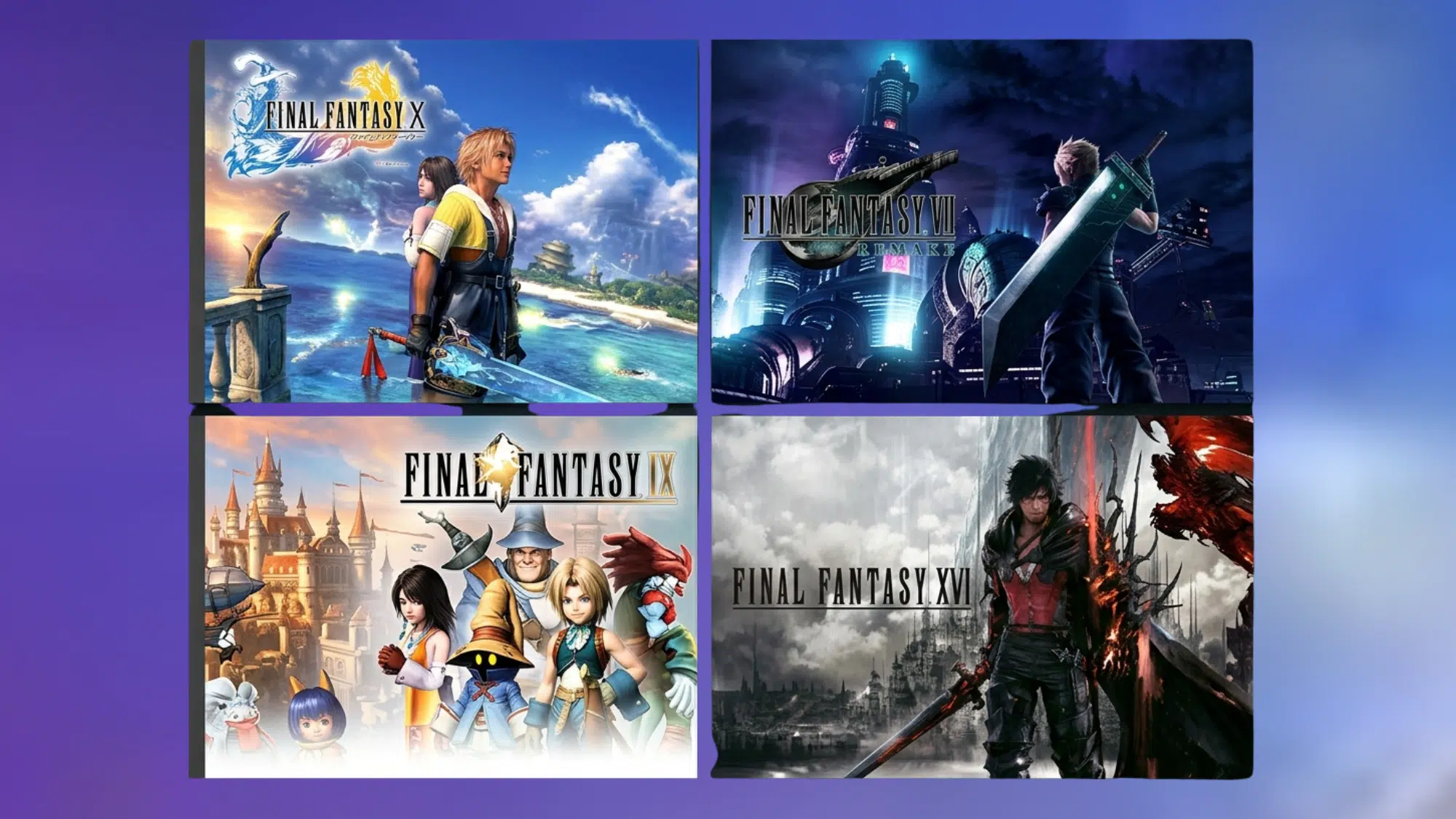
If you care more about story than gameplay, some Final Fantasy games stand out. These titles are known for strong characters, emotional moments, and memorable endings.
This path is perfect if you want a deeper connection with the game. Start with these:
- Final Fantasy X: A powerful story about love, loss, and sacrifice.
- Final Fantasy VII (or Remake): One of the most famous stories in gaming.
- Final Fantasy IX: Starts light but becomes surprisingly deep.
- Final Fantasy XVI: A darker, more mature story with cinematic scenes.
These games focus on storytelling first, making them great for players who enjoy narrative-driven games.
Modern Gameplay Order: No Old Graphics
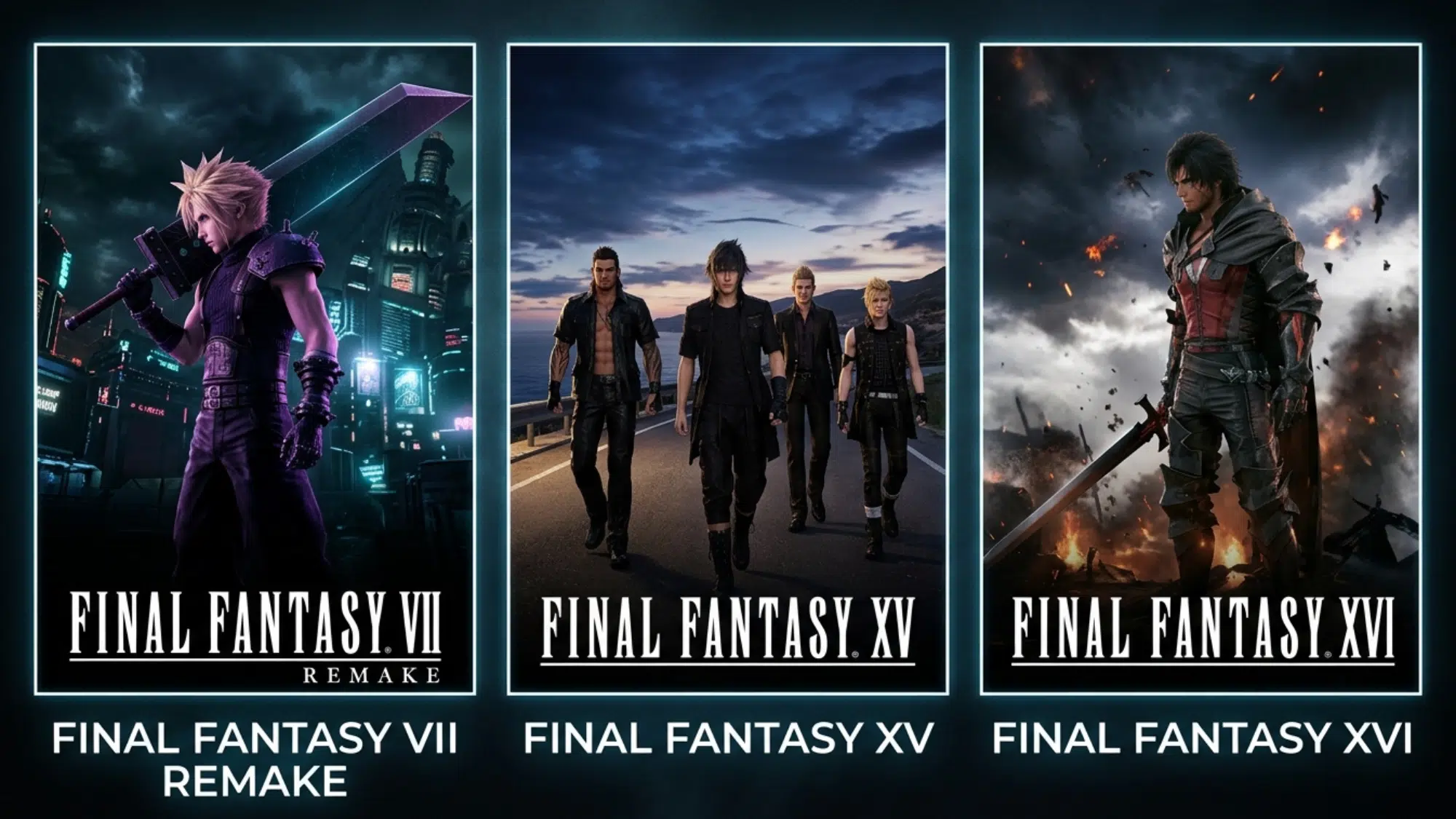
Not everyone enjoys older graphics or slow combat systems. If you prefer fast gameplay and high-quality visuals, this path is for you. These games feel more like modern action titles. Here’s where to start:
- Final Fantasy VII Remake: Smooth combat and modern design.
- Final Fantasy XV: Real-time battles with an open-world feel.
- Final Fantasy XVI: Very fast combat, almost like an action game.
This order is great if you want a modern gaming experience without going back to older styles.
Sequel-Based Order: When Story Continues
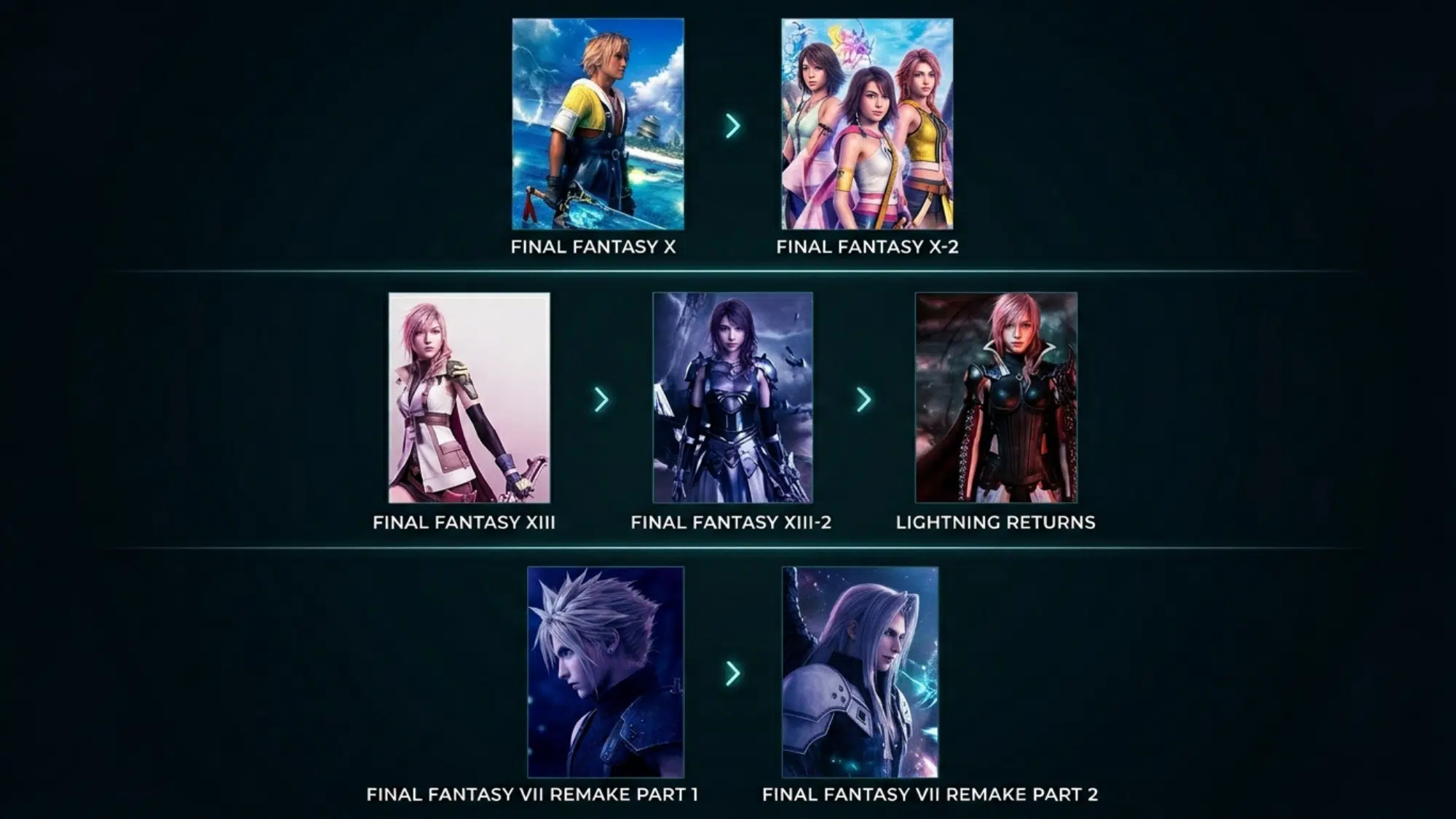
Most Final Fantasy games are separate, but some are directly connected, which becomes clearer through game connection details. These games continue the same story, so playing them in order is important.
If you start in the middle, the story may not make sense. Here are the main ones:
- Final Fantasy X → Final Fantasy X-2: Continues the story after the main ending.
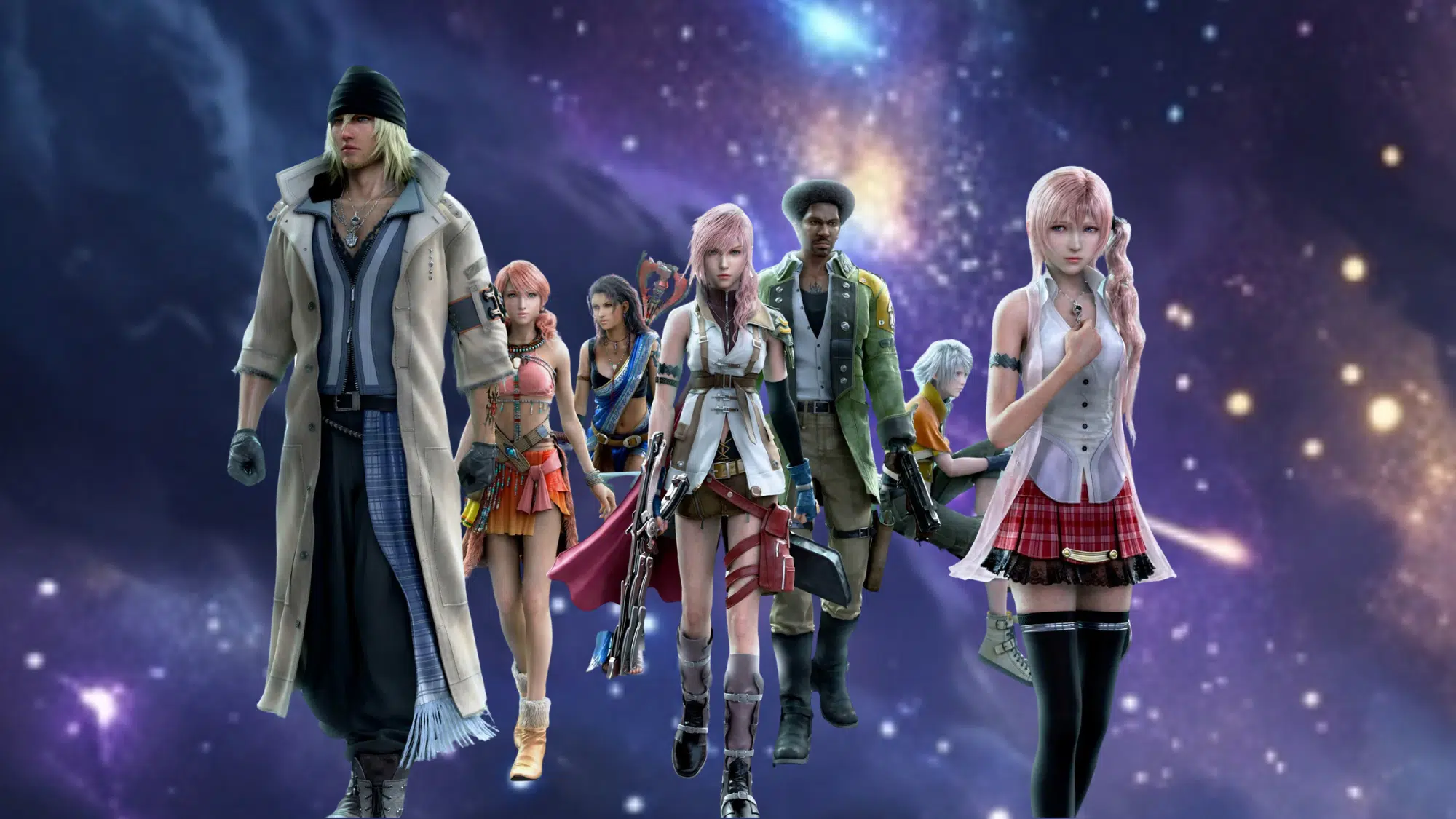
- Final Fantasy XIII → XIII-2 → Lightning Returns: A full trilogy with connected events.
- Final Fantasy VII Remake series: Ongoing story across multiple parts.
For these, always follow the correct sequence to fully understand the story and characters.
Final Fantasy Games You Can Skip If You’re Short on Time
Not every Final Fantasy game is essential, especially if you want a smooth start. Since most titles are standalone, skipping some won’t affect your overall experience.
Early games like Final Fantasy I–III can feel too simple and outdated for new players. Spin-offs such as Final Fantasy Tactics or Crystal Chronicles are optional because they don’t follow the main series style.
Also, MMO games like Final Fantasy XI and XIV require a big time commitment and online play, which may not suit everyone. If you’re new, focus on popular main titles first.
You can always go back and try others later if you enjoy the series.
What Most New Final Fantasy Players Get Wrong
Starting Final Fantasy can feel exciting, but it’s easy to make a few wrong choices at the start. Many beginners overthink things or pick the wrong game and lose interest fast.
To help you enjoy the series from day one, here are the most common mistakes to avoid:
- Starting with the oldest games first and getting bored
- Thinking you must play every game in order
- Ignoring modern versions like remakes and remasters
- Picking a game that doesn’t match your play style
- Quitting too early because the story feels slow at first
- Skipping tutorials and not learning basic systems
- Expecting all games to feel the same
- Choosing long MMO games without enough time
- Overcomplicating the “best order” instead of just starting
Conclusion
Final Fantasy is one of those series that looks complicated from the outside. Tons of games, different systems, no clear starting point. But it’s really not that deep once the right entry point clicks.
Every path covered here exists for a reason, because players are different. Some want emotion. Some want action. And some just want to jump in without overthinking it.
So pick a game that matches the current mood and go from there. No need to play everything or follow a strict order.And the right game? It’s probably closer than expected.