






The power goes out, and suddenly everything stops. The fridge, the lights, the internet, gone. And if it happens at the wrong time, it’s more than just inconvenient.
That’s exactly why installing a backup generator has become one of the smartest home decisions people are making right now. Not just for emergencies, but for peace of mind on any given day.
It’s not as complicated as it sounds. But there are things worth knowing before jumping in. Everything needed to make a confident, informed decision is right below.
What is a Backup Generator?
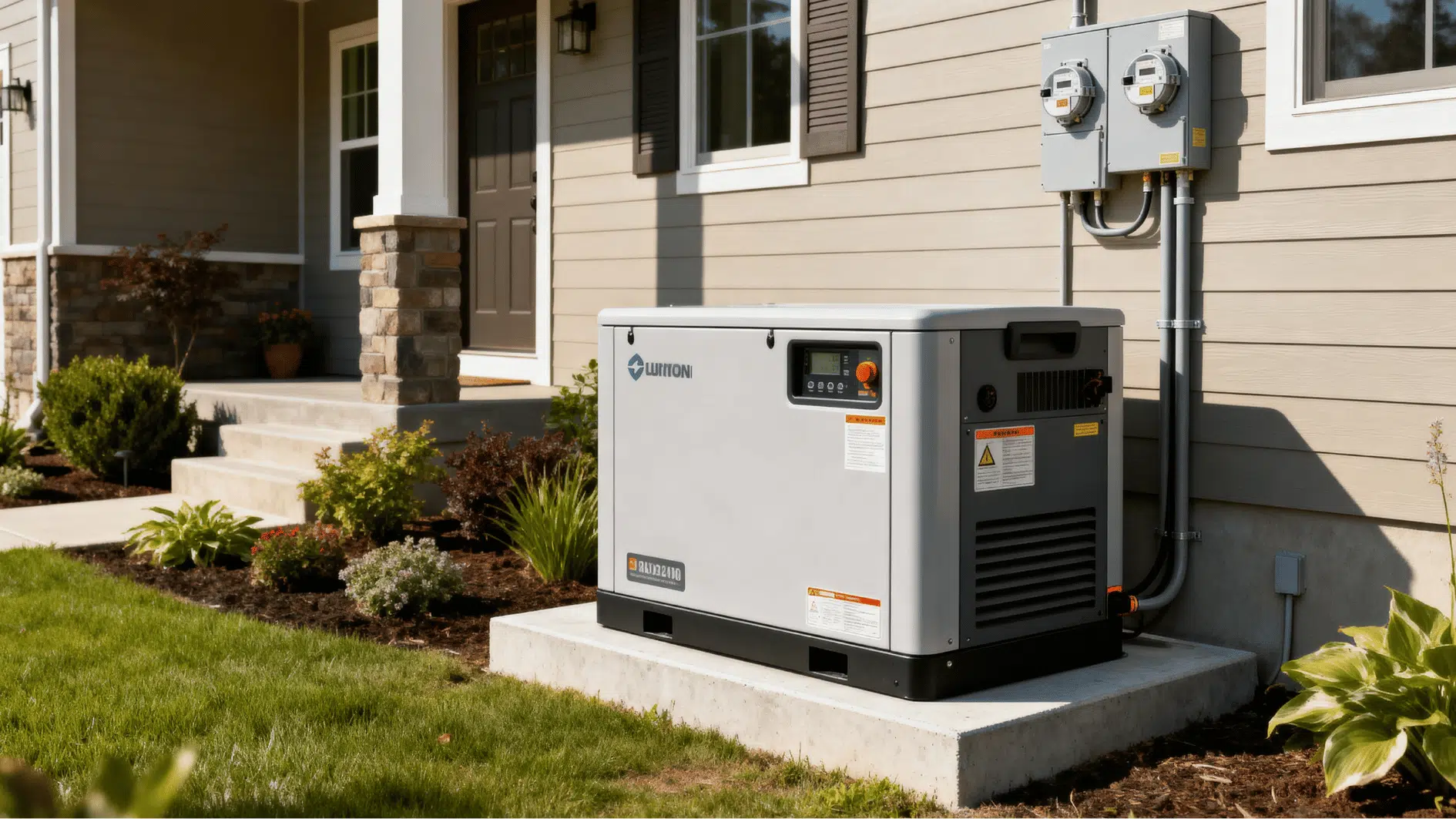
A backup generator is a device that provides electricity when the main power supply stops working. It helps keep important appliances and systems running during power outages.
Backup generators are commonly used in homes, businesses, hospitals, and other places where reliable power is essential.
They can run on different fuel sources, such as natural gas, propane, or diesel, and overall household demand also depends on systems like heating and cooling that draw significant power during outages.
Some generators start automatically when the power goes out, while others need to be turned on manually.
Having a backup generator can reduce disruptions, protect critical equipment, and provide peace of mind during storms, emergencies, or unexpected power outages.
What Installation Resources do Manufacturers Provide?
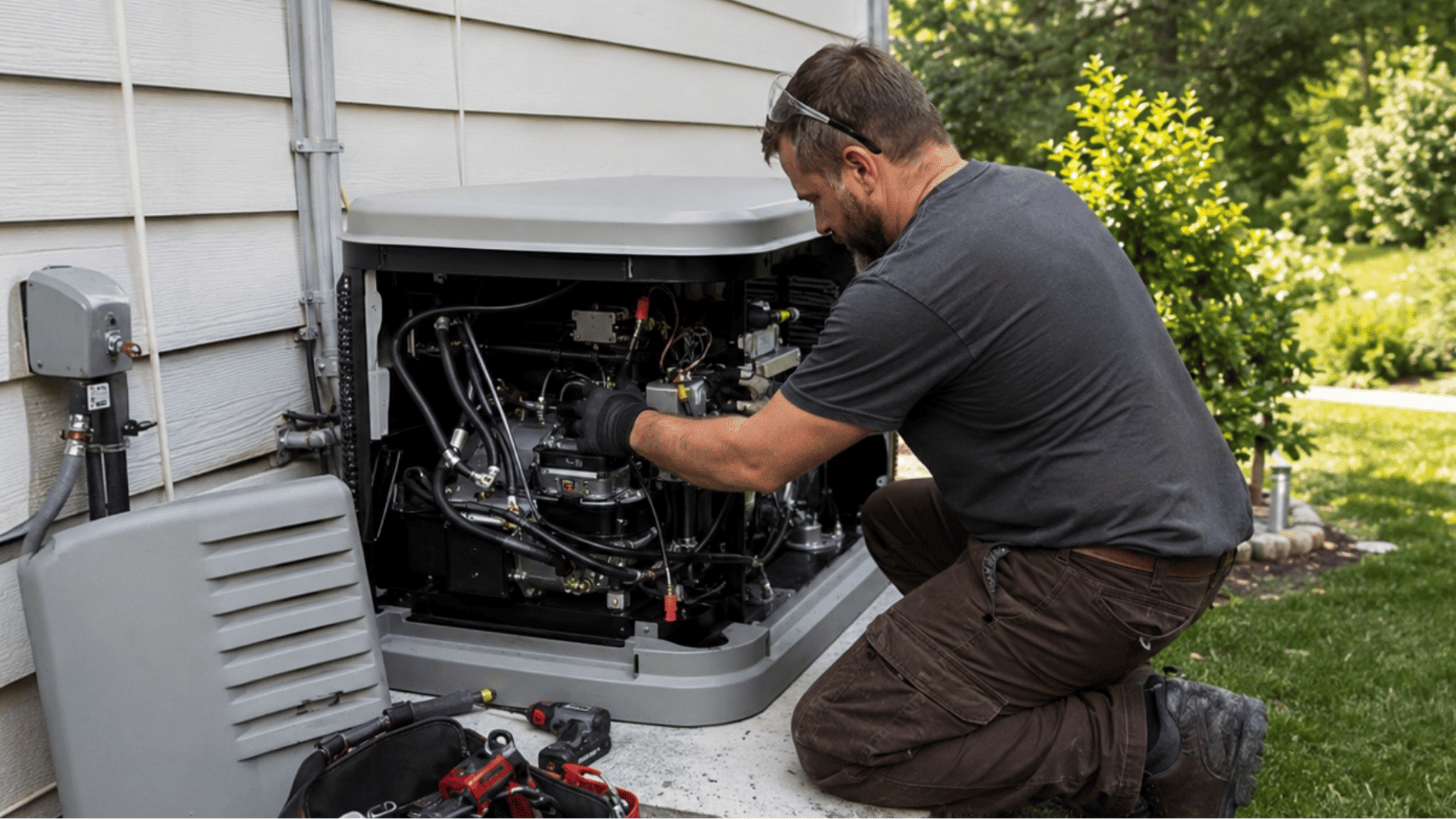
Manufacturer websites give simple, helpful tools that make backup generator installation easier to understand before talking to an installer.
These resources explain how the system works, what your home may need, and what to expect during setup, so you can make better decisions without confusion.
Product Manuals
Product manuals give clear instructions and technical details about a specific generator model. They help you understand how the unit works and what is needed for safe setup and use.
- Fuel Type: Explains whether the generator runs on natural gas, propane, or other fuel sources.
- Power Output: Shows how much electricity the unit can produce.
- Clearance Rules: Lists safe spacing needed around the generator.
- Maintenance Steps: Provide basic care and service guidance.
- Safety Instructions: Shares important warnings for safe operation.
Sizing Tools
Sizing tools help estimate the right generator size based on what your home needs during a power outage. They give a starting point before a professional installer checks your setup.
- Appliance Selection: Helps choose what you want to power during outages.
- Heating and Cooling: Includes HVAC power needs if required.
- Water Pumps: Accounts for sump or well pump usage.
- Home Size Input: Uses house size to estimate load needs.
- Power Planning: Helps separate essential and non-essential usage.
Installation Guides
Installation guides provide a basic overview of how to set up a generator from start to finish. They help you understand the process without replacing a licensed installer.
- Setup Steps: Outlines how the installation is carried out.
- Placement Tips: Suggest safe outdoor locations.
- Electrical Setup: Explains the basic connection to the home system.
- Fuel Connection: Covers how fuel lines are connected.
- Testing Process: Describes final checks before use.
Warranty Information
Warranty information explains what is covered by the manufacturer and what rules must be followed to keep coverage valid after installation.
- Coverage Period: Shows how long protection lasts.
- Covered Parts: Lists components included in warranty.
- Installation Rules: Explains required setup conditions.
- Maintenance Requirements: Share service schedules to follow.
- Service Records: Detailed documentation is needed for claims.
Specification Sheets
Specification sheets provide technical details that help people and installers evaluate a generator before installation. They offer important information about space, performance, and operating requirements.
Dimensions: Show the generator’s size and footprint.
Weight Information: Lists unit weight for placement planning.
Noise Levels: Explains operating sound ratings.
Fuel Consumption: Estimates fuel usage during operation.
Electrical Ratings: Provide voltage and power specifications.
Permitting and Code Resources
Many manufacturers provide guidance on installation requirements that may vary by location. These resources help people understand common rules before starting a project.
Permit Guidance: Explains possible permit requirements.
Code Information: Covers basic installation standards.
Inspection Requirements: Outlines potential inspection steps.
Local Regulations: Highlight location-specific rules.
Compliance Support: Helps meet safety requirements.
Dealer Locator Tools
Dealer locator tools help users find authorized installers trained to work with a specific generator brand. They simplify the process of connecting with qualified professionals.
Installer Search: Finds local authorized dealers.
Location Lookup: Searches by ZIP code or city.
Contact Information: Provides dealer details.
Service Availability: Shows installation support options.
Brand Training: Connects users with certified professionals.
Transfer Switch Resources
Transfer switch resources explain how the safely connect a generator to a home’s electrical system. They help people understand an important part of the installation process.
Transfer Switch Types: A comparison of available options.
System Compatibility: Shows compatible equipment.
Power Transfer Process: Explains how backup power works.
Safety Features: Highlights built-in protection measures.
Installation Requirements: Covers basic setup considerations.
Can You Install a Standby Generator Yourself?
Standby generator installation is not a good DIY project for most people. These units connect to your home’s electrical panel and fuel source, so one mistake can create safety issues or affect the warranty.
A licensed installer is usually the safer choice because they can handle the wiring, fuel line, transfer switch, permits, code rules, and final testing.
You can still do the smart prep yourself. Compare brands, read product manuals, use sizing tools, and write down your power needs before calling a pro.
The research can be DIY, but the actual installation is best left to a trained installer.
How is a Backup Generator Installed?
Backup generator installation is usually handled by a licensed pro because the unit connects to your home’s power and fuel system.
The process follows a clear, step-by-step order to ensure everything works safely and correctly:
- Home Inspection: The installer checks your electrical panel, fuel source, outdoor space, and local rules to plan a safe setup.
- Site Preparation: A suitable outdoor spot is selected and prepared, often with a concrete pad or a solid base to keep the generator stable.
- Transfer Switch Setup: A transfer switch is installed to safely move your home from utility power to generator power during outages.
- Fuel and Wiring Connection: The generator is connected to the fuel line and the electrical system, and all safety checks are completed.
- System Testing: The installer runs final tests to confirm the generator starts, powers the home, and shuts down correctly.
Trusted Installation Support that You Should Know About
Dealer locator pages help you find trained professionals who work directly with specific generator brands. These tools make it easier to connect with installers who already understand the product and service process.
The table below shows some well-known generator brands and their dealer support options for installation and service:
| Company | Installation Support | Service Support | Sizing Help | Warranty Support | Network Strength |
|---|---|---|---|---|---|
| Generac | Full dealer installation | Maintenance & repairs | Yes | Yes | Very strong |
| KOHLER Home Energy | Certified installation | Full service support | Yes | Yes | Strong |
| Cummins | Authorized installation | Service & repair support | Yes | Yes | Strong |
| Briggs & Stratton | Licensed installer network | Maintenance support | Yes | Yes | Moderate |
| Champion Power Equipment | Basic installer support | Limited service options | Basic tools | Standard | Growing network |
Questions to Ask Before Booking Installation
Before booking backup generator installation, ask a few clear questions. This helps you understand the quote, avoid surprise costs, and choose someone who knows the generator brand you want.
Ask the installer:
- Are you licensed and insured for electrical and fuel work?
- Have you installed this generator brand before?
- Is the transfer switch included in the quote?
- Will you handle permits and inspections?
- Does the price include fuel line work?
- What happens if my electrical panel needs updates?
- What maintenance will the generator need later?
- Will the installation follow the brand’s warranty rules?
Final Thoughts
Backup generator installation is one of the most practical steps people can take to protect their household from unexpected outages. From choosing the right size to finding a licensed installer, every decision matters.
Use manufacturer tools, ask the right questions, and never skip permits or safety checks. While the research is something you can handle yourself, always leave the actual backup generator installation to a trained professional.
So do it right the first time, and you will have reliable power, peace of mind, and a protected investment for years to come.
Frequently Asked Questions
Can a Backup Generator Run During Heavy Rain?
Yes, a properly installed standby generator can run in the rain when placed according to the brand’s safety rules.
How Often Should a Backup Generator Be Serviced?
Most backup generators should be serviced at least once a year, but always check the product manual.
Does a Backup Generator Turn On by Itself?
A standby generator can start automatically when connected to an automatic transfer switch.
How Long Can a Backup Generator Keep Running?
Run time depends on the fuel source, generator type, and available fuel supply.