



Have you ever wondered how the headphones you use every day came to be? A simple pair of earphones has a story that many people are curious about.
Questions like when headphones were invented and who invented them often come up when people think about the history of their favorite audio devices.
From old audio tools to the headphones you carry today, this story connects ideas, people, and changes that shaped listening habits over time.
Let’s look at how headphones started, from early communication tools to the advanced audio devices used by millions today.
When Were Headphones Invented & Who Invented Them?
Headphones were invented in 1910 by Nathaniel Baldwin, an American inventor who created the first modern pair in his kitchen.
His design used two earcups connected by a headband and was later adopted by the U.S. Navy for radio communication.
Earlier listening devices existed in the late 1800s, including telephone receivers and the Electrophone service, but Baldwin’s 1910 model is widely recognized as the foundation of modern headphones.
This makes 1910 the key year in headphone history.
Did Headphones Start as Telephone Equipment?
Yes, early headphones were first used with telephone systems before they became popular for other forms of audio. They helped operators hear calls more clearly while handling communication tasks.
These early headphones were built for work, not for listening to music. They were usually large, heavy, and connected to communication systems used by operators and technicians.
Over time, improvements in audio technology changed their purpose. Headphones moved from telephone and radio stations into homes, allowing more people to enjoy private listening.
Evolution of Headphone Over Time and Eras
After their early use in communication, headphones continued to improve through better designs and new technologies. Each stage added new features that changed how people listened. Let’s learn more about it:
1. Early Radio Headphones (1910s)
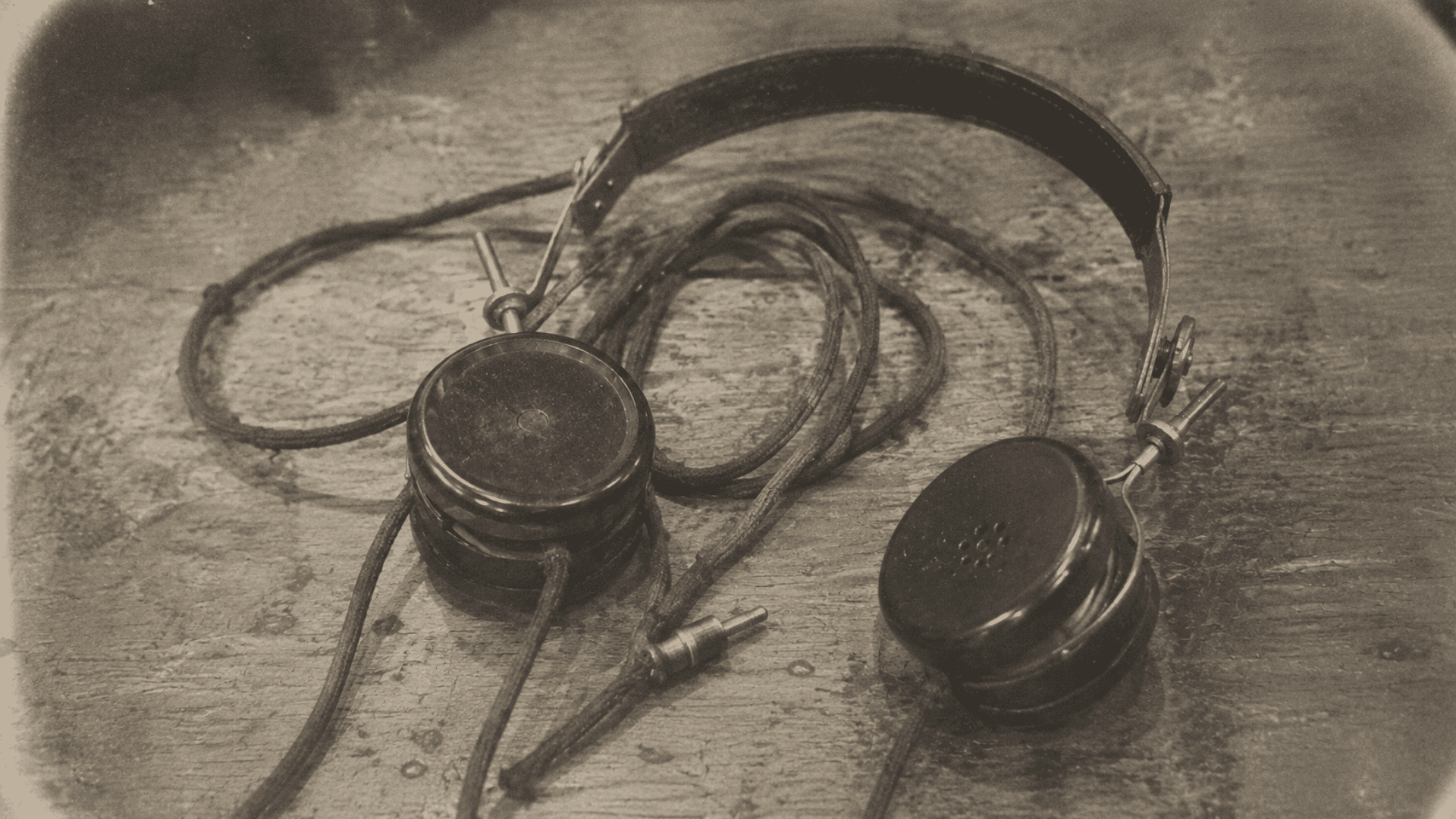
As radio technology grew in the 1910s, headphones took on a broader role beyond telephone communication. Nathaniel Baldwin’s design helped improve their use for radio operators.
- Created for radio operators who needed clear signal reception
- Used by military teams for better long-distance communication
- Featured headband designs for hands-free listening
- Offered improved sound compared to handheld receivers
- Helped move headphones beyond basic telephone use
Interesting Fact: Nathaniel Baldwin built his first headphone prototype by hand in his kitchen before supplying designs to the US Navy.
2. Headphones for Radio and Professional Use (1920s-1950s)
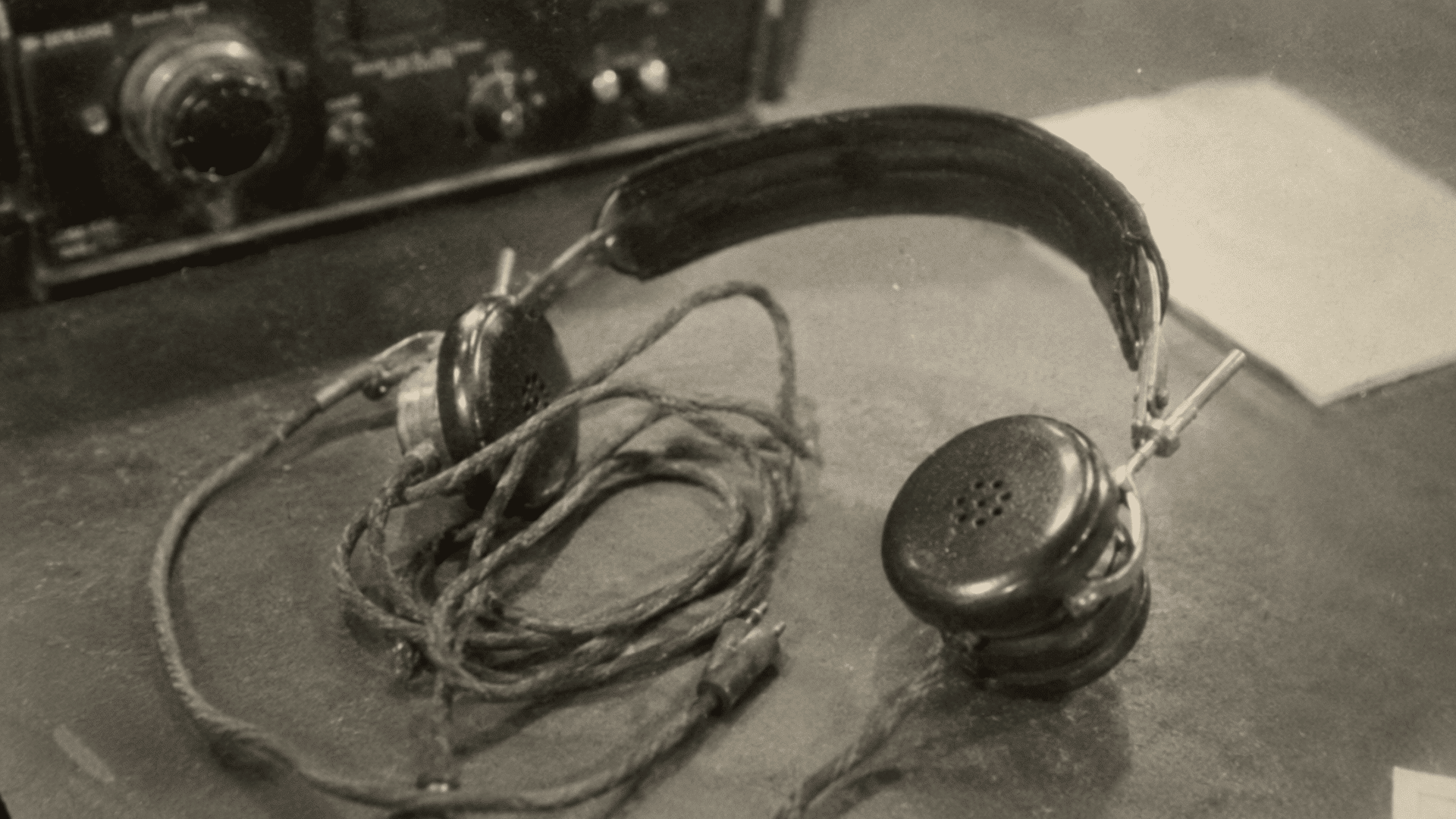
Headphones became more common in radio stations, aviation, and professional settings during this period. Their designs improved to support clearer sound and longer use.
- Used by broadcasters to monitor audio during radio programs
- Helped pilots and military teams communicate more clearly
- Became lighter and more comfortable for extended use
- Improved sound quality for professional listening tasks
- Remained focused on work rather than personal music use
Note: Radio headphones played an important role during World War II by helping operators send and receive messages.
3. Stereo Headphones for Music Listening (1950s–1970s)
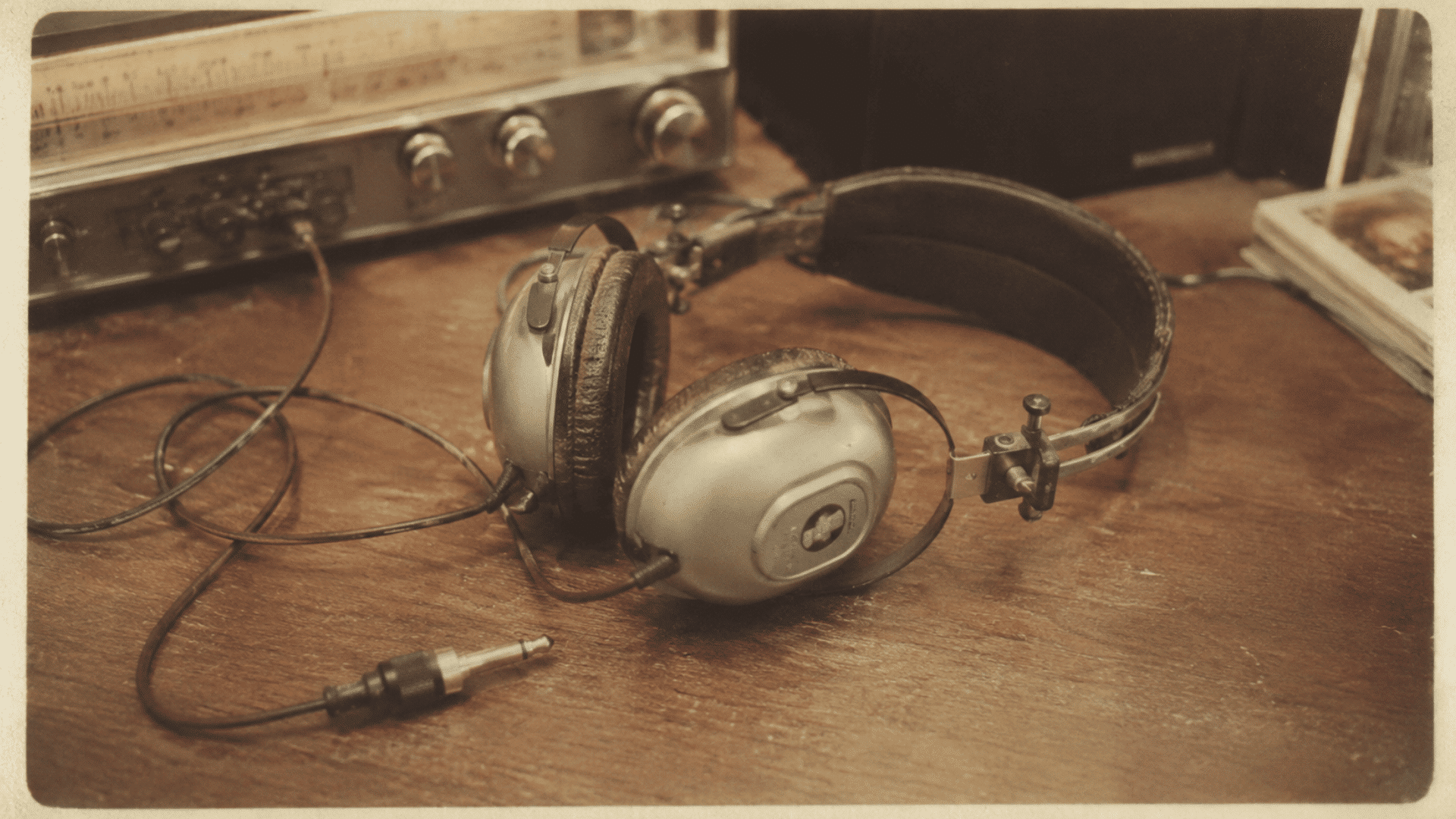
Headphones started moving from professional use into homes as music listening became more personal. Stereo technology helped create a richer listening experience for music fans.
- Introduced separate left and right audio channels for a more detailed listening experience
- Designed for home music systems where users wanted private audio sessions
- John C. Koss introduced stereo headphones in 1958 for music lovers
- Made high-quality music listening possible without disturbing others
- Helped headphones grow from professional tools into personal audio devices
Did You Know? The Koss SP/3, released in 1958, was one of the first stereo headphones created specifically for music listeners.
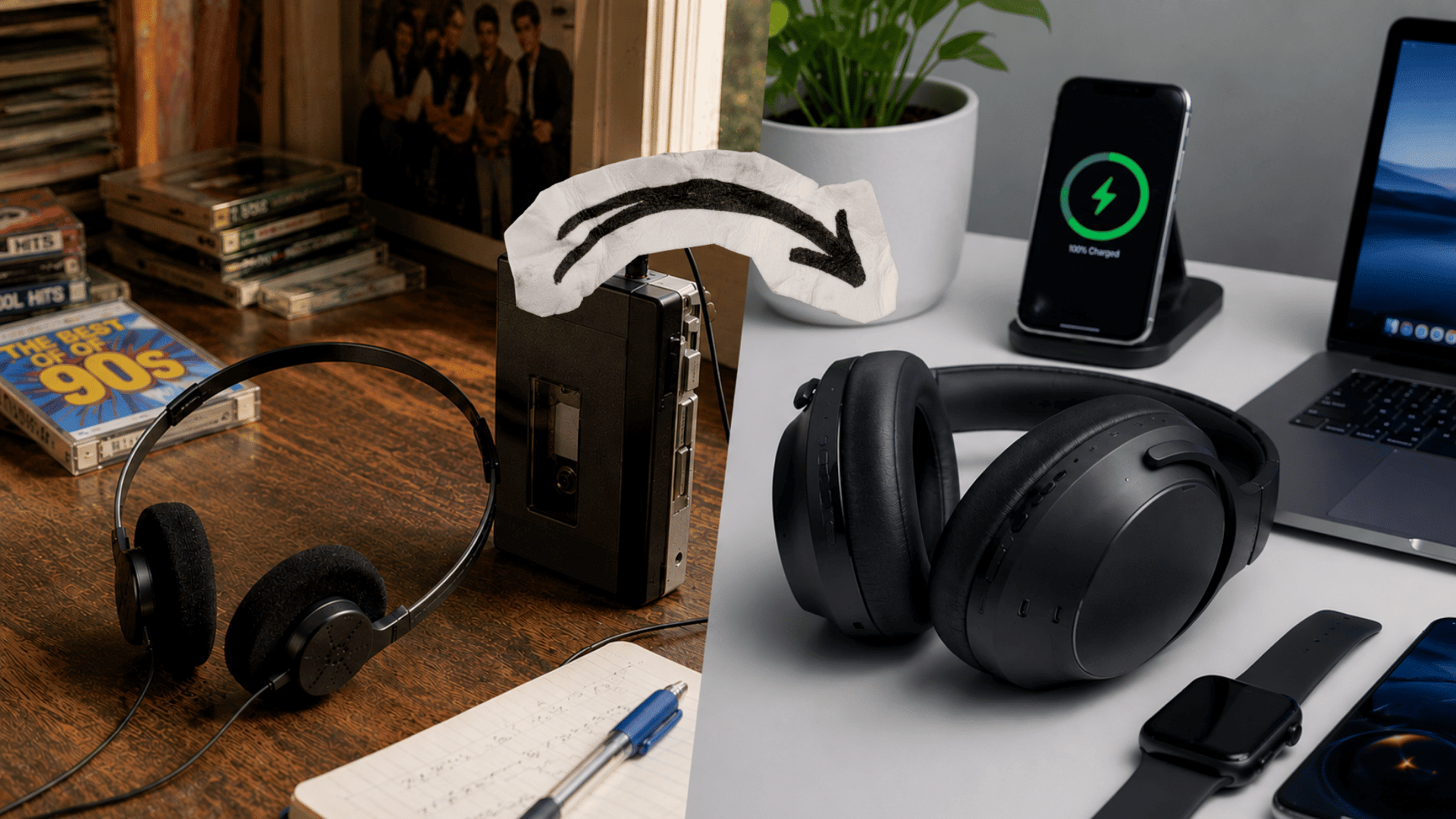
4. Portable Headphones and the Walkman Era (1980s–1990s)
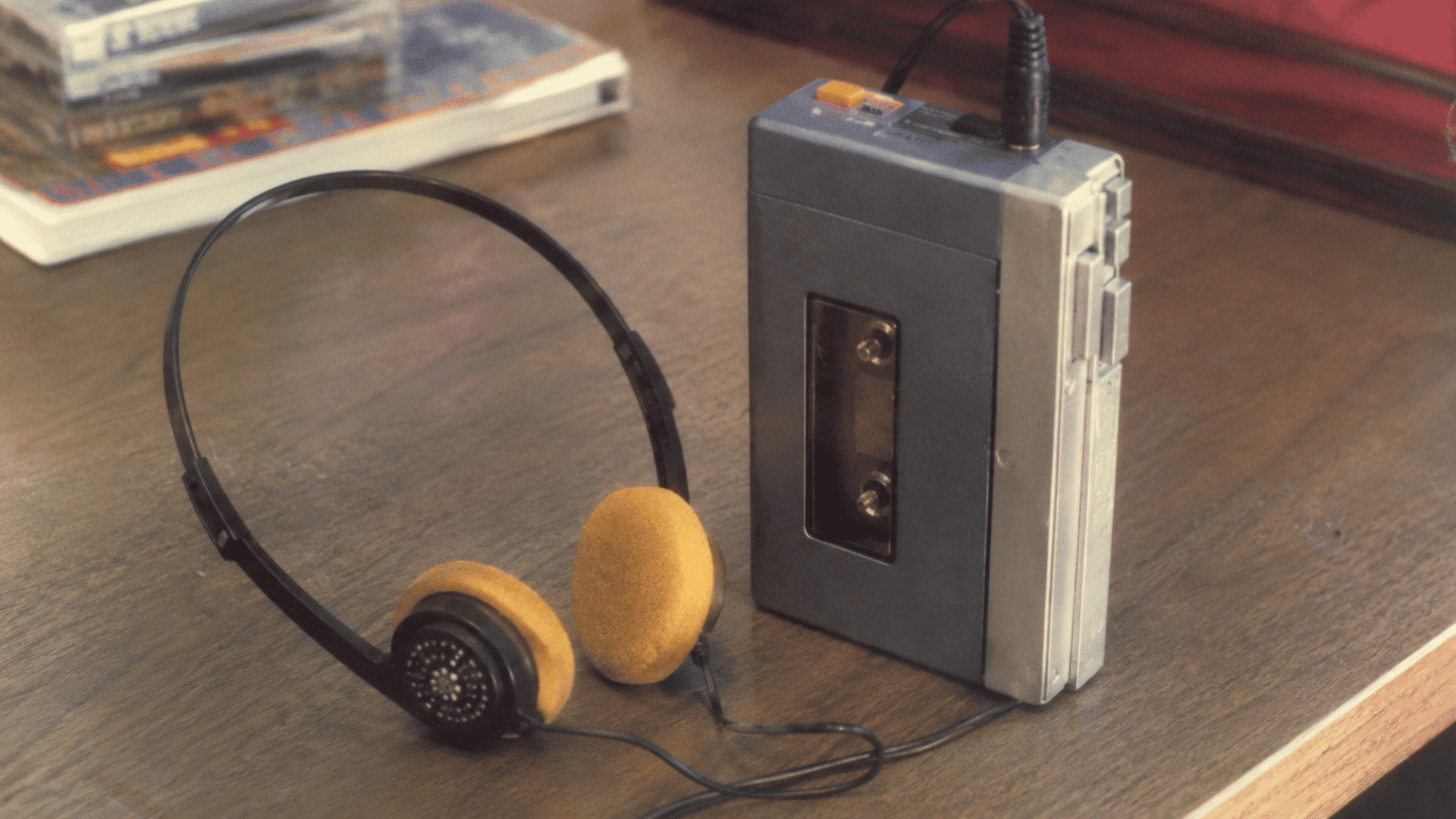
Portable music players changed headphone use by making personal listening possible almost anywhere. Smaller designs became popular among people who wanted music on the go.
- Created for portable cassette players that people could carry outside their homes
- Became smaller and lighter for easier everyday use
- Allowed users to enjoy music while traveling, walking, or exercising
- Increased demand for compact on-ear and lightweight headphone designs
- Made private music listening a common part of daily routines
Quick Fact: Sony’s Walkman, launched in 1979, helped turn portable headphones into a worldwide trend during the 1980s.
5. Wireless Headphones and Bluetooth Growth (2000s)
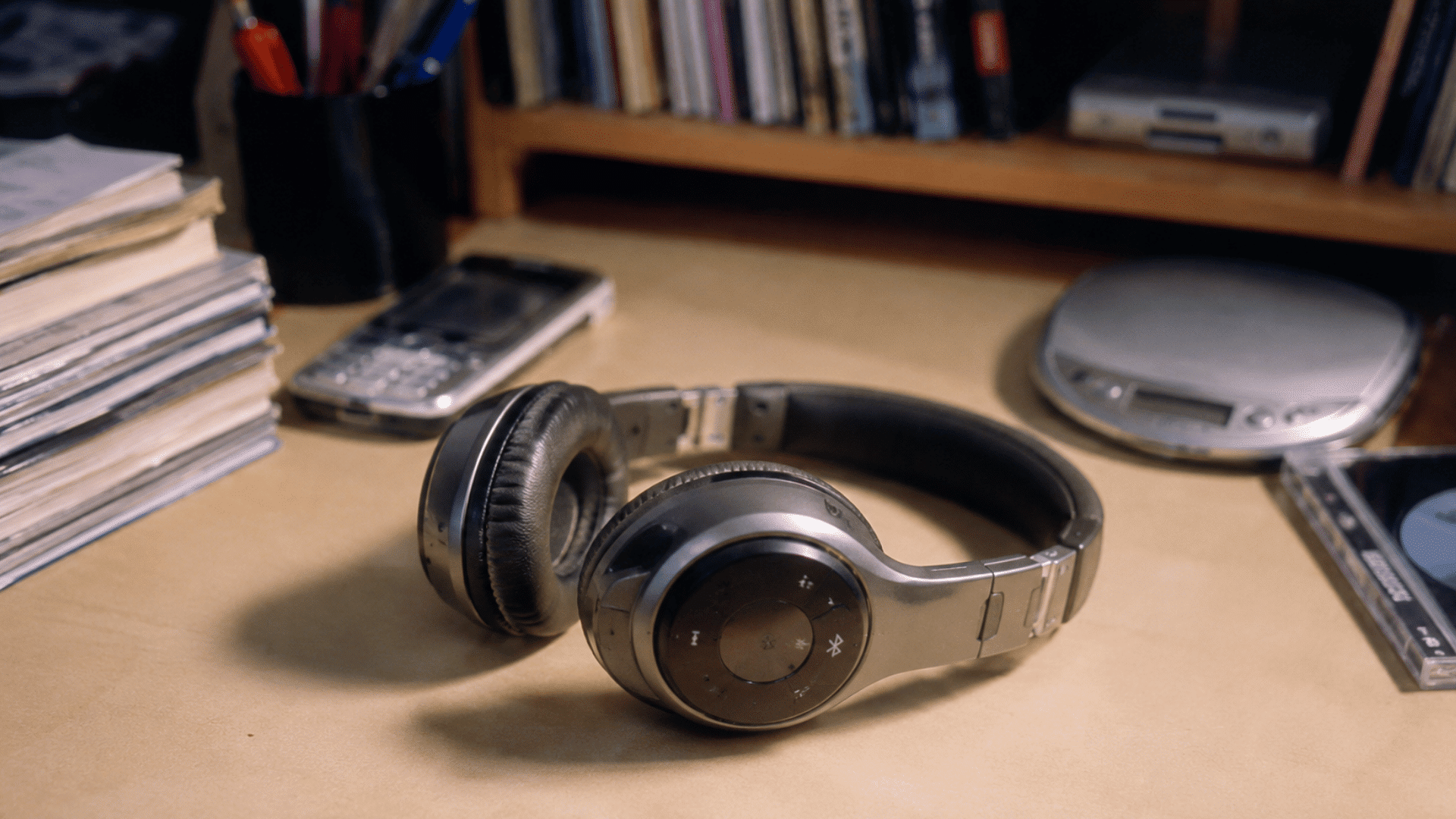
Wireless technology changed headphone designs by removing the need for physical cables. Bluetooth connections made headphones easier to pair with phones and other devices.
- Introduced wireless listening through Bluetooth connections instead of cables
- Reduced cable problems for people using headphones on the move
- Became popular with smartphone users for music and phone calls
- Improved convenience by allowing hands-free audio use
- Supported the development of smaller and more portable headphone designs
A Fun Fact: The first Bluetooth headset was released in 1999 and was mainly designed for hands-free phone conversations.
6. Modern Headphones With Smart Features (2010s–Present)
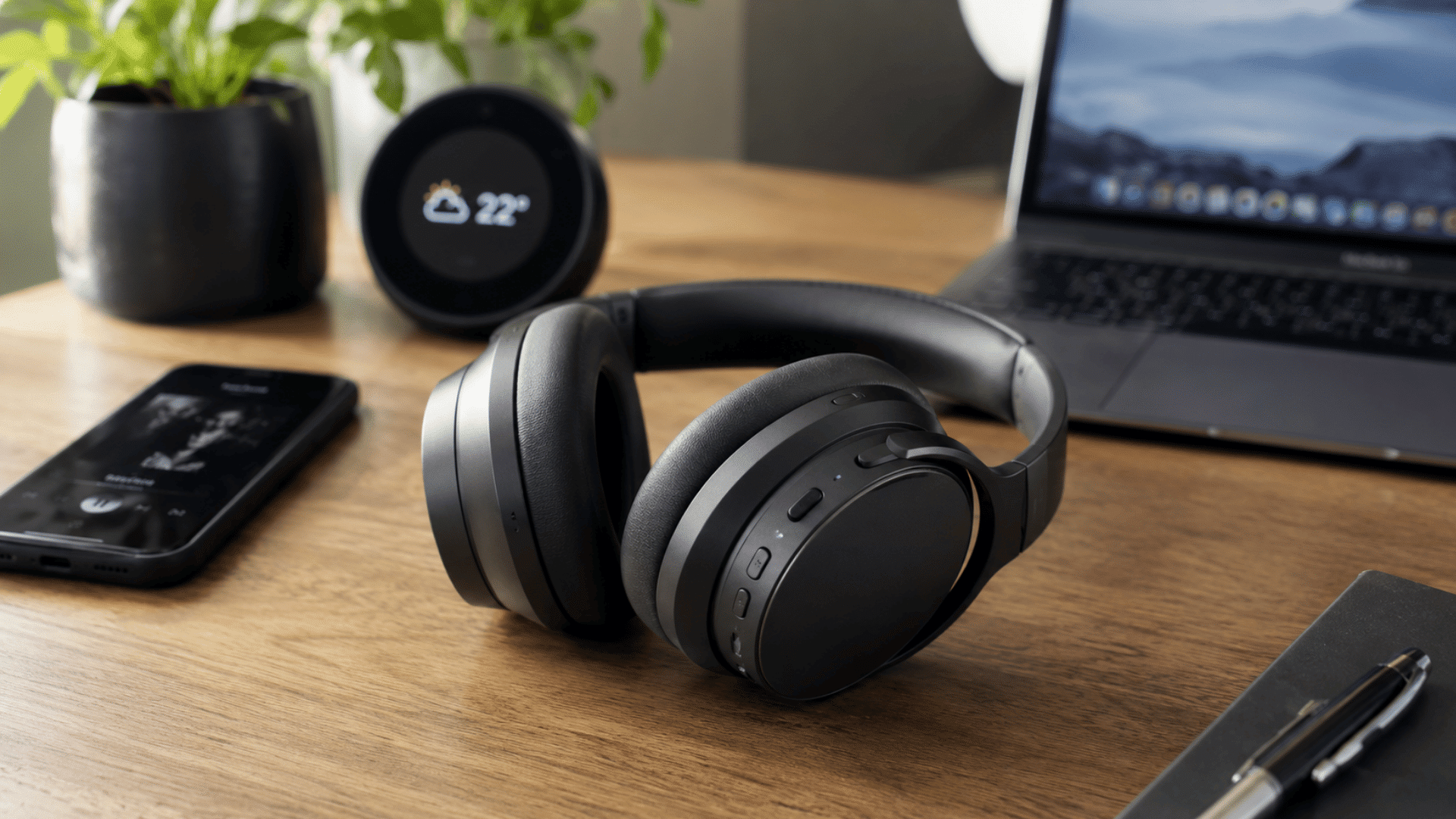
Modern headphones combine wireless technology with features designed for different listening needs. They are now used for music, work, gaming, and communication.
- Added active noise cancellation to reduce outside sounds during listening
- Included touch controls and voice assistants for easier device control
- Improved battery performance to support longer wireless use
- Created specialized designs for gaming, fitness, and professional tasks
- Delivered better sound quality while keeping designs compact
Worth Knowing: Many modern headphones can connect with multiple devices, making it easier to switch between music, calls, and other audio activities.
Major Milestones in Headphone History
Understanding when our headphones were invented shows how key milestones changed their design, purpose, and everyday use.
From professional equipment to personal accessories, these developments helped headphones become a common part of modern life:
| Milestone | Achieved When | Key Change |
|---|---|---|
| First Headphone Patent | 1890s | Created early wearable listening devices |
| Moving Coil Technology | 1930s | Improved sound production |
| Open Back Design | 1930s | Created more natural audio |
| Electrostatic Drivers | 1950s | Improved sound accuracy |
| Noise Cancellation Research | 1980s | Reduced unwanted sounds |
| Digital Audio Support | 1990s | Improved compatibility |
| Bluetooth Audio Improvements | 2000s | Made wireless sound more practical |
| True Wireless Earbuds | 2010s | Combined compact design with wireless freedom |
These milestones show how headphones changed from communication tools into advanced audio devices used today.
How Have Headphones Changed Modern Listening?
Headphones have changed the way people experience audio by making private listening easier in everyday life. They are now used for entertainment, communication, and work.
Many people search for who invented headphones to understand how these devices developed, but their biggest impact can be seen in how people use them today.
From streaming music to attending online meetings, headphones support a range of activities throughout the day. They provide a simple way to stay connected with sound anywhere.
Today, headphones are a common part of daily routines for millions of users. Their continued improvements have made audio more accessible and convenient.
What is the Future of Headphone Technology?
Headphones continue to improve, with new features that prioritize comfort, sound quality, and smarter connectivity. Future designs are expected to make listening more personal and convenient.
- AI-Based Sound Personalization: Future headphones may adjust audio settings based on listening habits and surroundings.
- Real-Time Hearing Protection: New models may help users manage sound levels to support safer listening.
- Health Monitoring Features: Headphones may track wellness data through built-in sensors and smart technology.
- Longer-Lasting Materials: Future designs may focus on stronger materials to extend product lifespan.
- Better Voice Interaction: Upcoming models may understand commands more naturally during daily use.
- Improved Spatial Audio: Future headphones may create more realistic sound experiences for movies and gaming.
- Self-Adjusting Fit: Some designs may adapt their shape for improved comfort during long sessions.
- Faster Wireless Performance: New connections may reduce delays for gaming, calls, and entertainment.
- Repair-Friendly Designs: Manufacturers may create models with replaceable parts to reduce waste.
As headphone technology continues to improve, these devices are becoming more useful for a wider range of needs. Future updates may bring better ways to listen, communicate, and interact with audio.
Wrapping It Up
It is easy to pick up a pair of headphones and forget the story behind them. But their story shows how everyday devices can change with time.
If you ever think about when were headphones invented, you will find a history filled with creativity and small improvements. Every step helped shape the way you listen today.
Learning who invented headphones also makes you look at this simple device differently. Behind every design are ideas that have changed how people enjoy sound.
So, the next time you listen to your favorite song or join a call, remember there is a long history behind those headphones.
Frequently Asked Questions
Why Were Headphones Invented In the First Place?
Headphones were created to help people hear audio privately during communication without needing to use speakers.
When Did Wireless Headphones Become Common?
Wireless headphones became common in the 2000s as Bluetooth technology made cable-free listening easier.
Why Did Headphones Become Popular for Music?
Headphones became popular for music as stereo technology and portable audio players made personal listening easier.
How Were Headphones Different In the Past?
Early headphones were larger and mainly used for communication, while modern versions focus on entertainment and smart features.