




The Sennheiser HD 600 has a strong reputation, but buying it without the right setup can leave you disappointed. I know how confusing that feels when a highly rated headphone sounds flat from your laptop.
You need more than praise and technical labels before spending your money. This review explains how the HD 600 handles vocals, treble, bass, imaging, and long listening sessions.
It also shows why proper amplification matters and which affordable DAC and amp pairings make sense. I compare it with the HD 650, HD 6XX, and HD 660S2, so you can clearly see the differences.
You can then decide if its accurate sound suits your music, equipment, and listening habits.
What is the Sennheiser HD 600?
The Sennheiser HD 600 is an open-back, over-ear headphone built for reference listening, meaning it’s designed to reproduce audio as accurately as possible without adding warmth, boosting bass, or widening the soundstage artificially. That is what “reference-class” means in practice.
If you want to see how it stacks up against other open-back designs at different price points, the tuning philosophy behind this style becomes a lot clearer.
It was designed for two types of listeners. The first is the audiophile who wants a long-term reference tool, something that does not color the music, so what you hear is what the recording actually contains. The second is the home-recording or studio listener who needs playback they can trust when making mixing decisions.
That second group matters more than most reviews acknowledge. When you are checking whether a vocal sits right or a guitar is too present, you need headphones that tell the truth. The HD 600 does that.
What it is not built for: gaming, commuting, shared spaces, or casual background listening. The open-back design means sound leaks in both directions. And because it reproduces recordings faithfully, a poorly mastered track will sound exactly as flawed as it is.
What Does the Sennheiser HD 600 Sound Like?
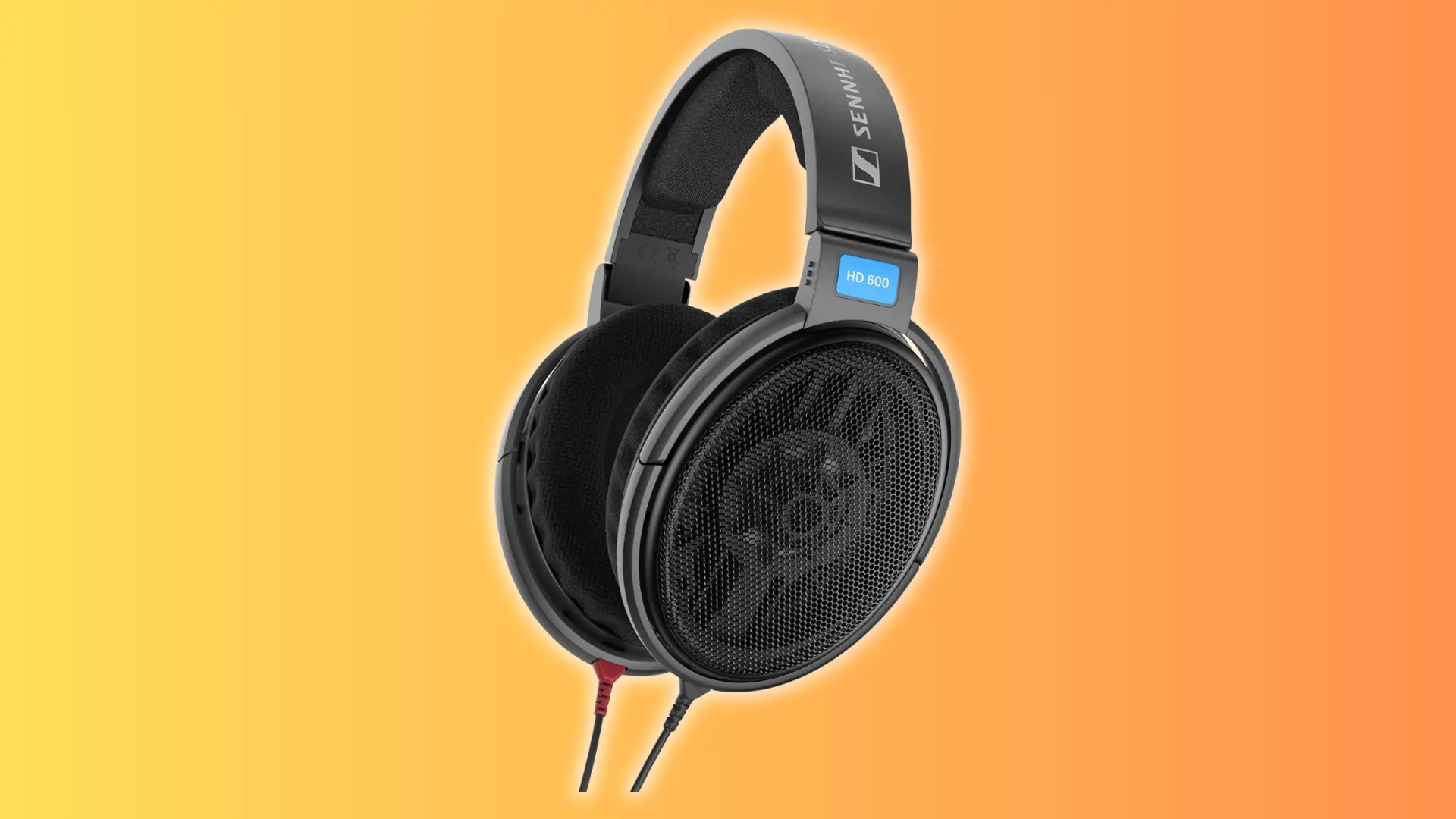
The short answer is: accurate. The HD 600 is not trying to flatter the music. It is not adding warmth or sparkle. What goes in is what comes out. That is rarer than it sounds.
1. Midrange and Treble Character
The midrange is where the HD 600 earns its reputation. Vocals sit forward and sound natural. Acoustic guitars have texture. Piano notes carry weight without sounding processed.
The treble is detailed without being harsh. You get clarity and extension, but it never crosses into fatiguing brightness. You can listen for hours without that sharp, tiring edge some headphones develop. This is the tuning working as intended.
The Sennheiser 600 was built to get out of the way and let the recording speak.
2. Bass Response and Its Limits
The bass is present and reasonably controlled, but it rolls off early in the sub-bass range. Below around 40Hz, it thins out noticeably.
For acoustic music, jazz, or classical, that rarely matters. Those genres don’t live in the sub-bass.
For electronic music, hip-hop, or anything built around low-end impact, it’s a real limitation. The HD 600 won’t give you the physical weight those genres rely on. That’s not a flaw to be fixed with better amplification. It’s the tuning itself.
3. Soundstage and Imaging
Most open-back headphones trade some imaging precision for a wide, expansive soundstage. The HD 600 makes the opposite call.
Its soundstage is narrower than you might expect at this price. But its imaging, where instruments and sounds sit in space, is precise. You know exactly where everything is.
Whether that’s a strength or a weakness depends on what you’re doing. For mixing or critical listening, precise imaging is more useful than a wide stage. For gaming or cinematic listening, the narrower presentation can feel limiting.
Do You Need an Amplifier for the Sennheiser HD 600?
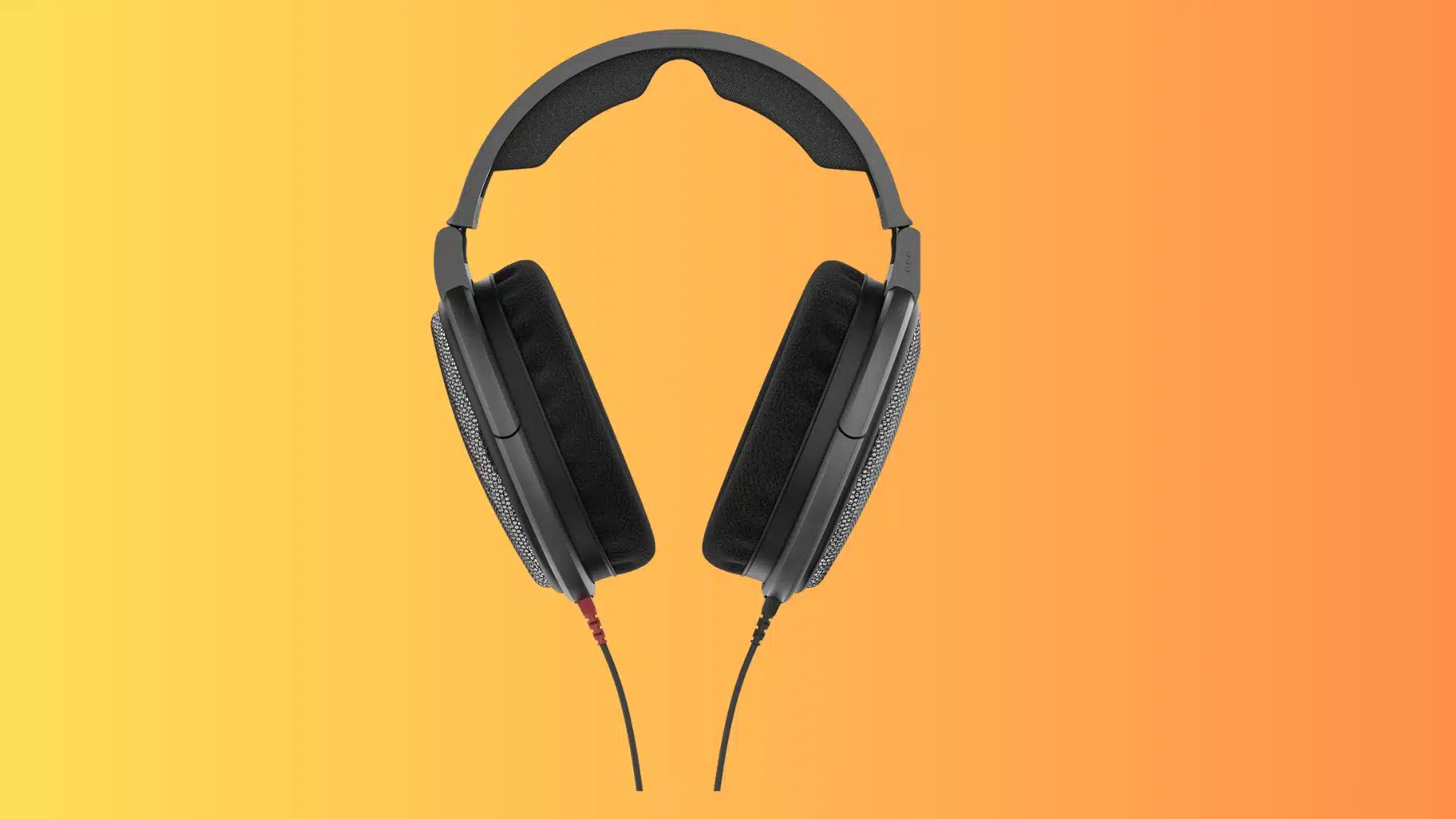
Yes, and this is the part many buyers underestimate when budgeting for the HD 600.
The headphone features a 300-ohm impedance. Most phones, laptops, and tablets are not built to drive headphones that demand proper power. Without enough power, the HD 600 still works, but it rarely sounds the way it should.
A compact desktop or portable unit, similar to the Qudelix 5K, can close this gap.
Here is what usually changes when the headphone is underpowered:
- Compressed dynamics: Loud and quiet moments lose contrast. Music sounds flatter and less engaging, especially in complex tracks.
- Weaker bass control: The low end softens and becomes less defined. Bass notes lose texture and start blending together.
- Reduced clarity: Fine details become harder to notice. Vocals and instruments sound less separated and more congested.
- Lower energy: The HD 600 can sound dull or uninspiring from weak sources. Many first-time listeners mistake this for the headphone itself.
A proper amplifier changes that quickly. With enough voltage, the HD 600 opens up noticeably. The sound becomes cleaner, more dynamic, and far more controlled.
Pairings That Work at Realistic Budgets
These three options cover most buyers without overcomplicating the chain.
- JDS Labs Atom DAC+ and Atom Amp+ run around $200 total. Clean, transparent, and gives the HD 600 everything it needs without coloring the sound.
- Schiit Magni and Modi stack sits in a similar price range. Slightly warmer in character, which some listeners prefer alongside the HD 600’s neutral tuning.
- Moondrop Dawn Pro 2 is a dongle DAC/amp that runs off a USB-C port. At around $50, it is the lowest-friction entry point. It will not extract every last detail, but it drives the HD 600 cleanly enough to hear what you are paying for.
The honest all-in cost is the HD 600 plus one of these. Budget for both before you buy.
How Does the HD 600 Compare to the HD 650, HD 6XX, and HD 660S2?
These four headphones share a family tree, but they are not interchangeable. Each reflects a different tuning decision. Treating them as a hierarchy rather than a set of distinct options is where most buyers go wrong.
| Category | HD 600 | HD 650 | HD 6XX | HD 660S2 |
|---|---|---|---|---|
| Sound Signature | Neutral and reference-focused | Warmer and smoother | Nearly identical to HD 650 | Fuller and more modern |
| Bass Response | Leaner bass with lighter sub-bass | Fuller bass with more body | Same bass response as HD 650 | Stronger sub-bass extension |
| Treble and Midrange | Forward mids with strong vocal clarity | Softer treble with relaxed vocals | Same tuning as HD 650 | Added low-end weight with familiar mids |
| Amplifier Needs | 300 ohms, needs proper amplification | 300 ohms, same amplifier needed | 300 ohms, benefits from amplification | 300 ohms, needs proper amplification |
| Best For | Acoustic music, jazz, vocals, mixing | Long listening sessions and mixed genres | HD 650 sound at a lower price | Deeper bass without losing midrange detail |
The HD 6XX is essentially the HD 650 sold through Drop at a lower price. If you want the HD 650 sound and can find the HD 6XX in stock, it is the better value. They are not meaningfully different headphones.
Who Should and Shouldn’t Buy the HD 600?
The HD 600 is a genuinely excellent headphone for a specific kind of listener. The mistake is assuming that listener is everyone.
The HD 600 Makes Sense If
These are the situations where the HD 600 delivers exactly what it promises.
- You prefer natural sound: Acoustic music, jazz, classical, and vocals sound clean, realistic, and uncolored on the HD 600.
- You already own an amplifier: The headphone performs best with dedicated amplification. Proper power makes a real difference in clarity and dynamics.
- You do critical listening: The HD 600 exposes flaws, textures, and small recording details clearly. That makes it useful for mixing and focused listening sessions.
The HD 600 Probably Isn’t for You If
These are the situations where a different headphone will serve you better.
- You want heavy bass impact: Electronic music and hip-hop can feel lighter because the HD 600 avoids boosted sub-bass.
- You plan to use a phone or laptop alone: Weak sources cannot drive the headphone properly. The sound will feel flat and compressed.
- You want a large soundstage: The presentation is more intimate than cinematic, especially for gaming and movies.
The HD 600 without proper amplification can feel underwhelming. Paired with a solid DAC/amp, it becomes one of the strongest setups available near this price point.
Conclusion
The HD 600 remains a strong reference headphone because it favors accuracy over extra bass, wider staging, or polished playback.
I value that honesty, but you need to know its limits before buying. Its natural midrange, smooth treble, and precise imaging suit vocals, acoustic music, jazz, classical tracks, mixing, and focused listening.
Its light sub-bass and intimate soundstage make it less suitable for bass-heavy music, gaming, and movies. Proper amplification also matters, so include a capable DAC and amp in your budget.
The Sennheiser HD 600 makes sense when you want dependable detail instead of added excitement. If that matches your listening style, try it with suitable gear and share your experience below.
Frequently Asked Questions
Is the Sennheiser HD 600 worth it in 2026?
Yes, for the right buyer. At current pricing, regularly discounted to the $225–$300 range during sales, the HD 600 delivers reference-class accuracy that most competitors at double the price cannot match. It requires a DAC/amp to perform correctly, so factor that into the total cost before purchasing.
Can you use the HD 600 without an amp?
Technically yes, but not well. When plugged directly into a laptop or smartphone, the HD 600 will reach listening volume but sound thin and dynamically compressed. A DAC/amp in the $75–$150 range resolves this and completes the headphone’s intended performance.
Is the HD 600 good for gaming?
Not by design. The open-back construction leaks sound in both directions, making it unsuitable for shared spaces. Positional audio is accurate, but the neutral tuning and amping requirements make it a poor match for gaming headphones. It is excellent for listening to game soundtracks in a quiet room.
What is the difference between the HD 600 and the HD 650?
The HD 650 has a warmer sound signature with more emphasis in the low end. The HD 600 is flatter and more analytically accurate. Both use the same basic driver architecture and require the same amplification. Buyers who find the HD 600 too lean typically prefer the HD 650; buyers who prioritize strict neutrality choose the HD 600.