


Cassette players are fun until a modern one feels cheap, sounds weak, or skips the details that make tapes worth using. If you are buying for an old collection or getting back into cassettes, you want something that feels reliable and actually sounds good.
In this FiiO CP13 review, I focus on what matters once you start using it: build quality, sound, tape compatibility, battery life, and everyday reliability.
You will also see how it compares with We Are Rewind and where its limits show up. By the end, you should know if the CP13 fits your tapes, your headphones, and the way you prefer to listen.
FiiO CP13 at a Glance
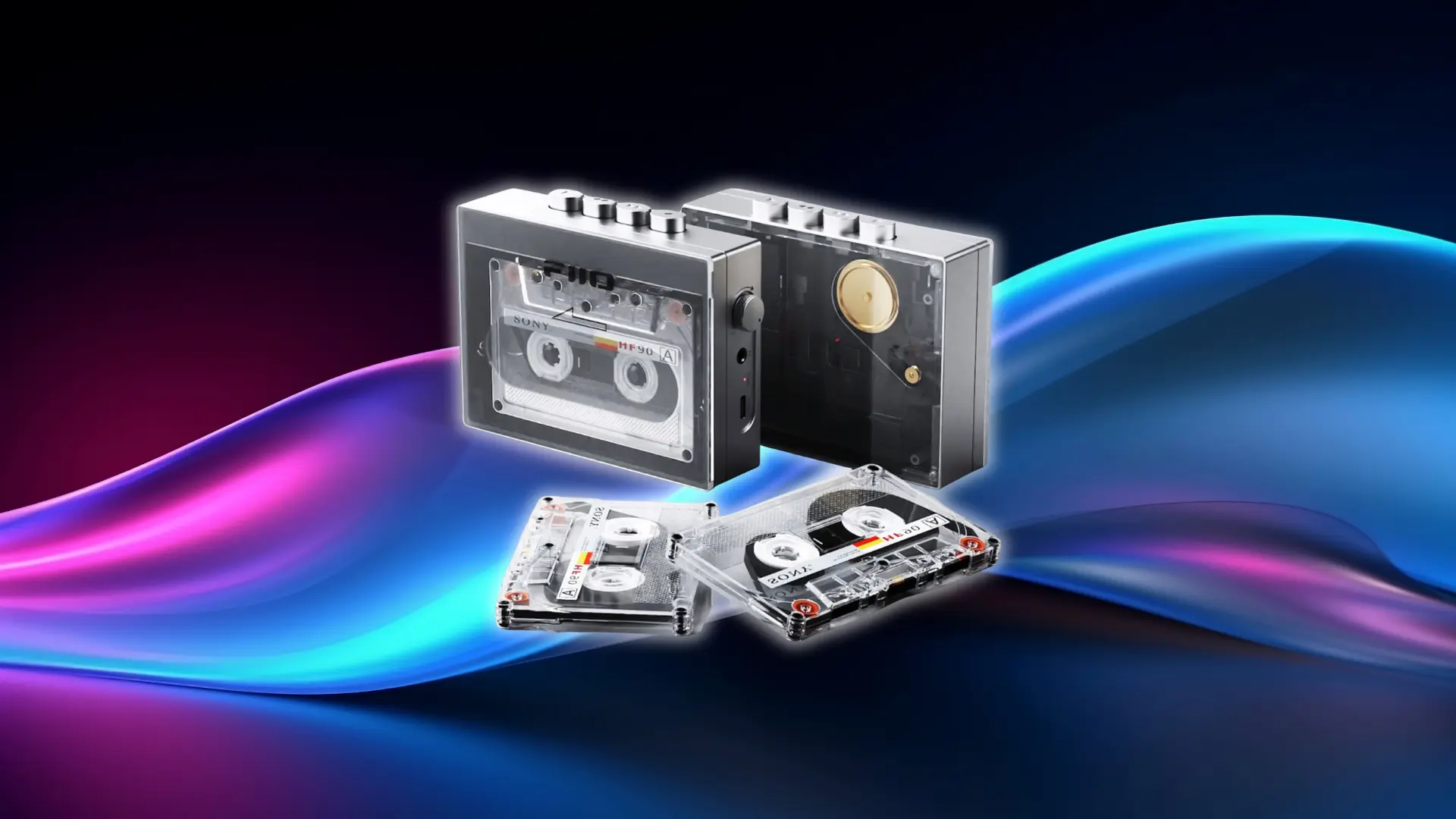
The FiiO CP13 is a portable cassette player from FiiO, a brand better known for DACs, headphone amplifiers, and other personal audio equipment.
The FiiO CP13 is a portable cassette player from FiiO, a brand better known for DACs, portable amplifier gear, and other personal audio equipment
Rather than treating cassette playback as a novelty, the CP13 uses a metal chassis, mechanical transport, wired headphone output, rechargeable battery, and fully analog playback system. It generally sells for roughly $88 to $129, depending on the retailer and version.
| Feature | FiiO CP13 |
|---|---|
| Playback | Fully analog cassette playback |
| Headphone output | 3.5mm |
| Charging | USB-C |
| Battery life | Around 10 hours |
| Build | Metal chassis |
| Controls | Physical mechanical buttons |
| Best tape match | Type I |
| Bluetooth | No |
| Best for | Wired cassette listening |
The CP13 occupies an interesting middle ground. It feels more substantial than many inexpensive modern cassette players while avoiding the maintenance concerns that can come with decades-old vintage hardware.
Design and Everyday Use
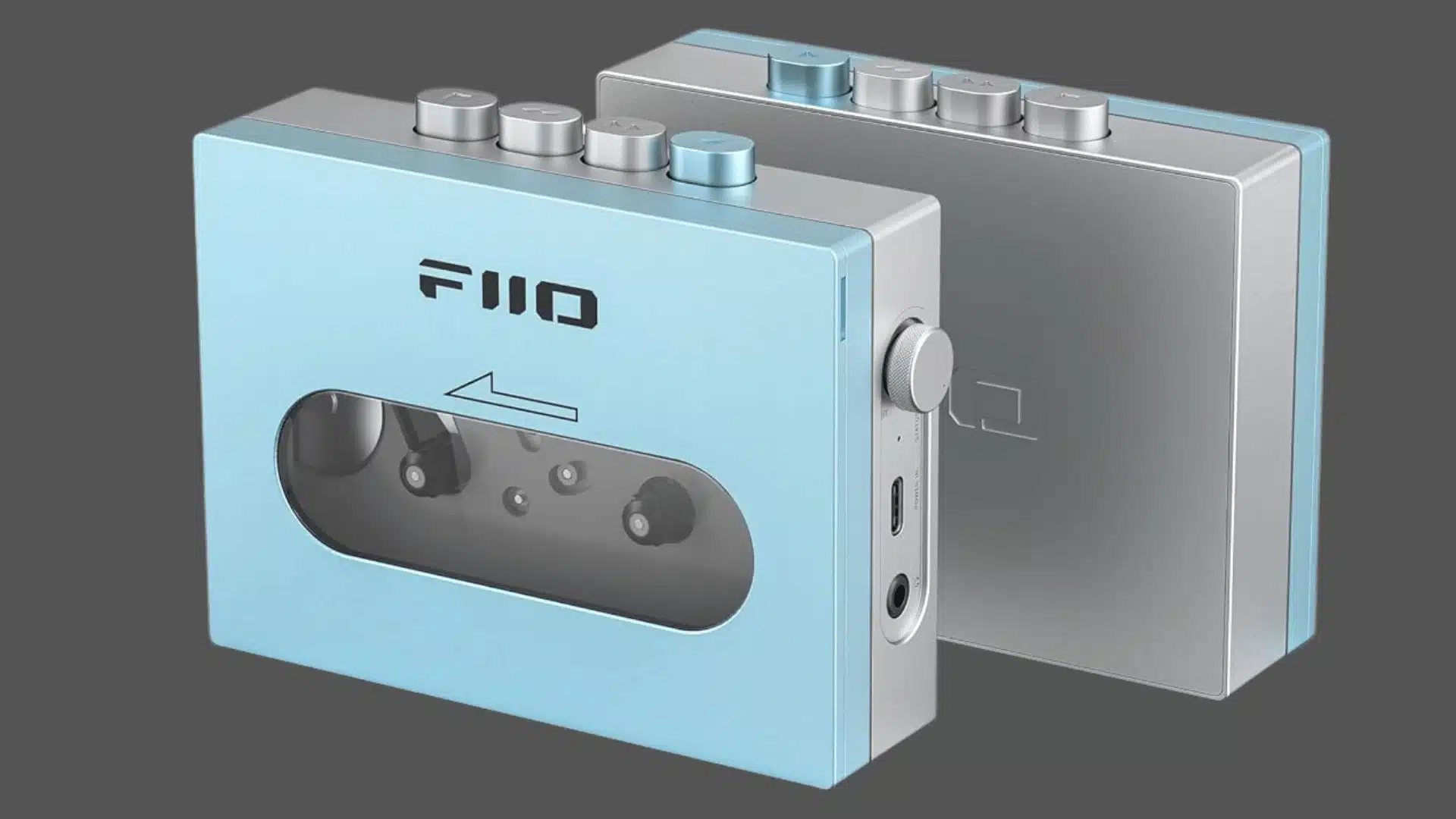
The CP13’s strongest qualities become obvious before you even start listening.
Its metal chassis gives the player a solid, premium feel that separates it from lightweight plastic cassette players. That sturdier body is useful for a device containing a motor, gears, rollers, and other moving components.
FiiO also keeps the controls traditional. Dedicated buttons handle play, stop, rewind, and fast-forward, so there is no display or menu to navigate.
That simplicity suits cassette listening. You can operate the player by touch and focus on the tape rather than another screen.
A transparent front panel lets you see the cassette reels while they turn. Besides adding visual appeal, it can help you notice irregular winding or other obvious tape problems before they become more serious.
The design is modern enough to feel new without losing the physical interaction that makes cassette players different from smartphones and streaming devices.
FiiO CP13 Sound Quality
The CP13 has a relatively bright, lively sound signature rather than the soft, heavily warm presentation some people associate with cassette tapes.
Treble has noticeable presence, which can bring extra energy to guitars, cymbals, percussion, and electronic details. Rock, punk, pop, and electronic recordings generally suit this presentation well.
Bass is tighter and more restrained. It does not add the exaggerated low-end weight common with many modern wireless headphones, so listeners who prefer strong bass may find it somewhat light.
Vocals and instruments remain clear, although the brighter treble can sometimes make the midrange feel less forward. Pairing the CP13 with a set of budget wired earphones tuned toward warmth can help balance that out. This becomes more noticeable with vocal-heavy recordings.
That means the CP13 tends to favor clarity and energy over richness.
It can work particularly well with:
- Rock
- Punk
- Pop
- Electronic music
- Well-recorded mixtapes
- Clean commercially recorded Type I tapes
Acoustic, jazz, classical, and vocal-focused recordings can still sound good, but listeners looking for a softer or fuller presentation may find the tuning less ideal.
Most importantly, the CP13 cannot fix a poor cassette. Tape wear, hiss, distortion, weak recordings, and damaged sections remain audible because the player reproduces what is actually stored on the tape.
How the Analog Playback System Works
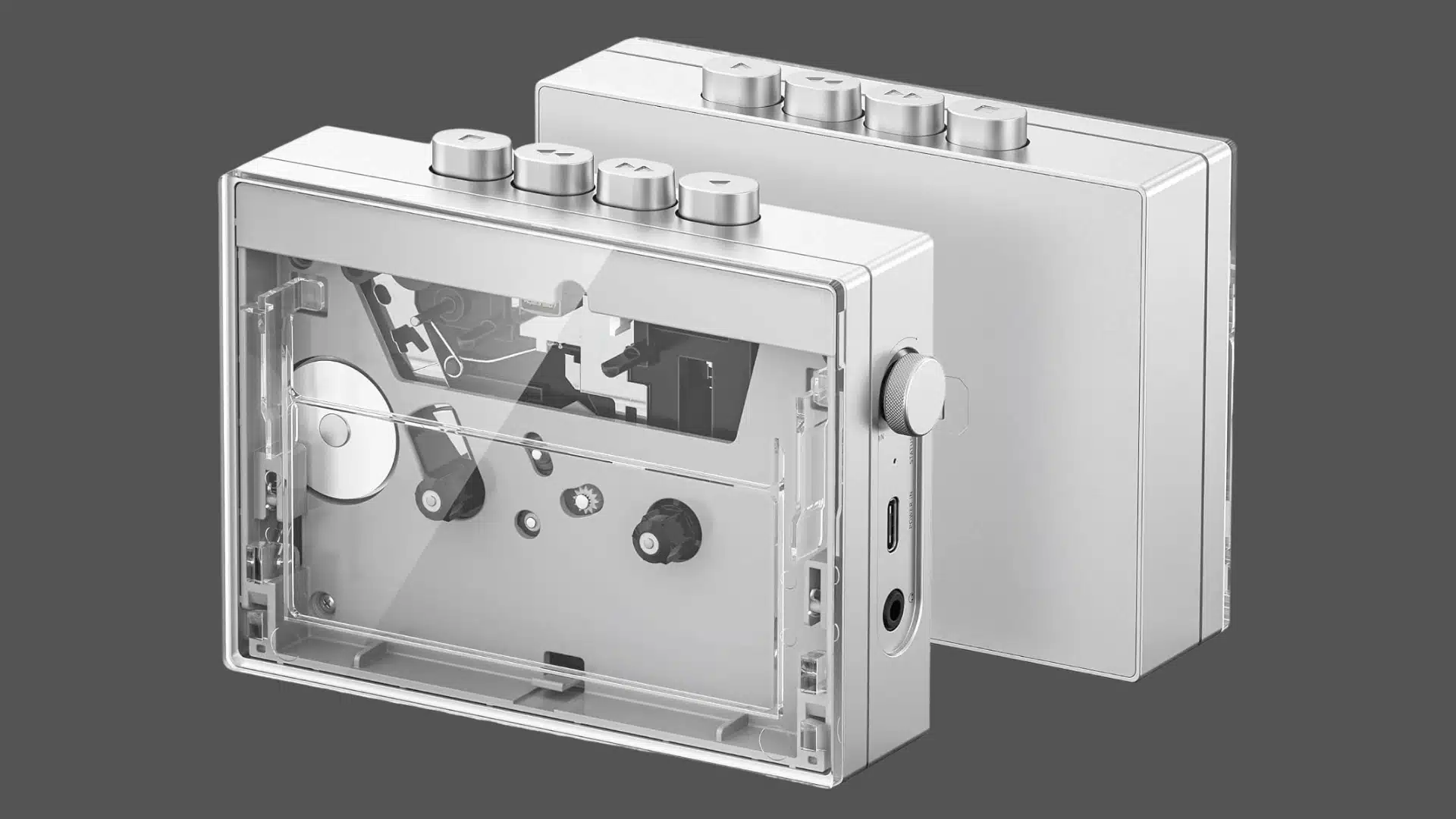
The CP13 keeps the signal analog between the cassette and the 3.5mm headphone output. It does not convert the music into digital audio during normal playback.
That matters to cassette enthusiasts because the player preserves the natural characteristics of the format rather than processing them through a digital system.
You still hear the qualities associated with tape, including slight hiss, texture, saturation, and imperfections in the original recording.
That does not automatically mean better sound than digital audio. For comparison, anyone who also relies on portable USB audio converters for streaming will notice a very different signal path here. It simply means the CP13 stays faithful to the cassette format instead of trying to modernize its sound electronically.
For anyone buying the player specifically to experience physical analog media, that focused approach is one of its strongest features.
Type I and Type II Tape Performance
Tape type is more important with the CP13 than many first-time cassette buyers may expect.
The player is best matched with Type I ferric tapes, which were the most common consumer cassettes. Most prerecorded albums, ordinary mixtapes, and home recordings fall into this category.
Type II Chrome tapes can also play, but they normally require different equalization for ideal reproduction. Because the CP13 uses a fixed playback setup, Type II recordings may sound thinner or less full than they would on a player specifically designed to handle multiple tape formulations.
For a collection made mostly of Type I tapes, this limitation should not be particularly important.
Collectors with large numbers of Type II or other specialty tapes may prefer a more flexible cassette deck or a well-maintained vintage player with dedicated tape-type support.
Battery Life and Charging
One major advantage over traditional portable cassette players is the rechargeable battery.
The CP13 charges through USB-C instead of relying on disposable AA batteries. FiiO rates it for roughly 10 hours of playback per charge.
That should be enough for several albums or normal daily listening before you need to connect a charger.
Actual battery life can vary with volume, mechanical workload, battery age, and general usage. Rewinding and fast-forwarding also require the motor to work differently from ordinary playback.
USB-C makes charging far more convenient than dealing with disposable batteries, especially if the CP13 becomes part of your regular listening setup.
FiiO CP13 Reliability
Mechanical reliability matters much more with cassette players than with most modern digital music devices.
The CP13 contains a motor, transport mechanism, gears, buttons, and moving tape components. Any weakness in those parts can affect playback.
Most units appear to work normally, but some user reports mention differences in quality control, particularly around rewind and fast-forward operation.
That does not necessarily point to a widespread design problem, but it makes testing a new unit worthwhile.
After buying the CP13, check:
- Normal playback with several tapes
- Rewind
- Fast-forward
- Headphone output
- Volume control
- USB-C charging
- Unusual motor or transport noises
Using several known-good tapes helps separate a player problem from a damaged cassette.
Purchasing from a retailer with a reasonable return or replacement policy is also sensible for any mechanical cassette player.
FiiO CP13 and We Are Rewind
The FiiO CP13 and We Are Rewind are both modern cassette players, but they target different types of listeners.
The FiiO CP13 is the better fit for traditional wired listening. Its priorities are the metal construction, analog signal path, physical controls, and straightforward cassette playback.
We Are Rewind makes more sense if modern convenience matters. Bluetooth support allows it to work more easily with wireless headphones and speakers.
That creates a simple decision.
Choose the FiiO CP13 if:
- You normally use wired headphones or IEMs.
- You want a cassette-focused listening device.
- Bluetooth is unnecessary.
- You prefer fewer electronic extras.
Choose We Are Rewind if:
- Bluetooth matters.
- You regularly use wireless headphones.
- Convenience is more important than a stripped-down analog approach.
Neither option is automatically better. The right choice depends primarily on how you intend to listen.
FiiO CP13 Pros and Cons
The FiiO CP13 keeps things simple, which creates clear strengths and limitations. The table below shows where it performs well and where compromises appear.
| Pros | Cons |
|---|---|
| Solid metal construction | No Bluetooth |
| Simple physical playback controls | Limited flexibility with Type II tapes |
| Fully analog signal path | Bass can sound light |
| USB-C rechargeable battery | Bright recordings may become tiring |
| Around 10 hours of rated playback | Occasional quality-control complaints |
| Good match for Type I cassette collections | Less flexible than feature-rich modern players |
| Clear and energetic sound | Cannot match every premium vintage Walkman |
| No menus or distracting smart features | Limited appeal for wireless-focused users |
The CP13 works best when its simple design matches your setup. Its limitations matter more if you rely on Bluetooth, Type II tapes, or added convenience features.
Who Should Buy the FiiO CP13?
The CP13 makes the most sense for someone who already owns tapes and wants a straightforward modern way to play them.
It is particularly well suited to listeners using wired headphones or IEMs, collectors with mostly Type I tapes, and people who enjoy physical music without apps or notifications.
It can also be a practical choice if you want cassette playback without searching for a vintage Walkman and dealing with aging belts, worn components, or restoration work.
The CP13 is less suitable if Bluetooth is essential, most of your collection uses Type II tapes, or you specifically want the sound and engineering of a high-end vintage cassette player.
It is also difficult to justify if you do not already own tapes and have little interest in collecting physical media.
Final Verdict
The FiiO CP13 makes the most sense if you want a simple cassette player that keeps the listening experience physical and focused. I like its solid build, mechanical controls, USB-C charging, and analog playback, especially for Type I tapes and wired headphones.
This FiiO CP13 review also makes the trade-offs clear. You do not get Bluetooth, Type II playback is less ideal, and the brighter sound will not suit every recording. Those details matter because they decide if the CP13 fits your collection instead of just looking good on paper.
If its strengths match how you listen, it is an easy model to consider. Share your take or check out related audio reviews next.
Frequently Asked Questions
Does the FiiO CP13 have Bluetooth?
No. The FiiO CP13 does not support Bluetooth and uses a wired 3.5mm headphone output. If wireless listening is important, a player like the We Are Rewind is a better option.
What headphones work best with the FiiO CP13?
The CP13 works best with sensitive IEMs and low-impedance headphones, especially models around the 16 to 32 ohm range. These pair well with its amplifier and provide balanced playback.
Why do vocals sound quiet on the FiiO CP13?
The CP13 has a bright sound signature that emphasizes treble, which can make vocals feel slightly less forward. Type II and Chrome tapes may also sound thinner due to its Type I tuning.
How long does the FiiO CP13 battery last?
The FiiO CP13 is rated for around 10 hours of playback on a full charge. Real-world battery life depends on volume, tape condition, and how often you use the player.