

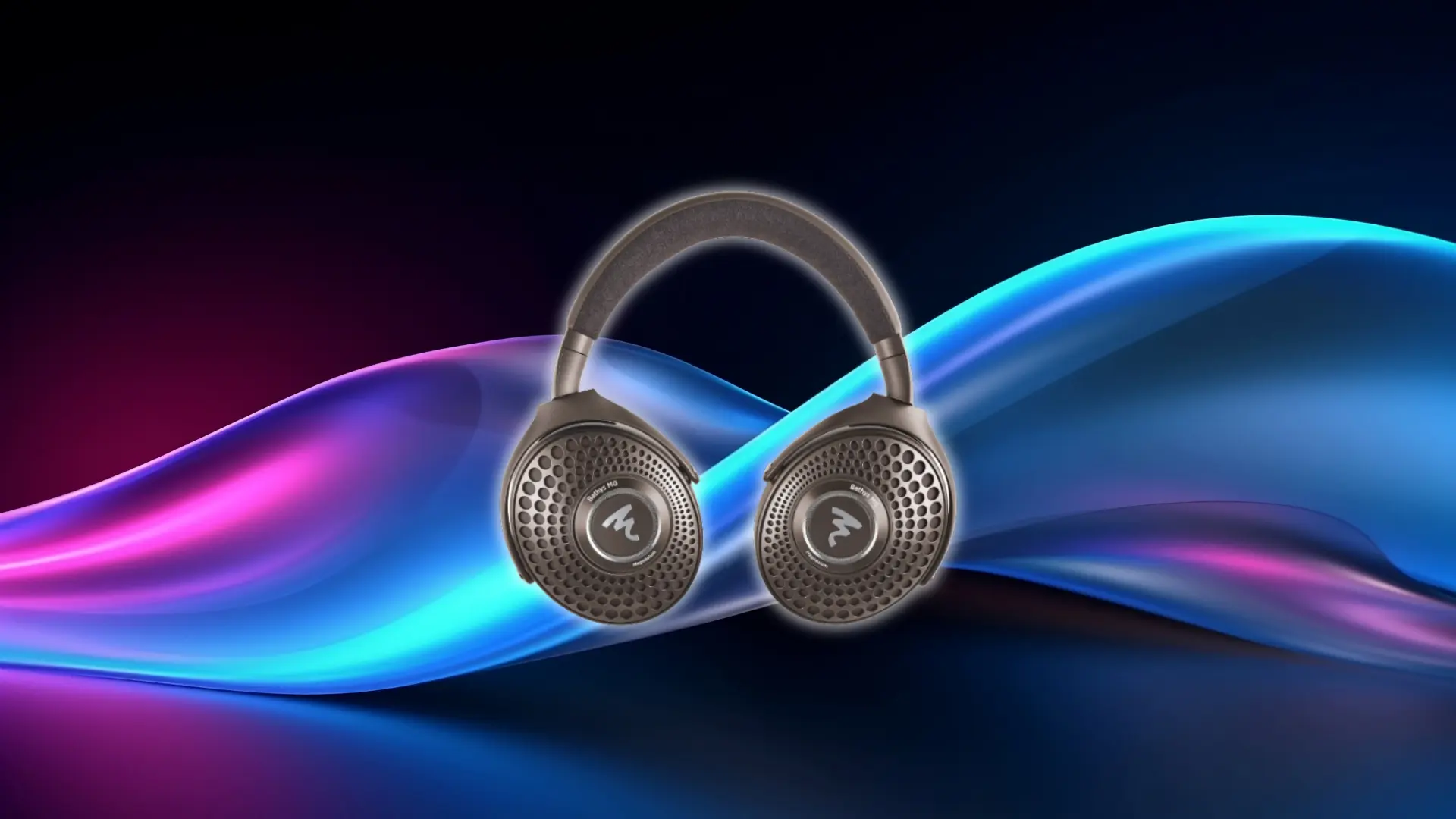


Would you pay $1,499 for headphones and still wonder if they’re worth it? That’s the real question with the Focal Bathys MG.
You want wireless convenience, but you also want sound that justifies a serious price tag, and those two things don’t always go together. Most premium headphones make you choose one or the other.
Here, you’ll get a clear picture of what the magnesium driver actually changes, which listening setups bring out the best performance, and where this headphone falls short.
By the end, you’ll know exactly whether the Bathys MG fits how you actually listen, or whether your money is better spent elsewhere.
What is the Focal Bathys MG?
The Focal Bathys MG is Focal’s premium wireless noise-canceling headphone. At first glance, it looks a lot like the original Bathys, but the real upgrade is inside.
The biggest change is a new 40mm full-magnesium “M”-shaped driver. The “MG” name is not branding or a cosmetic refresh. It literally refers to the magnesium driver used inside the headphone.
That matters because the driver is the part that produces the sound. It handles everything you hear: bass, vocals, instruments, detail, all of it. When Focal changes the driver material, the sound changes with it.
The rest of the package focuses on everyday wireless use. Here is what comes with that:
- Bluetooth 5.2
- aptX Adaptive support
- Active noise cancellation with three listening modes
- USB-DAC mode for wired hi-res audio playback
That combination of convenience and sound quality is what the Bathys MG is built around. It is designed for listeners who want audiophile-style wireless options without moving to a full wired setup.
In Focal’s lineup, the Bathys MG sits in a specific spot. It is their best wireless headphone, but it is not trying to replace models like the Clear or Utopia. Those are high-end wired headphones built for serious home listening.
The Bathys MG is about everyday flexibility. Travel, work, commuting, or home listening, all with sound quality that feels a clear step above most wireless ANC headphones.
What the Magnesium Driver Actually Does to the Sound
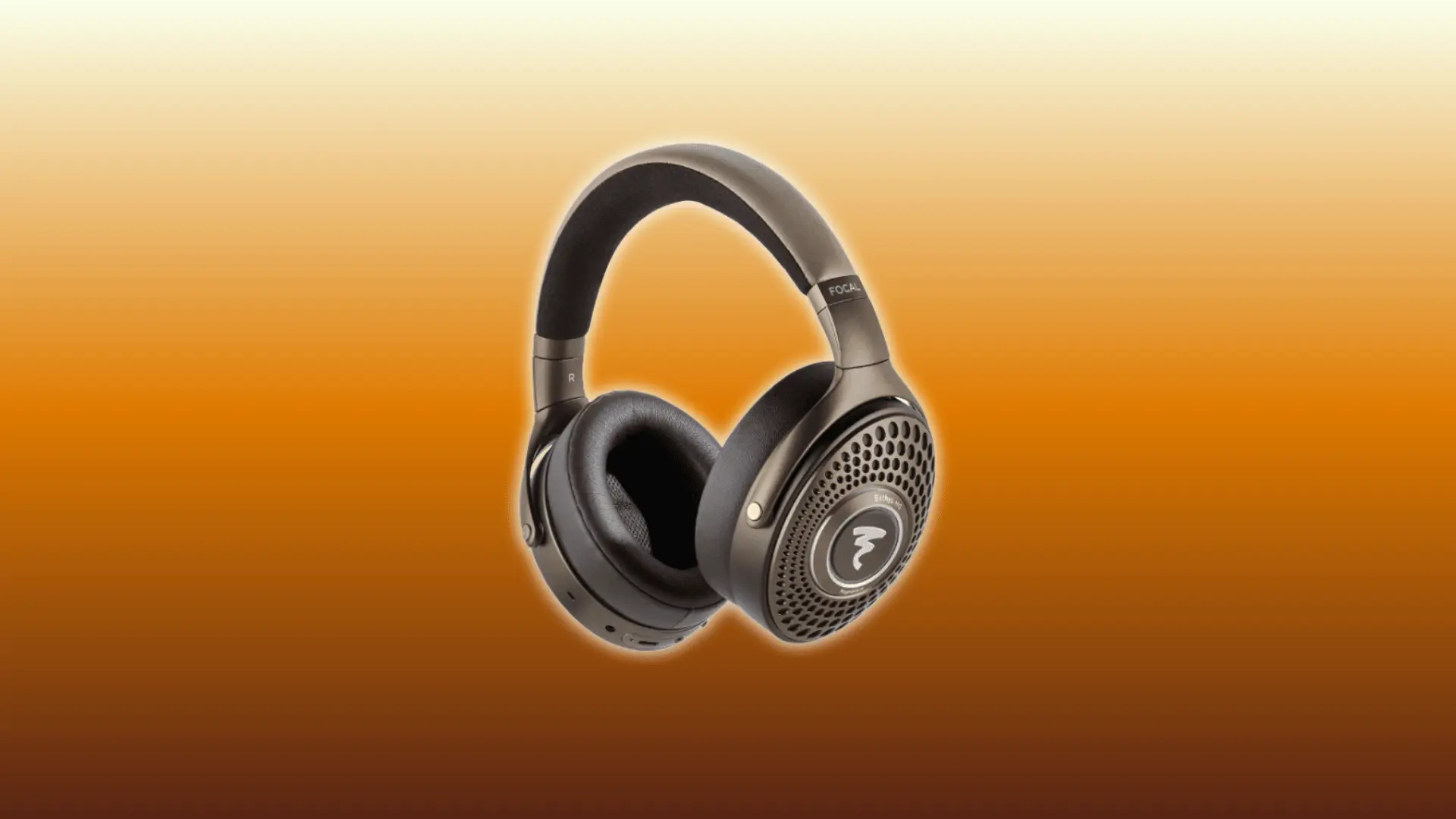
The magnesium driver in the Focal Bathys MG isn’t just there to sound premium on a spec sheet. It changes how the headphone handles sound in a pretty noticeable way.
Why a Lighter Driver Matters
Magnesium is lighter and more responsive than the aluminum-magnesium material used in the original Bathys. Because the driver has less weight to move, it can react faster and stop more cleanly between sounds.
That matters because music is full of rapid changes, drum hits, guitar strings, piano notes, and vocal shifts. The driver has to keep up with all of those movements in real time.
With a heavier driver, sounds can blend together slightly, especially in busy tracks. The magnesium driver keeps things cleaner and more controlled.
How the “M”-Shaped Dome Helps
The “M”-shaped dome design helps the driver move more evenly instead of flexing in random spots while playing audio.
Less flex means less unwanted distortion and less harshness in the sound. That’s a big reason people describe the Bathys MG as sounding more open, detailed, and controlled compared to most wireless ANC headphones.
Your Audio Source Makes a Huge Difference
There’s one important thing a lot of reviews skip over: how much of that improvement you actually hear depends heavily on your audio source.
- USB-DAC + Hi-Res Audio: If you listen through USB-DAC mode using services like TIDAL, Qobuz, Apple Music Lossless, or local FLAC files, the Bathys MG sounds noticeably more detailed and spacious. Vocals feel clearer, instruments separate better, and small background details become easier to hear. If you already lean toward this kind of setup, you may have looked into external audio amplifiers before, since the same logic about clean power and processing applies here.
- Bluetooth + Compressed Streaming: If you mainly use Spotify on normal quality settings or YouTube Music over Bluetooth, the headphone still sounds very good, but some of the extra detail gets lost because the audio itself is compressed before it reaches the driver.
That doesn’t make the Bathys MG bad over Bluetooth. It still sounds excellent wirelessly, especially with aptX Adaptive. But the headphone clearly improves when you feed it better-quality audio.
Bass, Soundstage, and Resolution: What Actually Changes?
These three things come up in almost every Bathys MG conversation. Here is what they actually mean in normal listening, without the audio jargon.
Bass Sounds Cleaner
The Bathys MG does not boost bass to make music sound more powerful. Instead, the bass feels tighter and more controlled.
Low-end notes stop and fade more naturally. Kick drums sound sharper, bass guitars feel more defined, and tracks do not get overloaded with extra rumble.
Music Feels More Open
The wider soundstage people mention means music feels less cramped. Instruments and vocals are easier to place around you instead of blending together in the center.
Songs feel more spacious and layered. That becomes especially noticeable in tracks with a lot of instruments playing at once.
You Hear More Small Details
The magnesium driver brings out smaller details that get hidden on regular wireless headphones. Background vocals, room echo, guitar textures, subtle instrument sounds- all of it becomes easier to notice.
There is less distortion getting in the way. So you hear more of what is actually in the recording, and less of what the headphone adds on its own.
How the Bathys MG Handles Audio Differently
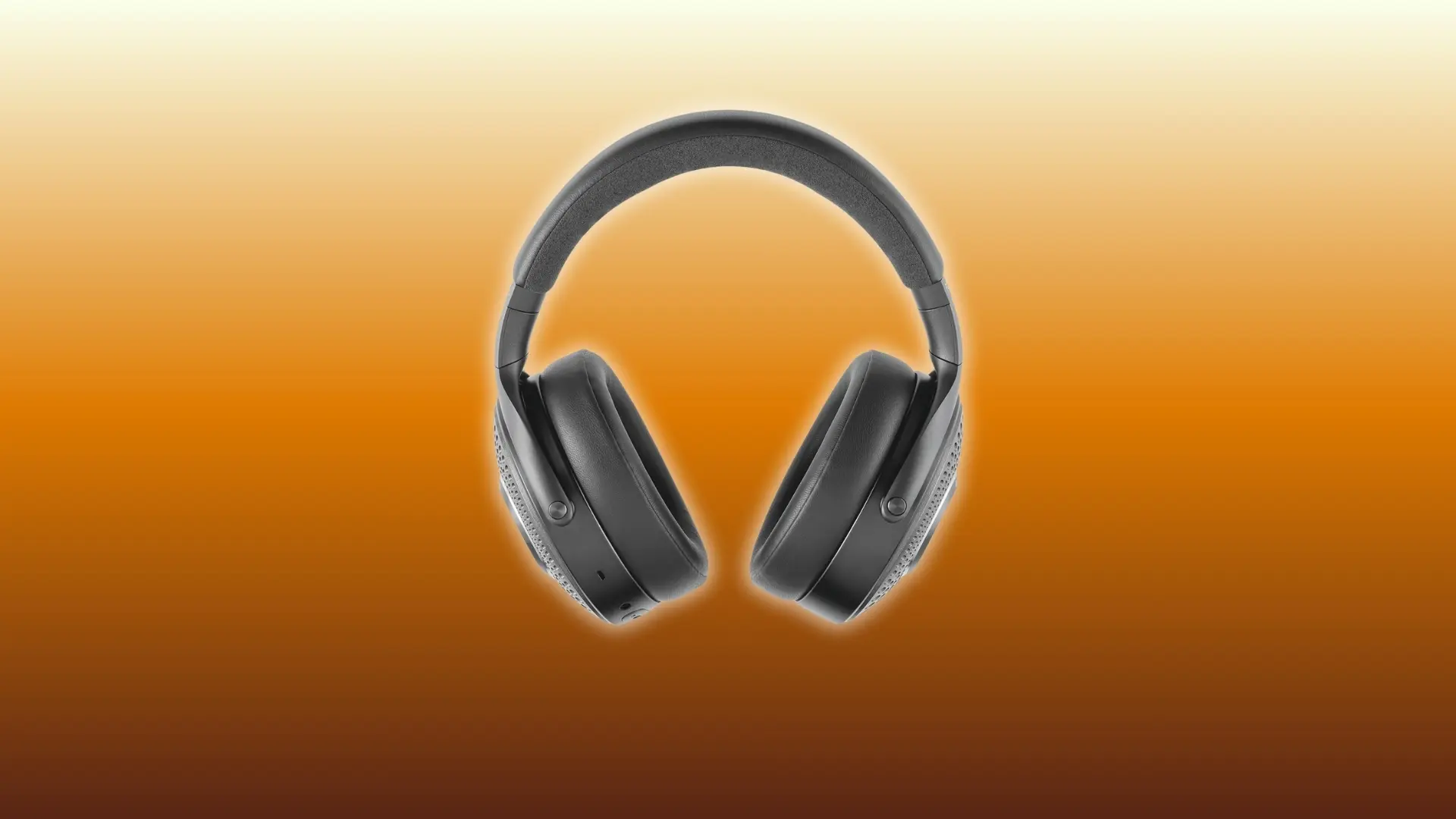
The Bathys MG can sound pretty different depending on how you’re listening. Wireless mode, USB-DAC mode, streaming quality, app features- all of that affects the experience more than most people expect.
USB-DAC Mode Is Where the Bathys MG Really Opens Up
When you connect it to a laptop, phone, or tablet through USB, the Bathys MG handles the audio processing itself instead of relying on your device’s built-in audio hardware.
That’s important because most phones and laptops are built for convenience first, not high-end sound. Their internal audio components are usually basic, which can limit how clean and detailed the audio sounds.
Using USB-DAC mode lets the Bathys MG bypass that entirely and use its own dedicated audio hardware instead.
Mimi Personalization Is More Useful Than It Sounds
Mimi works by building a personalized hearing profile that tests how well you hear different sound frequencies through the Focal app. During the test, you listen to quiet tones at different pitches and tap when you hear them. Based on your responses, the app creates a hearing profile for your ears.
That matters because everyone hears sound a little differently. Some people are more sensitive to treble, while others may miss certain frequencies over time.
Mimi uses your hearing profile to slightly adjust the sound so details that are harder for you to hear become clearer. For most people, the change is subtle, but it can make music sound a bit more balanced and natural.
Focal Bathys Headphones and Where It Sits Against Competitors
The Focal Bathys headphones do not compete for every buyer. Understanding where it sits against its closest alternatives makes the decision a lot cleaner.
| Feature | Focal Bathys | Focal Bathys MG | Sony / Bose Flagships |
|---|---|---|---|
| Main Focus | Premium all-round wireless | Sound quality and driver performance | Noise cancellation and travel |
| Driver | Aluminum-magnesium | Full-magnesium “M”-shaped | Consumer-focused tuning |
| Sound Quality | Clean and enjoyable | More detailed, spacious, accurate | Fun, easy-listening sound |
| ANC Performance | Very good | Very good, not class-leading | Best-in-class |
| Best For | Everyday use and value | Audiophile-style wireless listening | Flights, commuting, office |
| Biggest Advantage | Strong value | Best sound quality in category | Strongest noise isolation |
| Current Price | Around $469–$849 | Around $1,299–$1,499 | Usually cheaper than Bathys MG |
The pattern is clear. Sony and Bose win on noise cancellation. The original Bathys wins on value. The Bathys MG wins on sound quality, and that is the only reason to choose it over either.
If sound is not your top priority, one of the other two columns is probably the better fit.
Should Original Bathys Owners Upgrade?
If you already own the original Bathys, the core question is simple. What actually changed, and does it matter for how you listen?
The ANC, overall design, and core features are mostly the same. The one meaningful difference is the new magnesium driver, and that difference shows up entirely in the sound.
The Bathys MG sounds cleaner, more detailed, and more refined. If sound quality is your biggest priority, the upgrade makes sense.
If you mainly use your Bathys for travel, commuting, and noise cancellation, the gap is harder to justify. The experience outside of sound stays largely the same.
Here is a quick way to think about it:
- Sound quality is your main priority: The upgrade makes sense if you bought these headphones mainly for better audio performance and want to hear improvements in detail, separation, and overall tuning.
- You mainly use headphones for ANC and travel: The price difference may not feel justified because the biggest improvements are in sound quality, not noise cancellation or portability.
- You mostly stream compressed audio over Bluetooth: The driver improvements may not fully come through because lower-quality sources limit how much extra detail you can hear.
- You regularly use hi-res sources or USB-DAC mode: You are more likely to notice and appreciate the upgrade because these features allow the headphones to deliver their full sound potential.
The upgrade is not for everyone. But for the listener who will actually use what the new driver offers, the gap between the two headphones is real and audible
Who the Bathys MG Is Really Made For
The Bathys MG is not trying to be the best at everything. It is built for one type of listener: someone who puts sound quality above everything else. If detailed, accurate tuning matters most to you, it’s worth putting this headphone up against options like the Sennheiser Momentum lineup before deciding.
| Best For | Probably Not For You If |
|---|---|
| You listen to hi-res or lossless audio on TIDAL, Qobuz, or Apple Music Lossless. | Your top priority is noise cancellation, because Sony and Bose handle that better. |
| You use headphones mostly at a desk or at home, where USB-DAC mode is an option. | You mainly stream Spotify over Bluetooth, because compressed audio limits what the driver can deliver. |
| You already like Focal’s sound signature and want a wireless version of it. | You want the best value, because the original Bathys costs less and still performs very well. |
| You want audiophile-level sound without moving to a full wired setup. | You need a dedicated travel headphone, because ANC is not the MG’s strongest feature. |
The closer your habits match the first list, the easier the price becomes to justify. The further you move away from that use case, the more other options start making sense.
Summing Up
The Focal Bathys MG comes down to one trade: you’re paying for driver quality, not for extra features or class-leading noise cancellation.
If you feed it hi-res audio through USB-DAC mode, the magnesium driver delivers cleaner bass, a wider soundstage, and details that get buried on other wireless headphones.
Stream compressed audio over Bluetooth instead, and you lose a chunk of what makes it special. That’s the part worth remembering before you buy the Focal Bathys MG or any premium wireless headphone.
Your source matters as much as the hardware. If you’ve tried these or you’re still deciding, drop your thoughts below, and check out my other headphone comparisons before you commit.
Frequently Asked Questions
Are the Focal Bathys MG Wireless Headphones Any Good?
Yes, for listeners who prioritize sound quality and use high-resolution sources. If ANC performance or budget value is your main goal, other options serve you better at lower price points.
What Is the Difference Between the Focal Bathys and Bathys MG?
The MG replaces the original’s aluminum-magnesium driver with a full-magnesium ‘M’-shaped dome driver. The chassis and ANC system stay largely the same. The driver is the only meaningful upgrade.
Are the Focal Bathys Worth It?
The MG is worth it if sound quality is your priority and you have a hi-res source to match. The original Bathys, now heavily discounted, offers strong value on its own terms.
What Makes the Focal Clear MG Special?
The Clear MG applies Focal’s same magnesium driver philosophy in an open-back, wired format built for home listening where soundstage and resolution matter most, without wireless or ANC compromises.