

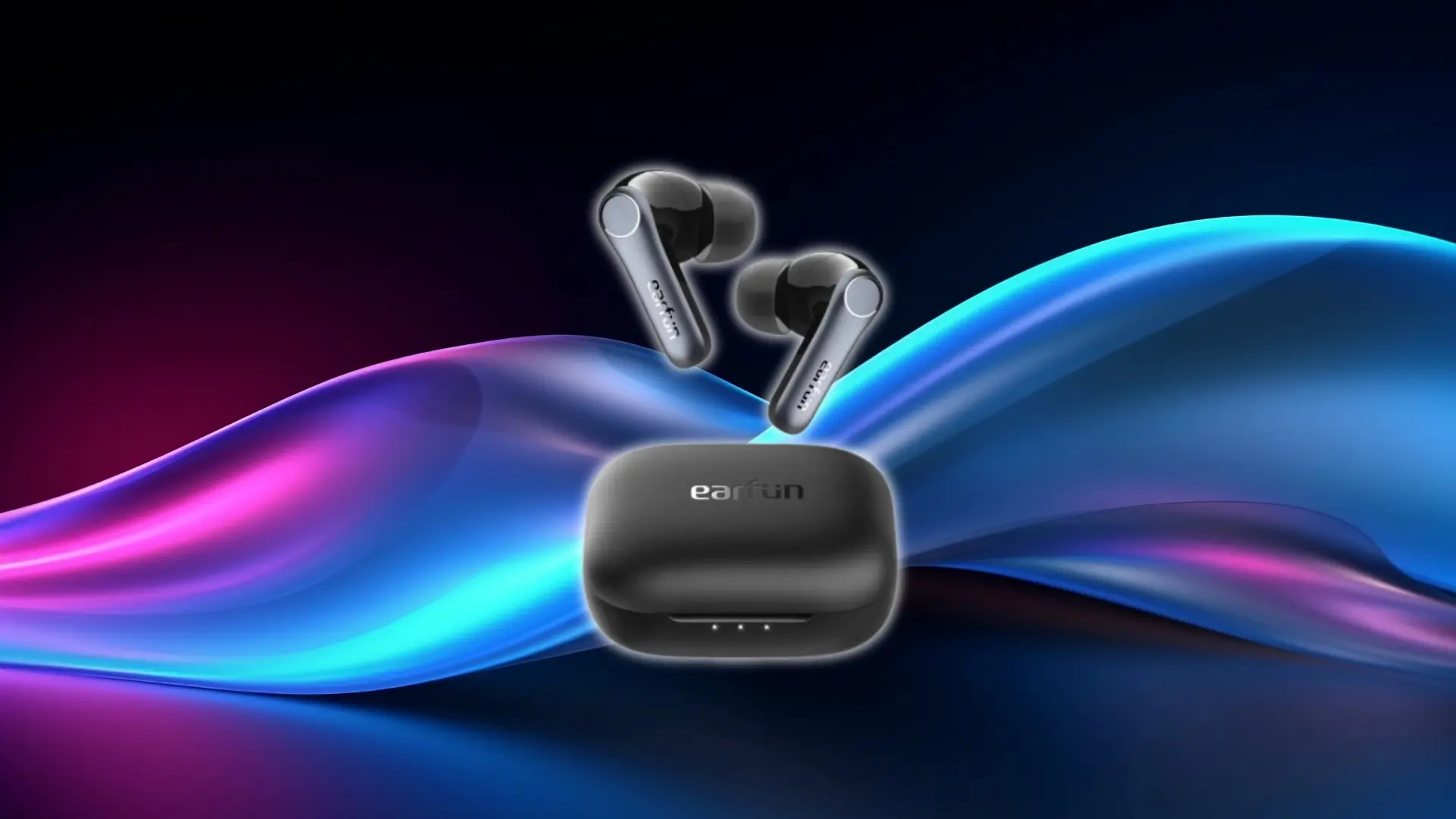

True wireless earbuds need to handle more than music. Comfort, battery life, noise cancellation, call quality, and reliable connections all matter during daily use. The EarFun Air Pro 4 review looks at how these budget earbuds perform across those areas.
Priced under $80, the Air Pro 4 combines hybrid active noise cancellation, high-resolution codec support, multipoint Bluetooth, and long battery life.
I think its feature set makes it especially interesting for commuters, office users, and casual listeners who do not want to pay flagship prices.
However, the newer Air Pro 4+ also raises an important question: does the standard model still offer enough value to buy.
EarFun Air Pro 4 at a Glance
| Feature | EarFun Air Pro 4 |
|---|---|
| Price | $60–$80 |
| Driver Type | Dynamic |
| Codecs | LDAC, aptX, aptX Adaptive, AAC, SBC |
| ANC | QuietSmart 3.0 hybrid ANC |
| Earbud Battery | 8–10 hours with ANC, up to 12 hours without ANC |
| Total Battery | 52–54 hours with case |
| Charging | USB-C and wireless |
| Bluetooth | Bluetooth 5.3 with multipoint |
| Water Resistance | IPX5 |
| Microphones | Six-mic array with AI noise suppression |
The EarFun Air Pro 4 sits near the top of EarFun’s wireless earbud range while remaining within a budget price bracket.
Its main strengths are practical rather than flashy. You get QuietSmart 3.0 hybrid ANC, LDAC and aptX support, a six-microphone system, multipoint connectivity, wireless charging, and an IPX5 rating.
The earbuds are aimed at everyday listening rather than one narrow use case. They can handle commuting, office listening, workouts, calls, and general music playback without requiring separate earbuds for each activity.
That broad feature set is what gives the Air Pro 4 much of its value.
Design, Build Quality, and Comfort
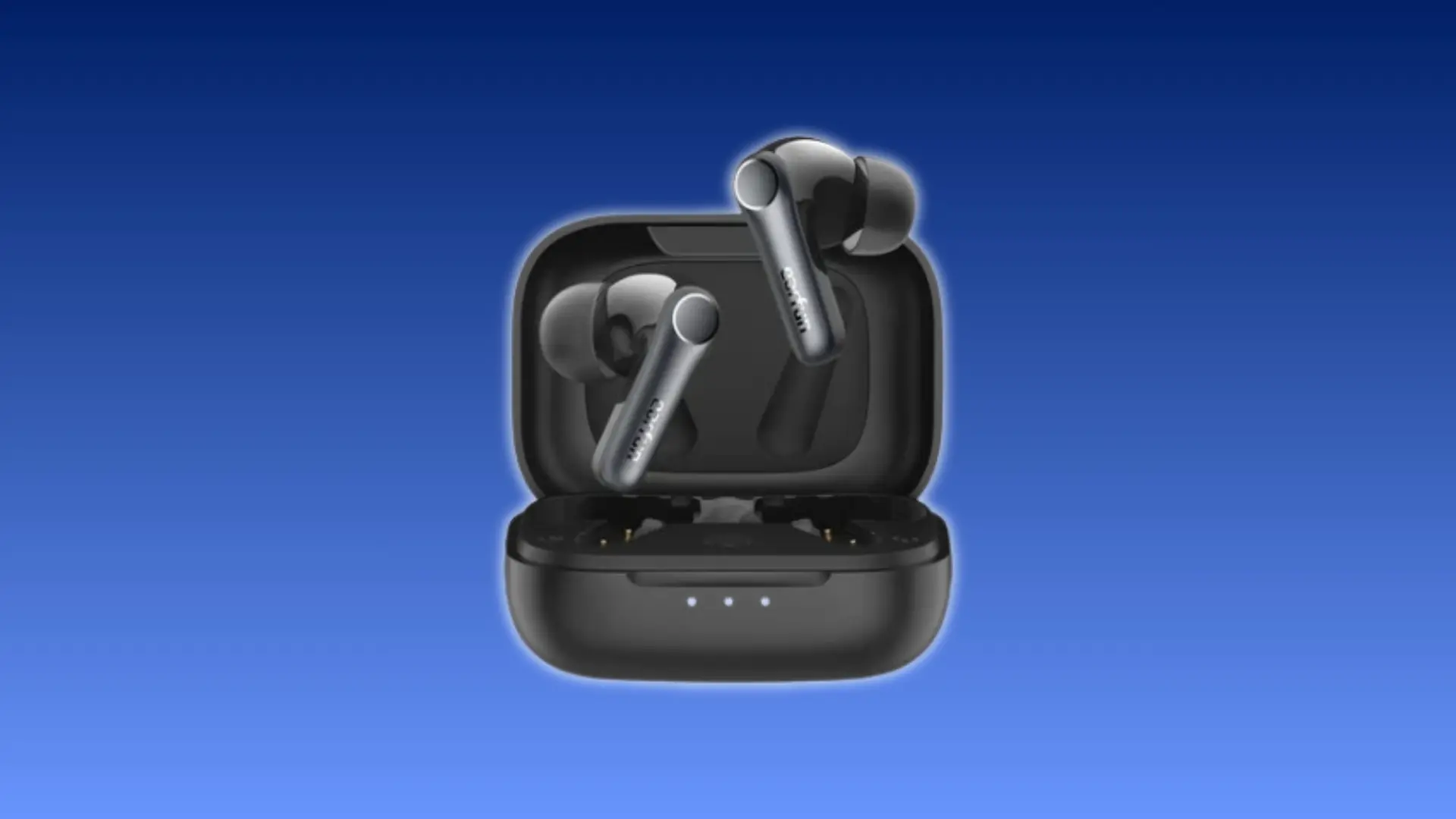
Each Air Pro 4 earbud weighs around 5 grams, which helps reduce pressure during longer listening sessions. The angled nozzle also allows the earbuds to sit naturally instead of feeling bulky inside the ear.
Fit still depends on choosing the right ear tips. People with narrower ears may need smaller tips to maintain a secure seal. That seal also affects bass response and noise cancellation, so fit influences more than comfort.
The plastic charging case is compact and easy to carry. Its surface resists everyday scratches, while the construction feels sturdy enough for regular commuting and travel.
An IPX5 rating adds protection against sweat and light rain. That makes the earbuds suitable for gym sessions, running, and normal outdoor use, a category where picks built for training are judged mainly on grip and sweat resistance, although they should not be submerged or used for swimming.
Controls, Connectivity, and Daily Use
The Air Pro 4 supports multipoint Bluetooth, allowing two compatible devices to remain connected at the same time. That is useful when moving between a phone, tablet, or another everyday device.
Multipoint can reduce the need to disconnect and pair the earbuds again when changing devices. For example, someone listening to music on one device can still manage communication from another connected source.
Bluetooth performance also remains consistent at normal listening distances. Codec availability depends on the connected device, so not every phone provides access to LDAC or aptX.
The supplied draft does not include enough hands-on information about touch-control responsiveness or the EarFun Audio app to assess those areas fairly, so those details should be tested before publication.
Sound Quality
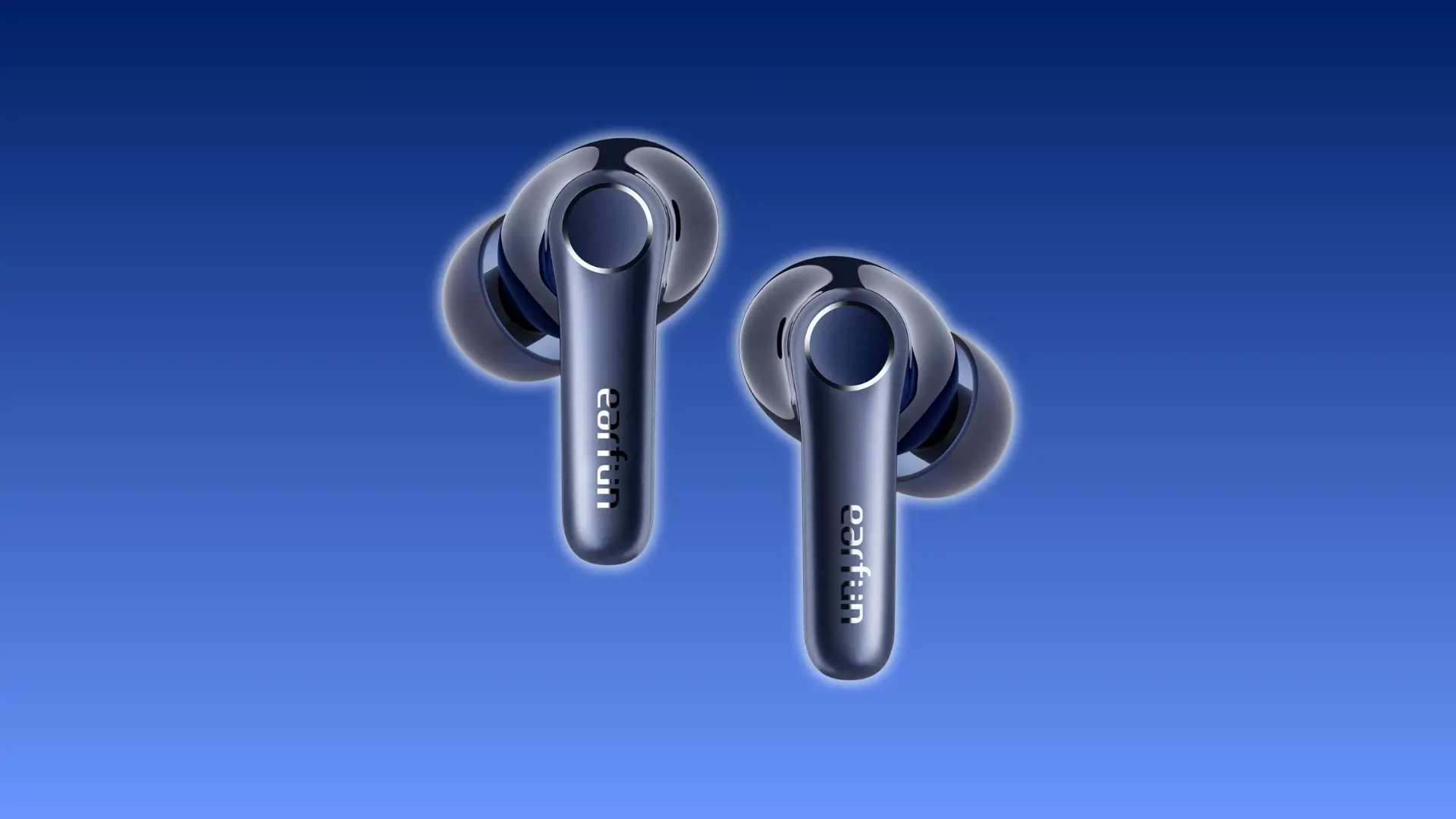
The Air Pro 4 uses a V-shaped sound profile. Bass and treble receive more emphasis, while the midrange sits slightly farther back.
That tuning creates an energetic presentation suited to pop, rock, electronic music, and other tracks that benefit from stronger low-end impact.
1. Bass
Bass has enough weight to give drums and electronic beats a firm punch without losing definition.
Low frequencies stay relatively tight rather than spreading heavily into the rest of the track. This helps busy arrangements retain rhythm and separation.
The stronger low end suits listeners who prefer energetic playback over a flat or neutral presentation.
2. Midrange and Vocals
The midrange is less forward than the bass and treble. Vocals can therefore sound slightly farther away, especially in tracks built around singers or acoustic instruments.
This does not make voices unclear. Vocal lines and instruments remain easy to follow, but they do not sit at the front of the mix.
Listeners who prefer warm, intimate vocals may notice this tuning more than those who mainly listen to beat-driven music.
3. Treble
Treble adds clarity to cymbals, strings, percussion, and smaller details within a track.
High frequencies remain crisp without losing control during dense arrangements. That extra emphasis also helps individual instruments remain easier to identify.
Combined with the stronger bass, the treble gives the Air Pro 4 its lively V-shaped character.
4. Soundstage and Instrument Separation
Instrument separation remains clear enough to prevent complex songs from becoming crowded.
Higher-frequency detail also contributes to spatial awareness, making it easier to notice where different sounds sit within the mix. The presentation is more focused on clarity and energy than on pushing vocals forward.
For everyday wireless listening, the separation helps the earbuds stay clear across several music styles.
5. LDAC, aptX, and SBC Performance
Android devices that support LDAC or aptX can take better advantage of high-quality audio files, a strength shared by other ANC-equipped models at a similar price. According to the supplied testing notes, these codecs can provide tighter bass, sharper highs, and clearer layers than standard SBC playback,
The difference becomes more noticeable with FLAC files, downloads, and other higher-quality sources.
With Spotify, YouTube Music, or similar services at standard streaming quality, the change is much smaller. Codec support is useful, but the source file and listening device also affect how much improvement is noticeable.
Active Noise Cancellation Performance
QuietSmart 3.0 hybrid ANC works best against steady low-frequency sounds.
Plane engines, train rumble, and office air-conditioning noise can be reduced significantly when the earbuds create a proper seal. The supplied testing estimates roughly 60–80% background-noise reduction depending on conditions.
Sudden sounds are harder to control. Nearby conversations, keyboards, doors, and other irregular noises can still pass through because they change too quickly for ANC to remove completely.
Fit plays a major role here. Poorly sealed ear tips allow more sound into the ear canal and reduce ANC effectiveness.
For everyday commuting and office use, the system performs best against continuous background noise rather than unpredictable sounds.
How Does Transparency Mode Perform in Daily Use?
Transparency mode takes the opposite approach by allowing environmental sound to reach the listener.
It is useful when walking outdoors, moving through busy areas, or needing short conversations without removing the earbuds. The system adjusts how much outside sound enters as the surrounding environment changes.
A small delay of around half a second may be noticeable when conditions change quickly.
The mode is therefore more useful for awareness and convenience than for making the earbuds sound as though nothing is inside the ears.
Call and Microphone Quality
A six-microphone array with AI noise suppression handles voice calls. Performance changes depending on how much background sound the microphones need to manage.
- Quiet Indoor Calls: Voices remain clear and natural with little interference, making the earbuds suitable for home calls and office meetings.
- Moderate Noise: Coffee shops and shared offices introduce more background sound, but speech generally remains understandable. Some light hiss may become noticeable.
- Busy Outdoor Areas: Traffic and other loud surroundings put more pressure on the noise-suppression system. Speech remains usable, although some distortion can appear.
- Windy Conditions: Strong wind is the hardest environment for the microphones. Voice clarity may drop when gusts hit the microphone directly.
Overall, call performance is dependable for normal conversations and online meetings, while extreme outdoor conditions remain its main weakness.
Battery Life and Charging
Runtime changes depending on ANC, streaming, Bluetooth activity, volume, and other wireless features.
The figures below provide a practical baseline for different listening conditions.
| Usage | Earbud Runtime | Total With Case | Notes |
|---|---|---|---|
| ANC Off | About 12 hours | 52–54 hours | Provides the longest listening time |
| ANC On | About 8–10 hours | 52–54 hours | Noise cancellation reduces earbud runtime |
| Streaming With ANC | About 6–8 hours | 50–52 hours | Represents heavier real-world wireless use |
| Quick Charge | — | About 2 hours playback from 15 minutes | Helps reduce charging downtime |
USB-C provides the main wired charging option, while the case also supports wireless charging.
A full charge takes around one hour according to the existing draft. Actual runtime can change with listening volume, codec choice, ANC, and connected-device activity.
Bluetooth, Multipoint, and Codec Support
Bluetooth 5.3 handles the Air Pro 4’s wireless connection, while multipoint allows simultaneous links with two devices.
This is useful for people who regularly switch between work and personal devices. It reduces repeated pairing and makes the earbuds easier to use throughout the day.
Android users also benefit from access to LDAC and aptX on compatible phones. AAC and SBC provide broader compatibility across other devices.
The standard Air Pro 4 does not include the gaming mode listed for the Air Pro 4+ in the supplied comparison, so buyers who place greater importance on that feature may prefer the newer model.
EarFun Air Pro 4 Pros and Cons
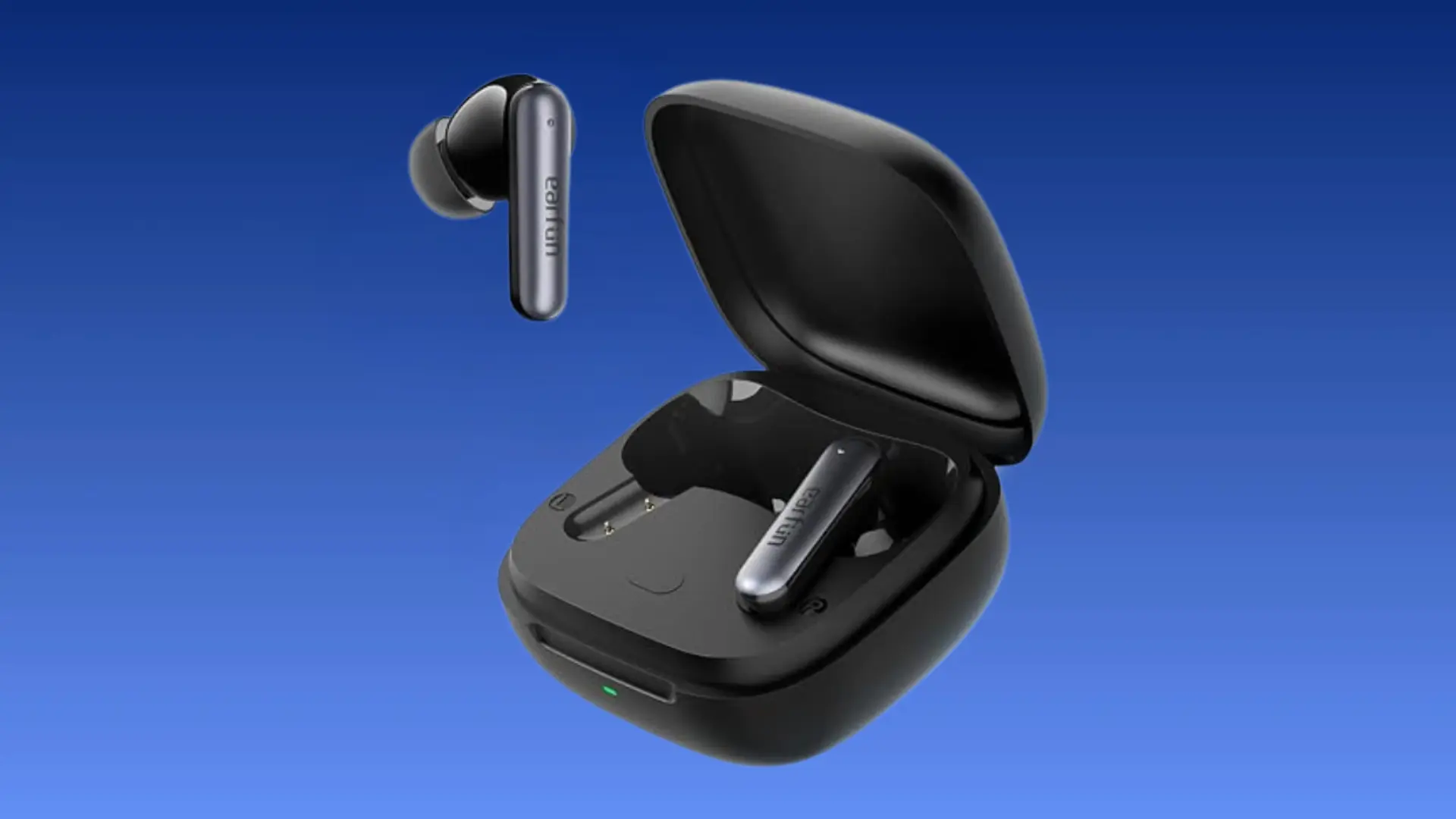
The Air Pro 4 combines several useful features, but its sound profile and performance will suit some listeners better than others.
Pros
- Strong Battery Life: Up to 12 hours from the earbuds with ANC disabled gives them enough power for long daily sessions.
- Useful ANC: QuietSmart 3.0 reduces steady background noise effectively during commuting and office use.
- Multiple Codecs: LDAC, aptX, AAC, and SBC provide flexibility across different devices and audio sources.
- Comfortable Fit: Lightweight earbuds and angled nozzles make longer listening sessions easier.
- Multipoint Support: Two connected devices make switching between common daily sources more convenient.
- Wireless Charging: The case supports both USB-C and wireless charging.
- Workout Friendly: IPX5 protection handles sweat and light rain.
Cons
- Recessed Midrange: Vocals may feel farther back because bass and treble receive greater emphasis.
- Wind Performance: Strong wind can reduce microphone clarity during outdoor calls.
- Sudden Noise: ANC handles constant sound better than voices, keyboard taps, or other irregular noises.
- No Gaming Mode: The supplied comparison reserves low-latency gaming mode for the Air Pro 4+.
None of these drawbacks completely undermines the earbuds, but they help define which listeners are likely to get the most value from them.
EarFun Air Pro 4 vs. Air Pro 4+
The newer Air Pro 4+ makes the buying decision less straightforward because both models share several core qualities.
Here are the differences identified in the supplied comparison.
| Feature | Air Pro 4 | Air Pro 4+ |
|---|---|---|
| Sound | Original tuning | Minor tuning changes |
| ANC | QuietSmart ANC | Similar core ANC |
| Fit | Standard fit | Slightly improved |
| Gaming Mode | No | Yes |
| Codecs | LDAC and aptX support | LDAC and aptX support |
| Price | Usually $20–$30 less | Typically higher |
| Best For | Value-focused buyers | Comfort and gaming priorities |
The Air Pro 4+ makes more sense when its fit refinements or gaming mode matter enough to justify the added cost. Otherwise, the standard Air Pro 4 keeps most of the core listening features for less money.
Who Should Buy the EarFun Air Pro 4?
The Air Pro 4 makes the strongest case for listeners who want several practical features without moving into a much higher price bracket.
It suits commuters who need ANC against engine or train noise, office users who switch between devices, and casual listeners who prefer punchy bass and crisp treble.
Workout users also benefit from the lightweight build and IPX5 protection.
Android users with compatible devices can make use of LDAC or aptX, which adds another reason to consider the standard model.
Listeners who mainly want forward vocals, stronger wind handling, or gaming-focused features may find another model better suited to those priorities.
Is the EarFun Air Pro 4 Still Worth It?
Price is the biggest factor when choosing between the Air Pro 4 and Air Pro 4+.
The standard Air Pro 4 remains appealing when it sells for noticeably less than the newer model. Its ANC, codec support, multipoint connection, long battery life, and lightweight build still cover the features many people need each day.
The Air Pro 4+ becomes easier to justify when the price gap is small, especially for buyers who care about its revised fit or gaming mode.
For value-focused buyers, I would pay close attention to the current price difference rather than choosing the newer version based on its name alone.
Final Verdict
The EarFun Air Pro 4 review shows why these earbuds remain competitive when priced below the newer Air Pro 4+.
Strong battery life, useful ANC, several Bluetooth codecs, multipoint support, and a lightweight fit give them a practical mix of features for daily listening. Their V-shaped tuning favors bass and treble, while calls perform best away from heavy wind.
I see the standard Air Pro 4 as the better value when the price gap between both generations is significant. Buyers who need the 4+’s fit refinements or gaming mode have a clearer reason to spend more.
Frequently Asked Questions
How long does it take to fully charge the EarFun Air Pro 4?
A full charge takes around one hour. A 15-minute quick charge can also provide roughly two hours of additional listening time, depending on settings and usage.
Does the EarFun Air Pro 4 support high-resolution Bluetooth codecs?
Yes. The earbuds support LDAC, aptX, aptX Adaptive, AAC, and SBC. Codec availability still depends on the connected source device.
Is the EarFun Air Pro 4 waterproof?
The earbuds carry an IPX5 rating. They can handle sweat and light rain, but they are not designed for swimming or full submersion.