

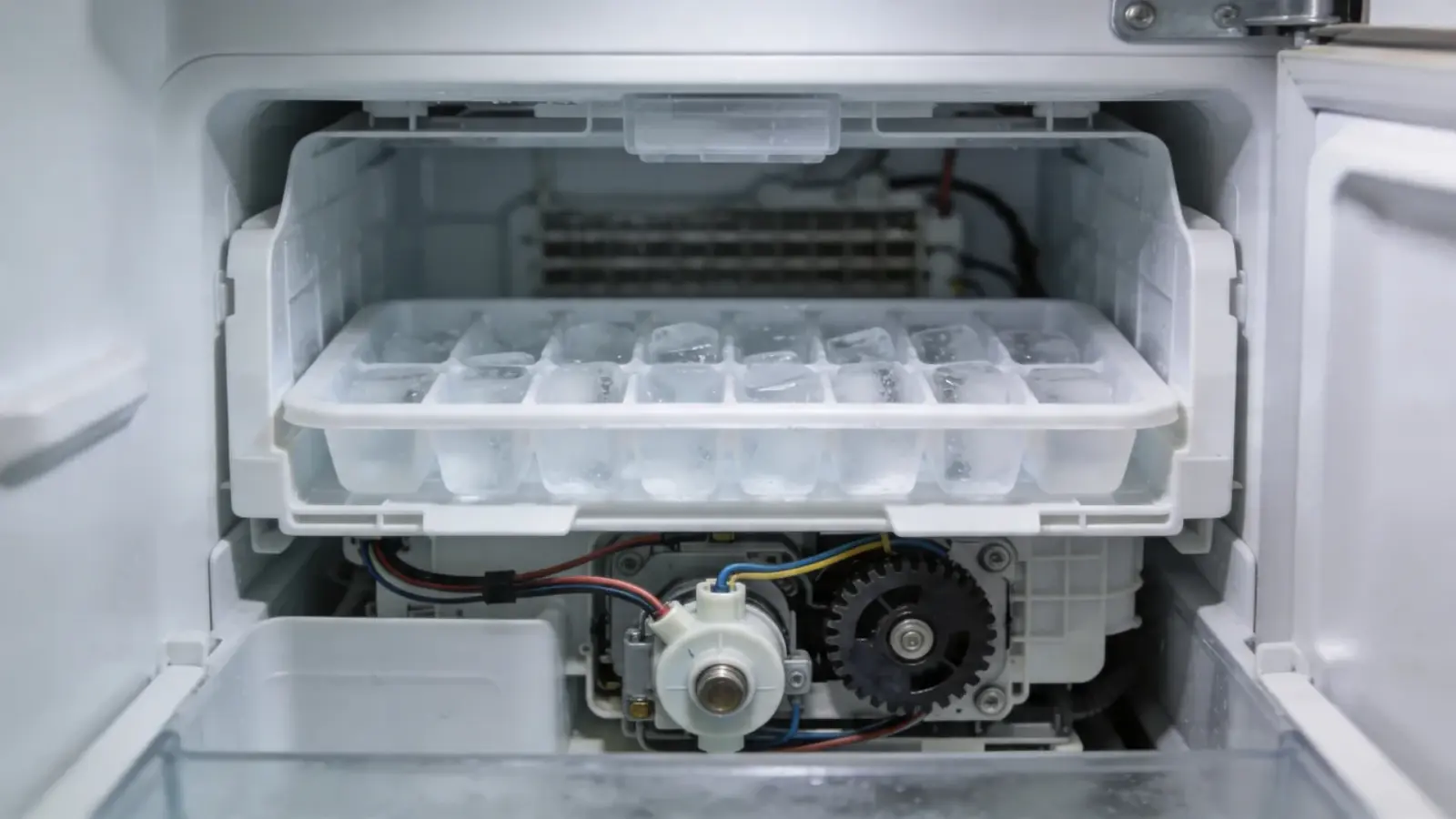
A Frigidaire ice maker not working can be frustrating, especially when you expect it to run without issues. You might see no ice at all, slow production, or cubes getting stuck.
In many cases, the problem is not serious and comes from simple things like temperature, water flow, or a blocked part. The key is knowing where to check first.
So today, I’ll take you through an easy process I’ve tried myself to find the exact cause and fix it. By the end, you’ll know what’s wrong and what to do next without guessing.
Tools and Materials Required
Before you start troubleshooting the ice maker, make sure you have a few basic items ready. Most fixes do not need special tools, but having these on hand will make the process easier and quicker.
- Clean cloth or towel and mild cleaning supplies
- Fresh cold water
- Replacement water filter (if your model uses one)
- Flashlight for checking inside components
- Access to a working power outlet
Step-By-Step Frigidaire Ice Maker Troubleshooting Guide
Follow these steps in order to find the issue and fix it. Start with quick checks, then move toward water flow and internal components if needed.
Step 1: Check Power Connection
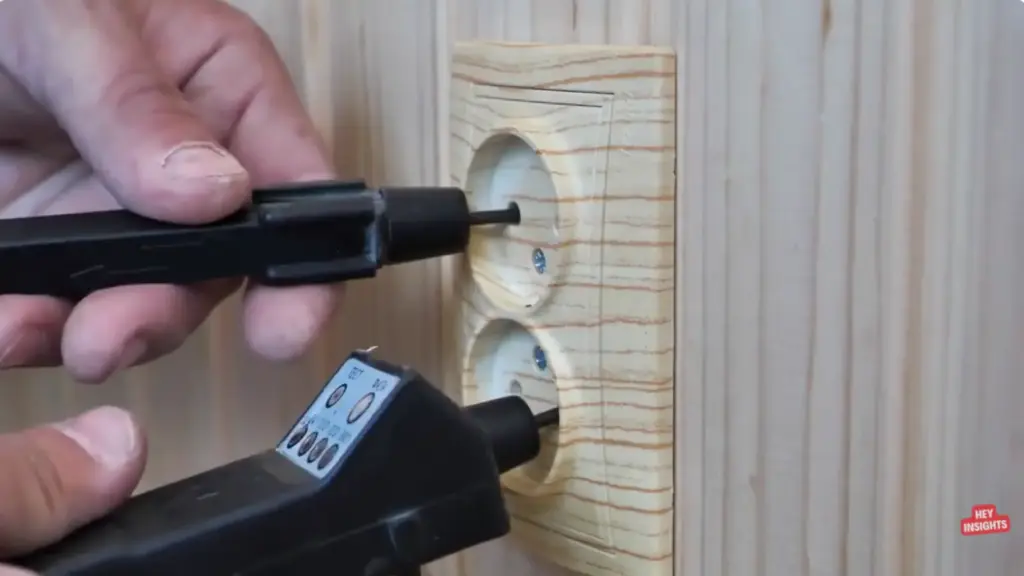
Make sure the ice maker is plugged into a working outlet. Push the cord firmly into both the unit and the socket so it fits securely. If you are unsure about the outlet, test it with another appliance to confirm it works.
Without proper power, the ice maker will not start, so fix any power issues before moving ahead.
Step 2: Turn the Ice Maker ON
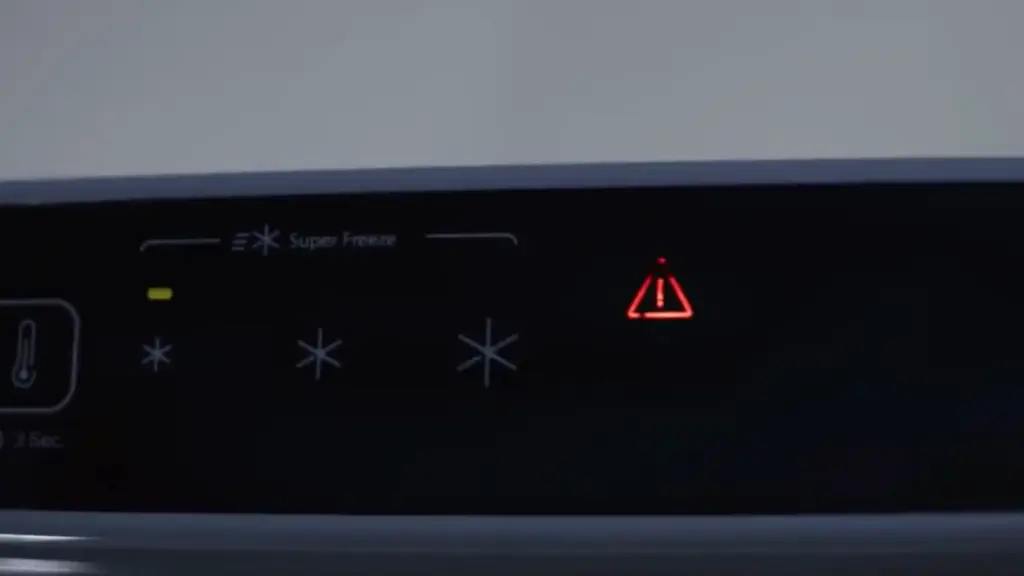
Locate the power switch, usually at the back or bottom of the unit, and make sure it is set to ON. This step is often missed during setup or cleaning.
Even if the unit is plugged in, it will not run unless switched on. If it still does not respond, the issue likely lies elsewhere.
Also check the bail arm, a wire or plastic arm that sits above the ice bin. When it is raised, it signals the ice maker to stop production. It can get bumped up accidentally when you remove the bin or reach into the freezer.
Push it down to the lowered position to allow ice production to resume.
Step 3: Check Freezer Temperature
Check the freezer temperature and make sure it is set between 0°F and 5°F (-18°C to -15°C). If it reads above 10°F (-12°C), the ice maker will not produce ice regardless of other settings.
Give the freezer a few hours to reach the correct temperature after adjusting it. If it stays warm, check that the door seal is intact and the vents inside are not blocked by food items.
Step 4: Check Water Level and Supply

Open the reservoir and check that it has enough fresh cold water, at least up to the minimum fill line. If your model uses a water line, inspect it for kinks or loose connections.
Proper water flow is required for ice production, so any restriction here will stop the machine completely.
Step 5: Empty the Ice Bin and Clear Blockages
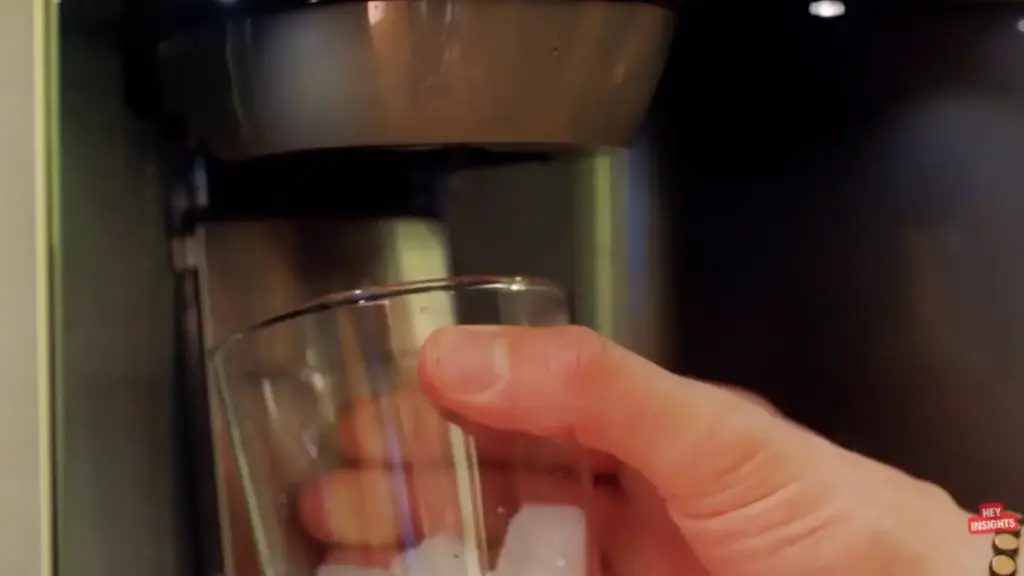
A full ice bin can stop the machine from making more ice, so empty it completely before testing again. Check the ice mold and internal parts for any stuck or built-up ice.
Remove blockages gently without sharp tools. If parts cannot move freely, the cycle will not continue properly.
Step 6: Check Filter and Listen for Issues

If your ice maker uses a water filter, replace it if it is clogged or overdue. After that, run the unit and listen closely for unusual sounds like grinding or humming.
These noises often point to internal mechanical problems. If the sounds continue, the issue may require deeper inspection or repair.
Step 7: Check Error Codes or Call for Service

Look at the control panel for any error codes and check the manual to understand what they mean. These codes can point to specific issues quickly.
If none of the steps solve the problem and the unit still does not work, professional repair may be needed. Always unplug before inspecting deeper parts.
For an in-depth walkthrough of the whole process, check out the complete video tutorial below:
Water Supply Problems and How to Fix Them
Water issues are one of the most common reasons a Frigidaire ice maker stops working. If water does not reach the ice tray properly, the system cannot produce ice at all, even if everything else is working.
Frozen or Blocked Water Line
Check if the water line inside the freezer is frozen or blocked. This usually happens when cold air leaks into the line area and freezes the water before it reaches the ice maker.
Use a hair dryer on a low setting to thaw the line slowly. Hold it a few inches away and work along the tube until water flows freely. If freezing keeps coming back, check the door seal and make sure cold air is not leaking into the line area.
Low Water Pressure
The ice maker needs enough water pressure to trigger the fill cycle. If the pressure is too low, the inlet valve will not open, and no water will enter the tray.
Most Frigidaire ice makers need at least 20 psi to fill reliably. You can check this with an inexpensive pressure gauge on a laundry or outdoor faucet. If pressure is fine but filling still fails, move on to the inlet valve.
Faulty Water Inlet Valve
The inlet valve controls water flow into the ice maker and opens only when it receives an electrical signal. If it is defective, water will not enter the tray even with full pressure and a clear line.
Signs of a failed valve include no water entering the tray, a buzzing sound during the fill cycle, or visible cracks on the valve body. Replacing the valve is usually the fix when no other water issue is found.
Issues with the Ice Maker that Stop Ice Production
Here’s a quick breakdown of common ice maker issues and how they affect ice production:
| Issue | What Happens | What To Do |
|---|---|---|
| Ice tray or ejector jam | Ice gets stuck in the tray or ejector arms, stopping the cycle | Clear blockage: Use warm water and a soft cloth. Avoid sharp tools to prevent damage |
| Ice clumping and refreezing | Ice melts slightly and refreezes into large chunks | Reset and check temp: Empty bin, break clumps, keep freezer at 0°F–5°F |
| Misaligned ice bin or sensor | Sensor reads bin as full, stopping production | Reposition bin: Remove, clear edges, and place it back firmly |
| Ice mold thermostat failure | Ice maker does not trigger the harvest cycle | Test and replace: Check continuity with a multimeter and replace if faulty |
These issues usually stop the ice-making cycle even when everything else seems fine.
If problems like jams or clumping keep coming back, the real issue is often unstable temperature or worn parts. Fixing the root cause is key to getting consistent ice production again.
When Reset Works and When It Doesn’t
Resetting the ice maker is a useful first step, but it only helps in specific situations. It works when the issue is caused by a minor electronic glitch, such as the system getting stuck mid-cycle or failing to trigger the next step.
To reset most Frigidaire ice makers, press and hold the on/off or test button for about 3 seconds until you hear a chime or the indicator light changes.
Some models require you to turn the ice maker off, wait 30 seconds, and turn it back on. Check your model’s manual if the button location is not obvious.
However, resetting will not fix problems related to water flow or mechanical parts. If the water line is blocked, the filter is clogged, or components like the inlet valve or motor are faulty, the issue will continue even after a reset.
Use a reset as a quick test, not a repeated fix. If it does not work the first time, move on to other troubleshooting steps instead of trying it again.
Signs a Part Needs Replacement
If none of the troubleshooting steps fix the issue, it may be time to replace a faulty part. Some problems keep coming back because the component itself is no longer working as it should.
Water inlet valve failure: If there is proper water supply but no water enters the ice tray, the valve is likely not opening. You may also notice a buzzing sound during the fill cycle or visible cracks on the valve body. Replacement is usually the only fix at this point.
Ice maker motor or module issues: If the unit has power but there is no movement or sound during a cycle, the internal motor or control module may be worn out. Since most of these components are not sold separately, you will likely need to replace the full ice maker assembly.
Ice mold thermostat failure: If the freezer is cold enough but the ice maker never advances to the ejection step, the mold thermostat is a likely cause. Test it with a multimeter; no continuity means it needs to be replaced.
Clogged or old water filter: Filters older than six months can restrict flow enough to slow or stop ice production. Replace it on a regular schedule and always use a filter rated for your specific Frigidaire model.
If you notice repeated failures after fixing the same issue, replacing the faulty part is more effective than continued troubleshooting. A part that keeps failing is telling you it is done.
Quick Troubleshooting Checklist
Before calling a technician, run through this list in order. Most Frigidaire ice maker issues trace back to one of these.
- Power and switch: Ice maker is turned ON and the power cord is firmly seated in the outlet
- Bail arm: Wire or plastic arm above the ice bin is in the down position, not accidentally bumped up
- Freezer temperature: Set between 0°F and 5°F (-18°C to -15°C); ice production stops above 10°F (-12°C)
- Water supply line: Connected, not kinked, and the household valve is fully open
- Water pressure: At least 20 psi reaching the refrigerator; partially closed valves are a common culprit
- Water filter: Less than six months old, properly seated, and rated for your Frigidaire model
- Water line: Not frozen or blocked inside the freezer; thaw with a hair dryer if needed
- Ice bin: Fully seated and flush so the sensor does not read it as full
- Ice tray and ejector arms: No jams, stuck cubes, or clumped ice blocking movement
- Ice mold thermostat: If everything above checks out but cycles still won’t complete, test for continuity
- New installation: Allow at least 24 hours after setup before expecting full ice production
If you checked everything and the issue persists, the problem is likely a faulty component. Start with the water inlet valve, then the thermostat, then the full ice maker assembly.
Conclusion
Fixing a Frigidaire ice maker when it’s not working is often simpler than it looks when you follow the right steps.
By checking power, temperature, water flow, and blockages in order, you can quickly find what’s causing the issue and fix it without guesswork.
Take a moment to apply each step carefully, and you’ll likely get your ice maker running again. If one fix doesn’t work, move to the next instead of repeating the same step.
Got stuck or found the issue? Drop a comment below. And, for more helpful guides like this, read other blogs on the website.
Frequently Asked Questions
Why is my Frigidaire ice maker not making ice?
The most common causes are warm freezer temperature, blocked water supply, a clogged filter, or the ice maker being turned off or jammed internally.
How do I reset my Frigidaire ice maker?
Press and hold the reset or test button for about 3 seconds, or turn the unit off, wait 30 seconds, and turn it back on.
How long does it take for a Frigidaire ice maker to make ice?
Most Frigidaire ice makers take about 90 minutes to produce a batch of ice, but full production can take up to 24 hours after setup.
How do I know if my ice maker water line is frozen?
If no water fills the tray and the freezer is very cold, the water line may be frozen. You can confirm by checking for blockages or thawing the line.