


Gaming moves fast. Blink, and there’s a new platform, a new play style, or a whole new way people are gaming. Keeping up can feel like chasing a loading bar that never fills.
That’s where gaming trends uggworldtech come in handy.
It gives you a quick read on what’s rising, what’s fading, and where the gaming world is headed next, no tech degree or hours of research needed. Just simple insights, served straight up.
So if staying ahead of the curve sounds good, you’re in the right place. The trends below are worth a scroll.
Is Learning About Gaming Trends Helpful for Acing the Gaming Market?
Yes, learning about gaming trends uggworldtech can help you understand how the gaming market is shifting in a simple, easy way. It shows what players engage with and what gets attention across different platforms and game styles.
A quick look is often enough to notice changes in player behavior, updates, and rising trends in the gaming space. Sometimes even small shifts become easier to spot through these insights.
Even if it does not go very deep, it still helps in understanding the overall direction of gaming. It keeps you aware of what is moving up or slowing down in the market.
Key Gaming Trends Covered by UggWorldTech
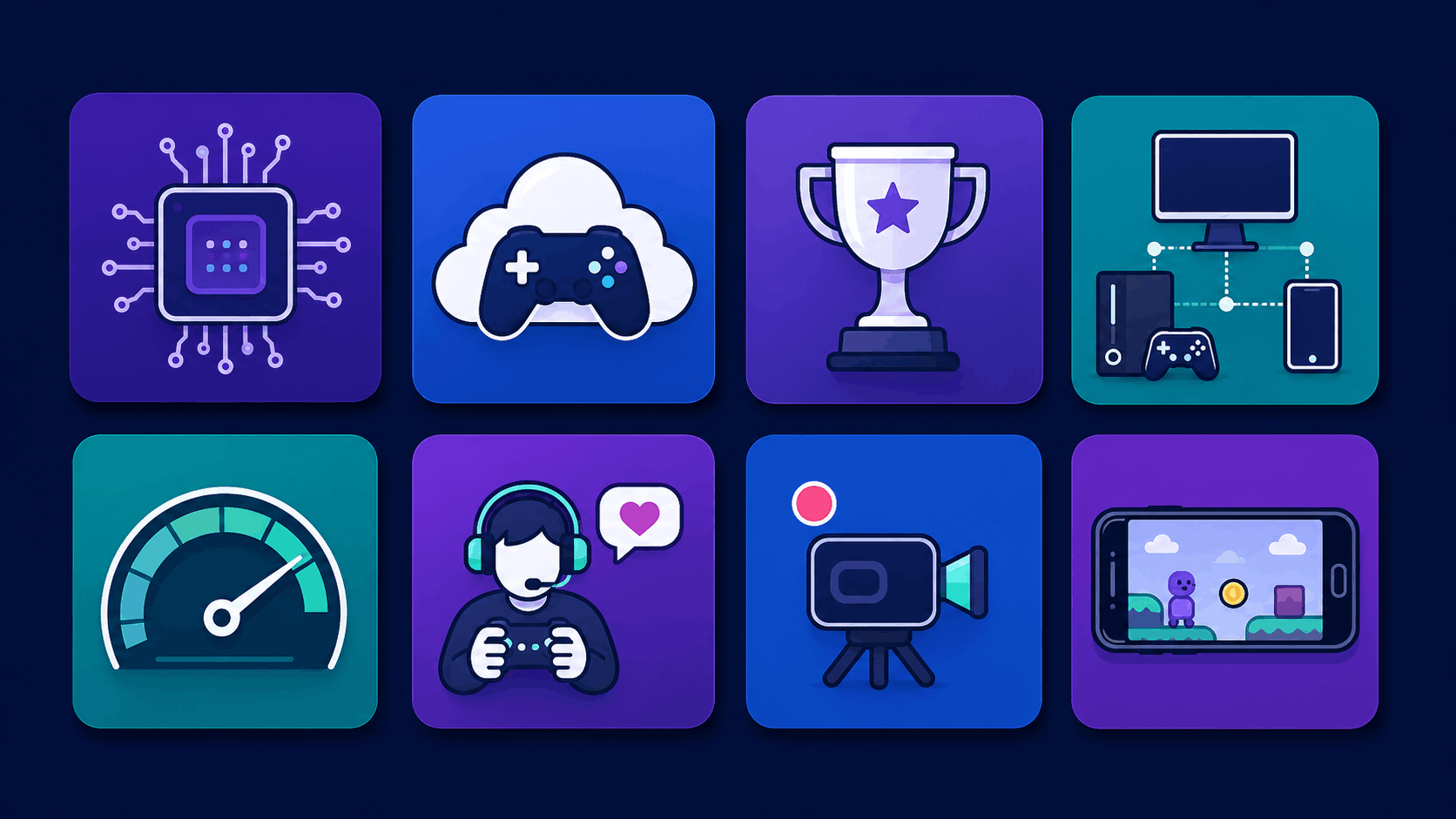
These are some of the main gaming trends you’ll often come across in gaming trends uggworldtech content.
It gives you a simple way to understand what is changing in gaming right now, from how games are built to how people are actually playing them. Let’s look at them:
1. AI-Driven Game Systems
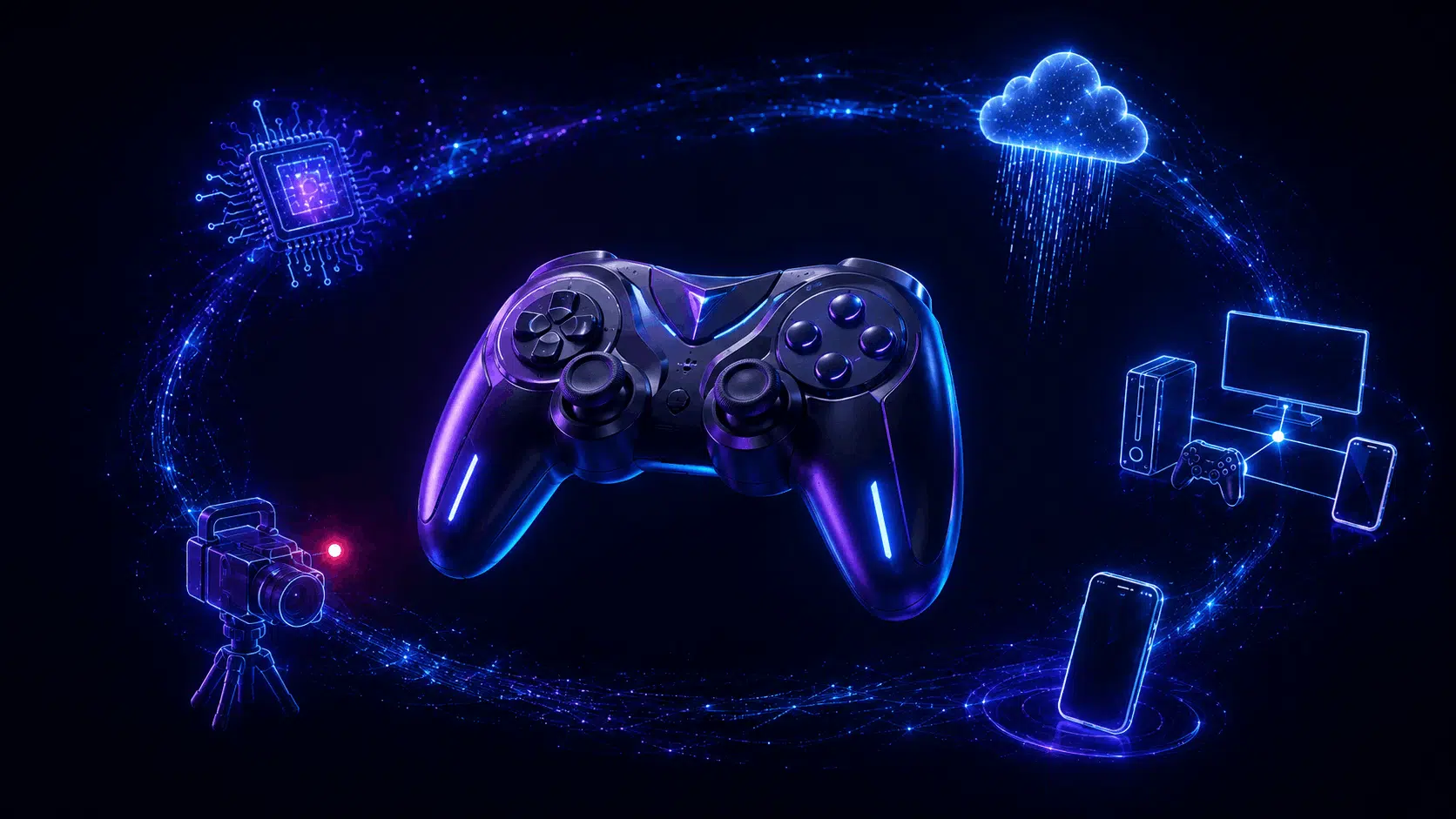
AI is becoming a major part of modern game development, improving how games react and adapt during gameplay. It is helping make experiences feel more dynamic and responsive to player actions.
- Non-player characters are now designed to behave in more realistic and less predictable ways during gameplay.
- Game difficulty can be adjusted automatically based on a player’s performance in real time.
- Enemy systems are being built to create more varied and less repetitive gameplay patterns.
- Player choices can influence how the game world develops and responds over time.
- AI tools are helping developers create environments and test games more efficiently.
2. Cloud-Based Gaming Access
Cloud gaming is changing how players access games by removing the need for powerful hardware or large installations. It is shifting gaming toward a more internet-based model.
- Games can be played through streaming without downloading large files or updates.
- Players can enjoy high-quality games even on low-end or older devices.
- Subscription systems are allowing access to multiple games under one plan.
- Game progress can be saved and used across different devices easily.
- The need for constant hardware upgrades is gradually reducing for many players.
3. Esports Growth and Structure
Competitive gaming is becoming more organized and structured, with increasing global participation and professional support systems.
- Gaming teams now operate with coaching staff, training schedules, and sponsorship backing.
- Large-scale tournaments are expanding with better production and wider audiences.
- Competitive prize pools are growing, making esports a viable career path.
- Live streaming platforms are helping reach global audiences instantly.
- More companies are investing in esports ecosystems and partnerships.
4. Cross-Platform Gaming Support
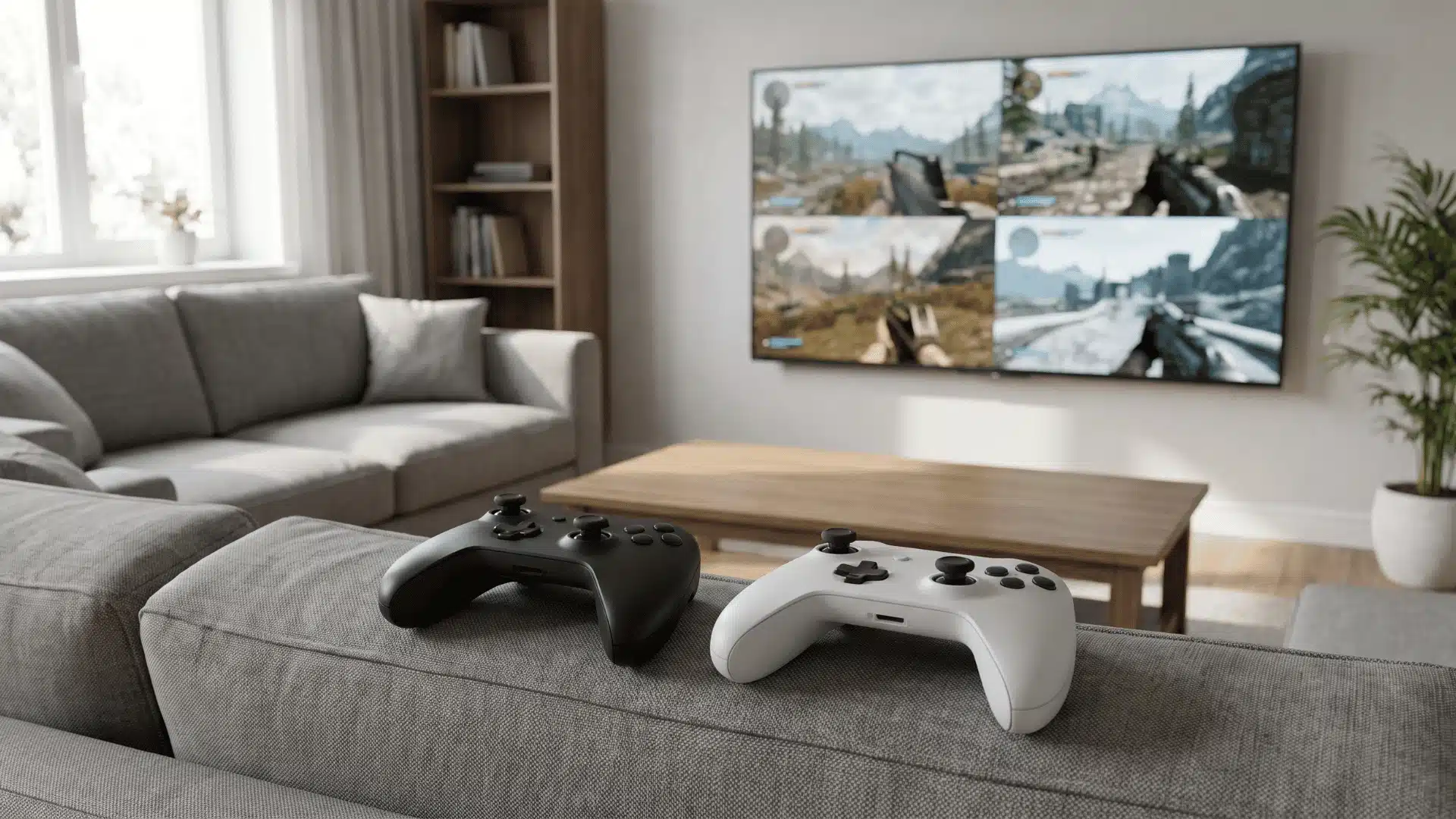
Cross-platform gaming is making it easier for players using different devices to play together in the same game environment. Gaming ecosystems are becoming more unified across devices, pointing to stronger cross-platform integration.
- Players on PC, console, and mobile can now join shared multiplayer matches.
- Friends are no longer separated by the type of device they use.
- Game progress is often linked across platforms through cloud and account systems.
- Developers are building cross-play features directly into game design.
- Online gaming communities are becoming larger and more connected.
5. Game Performance Optimization Focus
Performance is becoming a core priority in game development, ensuring smoother and more stable player experiences. Game performance is now a major focus in development, as players expect smooth, stable gameplay across all devices.
- Stable frame rates are being prioritized to ensure consistent gameplay performance.
- Reducing lag and input delay is especially important in fast competitive games.
- Graphics settings are adjusted to balance quality and smooth performance.
- Loading speeds are being improved through better engine optimization techniques.
- Games are tested across multiple systems to ensure consistent behavior.
6. Player-Centric Game Design
Player feedback is now central to game development, driving continuous design improvements. Modern game development is increasingly shaped by how players interact with games and provide feedback over time.
- Player feedback is used to improve balance, mechanics, and gameplay systems.
- Developers study real player behavior to refine game design decisions.
- Progress systems are adjusted to keep players engaged for longer periods.
- Gaming communities often contribute ideas that influence updates and features.
- Games are now designed to support long-term engagement instead of short sessions.
7. Streaming and Content Creation Influence
Content creators are now key drivers of game visibility, influencing what becomes popular in gaming communities. Streaming platforms and content creators now have a strong impact on how games gain popularity and maintain visibility.
- Streamers help new games reach large audiences through live gameplay exposure.
- Short viral clips can quickly increase a game’s popularity online.
- Audience interaction plays a role in shaping trending games.
- Developers often work with creators on marketing and early-access promotions.
- Gaming communities often form around shared creator content.
8. Mobile and Casual Gaming Expansion
Gaming is expanding to wider audiences through mobile-first and casual-friendly experiences. Mobile and casual gaming continues to grow as it offers easy access and fits into short, flexible play sessions.
- Players prefer gaming sessions that fit into small breaks or free time.
- Free-to-play models make games accessible to a wider audience globally.
- Simple control systems allow more users to start playing easily.
- Mobile devices enable gaming without needing dedicated setups.
- Casual games focus on quick rewards and repeated engagement loops.
Note : These trends give you a clear idea of how gaming is evolving, and they also connect back to the kind of insights often discussed in gaming trends UggWorldTech content before moving into the wider industry view.
Comparison of Key Gaming Trends
Gaming trends uggworldtech differ in focus, but together they shape how the industry evolves across technology, players, and platforms.
A structured overview showing how key gaming trends differ in focus and impact across the industry, from gameplay innovation to market growth and player behavior.
| Gaming Trend | Focus | How It Works | Impact |
|---|---|---|---|
| AI Game Systems | Smarter gameplay | AI adapts enemies, difficulty, and world behavior in real time | More dynamic, less repetitive games |
| Cloud Gaming | No-device gaming | Games stream online instead of installing locally | Wider access on low-end devices |
| Esports Growth | Competitive gaming | Organized leagues, teams, and global tournaments | Career growth + global audiences |
| Cross-Platform Play | Device connection | PC, console, and mobile players share the same matches | Bigger, unified gaming communities |
| Performance Optimization | Smooth gameplay | Improves FPS, reduces lag, and speeds up loading | Better competitive experience |
| Player-Centric Design | Player feedback | Games evolve using player data and behavior | Higher engagement + retention |
| Streaming & Creators | Game discovery | Streamers promote games through content | Faster virality + trend shifts |
| Mobile Gaming | Accessibility | Free-to-play, short-session gameplay | Massive global user expansion |
Broader Gaming Industry Trends that Provide a Future Outlook
These insights expand beyond UggWorldTech trends to show how the global gaming industry is evolving, helping understand broader market behavior and future directions:
1. Rise of Virtual Economy Systems
Gaming economies are becoming more advanced with digital assets, in-game currencies, and player-driven marketplaces. Players are increasingly trading, earning, and owning digital items with real-world value in some ecosystems.
This is making in-game economies more active and self-sustaining over time.
2. Growth of Immersive Storytelling
Games are focusing more on deep narrative experiences rather than just mechanics or competition. Storylines are becoming more emotional, branching, and choice-driven.
This allows players to shape outcomes and feel more connected to the game world.
3. Expansion of Subscription-Based Gaming Models
More platforms are shifting toward subscription access instead of individual game purchases. Players now pay monthly to access large libraries of games.
This is changing how games are consumed and reducing reliance on one-time buying behavior.
4. Rise of Indie Game Innovation
Independent developers are gaining more influence due to easier access to development tools and publishing platforms. Smaller studios are experimenting with unique gameplay styles and creative ideas.
This is increasing variety and pushing innovation in the industry.
5. Increased Focus on Accessibility in Games
Game design is increasingly prioritizing accessibility features for players with different needs. This includes customizable controls, visual aids, and adaptive difficulty options. It is making gaming more inclusive for a wider audience globally.
6. Expansion of Game Subscription Ecosystems Across Devices
Gaming services are expanding across multiple devices within the same subscription ecosystem. Players can continue progress across different platforms without restarting.
This creates a more seamless gaming experience across environments.
7. Integration of Real-World Brands in Games
Games are increasingly collaborating with real-world brands for events, items, and in-game experiences. This is turning games into marketing and entertainment spaces at the same time.
It also creates new revenue streams for developers.
8. Evolution of Game Ownership Models
Traditional ownership is shifting toward access-based models rather than permanent purchases. Players are adapting to temporary access, rotating libraries, and evolving content availability.
This is changing long-term player behavior toward games.
Final Thoughts
Gaming isn’t slowing down anytime soon. AI is getting smarter, cloud gaming is cutting the hardware cords, and creators are deciding what blows up next. The whole industry is shifting, one update at a time.
That’s exactly why gaming trends uggworldtech is worth keeping on your radar. It won’t drown you in jargon or endless reports. It just points out what’s moving, so you can stay in the loop without the homework.
You don’t need to catch every trend. Just knowing the direction things are heading puts you ahead of most players. So stay curious, keep watching the space, and let the games evolve around you.
Frequently Asked Questions
What Makes Gaming Trends Change So Quickly?
Gaming trends change quickly due to evolving technology, player behavior, and ongoing updates to game design and platforms.
How Do Game Developers Use Player Feedback Today?
Developers use real-time player data and feedback to adjust gameplay, balance, and long-term engagement systems.
Why is Cross-Platform Gaming Becoming More Popular?
Cross-platform gaming is growing because it allows players on different devices to connect and play together seamlessly.