

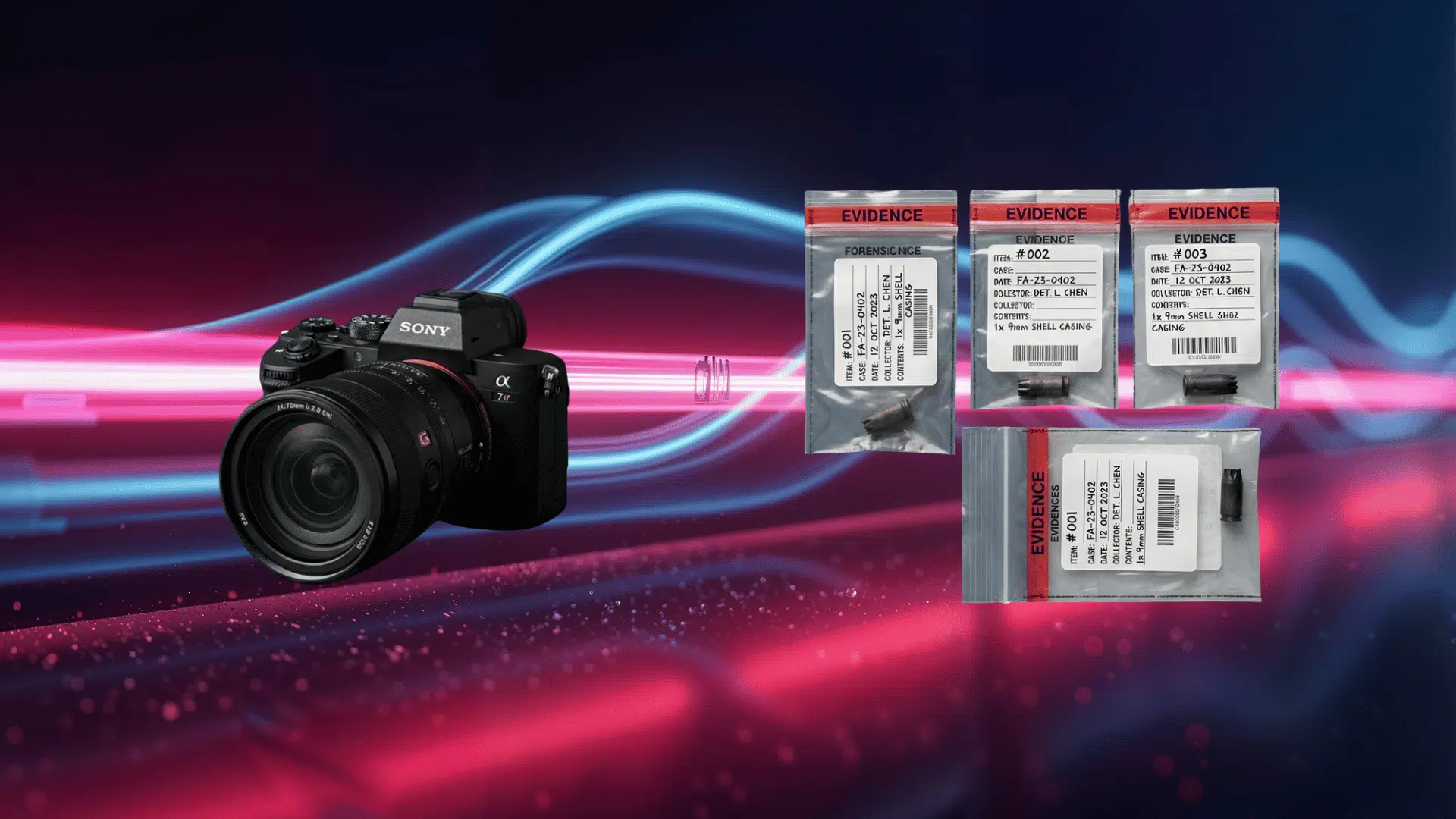


The same four letters help photographers shoot in dim light and help detectives crack cold cases.
IBIS means something completely different depending on context, especially when understanding what an IBIS camera is versus its role in forensic science. Both uses are far more advanced than most people expect.
This guide breaks down what IBIS means in each field, how it works in real situations, where it falls short, and which cameras offer the best implementation today.
What is IBIS In a Camera and Why Does It Matter?
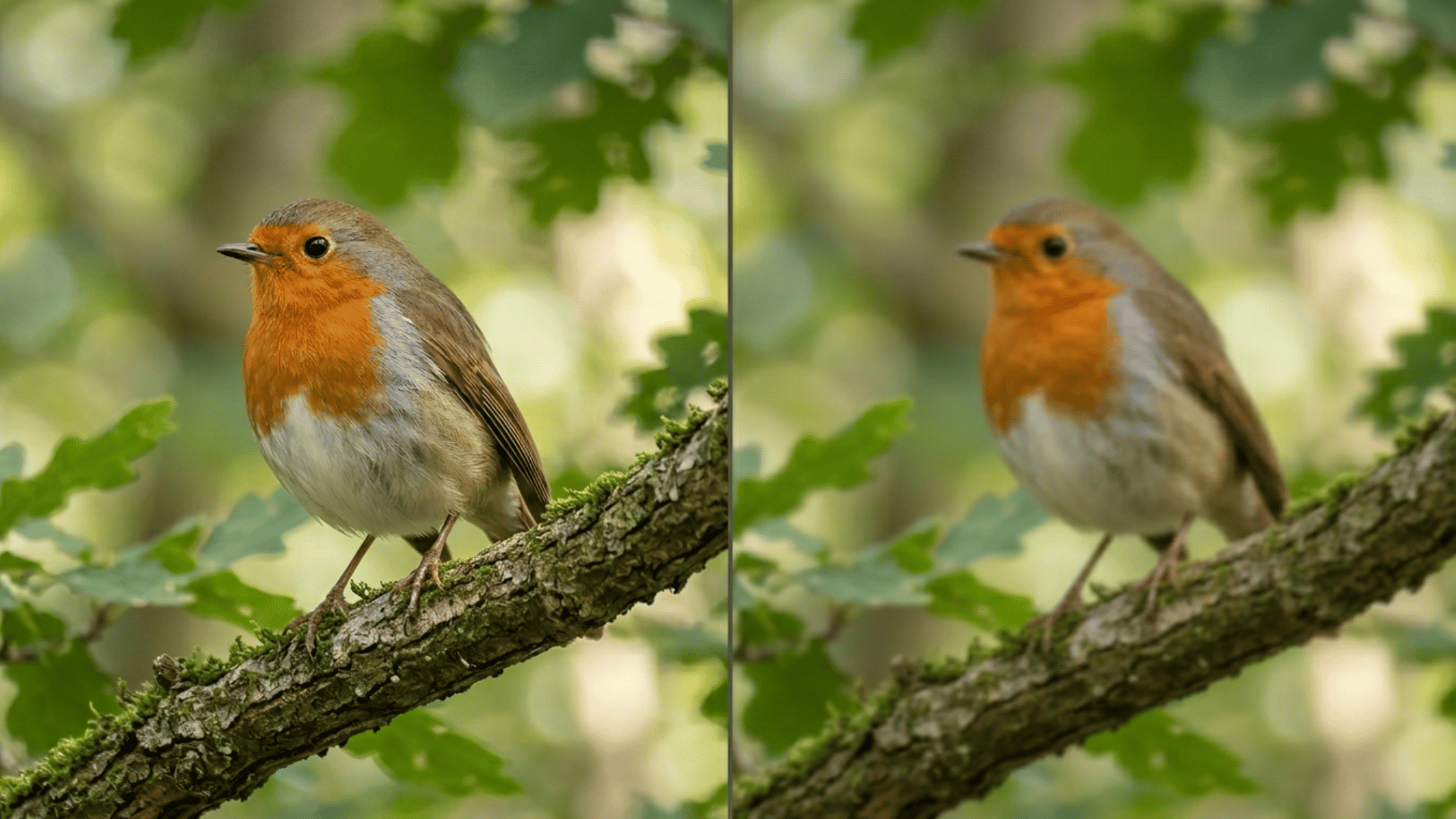
It is a system built directly into the camera body that stabilizes the sensor instead of the lens. This means the camera itself handles all the shake compensation internally.
Because of this, it works with almost any lens you attach, which makes it a very practical feature for both photographers and videographers.
Here is why it matters:
- Sharp Photos in Low Light: Reduces blur caused by hand movement, so images stay clear even without extra lighting or gear.
- Ideal for Travel Photography: Cuts down the need for a tripod, making handheld shooting easier during trips and daily use.
- Smoother Video Footage: Keeps videos steady and less shaky, which is important for creators filming on the go.
- Helpful for Beginners and Pros: Beginners get more stable shots while learning. Professionals can shoot faster in challenging conditions
- More Creative Freedom: Allows use of slower shutter speeds and unique angles without worrying about camera shake ruining the shot.
How IBIS Works in Cameras
As you shoot, your hands naturally produce tiny movements. IBIS detects those movements using gyroscopic sensors and shifts the sensor in the opposite direction to cancel them out.
This all happens in real time, continuously throughout your shot. The result is sharper images and smoother footage, even in low light or tricky shooting conditions.
Most modern IBIS systems correct movement across 5 axes, including side-to-side, up-and-down, and rotational shifts. So it is not just basic shake reduction. It is a pretty thorough stabilization system working behind the scenes.
Types of Camera Stabilization
There are several ways a camera can handle shake and movement. One of them is IBIS, which we already covered above. But that is not the only option out there.
| Type of Stabilization | How It Works | Best For | Limitations |
|---|---|---|---|
| IBIS (In-Body Image Stabilization) | Stabilizes the camera sensor inside the body to reduce shake | Low-light photography, handheld shooting | May be less effective with long lenses |
| OIS (Optical Image Stabilization) | Adjusts lens elements to counteract movement | Telephoto lenses, still photography | Works only with supported lenses |
| EIS (Electronic Stabilization) | Uses software to smooth video by cropping and adjusting frames | Video recording, action shots | Slight loss of image quality due to cropping |
| Dual IS (IBIS + OIS) | Combines both in-body and lens stabilization for better results | Professional photography and video | Requires a compatible camera and lens |
| Gimbal Stabilization | Uses a motorized external device to keep the camera steady | Cinematic video, vlogging | Bulky, needs extra setup, and costs |
Top Camera Picks with IBIS
If you are looking for a camera with solid built-in stabilization, you have plenty of good options.
1. Sony A7 IV
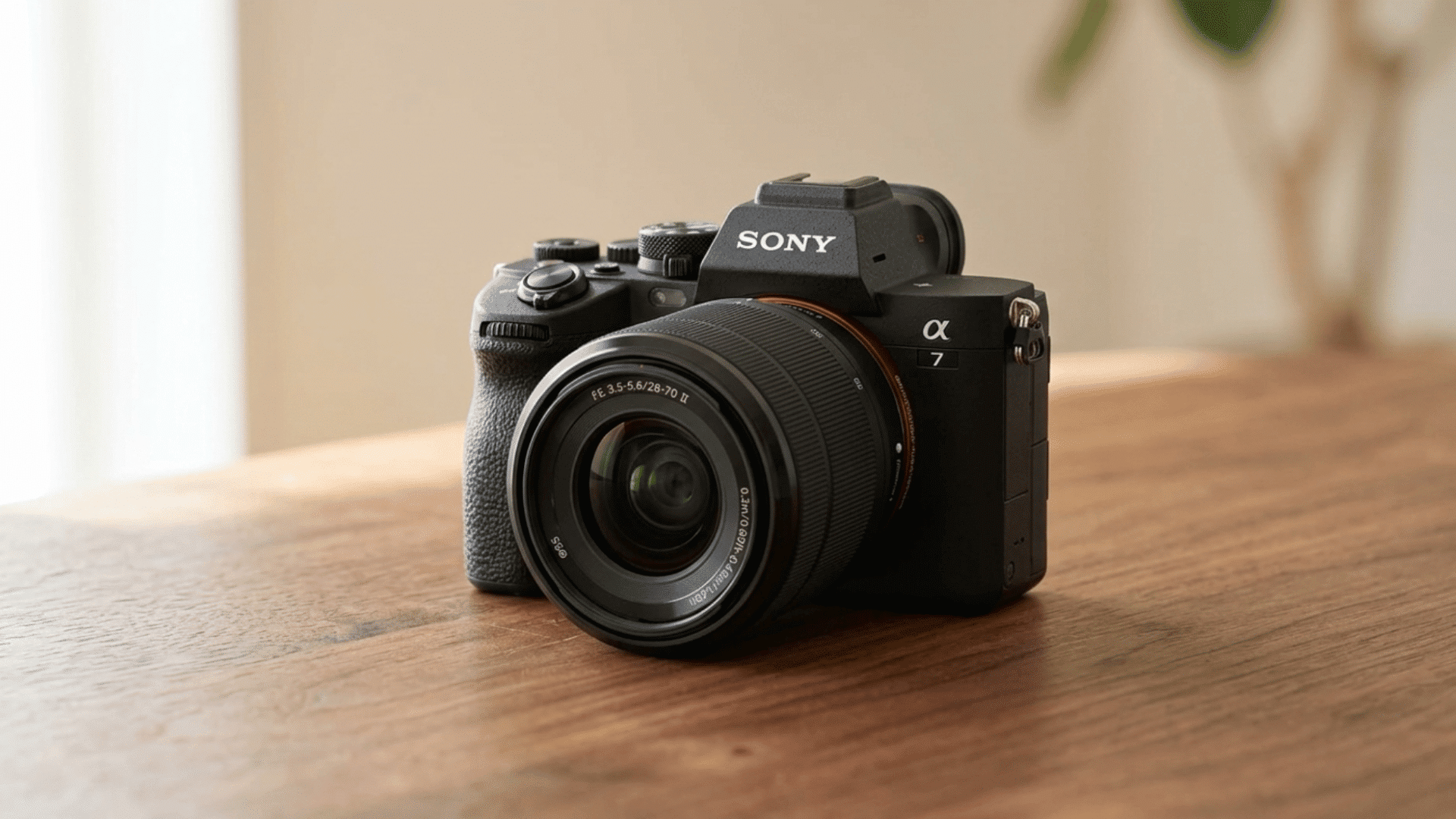
The Sony A7 IV is a solid all-rounder with 5-axis stabilization offering up to 5.5 stops of compensation, making handheld shots more stable. It works well for creators who want reliable performance for both photos and videos.
It handles everyday shooting with ease and delivers consistent results across different scenarios.
- Price Tier: $1,999 (body)
- Best For: All-round photo and video
- Weakness: Video autofocus is less advanced than competitors
2. Canon EOS R6 Mark II
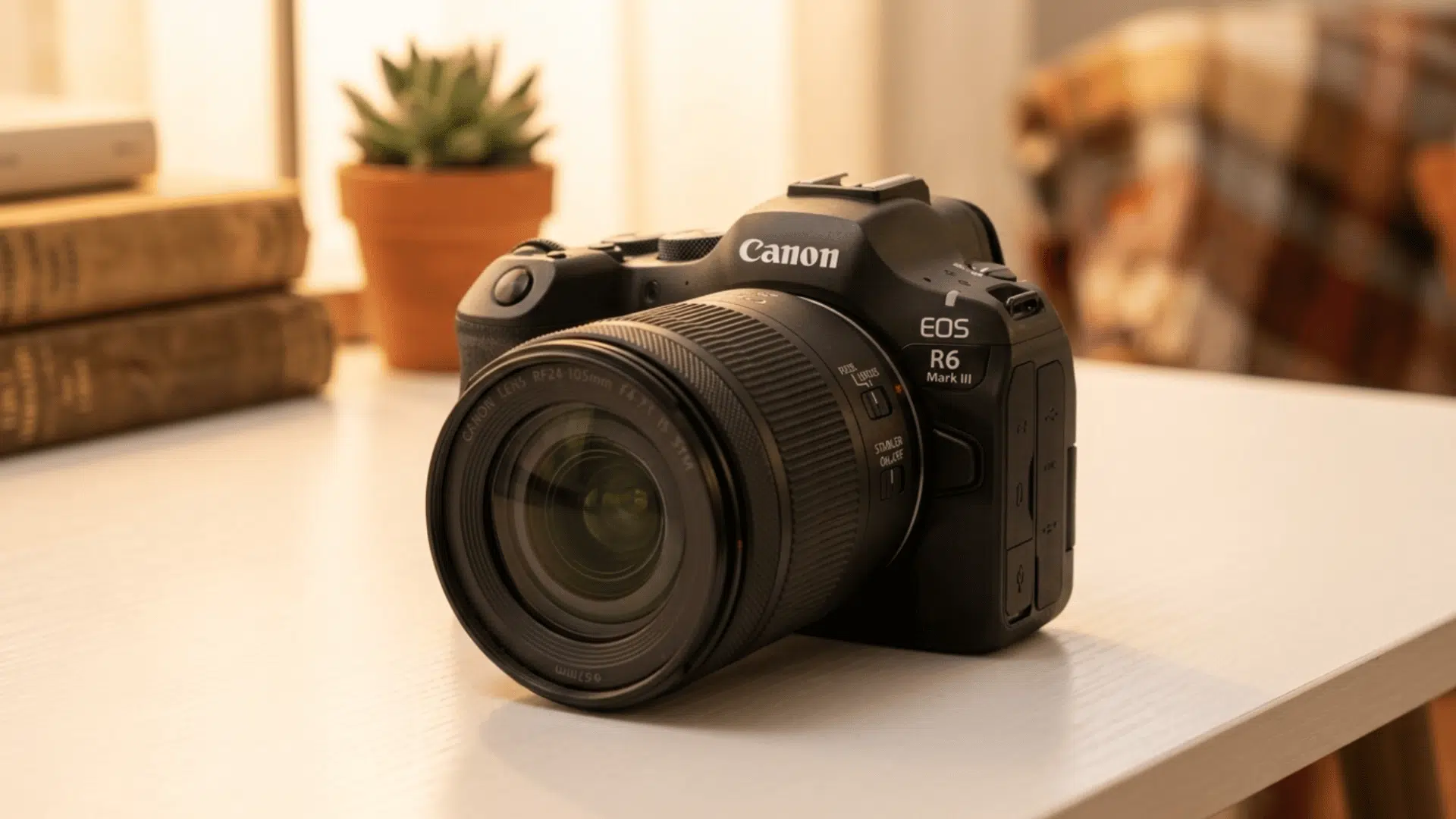
The Canon EOS R6 Mark II camera features up to 8 stops of stabilization with a compatible lens, which is great for low-light and handheld shooting. It’s a strong option for smooth video and sharp images without a tripod.
It also performs well in fast-moving situations, making it useful for events and action shots.
- Price Tier: $2,499–$2,599
- Best For: Low-light and handheld video
- Weakness: Smaller buffer in burst shooting
3. Nikon Z8
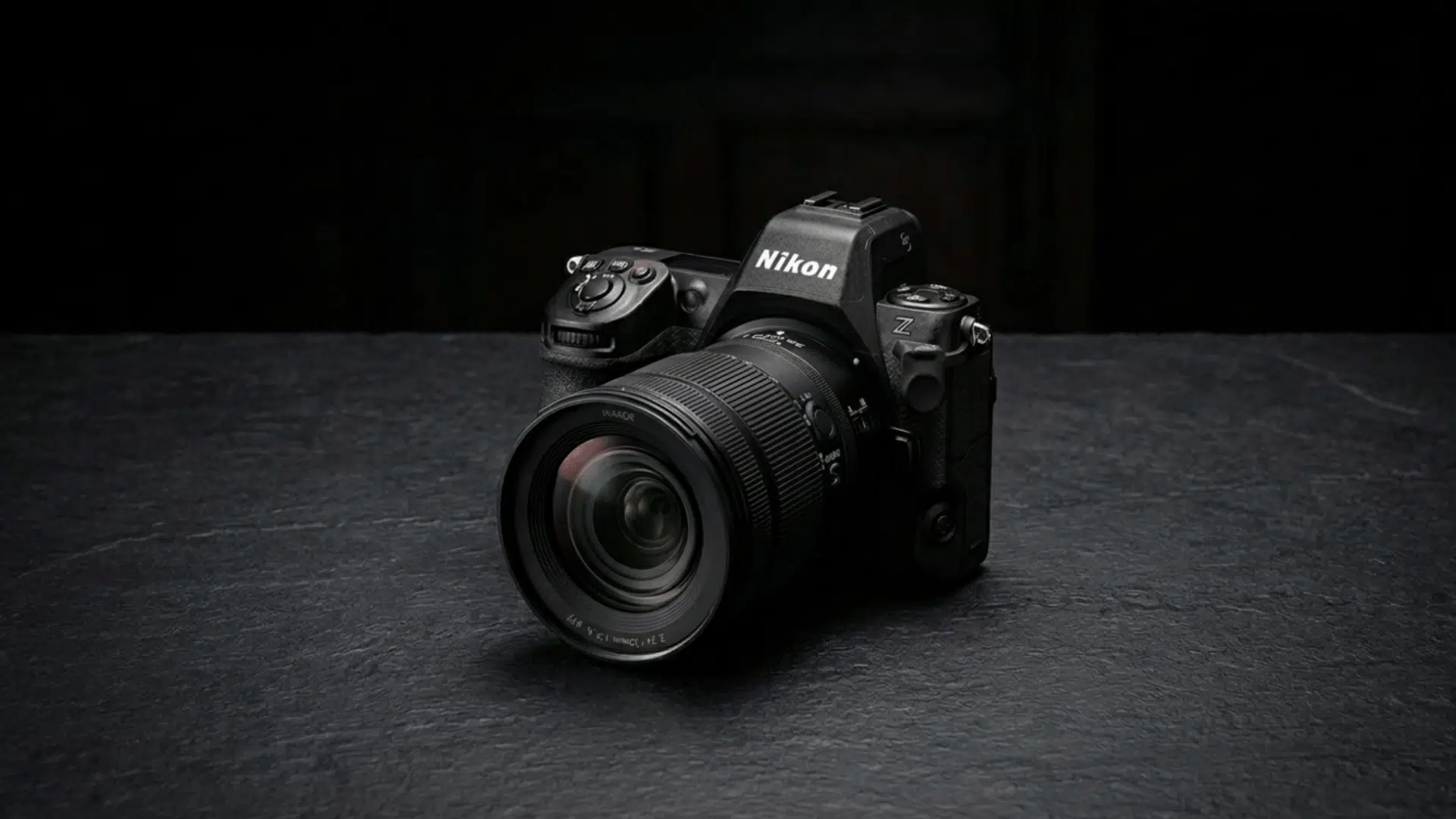
The Nikon Z8 is built with 5-axis stabilization up to 6 stops. This camera delivers steady results even in demanding conditions. It’s designed for photographers who want high-end performance.
The build feels premium and durable, though it may feel heavier during long shoots.
- Price Tier: $3,999
- Best For: Serious photographers and hybrid shooters
- Weakness: Heavier and bulkier than alternatives
4. Panasonic Lumix S5 II
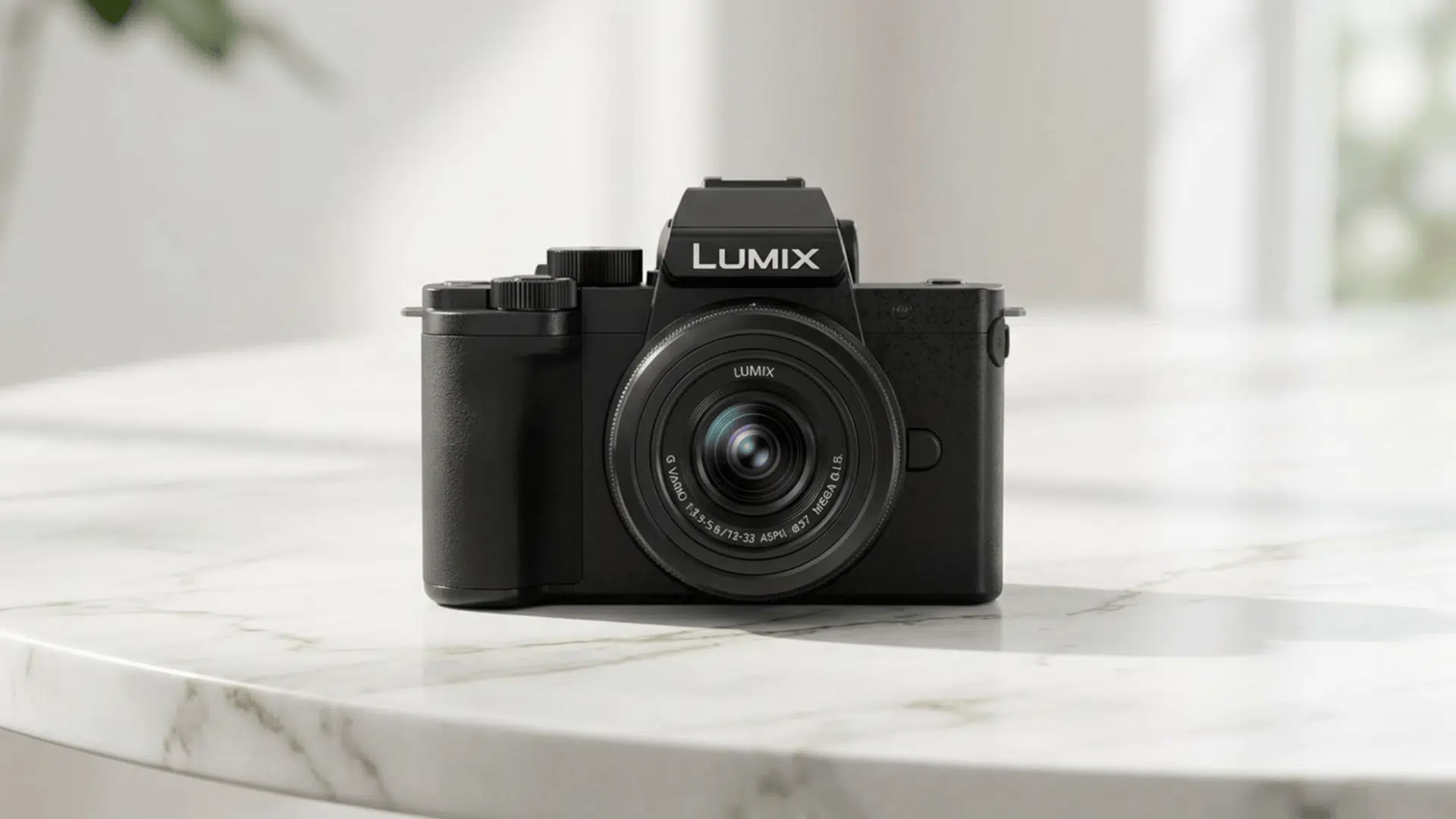
The Panasonic Lumix S5 II uses 5-axis stabilization with strong video performance, making it a great pick for content creators. It helps reduce shake during handheld recording.
Its video tools and features make it a practical option for consistent recording work.
- Price Tier: $1,999–$2,199
- Best For: Videographers and content creators
- Weakness: Photo autofocus is still catching up to Sony/Canon
5. Fujifilm X-H2S
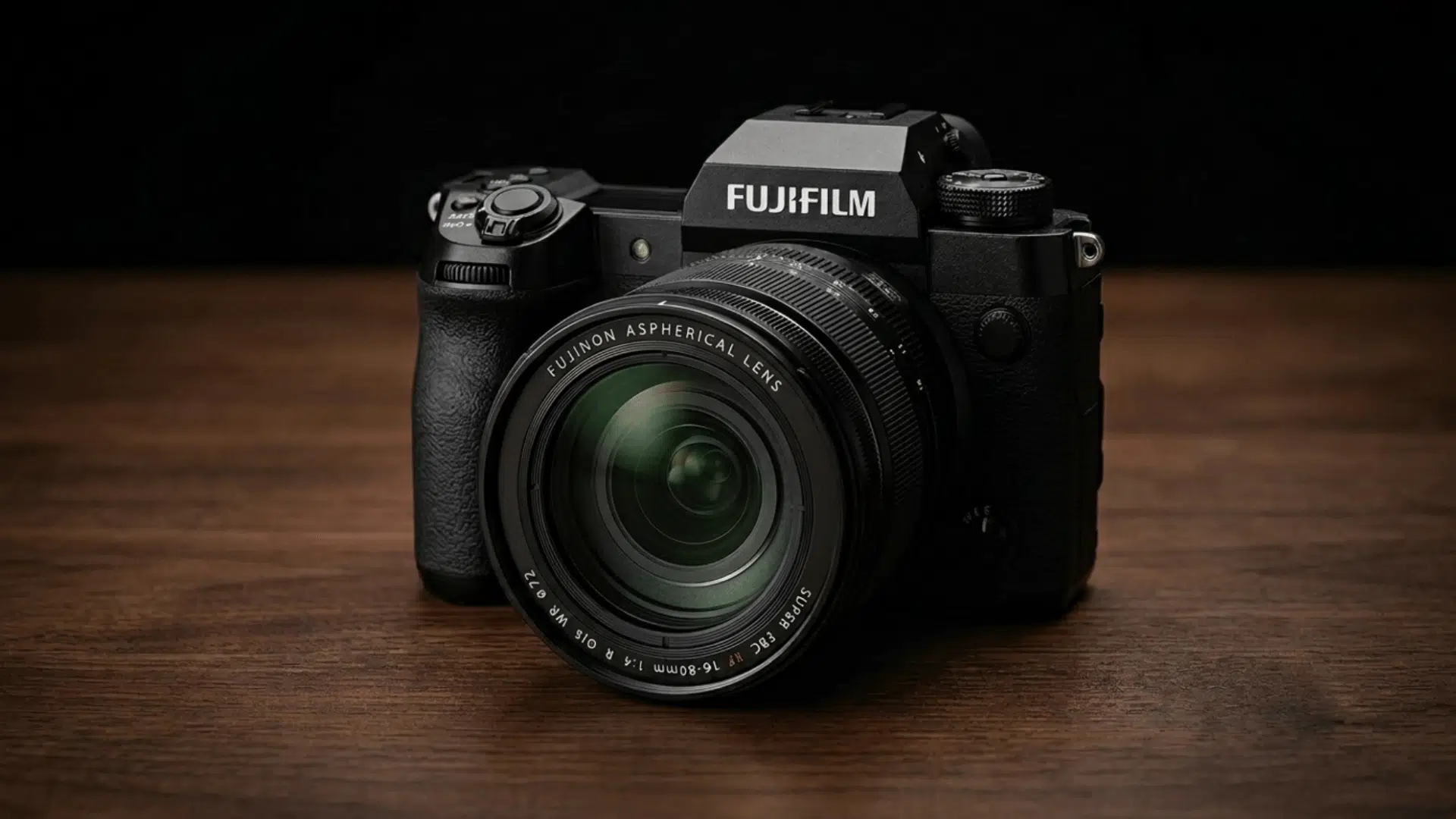
The Fujifilm X-H2S features up to 7 stops of stabilization and an APS-C sensor. This camera offers a good balance of portability and performance. It works well for travel and wildlife photography.
The smaller size makes it easy to carry, especially for long outdoor shoots.
- Price Tier: $2,499
- Best For: Travel and wildlife photographers
- Weakness: Smaller sensor than full-frame options
What is IBIS in Forensic Science and Why is It Important?
In forensic science, IBIS stands for Integrated Ballistics Identification System.
It is a technology used by law enforcement agencies to analyze and match ballistic evidence, mainly bullets and shell casings, found at crime scenes.
The system was developed by a Canadian company called Ultra Electronics Forensic Technology and is now used by law enforcement agencies across the world.
- Helps track repeat offenders who use the same firearm in multiple crimes.
- Matches found through IBIS can be used as reliable forensic evidence in court.
- Helps link multiple crime scenes to the same weapon quickly
- Reduces human error by using automated analysis
- Allows law enforcement agencies to share data across regions to solve more cases
How IBIS Works in Crime Investigation
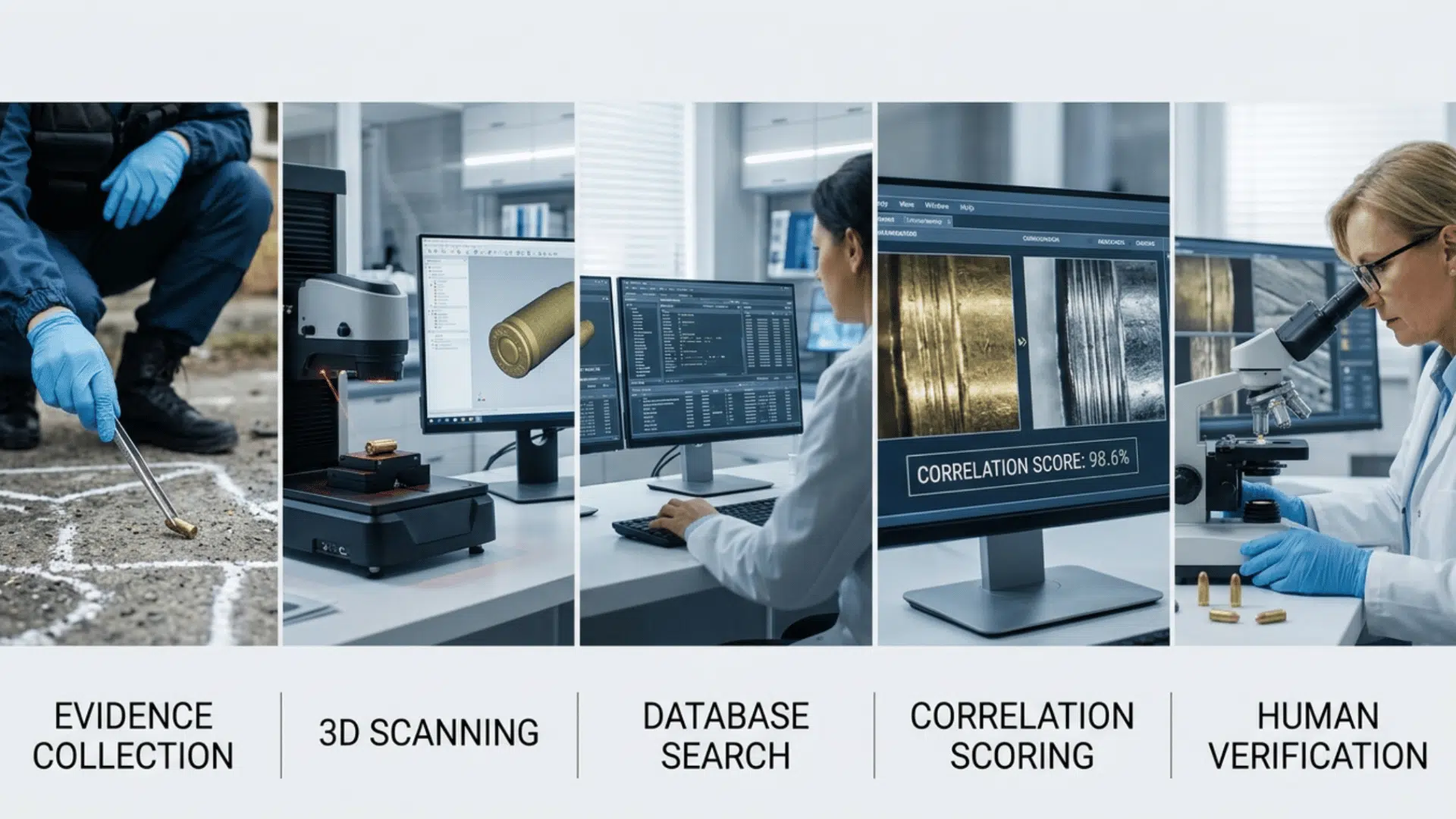
The process is more straightforward than you might think. Here is how it works step by step.
- Evidence Collection: bullets and Shell Casings Are Collected from The Crime Scene and Sent to A Forensic Lab for Analysis.
- 3D Imaging: the Ibis System Creates Detailed 3D Images of The Evidence, Capturing Unique Marks Left Behind by The Firearm During Firing.
- Database Comparison: these Images Are Then Compared Against a Large Database of Previously Recorded Ballistic Evidence to Find Potential Matches.
- Correlation Score: the System Generates a Correlation Score for Each Potential Match, Ranking the Most Likely Candidates for Investigators to Review.
- Human Verification: a Trained Forensic Examiner Then Reviews the Top Matches to Confirm or Rule out A Connection Between the Evidence and A Specific Weapon.
IBIS Camera vs. IBIS Forensics: Quick Comparison
After looking at both meanings of IBIS, it helps to see the differences side by side. This quick table gives a simple overview of how they compare.
| Feature | Ibis Camera | Ibis Forensics |
|---|---|---|
| Full Form | In-Body Image Stabilization | Integrated Ballistic Identification System |
| Main Use | Reduces Blur in Photos and Videos | Compares Bullet and Shell Casing Marks |
| Used In | Cameras and Photography Gear | Crime Labs and Law Enforcement |
| Purpose | Keeps Shots Steady While Shooting | Helps Link Firearms to Crime Scenes |
| Benefit | Sharper Images, Smoother Videos | Faster Case Matching and Analysis |
| Working Method | Stabilizes Sensor Movement Inside the Camera | Analyzes and Matches Ballistic Markings Digitally |
Final Verdict
IBIS is one of those topics that genuinely surprises people when they realize how far it stretches across different fields.
Most come searching for “what is ibis” in one context and end up learning something completely new about the other. And that is honestly the interesting part about it.
Good technology tends to show up in unexpected places, solving problems in ways that are not always obvious at first glance. Both applications of IBIS are solid examples of that.
Hope this gave you a good understanding of IBIS and what it brings to the table in both fields.