




When comparing laptops, whether it’s ASUS vs HP or even models within the same lineup, choosing the right one is not always as straightforward as it seems.
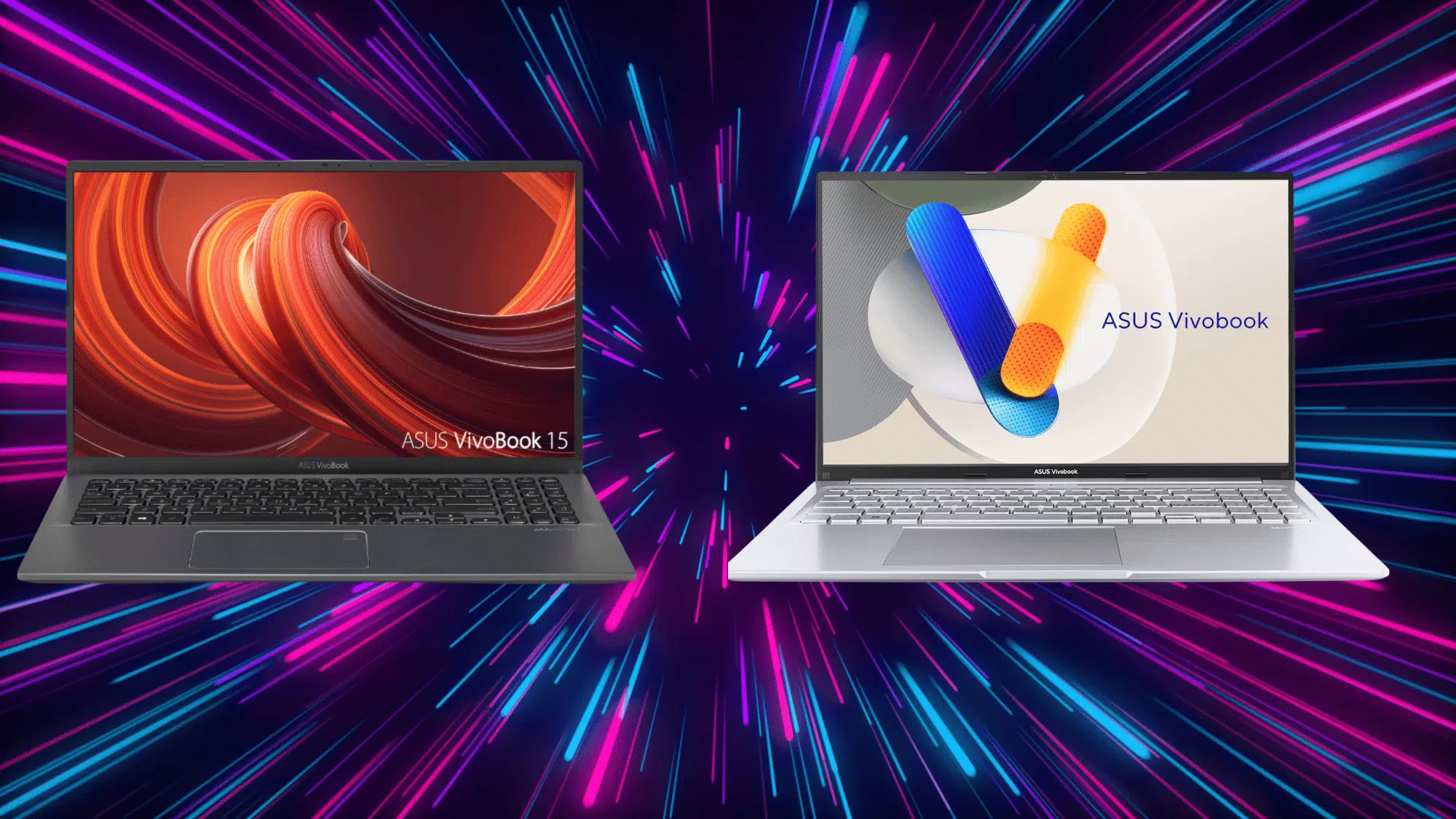
The ASUS VivoBook 16 and VivoBook 15 are both popular choices for students, professionals, and everyday users, but the size difference is just the beginning.
From screen real estate and portability to performance and value, every inch matters.
If the priority is a larger display or a lighter build for life on the go, this comparison breaks down everything you need to make the smartest buy today.
Why Laptop Size Matters More than Specs?
Laptop size plays a bigger role in daily usability than raw specs, something also highlighted in any detailed VivoBook 15 review. While performance matters, the screen size and form factor directly affect comfort, multitasking, and portability.
A larger display makes work easier on the eyes and improves productivity, especially for long sessions. Meanwhile, a smaller laptop is more convenient to carry and better suited for on-the-go use.
Since most laptops already handle everyday tasks smoothly, these practical factors matter more. Ultimately, the right size shapes your overall experience more than minor spec differences.
Key Differences that Actually Impact Your Buying Decision
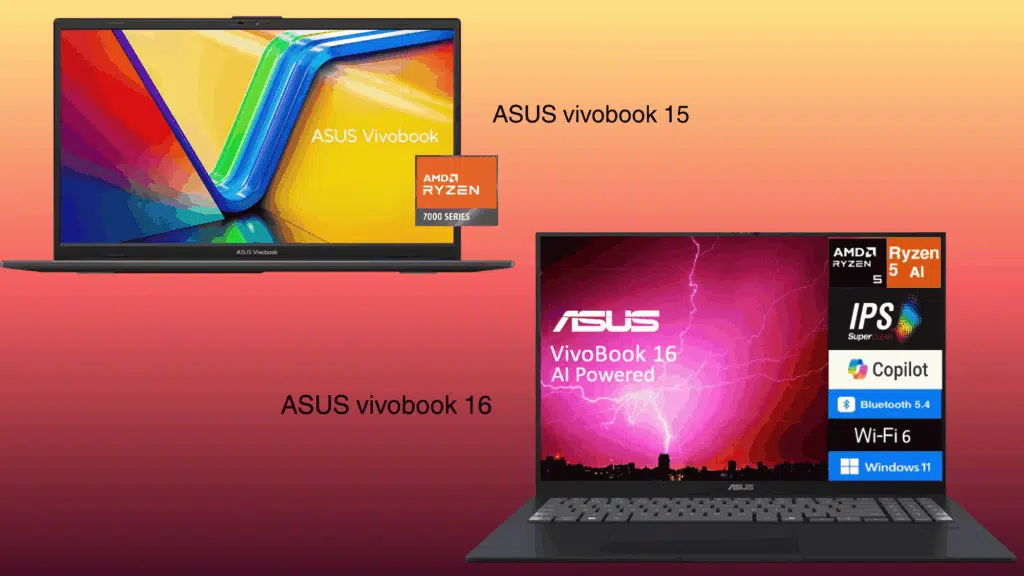
When choosing between the VivoBook 16 and 15, the real differences don’t show up on paper; they’re in how each laptop fits into your everyday routine, comfort, and work style.
Display Experience: Does 0.4 Inches Actually Change Anything?
It sounds negligible, but the difference becomes obvious once you start working.
VivoBook 15
- Better optimized for videos and entertainment
- Familiar and widely used
- Typically sticks to a 16:9 display
VivoBook 16
- More vertical space for documents and coding
- Better split-screen usability
- Less scrolling overall
- comes with a taller display, 16:10 aspect ratio
When the difference matters:
- Coding, writing, spreadsheets → 16-inch feels better
- Netflix, casual browsing → 15-inch is enough
Portability Reality Check: Which One Fits Your Daily Routine?
This is where the decision becomes practical, as the right choice depends less on specs and more on how easily the laptop fits into your daily routine and lifestyle.
Choose the VivoBook 15 if:
- You carry your laptop daily
- You commute, attend classes, or travel frequently
- You often use your laptop on your lap or in tight spaces
Choose the VivoBook 16 if:
- Your laptop mostly stays on a desk
- You work from home or office setups
- You prioritize comfort over portability
Even a small weight difference becomes noticeable over time. The 16-inch model is not “heavy,” but you’ll feel it after a long day.
Ergonomics & Comfort: Typing, Viewing, and Long Sessions
This is where the 16-inch model truly stands out, especially when you consider long-term comfort, usability, and how the extra space enhances your overall working experience.
VivoBook 16 advantages:
- More spacious keyboard layout
- Larger palm rest
- Better viewing distance for long sessions
VivoBook 15 advantages:
- Easier to use on your lap
- More compact for quick, casual usage
If you spend 6–8 hours daily on your laptop, the 16-inch will likely feel more comfortable over time.
Performance & Cooling: Does Size Give the 16 an Advantage?
When it comes to performance, the difference between the VivoBook 16 and 15 isn’t just about specs; it’s also influenced by how each laptop handles heat and sustained workloads.
VivoBook 16
- The larger chassis allows better airflow and heat dissipation
- Delivers more consistent performance during long or heavy tasks
- Experiences less thermal throttling under sustained workloads
- Often available with higher RAM and slightly more powerful configurations
- Better suited for: Editing, heavy multitasking, long working sessions
VivoBook 15
- A more compact body means limited cooling compared to the 16-inch model
- Handles everyday tasks smoothly without issues
- Performance may dip slightly during extended heavy usage
- Ideal for: Browsing, office work, streaming
Price-To-Size Value: Are You Paying More for Inches or Utility?
Price-to-size value depends on the use of the extra screen space. The VivoBook 15 is more affordable and offers great value for everyday tasks, making it ideal for budget-conscious users.
The VivoBook 16, while slightly more expensive, justifies its price with a larger display and better productivity experience. However, if your usage is basic, the added cost may not feel worth it.
Ultimately, it’s a choice between saving money and gaining extra comfort.
- VivoBook 15 price range: $350 – $750
- VivoBook 16 price range: $500 – $800
Vivo Book 16 vs 15: A Quick Takeaway
If you just want a quick answer without overthinking specs, here’s how the VivoBook 16 and 15 compare in real-world usage and who each one is actually best for.
| Feature | VivoBook 15 | VivoBook 16 |
|---|---|---|
| Size & Form Factor | More compact and portable | Larger and more spacious |
| Weight | Lighter, easier to carry daily | Slightly heavier |
| Display | 15.6-inch, standard workspace | 16-inch, more screen real estate |
| Portability | Fits easily in most bags and desks | Less travel-friendly |
| Usage Style | Ideal for on-the-go use | Better for desk-based workflows |
| Work Experience | Good for everyday tasks | Better for multitasking and productivity |
Final Verdict
There is no universal winner here, but there is absolutely a smarter choice depending on what matters most. If mobility and convenience are the priority, the VivoBook 15 is the better buy.
If comfort and productivity the your priorities, the VivoBook 16 is well worth it. Laptops are long-term tools, so instead of asking which one is better, the real question is which one works better for the life being lived every day.
Choose the size that fits the workflow, the lifestyle, and the budget, and that will always be the smartest buy.
Frequently Asked Questions
Which One Feels More Modern in Design?
The VivoBook 16 often feels more modern due to slimmer bezels and a taller display ratio.
Does Screen Size Impact Focus and Productivity?
Yes, a larger screen can reduce the need to switch tabs frequently, helping maintain focus during work.
Which One Is Better for Long-Term Usage (3–5 Years)?
The VivoBook 16 can be a better long-term choice due to improved comfort and usability over extended periods.