

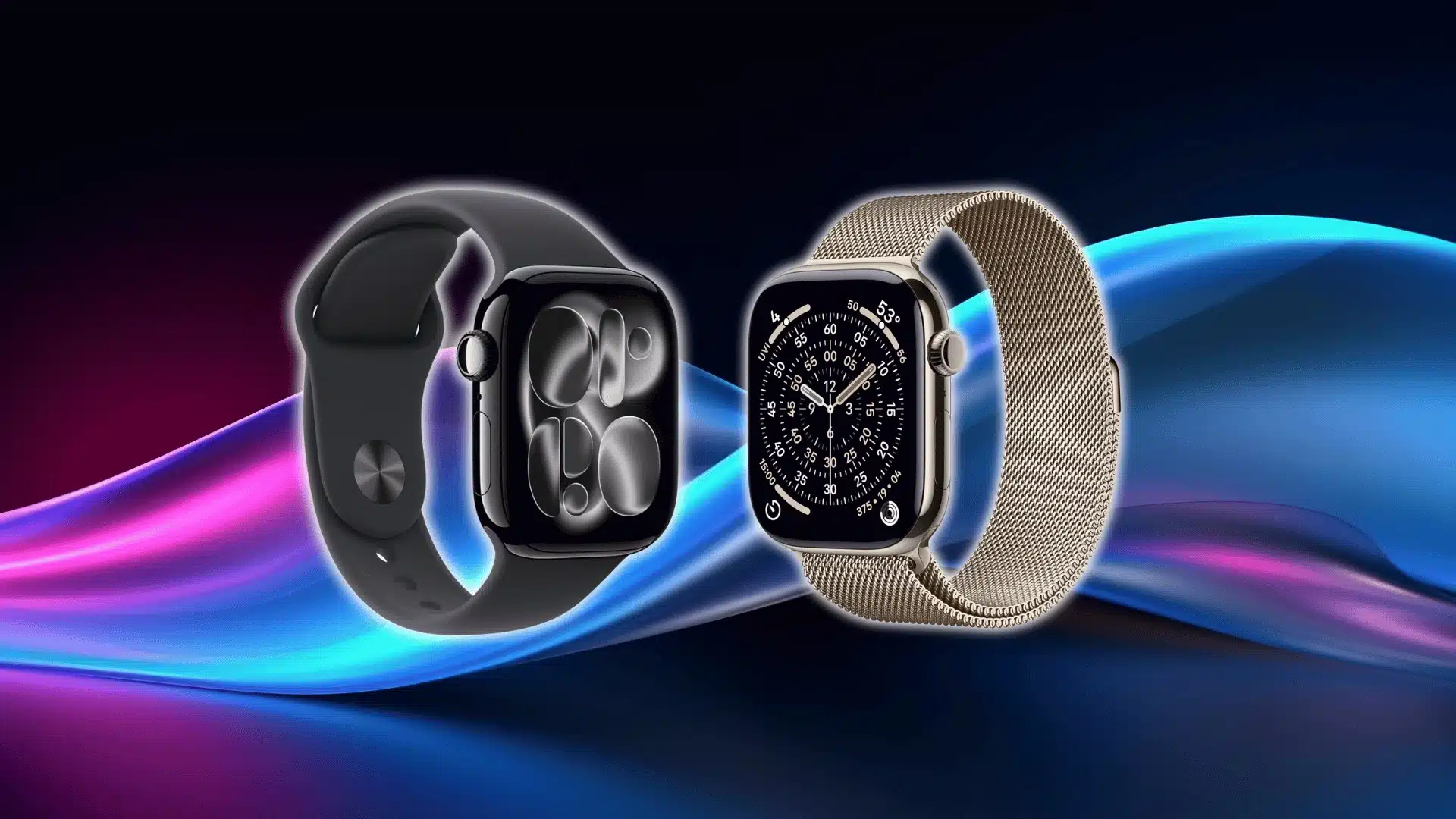

Paying hundreds more for a different Apple Watch case can feel hard to justify. If you are comparing aluminum vs titanium Apple Watch models, the real choice comes down to more than looks.
Weight, screen glass, price, cellular options, and long-term wear can all change how the watch feels in daily use.
I think the best choice depends on what you actually value on your wrist, not which material sounds more premium.
Here, you can compare the key differences, see where each material makes sense, and understand how Series 11 and Series 10 options differ. That makes it easier to choose a watch that fits your budget, routine, and upgrade plans.
Aluminum vs Titanium Apple Watch at a Glance
Aluminum and titanium versions of the same Apple Watch generation share much of the hardware inside. For Series 11, Apple lists the S10 chip, the same display size options, major health sensors, activity tools, safety functions, and watchOS features across both case materials. The meaningful differences are outside the processor.
Aluminum is lighter, starts at a lower price, and can be purchased in GPS or GPS + Cellular versions. Titanium costs more, comes with cellular capability, and uses sapphire crystal instead of Ion-X front glass.
Apple also gives titanium a polished metallic case treatment. If you’re also deciding whether it’s worth stepping up from an older model, a prior-gen upgrade can help frame how much has actually changed between generations.
Those differences matter most when deciding how much weight, screen protection, finish, and long-term ownership are worth paying for.
Aluminum vs Titanium Apple Watch Comparison
The table below puts the major buying differences in one place before looking at each feature more closely.
| Feature | Aluminum Apple Watch | Titanium Apple Watch |
|---|---|---|
| Case Material | Aluminum | Titanium |
| Front Glass | Ion-X glass | Sapphire crystal |
| Weight | Lighter | Heavier |
| Connectivity | GPS or GPS + Cellular | GPS + Cellular |
| Starting Price | Lower | Higher |
| Finish | Sportier, with matte or polished options | Polished metallic finish |
| Best Fit | Value, fitness, sleep tracking | Premium materials, cellular, longer ownership |
For Series 11 specifically, Apple lists Ion-X glass on aluminum cases and sapphire crystal on titanium cases. Titanium also comes with GPS + Cellular as standard, while aluminum lets buyers choose between GPS and cellular versions.
The biggest day-to-day differences are therefore weight, front glass, purchase price, and how the case feels on the wrist.
Key Differences Between Aluminum and Titanium Apple Watch
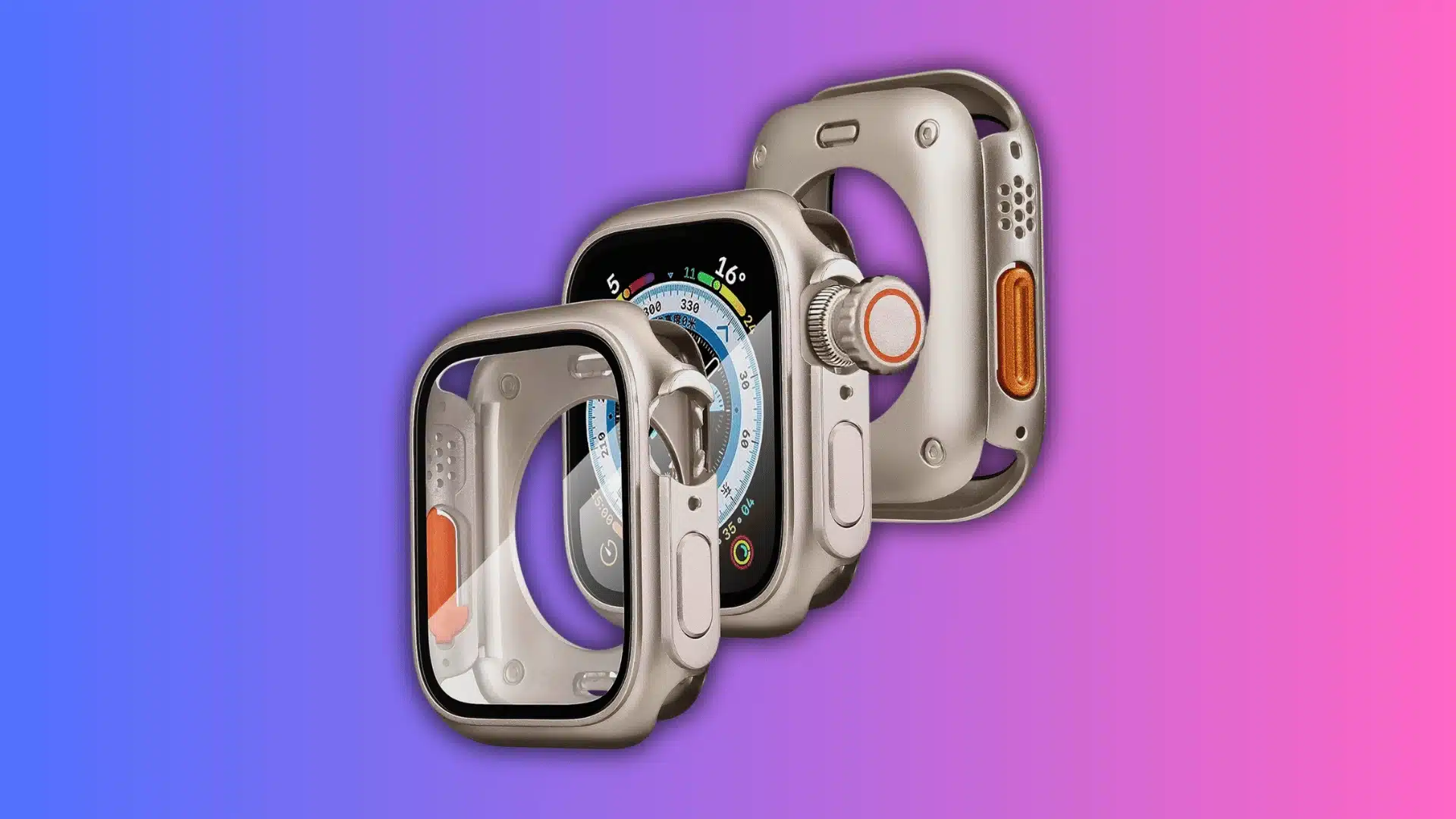
Materials affect more than appearance. They change weight, glass type, price, connectivity choices, and how each version fits different ownership habits.
1. Case Material and Build
The aluminum Apple Watch uses a lightweight metal case that keeps the overall watch relatively light. According to Apple’s current technical specifications, Series 11 aluminum cases use 100% recycled aluminum.
Titanium has a denser and more substantial feel. The Series 11 uses 100% recycled titanium in its titanium case, and Apple describes the current version as polished, aerospace-grade titanium.
Neither material changes the main health, fitness, or smart functions within the same Series 11 generation. The choice mostly changes the physical experience, not what the watch can do.
2. Weight
Aluminum has a clear advantage for buyers who want the lightest option.
For Series 11, the 42mm aluminum GPS model weighs 30.3 grams, while the 42mm titanium version weighs 34.6 grams. At 46mm, the aluminum GPS weighs 37.8 grams, and the titanium weighs 43.1 grams.
That difference is not huge on paper, but wrist wear can make a few grams more noticeable during running, long workouts, or sleep tracking. I prefer the lighter option when a watch stays on for most of the day and night.
Weight matters even more if you’re shopping for an older wearer; a roundup of easy-to-wear senior smartwatches factors in this more deeply.
Titanium suits buyers who prefer some extra weight and a more traditional watch feel.
3. Display Glass and Scratch Resistance
The front glass is one of the strongest reasons to compare these materials carefully.
Series 11 aluminum models use Ion-X front glass. Apple states that the Series 11 Ion-X glass provides twice the scratch resistance of the Series 10 version.
Titanium models use sapphire crystal. Sapphire is harder than common strengthened glass and is valued for its resistance to surface scratches.
That does not mean titanium stays completely free of marks. Sapphire covers the display, while the metal case can still develop signs of use. Buyers concerned mainly about screen scratches may find titanium easier to justify than buyers who already use a screen protector.
4. Durability
Both versions are built for regular daily use, exercise, swimming, and general activity. The material choice should not be treated as a simple “strong versus weak” comparison.
Aluminum keeps weight down and still gives the watch a solid case. Titanium provides a denser metal body and pairs it with a sapphire crystal.
Long-term condition also depends on how the watch is used. A watch worn during manual work, hiking, gym sessions, or frequent travel faces more chances for knocks than one used mainly at a desk.
For Series 11, Apple’s improved Ion-X glass makes the aluminum version more appealing than earlier generations for buyers worried about scratches.
5. Price
Price creates the largest gap between the two versions.
In the U.S., Apple currently lists the Series 11 aluminum starting at $399. Titanium starts at $699 for 42mm, while the 46mm titanium configuration starts at $749.
That means the extra money is not buying a faster chip or a separate set of basic health sensors. Series 11 uses the S10 chip across aluminum and titanium configurations.
The higher cost mainly goes toward the titanium case, sapphire crystal, polished finish, and standard cellular configuration.
For value alone, aluminum has a strong advantage. Titanium becomes easier to justify when several of its physical extras matter at the same time.
6. GPS and Cellular Options
Connectivity can change the price comparison more than expected.
Apple sells Series 11 aluminum in both GPS and GPS + Cellular versions. Titanium comes with GPS + Cellular.
A GPS model works well for someone who usually keeps an iPhone nearby. Cellular can be more useful for running, walking, errands, or other situations where carrying a phone is inconvenient.
Using cellular service can also require a supported carrier and an additional plan, so the case price is not always the only ongoing cost.
Buyers who already want cellular may see more value in titanium than buyers looking only for a basic GPS watch.
7. Finish and Appearance
Aluminum and titanium give the Apple Watch noticeably different visual styles.
Series 11 aluminum comes in Rose Gold, Silver, Space Gray, and Jet Black. Titanium comes in Gold, Natural, and Slate.
Aluminum tends to fit sport bands and casual daily wear well. Jet Black also gives buyers a polished aluminum option rather than limiting aluminum to a matte appearance.
Titanium has a polished metallic surface that pairs naturally with metal bands and dressier straps. I see it as the better match for someone trying to make an Apple Watch feel closer to a traditional metal wristwatch.
Neither finish is automatically better. Band choice, wardrobe, and personal preference matter more here than technical performance.
8. Comfort
Weight numbers only tell part of the comfort story.
Aluminum can feel less noticeable during long wear because the case weighs less. That matters for someone using Apple Watch throughout a full workday, workout, and night of sleep tracking.
Titanium adds several grams, but some buyers prefer that extra presence.
Band weight can change the result too. A heavy metal bracelet on an aluminum watch may feel heavier than a titanium watch paired with a light Sport Loop.
Wrist size and case size are also important. A 42mm titanium model may feel more comfortable on a smaller wrist than a 46mm aluminum model, even though aluminum is the lighter material.
9. Long-Term Wear
Ownership length can help settle the price question.
Someone who replaces an Apple Watch every year or two gets less time to benefit from titanium’s premium case and sapphire crystal. Spending less on aluminum can leave more room for a future upgrade.
Titanium makes more sense when the same watch is likely to stay in use for several years. Better resistance to display scratches can matter more over a longer ownership period, especially for buyers who prefer wearing the watch without a protector.
The decision should still account for battery aging and future software needs. Case material alone does not guarantee a smartwatch will remain useful longer.
Apple Watch Series 11 Aluminum vs Titanium
Series 11 keeps the same two case sizes for both materials: 42mm and 46mm. Both use the S10 chip, offer an Always-On Retina display with up to 2,000 nits peak brightness, and support the same main Series 11 health and fitness hardware.
The material differences are easier to see in the numbers:
| Series 11 Specification | Aluminum | Titanium |
|---|---|---|
| 42mm Weight | 30.3g GPS / 29.7g Cellular | 34.6g |
| 46mm Weight | 37.8g GPS / 36.9g Cellular | 43.1g |
| Front Glass | Ion-X | Sapphire crystal |
| Connectivity | GPS or GPS + Cellular | GPS + Cellular |
| U.S. Starting Price | $399 | $699 |
Apple lists the titanium 46mm configuration from $749.
Series 11 also gives aluminum a stronger position than Series 10 because Apple increased the scratch resistance of its Ion-X glass.
For Series 11, aluminum makes sense for buyers who want the same core watch experience at the lowest price. Titanium is easier to justify for someone already planning to buy cellular and wanting sapphire crystal at the same time.
Apple Watch Series 10 Titanium vs Aluminum
Series 10 remains relevant for buyers comparing discounted older stock with Series 11.
Apple introduced Series 10 in 2024 with 42mm and 46mm aluminum and titanium cases. The aluminum colors were Jet Black, Rose Gold, and Silver, while titanium came in Slate, Gold, and Natural.
Weight differences were similar to Series 11. The 42mm Series 10 aluminum GPS case weighed 30 grams, compared with 34.4 grams for titanium. At 46mm, the aluminum GPS weighed 36.4 grams, and the titanium weighed 41.7 grams.
Series 10 aluminum uses Ion-X glass, while titanium uses sapphire crystal. Both versions also use the S10 chip.
Apple originally launched Series 10 from $399 in the U.S.
For a discounted Series 10 purchase, the price gap matters more than the original list price. A heavily reduced titanium model can be a strong buy, while a titanium unit priced close to current Series 11 money may be harder to justify.
Which Apple Watch Material Fits Different Buyers?
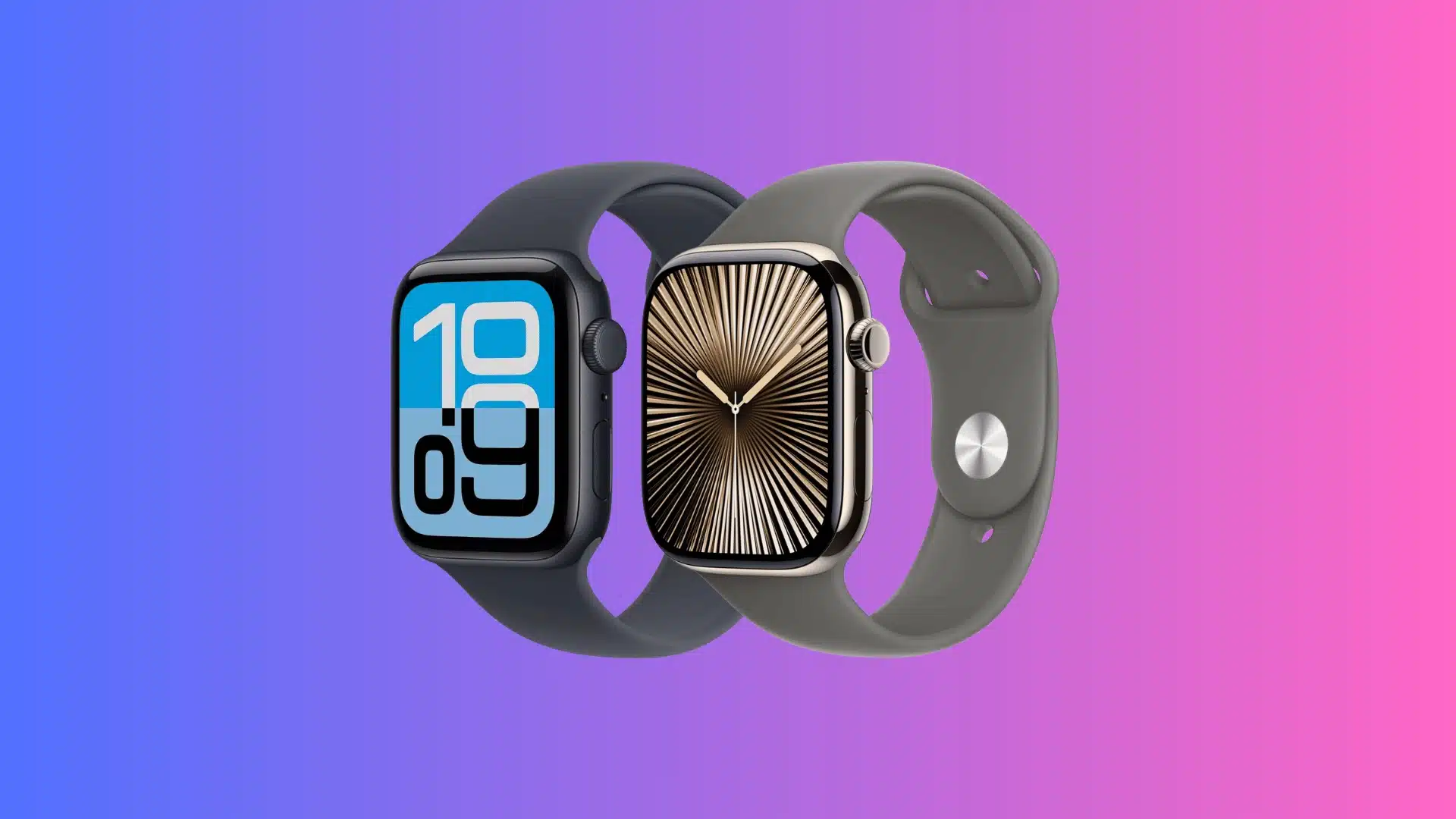
The better choice becomes clearer when the comparison is based on actual use rather than case material alone.
Choose Aluminum If
Aluminum works best when low weight and price matter more than premium case materials.
- Lower Price: The aluminum Series 11 starts hundreds of dollars below titanium, making it the stronger value option.
- Lightweight Wear: Lower case weight can feel better during workouts, running, and long daily use.
- Sleep Tracking: A lighter watch can be less noticeable when worn overnight.
- Frequent Upgrades: Paying less makes sense for buyers who replace their Apple Watch regularly.
- GPS Is Enough: Aluminum offers a GPS-only option for buyers who normally keep an iPhone nearby.
For many buyers, aluminum provides the important Apple Watch functions without making the case material a major part of the purchase price.
Choose Titanium If
Titanium is better suited to buyers who value physical materials and connectivity.
- Sapphire Glass Matters: Titanium uses sapphire crystal instead of Ion-X front glass.
- Premium Case Feel: The denser metal gives the watch more weight and a more substantial presence on the wrist.
- Cellular Is Needed: Series 11 titanium includes GPS + Cellular rather than offering a GPS-only version.
- Long Ownership: Paying more can make greater sense when the watch is expected to stay in use for several years.
- Metal Bands Are Preferred: The polished titanium case can pair well with bracelets and other dress-focused bands.
Titanium is mainly a materials upgrade. Buyers should not expect the case choice alone to add faster everyday performance.
Aluminum vs Titanium Apple Watch: Which Should You Buy?
Choose aluminum if price, low weight, workout comfort, or frequent upgrades matter most. It provides the core Apple Watch experience at a much lower starting price, and Series 11 gives its Ion-X glass improved scratch resistance compared with Series 10.
Choose titanium if sapphire crystal, polished metal, cellular connectivity, and a more substantial case matter enough to justify the added cost.
The simplest way to decide is to ignore the material name for a moment. Ask which paid extras actually change daily use. If sapphire glass and standard cellular both matter, titanium has a clearer case. If they do not, aluminum keeps far more money in the budget without giving up the main Series 11 functions.
Final Thoughts
The right Apple Watch case depends on what matters most once it is on your wrist every day. Aluminum gives you a lighter feel, a lower starting price, and more flexibility with GPS or cellular options.
Titanium adds sapphire crystal, a more substantial case, and cellular as standard on models.
I think the aluminum vs titanium Apple Watch choice becomes simpler when you focus on comfort, screen protection, ownership length, and cost instead of the material name alone.
If you upgrade often, aluminum may make more sense. If you plan to keep the watch longer, titanium can be easier to justify. Compare the current sizes and prices, then share which material best fits your needs.
Frequently Asked Questions
Is the titanium Apple Watch better for people with metal allergies?
Titanium is naturally hypoallergenic and nickel-free, making it a safer choice for sensitive skin than certain aluminum cases or metal bands.
Do aluminum and titanium Apple Watches come in the same case sizes?
Yes, titanium and aluminum Apple Watches come in identical case sizes, so sizing doesn’t affect which material you choose.
Does the case material affect water resistance for swimming?
Both materials share identical water resistance ratings, so swimming, showering, or sweating won’t cause added risk with either aluminum or titanium.
Does titanium affect cellular signal or GPS accuracy compared to aluminum?
Case material doesn’t affect cellular or GPS performance; both use the same antenna design, so connectivity quality stays consistent across models.