

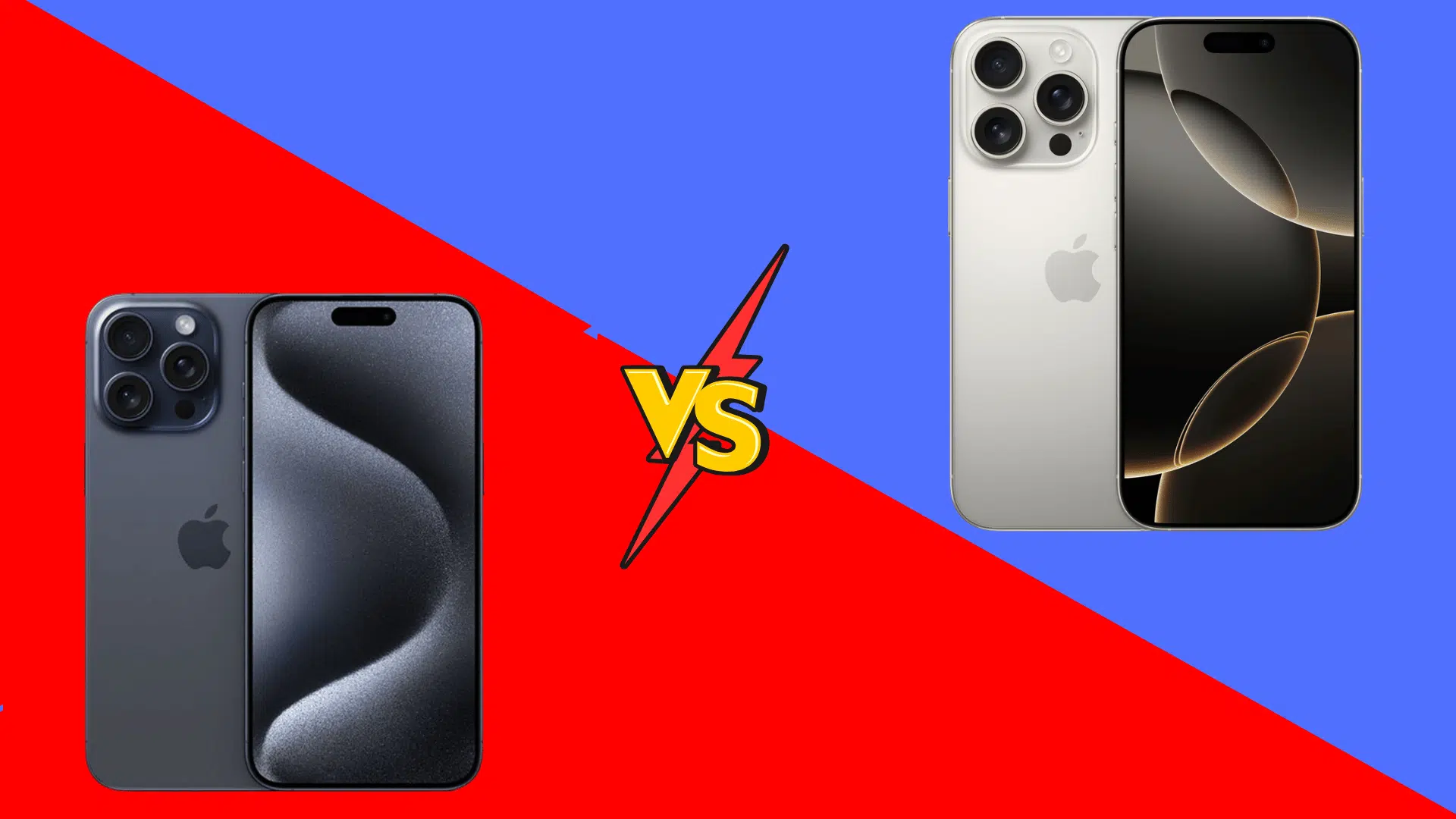
Trying to decide between the iPhone 15 Pro and iPhone 16 Pro? You’re not alone, and the answer isn’t as obvious as it looks on paper.
The two phones share the same titanium build and 120Hz display, so it’s easy to assume the upgrade isn’t worth thinking about.
But a few real differences separate them, especially now that the 15 Pro is no longer sold new by Apple.
In this piece, I’ll walk you through what actually changed in design, performance, and camera quality between the iPhone 15 Pro and iPhone 16 Pro, and help you figure out which one fits how you actually use your phone.
Design and Display: What Actually Changed
I’ve held both phones side by side more times than I can count. The physical changes are small on paper. But they add up in ways you notice once you’re using the phone every day.
Here’s a quick snapshot before I get into the details.
| Spec | iPhone 15 Pro | iPhone 16 Pro |
|---|---|---|
| Display | 6.1-inch, 120Hz | 6.3-inch, 120Hz, thinner bezels |
| Weight | 187g | 199g |
| Build | Titanium, matte glass back | Titanium, matte glass back |
| Water Resistance | IP68 | IP68 |
That table covers raw numbers, but what matters is how they feel in daily use.
The size gap sounds tiny, just grams and a fraction of an inch, but one-handed users will feel that weight by day’s end. My wrist noticed it before my eyes did.
The screen grew from 6.1 to 6.3 inches, giving more room for text and video without adding real bulk.
The 16 Pro’s bezels shrank by roughly 30 percent, giving you more usable screen without a bigger phone, a change you only spot going back to the older model.
Materials stay identical between both, same titanium frame, glass back, and IP68 rating, so durability won’t decide this one.
Performance, Battery and Thermals
This is the section people actually argue about on Reddit. And for good reason, because the changes here go deeper than a spec sheet number.
1. Chip Speed in Real Use
The A18 Pro clocks in at up to 4.05 GHz, up from 3.78 GHz on the A17 Pro.
On paper, that sounds like a modest bump. In practice, you won’t feel it during texting, scrolling, or browsing. It shows up with sustained work.
Editing 4K video, playing graphics-heavy games for long stretches, or running multiple apps side by side. That’s when the extra headroom actually earns its keep.
2. Why the 16 Pro Runs Cooler?
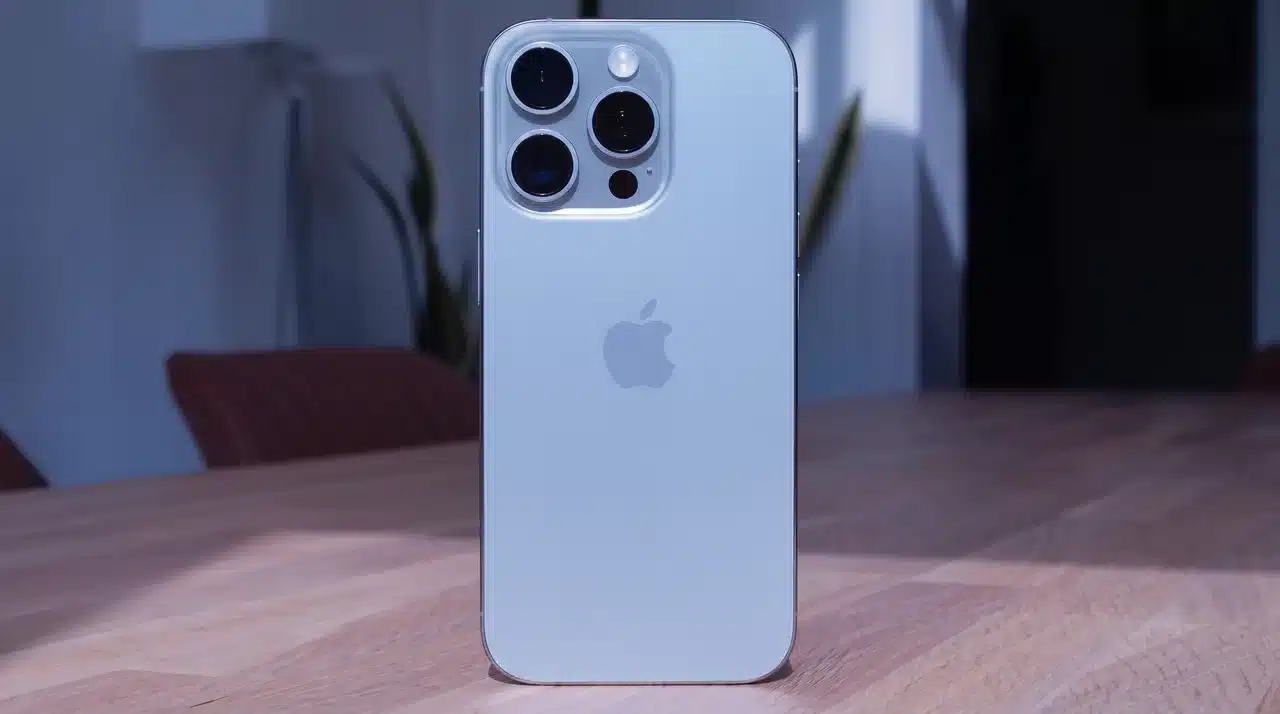
Heat management is the real story behind the performance gap most people never think to ask about.
- Apple redesigned the thermal architecture: the change is in the internal heat spreading, not just the chip itself.
- The 15 Pro’s titanium body held more heat than expected: heavy use pushed it warmer than Apple’s earlier titanium claims suggested.
- Gaming and long video calls made the 15 Pro noticeably warm over time: that heat buildup caused performance to dip the longer a heavy task ran.
- Better internal heat spreading lets the 16 Pro’s chip run faster without hitting that same ceiling: Apple’s own iPhone 16 Pro announcement credits this to the A18 Pro’s new architecture and second-generation 3-nanometer build.
Worth flagging: independent lab testing has found the 16 Pro can also throttle down a little faster than the 15 Pro under the most extreme, uninterrupted stress tests, even though it wins the raw benchmark numbers.
In everyday gaming and video editing sessions, that’s rarely the difference you’ll notice.
But if you run marathon 3D-rendering sessions back to back, don’t expect a flawless win across every scenario. Whether this gap matters to you comes down to how demanding your daily phone use actually is.
3. Battery Life and Charging
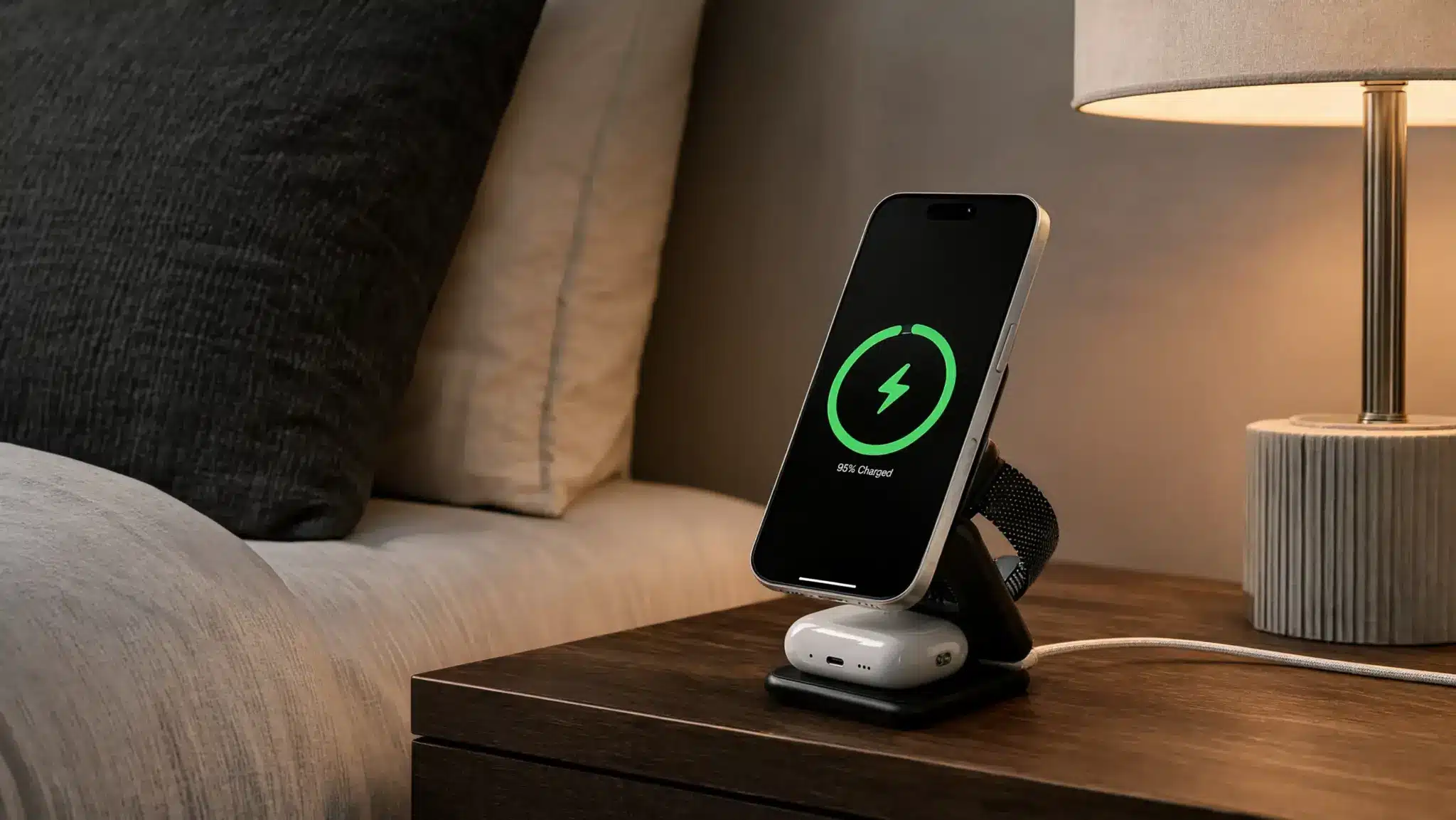
Battery life moved from roughly 9 hours of active use on the 15 Pro to about 10 hours on the 16 Pro. That’s a real gain, but it’s closer to an extra hour than a full extra day.
Wireless charging got a bump too. MagSafe now supports 25W on the 16 Pro, up from the slower speeds on the 15 Pro.
If you charge wirelessly overnight, this won’t change much. If you top up quickly between meetings, you’ll notice it.
Camera and Camera Control Differences
Three things changed here. One is a convenience upgrade. One is the spec people actually care about. One only matters if you shoot a specific kind of photo.
1. Camera Control Button
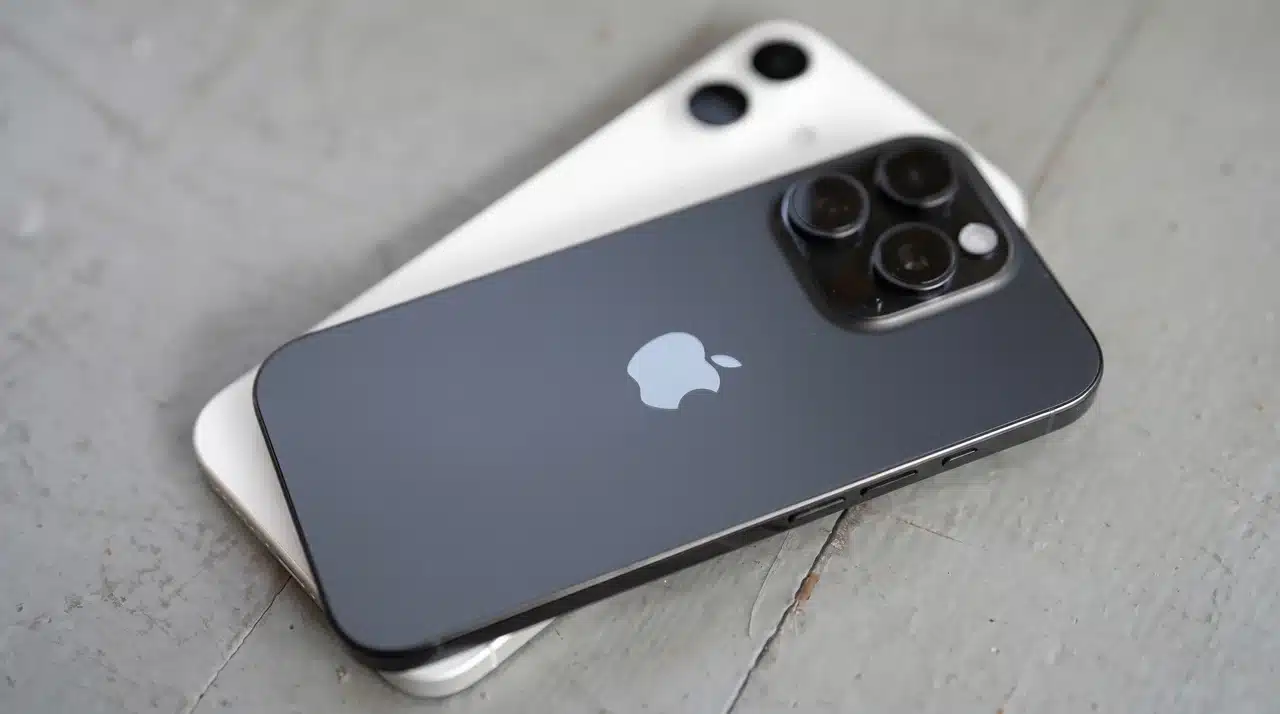
The 16 Pro added a dedicated capacitive button on the side for the camera. A light press opens the camera app instantly.
A firmer press lets you adjust zoom or trigger the shutter without touching the screen.
It’s a small thing until you’re trying to catch a moment fast. Fumbling to unlock your phone and tap the right icon costs you a second or two.
That’s often the difference between getting the shot and missing it. The 15 Pro doesn’t have this button at all.
2. Zoom and Ultrawide
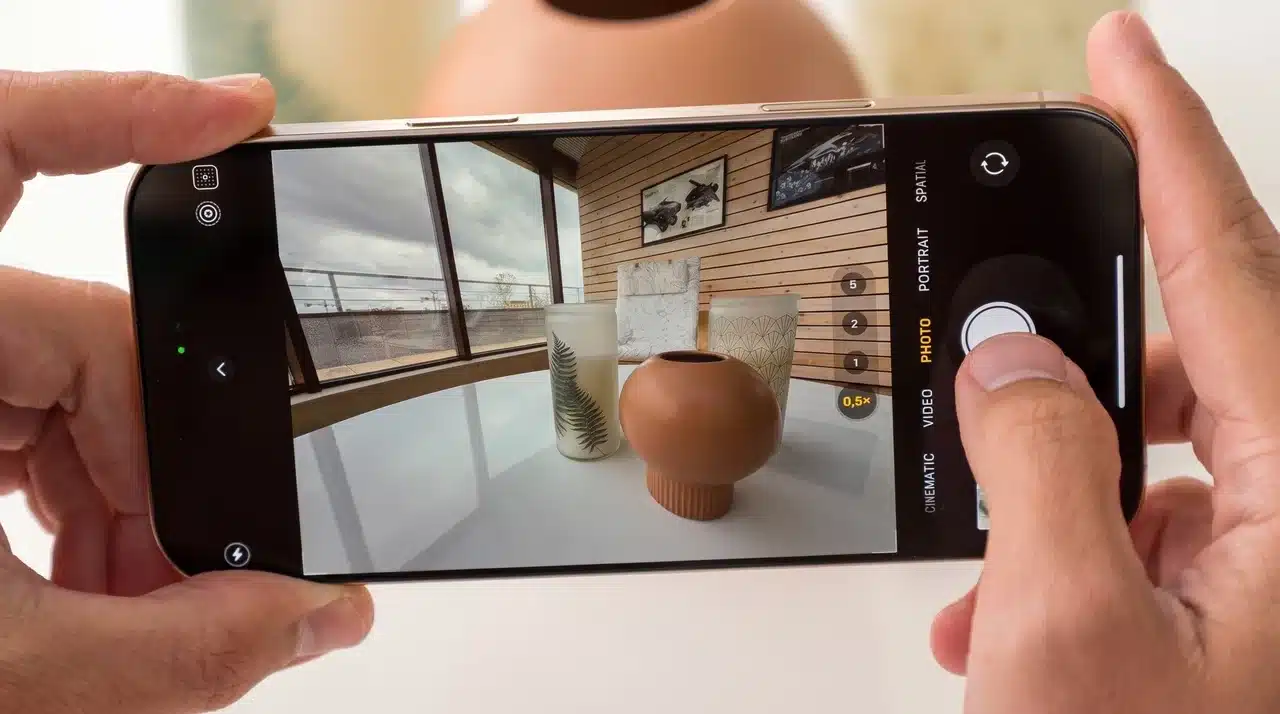
This is the spec that comes up most in Reddit threads about upgrading. The 15 Pro tops out at 3x optical zoom, while the 16 Pro brings the 5x tetraprism lens down from the Max models into the standard size.
- The 15 Pro caps at 3x optical zoom, often requiring you to crop in editing to get the framing you actually want from a distance.
- The 16 Pro’s 5x tetraprism lens usually removes that cropping step entirely, giving you a tighter shot straight out of the camera.
- The ultrawide sensor jumped from 12MP to 48MP, which barely changes typical wide landscape shots but adds real value elsewhere.
That extra resolution helps most with close-up and macro shots, letting you crop into small details without losing sharpness.
If you never zoom past 1x and skip close-up shots, this upgrade won’t matter much. If either describes how you shoot, it’s the strongest reason to pick the 16 Pro.
3. Video Recording
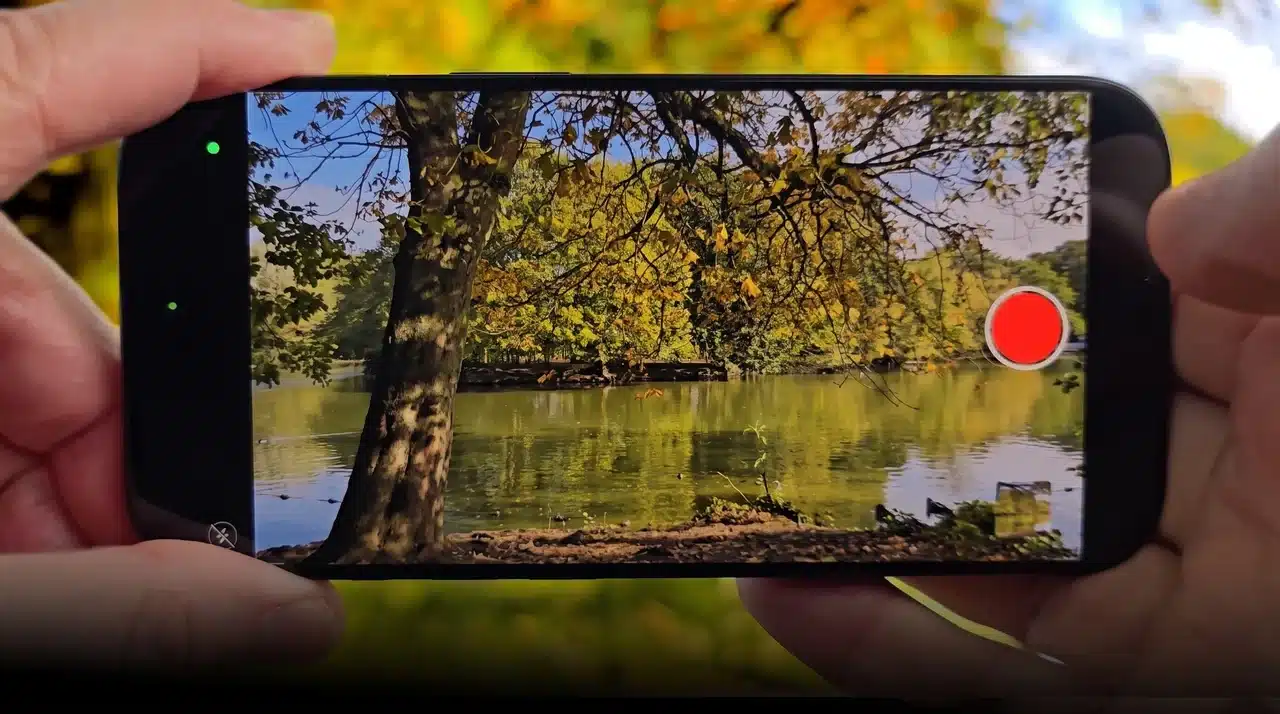
Both phones shoot 4K video without issue. The 16 Pro adds one extra option: 4K at 120fps for high-frame slow motion.
If you shoot slow-motion clips regularly, this gives you more detail to work with when you slow the footage down. If you don’t shoot slow motion often, this won’t factor into your decision at all.
Apple Intelligence: One Thing that Isn’t Actually a Differentiator
You’ll see plenty of comparison posts claim that Apple Intelligence needs the 16 Pro. That’s outdated.
Apple’s own compatibility page lists the iPhone 15 Pro right alongside the 16 lineup as Apple Intelligence-enabled.
Both phones run the same on-device writing tools, notification summaries, and photo cleanup features once you’re on a current iOS version.
If AI features matter to you, the deciding factor isn’t which Pro model you own; it’s keeping iOS updated. Neither phone needs an upgrade just to unlock Apple Intelligence.
Which iPhone Should You Actually Buy?
For most people upgrading right now, the iPhone 16 Pro is the better buy, and the iPhone 15 Pro is the smarter one if your budget is tight.
The 15 Pro is discontinued at Apple, so your real choice today is a new 16 Pro versus a used or refurbished 15 Pro, not two current models at the same price.
- Pick the 16 Pro if you shoot photos at a distance: photographing kids, sports, or wildlife makes the 5x zoom worth it on its own.
- Pick the 16 Pro if you run heavy apps or edit video often: cooler thermals mean fewer slowdowns during exactly those tasks.
- Pick a used 15 Pro if your budget is tight: the savings usually outweigh what you give up in zoom and thermals, and you won’t lose access to Apple Intelligence (see below).
- Either phone works if you mostly text, browse, and take casual photos: let the price difference drive the decision instead.
- Pick the 16 Pro if you want the Camera Control button for faster shooting: there’s no workaround on the 15 Pro.
Match the phone to how you actually use it, not to which one launched more recently.
Conclusion
The iPhone 15 Pro vs iPhone 16 Pro choice comes down to small upgrades that matter more for some people than others.
The 16 Pro is the better pick if you care about longer zoom, cooler performance during heavy use, faster camera access, and a slightly bigger display.
The 15 Pro still makes sense if you mostly browse, message, take casual photos, and can find a clean refurbished unit at the right price.
I would not upgrade just for Apple Intelligence, since both phones support it. Compare the real price gap first, then decide based on your camera habits and daily workload.
Which one feels like the better value to you? Share your pick in the comments below.
Frequently Asked Questions
Why Is the iPhone 15 Pro Discontinued?
Apple pulled the 15 Pro from its lineup once the 16 Pro launched, which is standard practice whenever a new Pro model arrives. You can still find it through carriers, third-party sellers, and the used market, just not directly from Apple. Refurbished units are usually the safest way to buy one secondhand today.
Does the iPhone 16 Pro Overheat as the 15 Pro Did?
No, Apple redesigned the internal thermal setup in the 16 Pro. It handles heavy tasks like gaming or video editing with less heat buildup and less slowdown than the 15 Pro. Independent lab tests do show it can still throttle slightly faster under the most extreme, sustained stress tests.
Is the iPhone 16 Pro Worth the Upgrade From the 15 Pro?
For most people, not really. The differences are real but small day-to-day. It’s worth it mainly if you need the longer zoom, better sustained thermals, or the Camera Control button. Apple Intelligence isn’t a reason to upgrade, since it already runs on the 15 Pro too.
Which is Better, the iPhone 16 or the iPhone 15 Pro?
The 15 Pro wins on camera hardware and build quality since it’s the Pro-tier model with 3x optical zoom and LiDAR. The standard 16 offers newer chip performance and a lower price, but skips the Pro camera system. Apple Intelligence runs on both, so that’s a wash either way.
Is the iPhone 16 Pro Still Worth Buying Now?
Yes, if you’re choosing between it and a 15 Pro. It still runs current iOS updates, supports Apple Intelligence, and its resale value has dropped enough to make it a reasonable buy. Just confirm current retail and used pricing before you commit, since both shift often.