

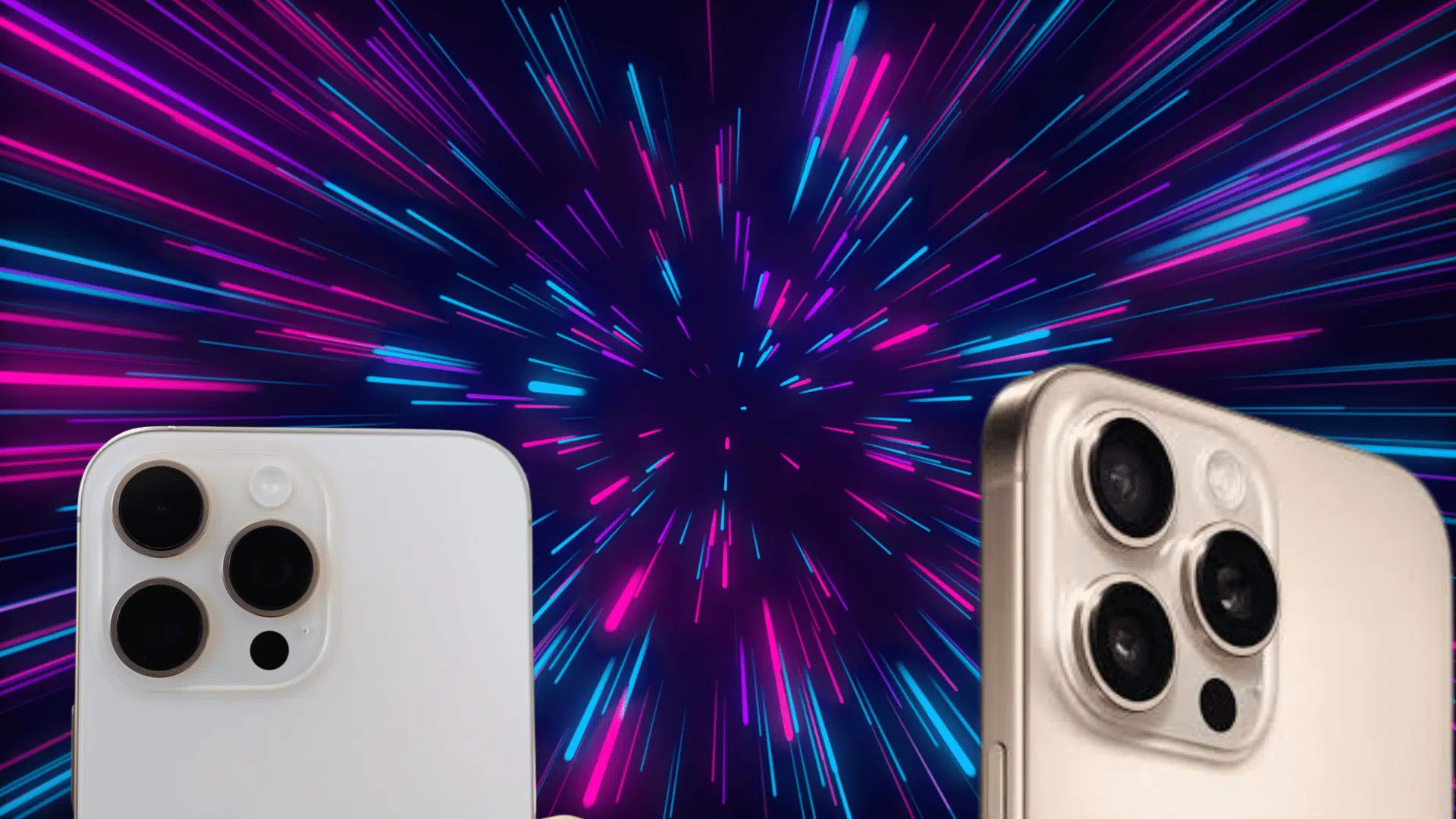

Upgrading your phone for the camera sounds simple, but with the iPhone 16 Pro camera, it’s not always clear what’s actually new and what’s just minor changes.
Every year brings improvements, yet not all of them feel noticeable in daily use.
That’s where most people get stuck. Specs look better on paper, but real-world performance tells a different story. In this blog, I’ll break things down in a simple way.
You’ll see what’s improved, how it compares to older models, and whether it’s worth your money based on how you actually use your camera.
iPhone 16 Pro Camera: What to Know First
The iPhone 16 Pro camera continues Apple’s usual approach, focusing more on consistent results than just pushing higher numbers on paper.
Instead of major hardware changes every year, much of the improvement comes from image processing, which helps deliver better photos under different lighting conditions.
Launched in 2026, the iPhone 16 Pro builds on the previous generation with refinements in low-light performance, zoom, and video.
That said, not every upgrade will feel significant for casual users, especially if you’re coming from a recent iPhone model, since many changes are subtle rather than dramatic.
Camera Features That Actually Matter
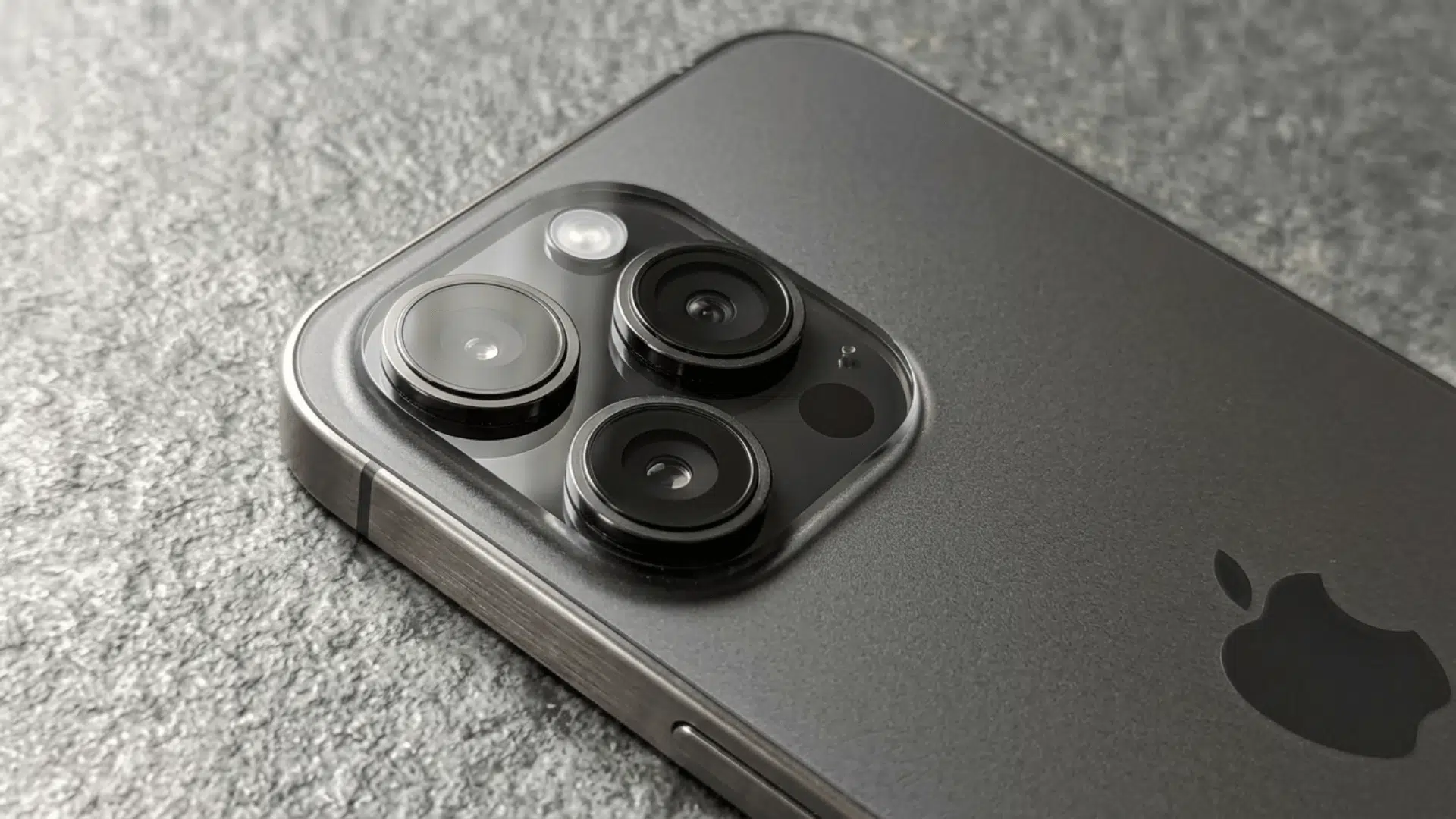
Before comparing the iPhone 16 Pro camera with other models, it helps to focus on the changes that actually affect everyday use.
A lot of the improvement isn’t just about hardware, but also about how the camera processes what it captures.
1. Main Camera Sensor
The main camera sensor has been slightly improved, allowing it to capture more light than before. This directly impacts how photos look in real situations.
You get better detail in both bright and dark areas, and images feel more balanced overall.
In scenes with strong sunlight or mixed lighting, the camera handles highlights and shadows more carefully, so you don’t lose important details.
Photos also look sharper without feeling overly processed, which is something Apple continues to focus on.
2. Ultra-Wide Camera
The ultra-wide camera now performs more consistently across the frame. Earlier models sometimes produced softer edges, but that has been reduced here.
This makes a noticeable difference when you’re shooting landscapes or group photos, where clarity across the entire image matters.
Macro photography also feels more refined, with better focus control and improved sharpness when capturing close-up subjects like textures, objects, or food.
3. Telephoto & Zoom
Zoom performance has steadily improved, especially in maintaining clarity at longer distances.
The telephoto lens now offers a more usable zoom range, and images hold detail better without looking overly artificial.
In practice, this means you can capture distant subjects with greater confidence, whether you’re traveling, at events, or doing casual photography.
The transition between different zoom levels also feels smoother, which helps when framing shots quickly.
4. Low-Light Performance
Low-light photography has improved through better processing rather than just hardware changes.
Night mode is more controlled now, so photos don’t look overly bright or unnatural. Instead, you get cleaner images with less noise and more accurate colors.
Details in darker areas are preserved better, and the camera adapts more effectively to different lighting conditions, whether you’re shooting indoors or at night outdoors.
5. Video Recording
Video continues to be one of the strongest aspects of the iPhone 16 Pro camera. Stabilization feels more refined, which helps keep footage steady even when you’re walking or moving.
Exposure and color remain consistent across different scenes, so videos look natural without sudden shifts.
Features like cinematic mode and ProRes recording have also been improved, making them more reliable for users who shoot content regularly.
6. Image Processing
Much of the overall improvement comes from image processing. Apple’s Smart HDR and AI-based adjustments work in the background to balance colors, control highlights, and maintain natural-looking skin tones.
Instead of pushing aggressive colors or contrast, the camera aims for consistency, which makes photos look more realistic.
This also means you don’t need to spend much time editing, as the results are already well-balanced straight out of the camera.
iPhone 16 Pro vs. Older Models: Camera Comparison
A side-by-side comparison makes it easier to understand how the iPhone 16 Pro camera improves over previous generations and where the differences actually matter in daily use.
| Feature | iPhone 16 Pro | iPhone 15 Pro | iPhone 14 Pro |
|---|---|---|---|
| Main Camera | 48MP Fusion sensor with better dynamic range | 48MP sensor, strong overall performance | 48MP sensor, good but older processing |
| Zoom | 5x optical zoom with improved clarity | Up to 3x–5x depending on model | Up to 3x optical zoom |
| Low-Light | Cleaner images, improved night mode | Good low-light handling | Average, more noise in darker scenes |
| Video | 4K up to 120fps, improved stabilization | Strong video with good stabilization | Good but less advanced |
| Processing | Updated Smart HDR and AI improvements | Solid image processing | Older processing, less refined |
| Price Range | $999–$1,299+ | $799–$1,099+ | $599–$899+ |
Community & User Reviews
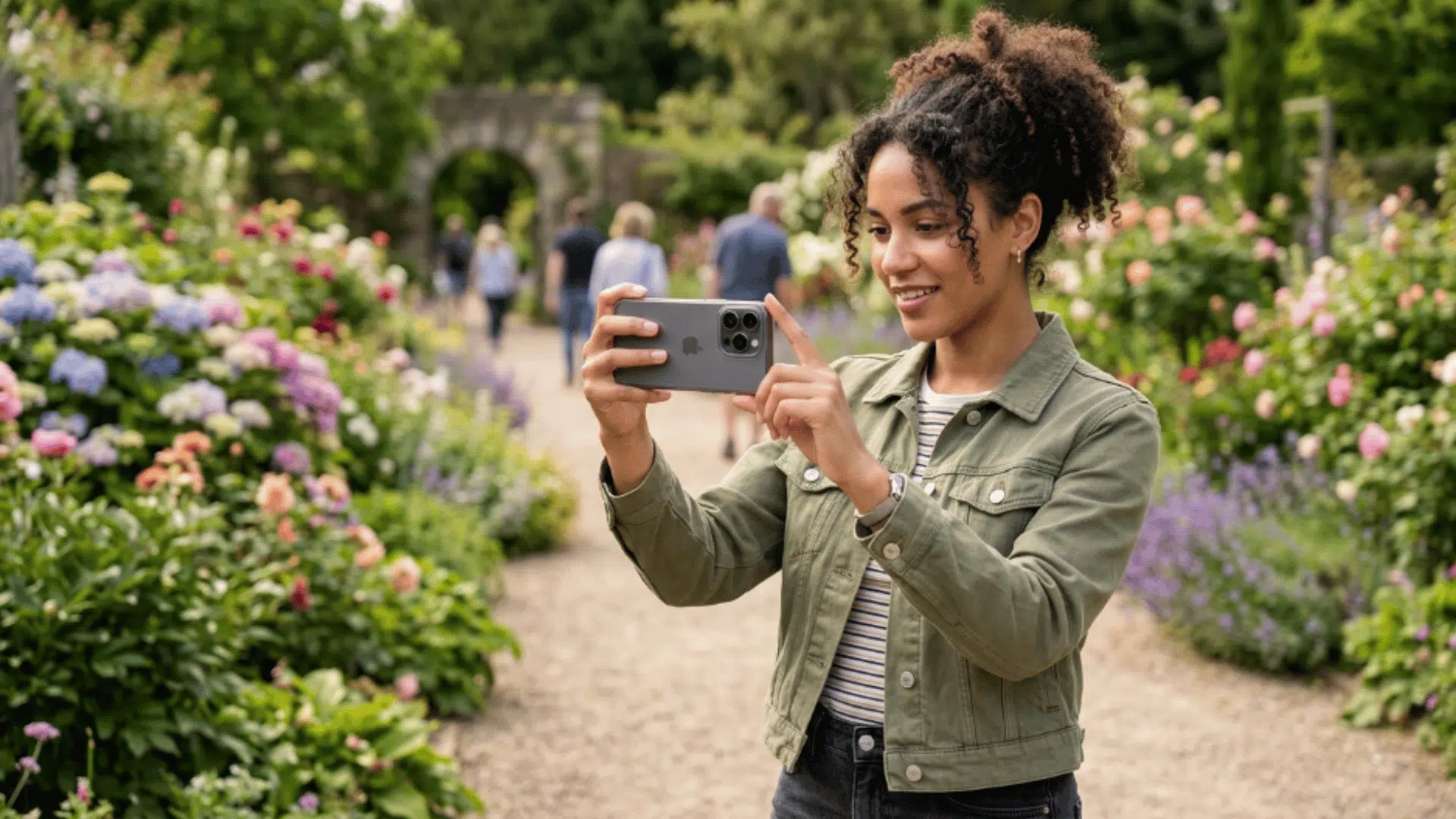
Looking at real user feedback helps understand how the iPhone 16 Pro camera performs in real-world conditions.
The Pro camera system is a standout. Photos come out crisp and detailed in a wide range of conditions. Portrait mode feels very refined, and the computational photography features elevate shots beyond what you’d expect from even a flagship device. Low-light performance is impressive, too capturing clear detail without excessive noise. – Emily Santiago , Amazon
The camera’s Image Quality is perfect, and video recording is equally strong, delivering vibrant colors and smooth stabilization across the formats I’ve tested. For both casual snaps and more ambitious content, the iPhone 16 Pro delivers. – James, Amazon
I’ve been using the iPhone 16 Pro and I’m really impressed with it. It’s super fast, the screen looks amazing, and the cameras take really sharp photos. –Reiber R, Amazon
Who Should Upgrade to an iPhone 16 Pro?
Not everyone needs to upgrade, so it helps to match the camera improvements with your usage.
- Users who want better zoom performance for capturing distant subjects with clearer detail and less quality loss.
- People who frequently shoot in low-light conditions need cleaner images with more accurate color.
- Content creators who rely on video quality and need stable footage with consistent exposure and color.
- Users who value consistent photo results across different lighting conditions without needing manual adjustments.
- Travelers who take photos in varied environments and need a camera that adapts well to changing scenes.
- Anyone looking for a more refined camera experience with improved processing and overall reliability.
Final Verdict
The iPhone 16 Pro camera improves in ways that matter, but not always in obvious ways. Most changes focus on consistency, better processing, and refined performance rather than major upgrades.
If you take a lot of photos or videos, especially in different lighting conditions, you’ll notice the difference.
For others, the changes may feel subtle in everyday use. The key is to look at how you use your camera.
If you need better zoom, cleaner low-light shots, and reliable results, this upgrade makes sense. Otherwise, your current device may still hold up well.