

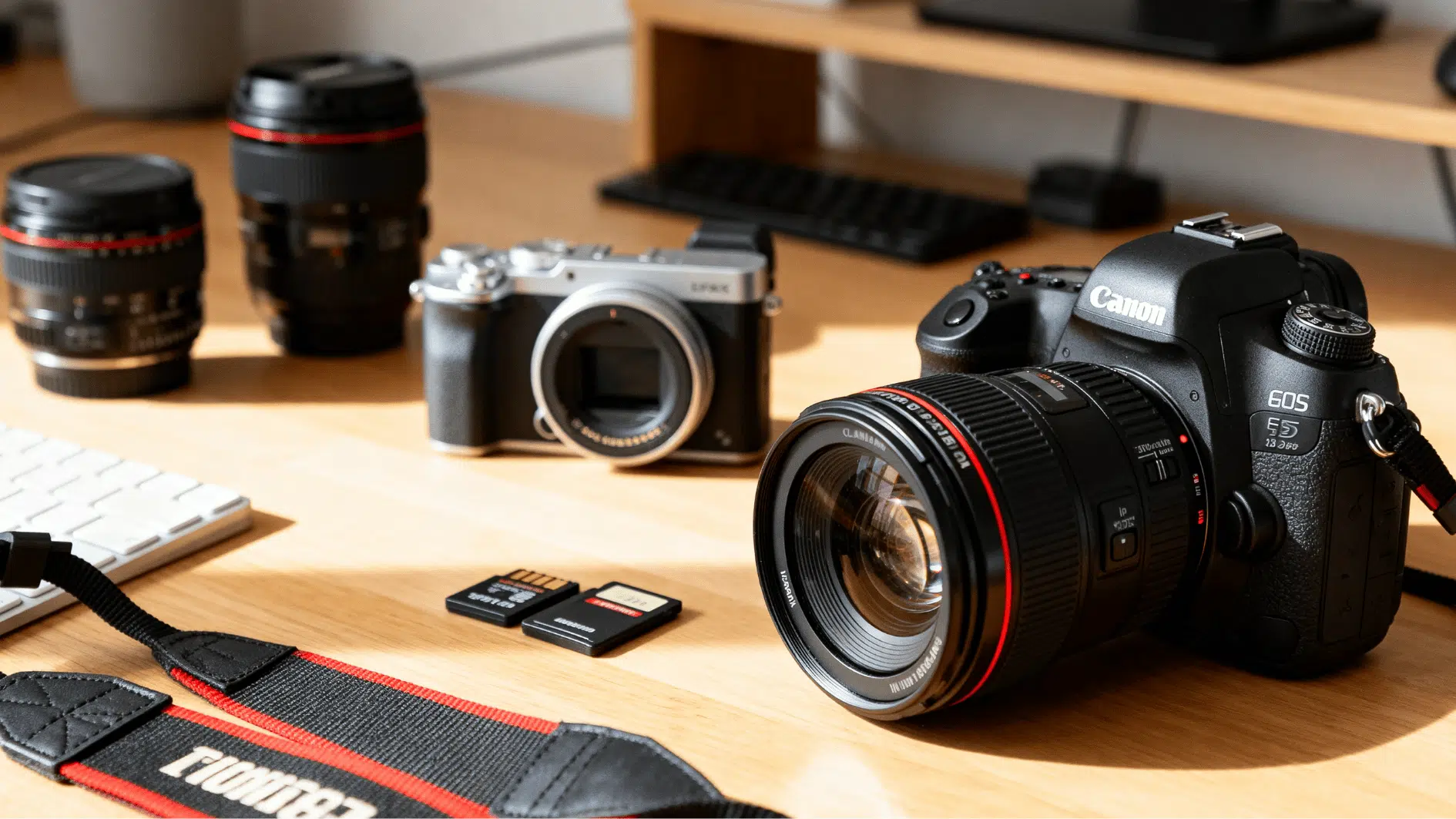



Smartphones are great for quick photos, but dedicated cameras still give users more creative freedom and better control. That’s one reason DSLR and mirrorless cameras continue to attract beginners and photography lovers.
At the same time, many beginners feel confused when choosing between DSLR and mirrorless models.
Both camera types operate differently and are built for different photography styles, so understanding the basics can make the decision much easier.
What is a DSLR Camera?
The term DSLR stands for Digital Single-Lens Reflex. A DSLR camera is a digital camera that uses a mirror system and an optical viewfinder to capture images.
These cameras are known for better image quality, manual controls, and interchangeable lenses. DSLR cameras are still widely used for portraits, travel, wildlife, and professional photography.
How Does a DSLR Camera Work?
- Light enters through the camera lens
- The mirror reflects the image into the optical viewfinder
- Users can frame the shot before clicking
- Pressing the shutter button flips the mirror upward
- Light then reaches the image sensor inside the camera
- The sensor records the final image
- The camera processes the image automatically
- The final image gets stored on the memory card
Main Parts of a DSLR Camera
Every DSLR camera includes several important parts that help capture, process, and store images properly. Each part plays a different role in photography
| Camera Part | Function | Why It Matters |
|---|---|---|
| Lens | Captures the image and controls focus | Helps create sharp and detailed photos |
| Image Sensor | Converts light into a digital image | Affects image quality and low-light performance |
| Optical Viewfinder | Displays the scene before capture | Lets users see exactly what the lens sees |
| Mirror System | Reflects light into the viewfinder | Makes DSLR cameras different from mirrorless cameras |
| Shutter Button | Triggers the camera to take a picture | Starts the image capturing process |
| Memory Card Slot | Stores photos and videos | Saves all captured files safely |
Features That Make DSLR Cameras Popular
DSLR cameras remain popular because they offer greater control, sharper image quality, and a more hands-on photography experience. Even as mirrorless cameras grow in popularity, many beginners and photographers still enjoy using DSLRs.
1. Interchangeable Lenses
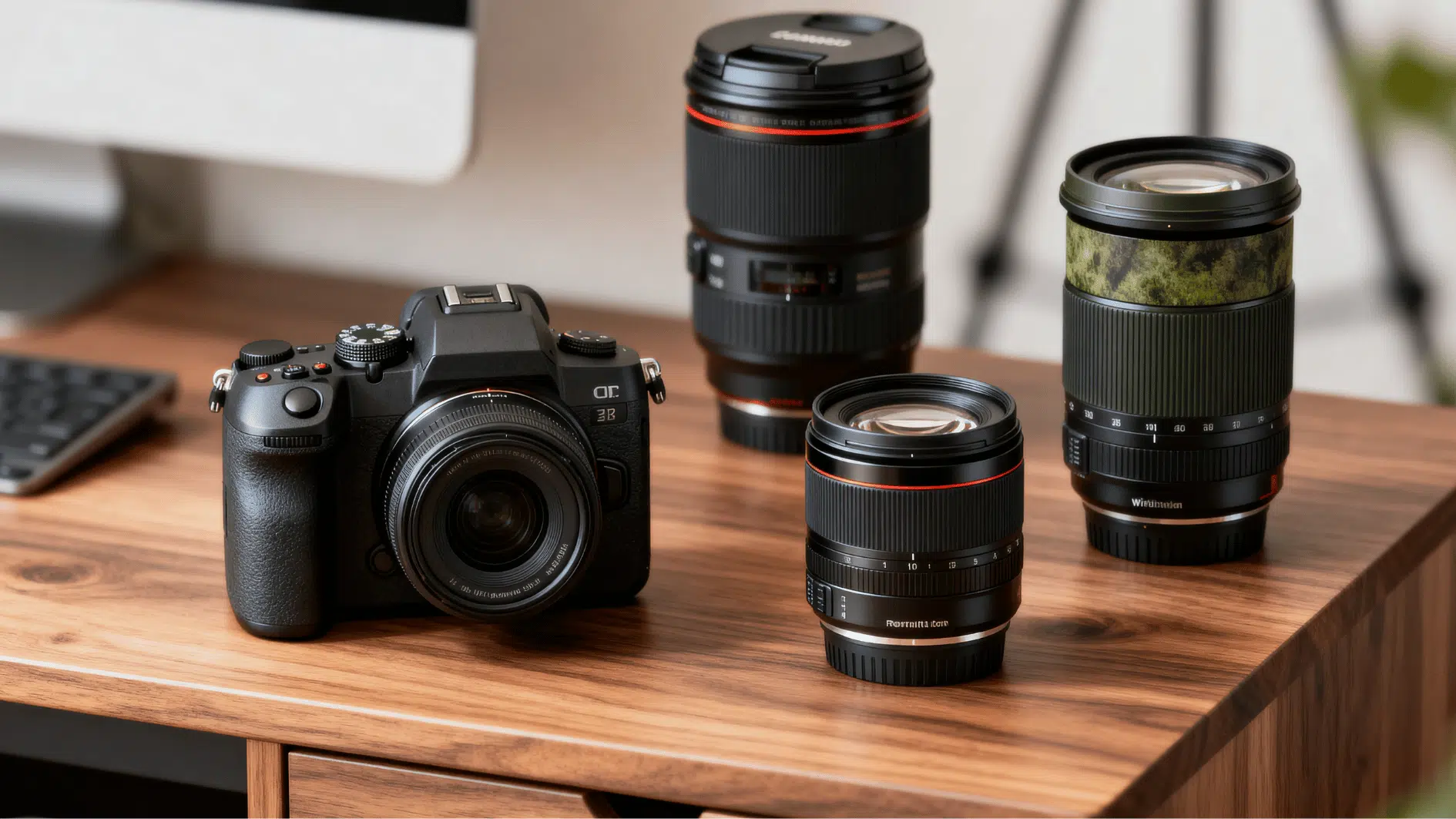
One of the coolest things about DSLR cameras is the ability to switch lenses anytime. Different lenses help create completely different photo styles.
- Portrait lenses for soft, blurry backgrounds
- Sports lenses for fast-moving action shots
- Wildlife lenses for far-away subjects
- Travel lenses for everyday photography
2. Full Manual Controls
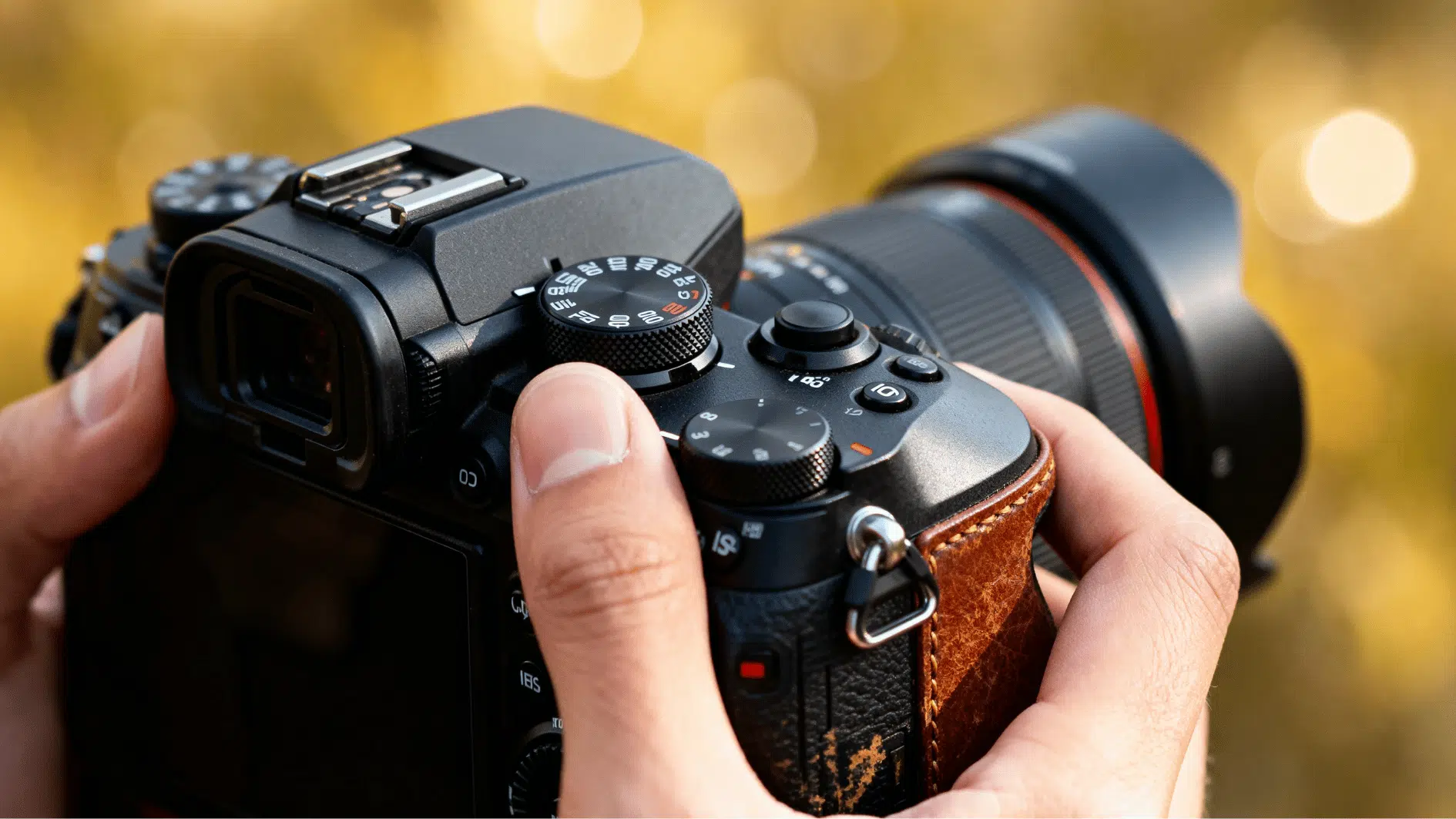
DSLR cameras let users control camera settings instead of depending only on automatic modes. This gives more creative freedom while taking photos.
- ISO adjusts image brightness
- Aperture controls background blur and light
- Shutter speed helps freeze or blur motion
3. Better Low-Light Performance
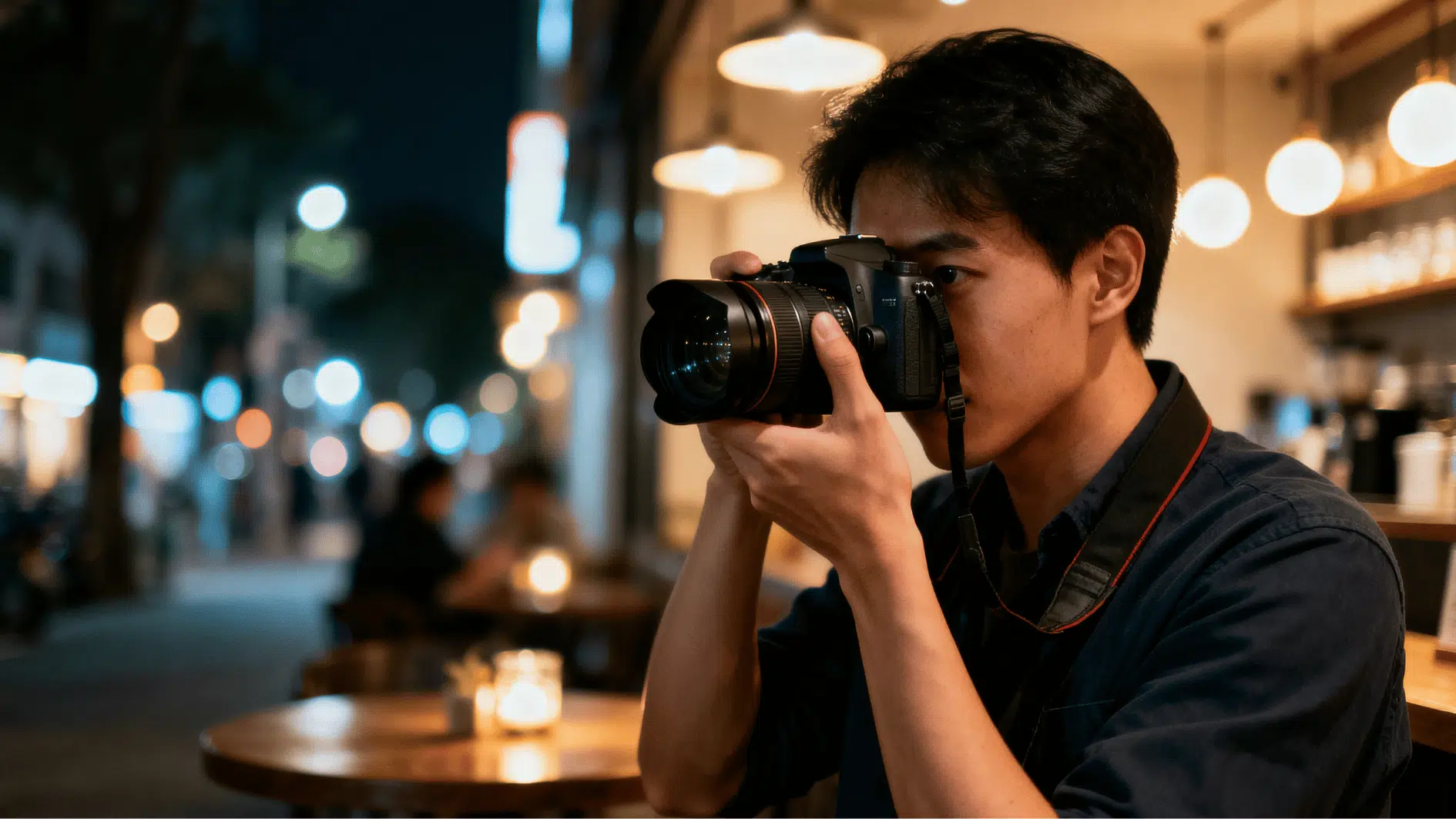
Many DSLR cameras work really well in low-light conditions. Their larger sensors help capture cleaner and brighter photos without too much grain.
- Sharper night photos
- Better indoor photography
- Cleaner images in dim lighting
4. Long Battery Life
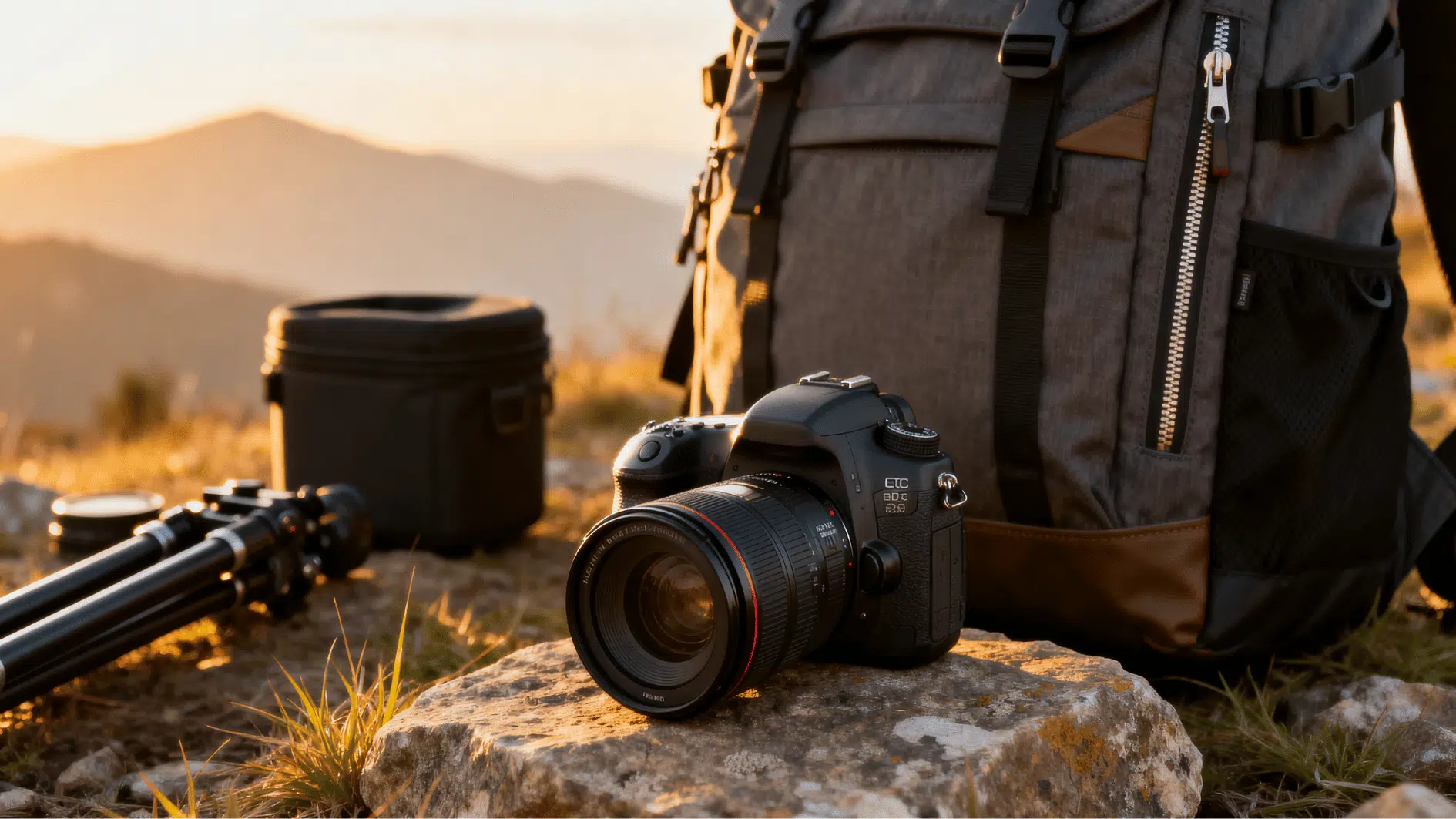
Battery life is one reason many photographers still prefer DSLR cameras. They usually last longer on a single charge compared to many mirrorless models.
- Great for travel photography
- Helpful during long events
- Fewer charging breaks during shoots
5. Comfortable Handling
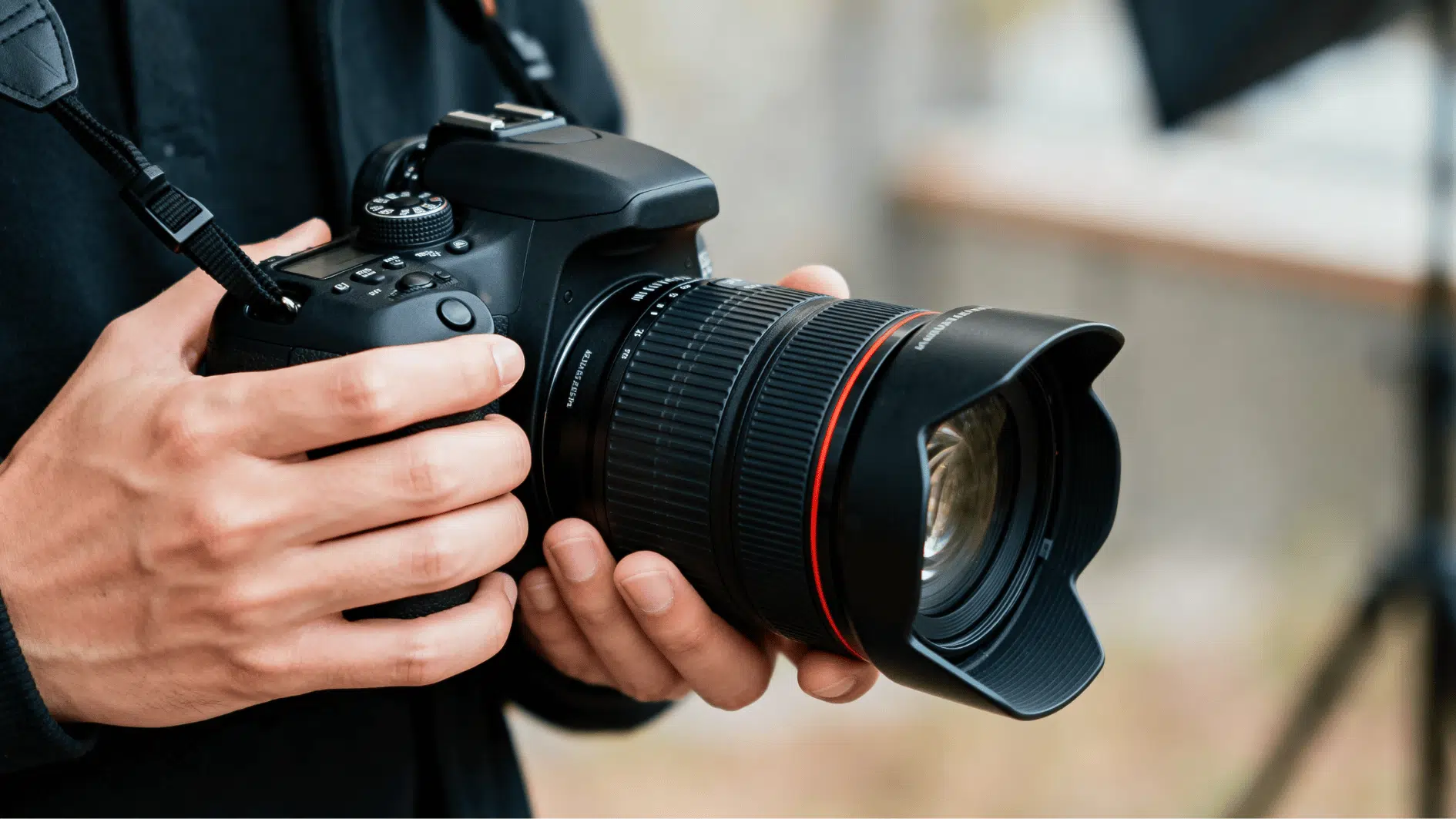
DSLR cameras are often bigger than mirrorless cameras, but many users actually like that. The larger grip and button layout can feel more comfortable while shooting.
- Easier to hold for long hours
- Buttons are simple to reach quickly
- Better balance with larger lenses
DSLR vs. Mirrorless Cameras: Key Differences
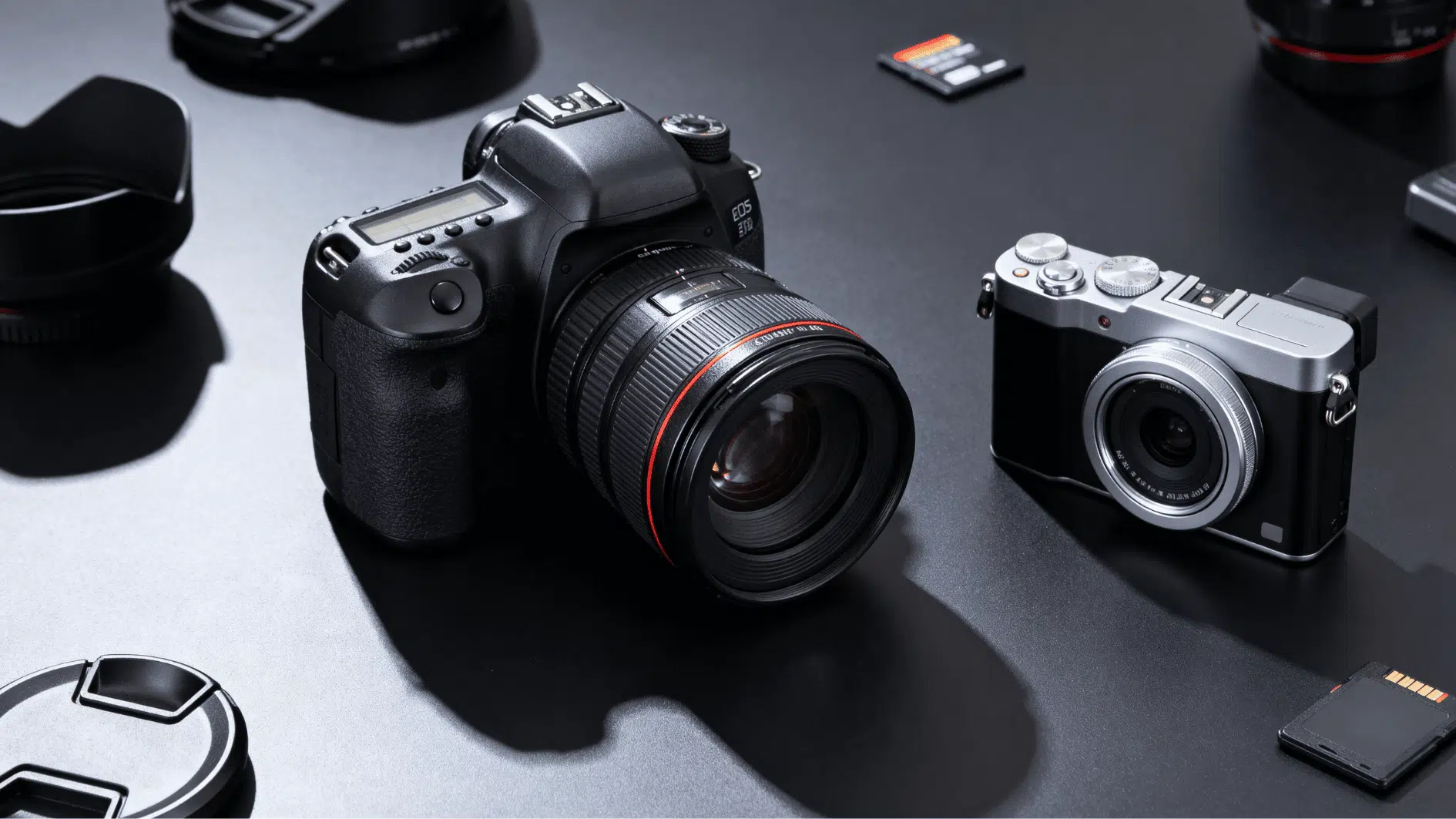
Choosing between a DSLR and a mirrorless camera can feel confusing because both cameras offer different advantages. Some users prefer DSLR cameras for long photography sessions, while others like mirrorless cameras for portability and modern features.
| Feature | DSLR Cameras | Mirrorless Cameras |
|---|---|---|
| Size & Weight | Bigger and heavier | Smaller and lighter |
| Battery Life | Usually lasts longer | Drains faster |
| Camera Preview | Optical viewfinder with real-world view | Electronic viewfinder with digital preview |
| Autofocus | Reliable for photography | Faster and better for tracking subjects |
| Video Features | Good for regular video recording | Better for advanced video and vlogging |
| Lens Options | Huge range of lenses available | Growing lens collection |
| Travel Use | Less convenient to carry | Easier for travel and daily use |
| Shooting Sound | Louder shutter sound | Can shoot silently |
| Beginner Learning | Great for learning manual photography | Easier for quick shooting and content creation |
| Best For | Sports, wildlife, portraits, events | Travel, vlogging, street photography |
| Durability | Strong and sturdy body design | Compact but lighter body build |
| Price Range | Many affordable beginner models | Often more expensive for newer models |
| Maintenance | More moving parts inside | Fewer moving parts |
| Popular With | Traditional photographers | Content creators and vloggers |
Things to Know Before Buying a DSLR Camera
Buying a DSLR camera becomes much easier when you focus on your actual photography needs instead of only looking at camera specs.
- Set a budget before checking camera models and lenses
- Remember that DSLR cameras are usually bigger and heavier
- Extra lenses can increase the total cost over time
- Think about whether you need the camera more for photos or videos
- Beginner DSLR models are simpler and easier to learn with
- Professional cameras offer advanced features but may feel complicated for new users
What Photographers Say About DSLR Cameras
Trusted camera review sites still point out that DSLR cameras are useful for beginners because they offer strong image quality, good handling, optical viewfinders, and long battery life. TechRadar notes that DSLRs remain a good-value choice for new photographers, especially because of their tactile feel, viewfinders, and wide lens systems. TechRadar
Many reviews also praise models like the Nikon D3500 for beginner-friendly controls, sharp still photos, and excellent battery life. Amateur Photographer calls it a strong first DSLR choice, with good image quality and class-leading battery performance. Amateur Photographer
At the same time, reviews mention a few downsides. DSLR cameras can feel bigger than mirrorless models, and some entry-level options may lack modern video features like 4K recording or advanced autofocus. TechRadar also notes that the Nikon D3500 is limited to Full HD video, not 4K. TechRadar
So, real reviews agree that DSLR cameras still offer a fun hands-on photography experience with sharp image quality, even if they feel bigger than mirrorless cameras.
Conclusion
DSLR cameras are still a popular choice for people who want better image quality, creative control, and a more hands-on shooting experience.
Understanding what a DSLR camera is becomes much easier once you learn how they work and what sets them apart from mirrorless cameras.
While mirrorless cameras continue to grow in popularity, many photographers still enjoy the classic DSLR feel, strong battery life, and wide lens options.
In the end, the right camera depends on your photography style, comfort, and budget.
Frequently Asked Questions
Do DSLR Cameras Need Internet or Wi-Fi to Work?
No, DSLR cameras do not need internet access to take photos or videos. Some newer models only use Wi-Fi for transferring files or remote control features.
Are DSLR Cameras Hard to Maintain?
DSLR cameras are not very difficult to maintain, but lenses and sensors should be cleaned carefully to keep image quality sharp.
How Many Photos Can a DSLR Camera Take on One Charge?
Most DSLR cameras can capture hundreds or even thousands of photos on a single charge, depending on the model and usage.
Do DSLR Cameras Have Touchscreens?
Some modern DSLR cameras include touchscreen displays, while older models may only use buttons and dials.