


Buying an iPhone for its camera should feel simple, but similar model names and long feature lists can make the choice frustrating.
Which iPhone has the best camera for the photos and videos you actually take? The answer depends on more than megapixels or buying the newest release.
I focus on the differences that affect real results, including sensor size, stabilization, optical zoom, low-light performance, and video formats.
You can also see how budget, phone size, and shooting habits change the recommendation.
This comparison narrows the options to four worthwhile models. For more detail on size and hardware, the latest Pro model comparison explains the differences between Apple’s two flagship sizes.
Which iPhones Are Worth Considering?
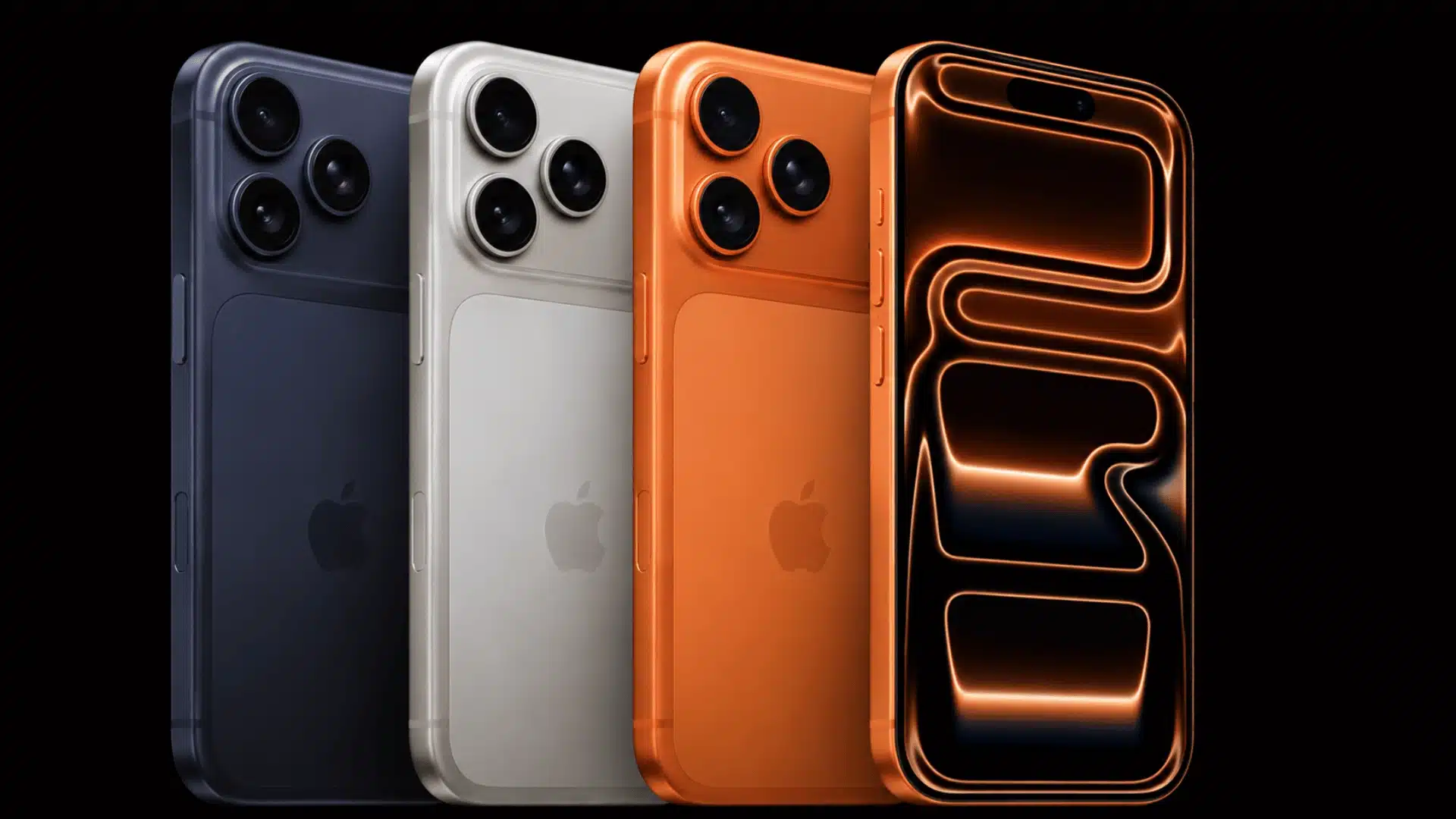
Several iPhones can produce excellent photos, so the newest and most expensive model is not the only sensible option. Budget and phone size help narrow the field before smaller camera differences become relevant. The realistic shortlist includes the iPhone 17 Pro Max, iPhone 17 Pro, iPhone 16 Pro, and standard iPhone 17.
- iPhone 17 Pro Max: The leading option for buyers seeking the strongest camera hardware, long battery life, and a large display.
- iPhone 17 Pro: A smaller flagship choice for people who want Pro-level photography without carrying a Max-sized phone.
- iPhone 16 Pro: A lower-cost alternative that retains a telephoto lens and advanced video features from the previous generation.
- Standard iPhone 17: A practical choice for daily photos and casual video when optical zoom is not a priority.
Older standard models are less competitive because discounted Pro phones often provide a broader lens range. The next step is comparing the hardware differences that affect actual photo quality.
What Creates the Camera-Quality Difference?
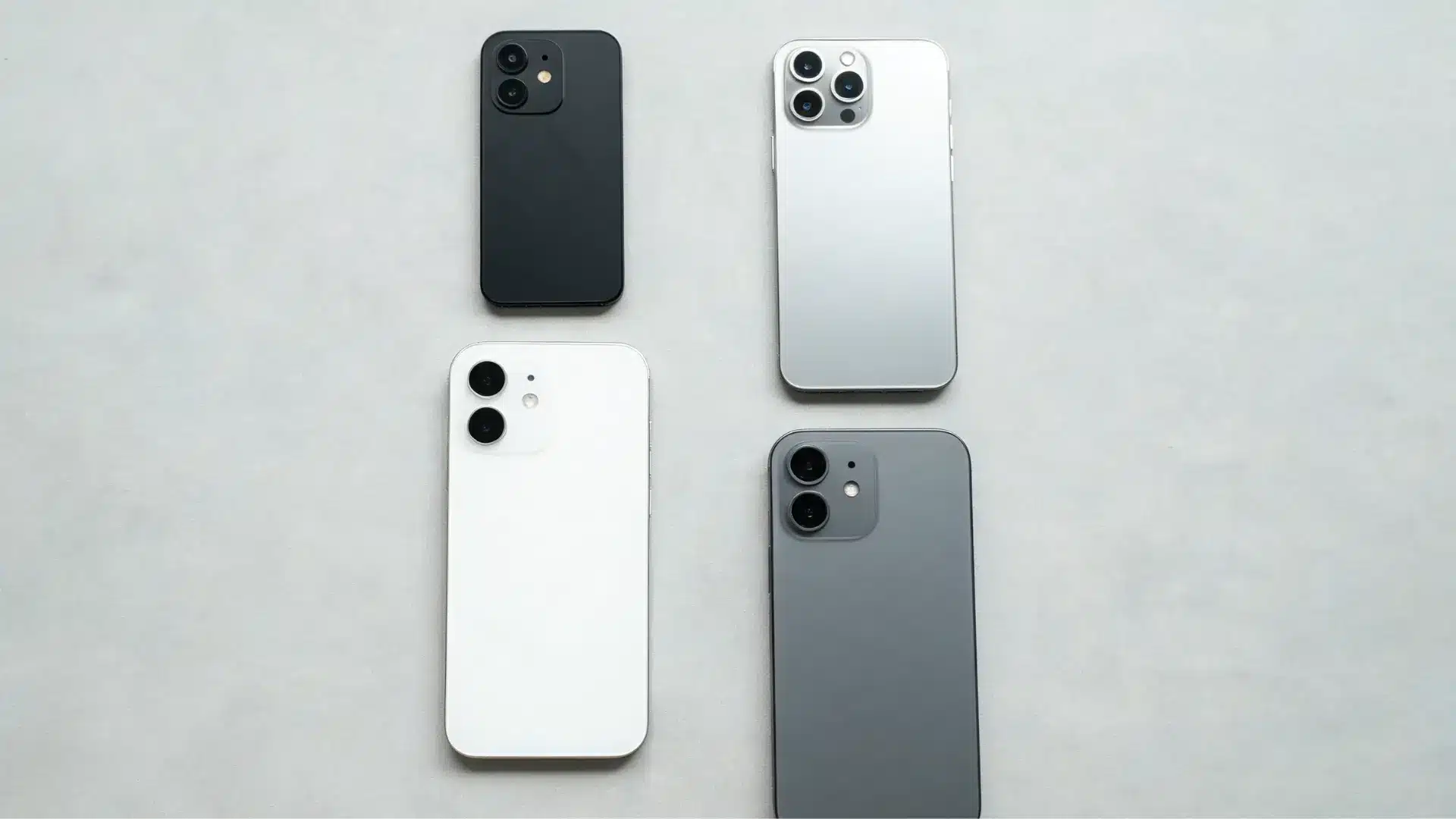
Megapixel totals alone cannot measure camera quality. Sensor size, stabilization, lens choice, and processing determine how photographs actually look instead.
1. Sensor Size and Light Capture
A larger camera sensor collects more light during each exposure, helping the phone retain detail in shadows and reduce noise at night. Sensor size also affects natural background separation and overall clarity.
Two cameras with equal megapixel counts can therefore produce noticeably different results because their sensors, lenses, and light-gathering abilities may not be the same.
2. Sensor-Shift Stabilization
Sensor-shift optical stabilization moves the camera sensor to counter small hand movements while taking a photo or recording video. This correction reduces blur when lighting is poor, and the camera needs a longer exposure.
It also produces steadier handheld video. Stabilization becomes particularly useful at night, while walking, or when recording without a tripod or dedicated phone gimbal.
3. Optical Zoom and Telephoto Lenses
Optical zoom uses a dedicated lens to capture distant subjects, while digital zoom enlarges and crops information from the main sensor. Heavy cropping can remove detail and introduce softness.
A telephoto lens provides cleaner portraits, concert photos, sports shots, and travel images. Its added reach is one of the clearest practical differences between standard iPhones and Pro models.
The difference becomes clearer when comparing earlier Pro camera systems, where similar megapixel counts can still produce different zoom and video results.
4. Pixel Binning and Image Processing
A 48MP sensor does not always create a finished 48MP photo. Pixel binning combines information from several nearby pixels to produce a lower-resolution image with better brightness and reduced noise.
Apple’s processing then adjusts exposure, color, HDR, texture, and skin tones. These steps explain why the stated megapixel count cannot predict the final photo quality on its own.
Which Camera Features Matter in Daily Use?
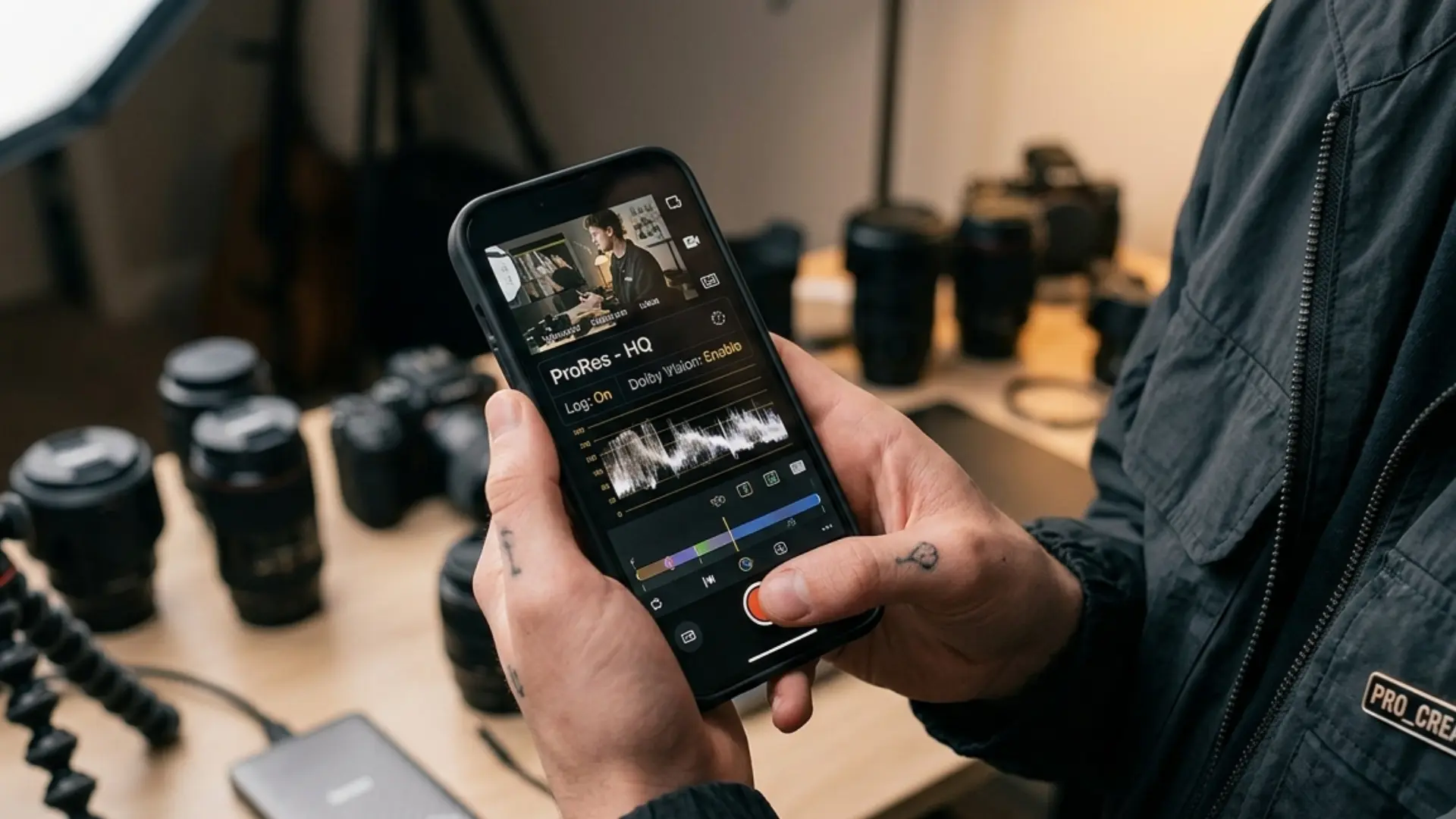
Some iPhone camera features improve everyday photos, while advanced recording tools mainly benefit professional photographers, filmmakers, and video editors.
1. Everyday Photography
Fast autofocus helps capture moving pets and children before the moment passes. Portrait separation keeps subjects distinct from the background, while macro focus supports detailed food and close-up shots.
HDR balances bright skies with darker faces, and stronger low-light performance reduces blur and noise. Casual users gain more from these improvements than from professional video recording formats.
2. Selfies and Video Calls
Front-camera autofocus keeps faces sharp when the distance between the person and phone changes. This helps with handheld selfies, group recordings, and video calls.
Center Stage automatically adjusts the framing as people move or join the scene. These functions often affect daily results more than resolution, since a higher megapixel count cannot correct missed focus or poor framing.
3. Professional Video
ProRes preserves more image information for detailed editing, while Log recording provides greater control over color and exposure during post-production. Both formats create much larger files and require extra storage.
Dolby Vision provides strong color and contrast for compatible screens. These tools suit filmmakers and serious content creators, but casual users can record excellent video without using them.
What Changes the Right Choice for You?
The right iPhone depends on your budget, photography habits, video needs, and preferred phone size. Set these priorities before paying for camera features you may rarely use.
- Limited Budget: Consider a previous-generation Pro before a newer standard model, especially when optical zoom matters.
- Everyday Photos: A standard iPhone provides strong results for family photos, pets, food, holidays, and social media.
- Distant Subjects: Choose a Pro model for cleaner shots at concerts, sporting events, wildlife areas, and travel locations.
- Serious Video: Prioritize ProRes or Log support, storage space, battery life, and heat control during longer recording sessions.
- Compact Handling: Select the smaller Pro model when it shares the larger model’s camera hardware.
- Long Recordings: Consider the Pro Max for its larger battery and spacious monitoring screen.
Previous-generation Pro models often become better-value purchases after a new release, especially when their camera hardware remains close to the latest version.
Which iPhone Should You Buy for Camera Quality?
The iPhone 17 Pro Max is the best overall choice for camera quality, offering strong performance across photography, optical zoom, and professional video.
- Best Overall: Choose the iPhone 17 Pro Max for its broad lens range, reliable stabilization, low-light results, and advanced recording features.
- Best Smaller Option: Pick the iPhone 17 Pro for comparable camera quality when you prefer a lighter, more comfortable phone.
- Best Lower-Cost Option: Buy the iPhone 16 Pro to retain telephoto photography and professional video tools while spending less.
The standard iPhone 17 suits casual photos and everyday video, but the missing Pro hardware makes it less suitable for distant subjects or serious filmmaking.
Conclusion
Choosing the best camera phone means matching its hardware to the way you shoot. The iPhone 17 Pro Max leads for zoom, low-light photography, stabilization, and advanced video.
Its smaller Pro counterpart provides similar camera strength in a lighter body, while the iPhone 16 Pro offers better value.
A standard model still handles casual photos well when telephoto reach and professional recording formats are unnecessary.
I suggest deciding which features you use before comparing prices. That approach makes the question “Which iPhone has the best camera?” easier to answer without paying for tools that sit unused.
Share your preferred model below, or read my related iPhone comparisons before choosing your next phone.
Frequently Asked Questions
Which iPhone has the Best Camera Overall?
The iPhone 17 Pro Max and 17 Pro sit at the top right now. They share identical camera hardware, so size is the only real difference between them. Both handle zoom, low light, and detail equally well.
Is the iPhone 17 Camera Better than the iPhone 16?
Yes, especially in the Pro models. The 17 Pro and Pro Max got an upgraded telephoto lens and sharper image processing. You’ll notice it most in low light or when zooming in on distant subjects.
What’s the Cheapest iPhone with A Genuinely Good Camera?
The iPhone 17e, or the 16e if you catch a deal, gives you a solid camera without flagship pricing. It won’t match the Pro Max on zoom or RAW support. For regular daylight shots, it still holds up well.
Do Older iPhone Pro Models Still Take Great Photos?
Yes. Anything from the 13 Pro onward still performs well in good lighting. The 15 Pro Max especially still handles zoom and detail nicely. Newer upgrades mostly show up in low light and video, not everyday shots.