





Some days just feel impossible to keep up with. Too many things are going on, too many details to remember, and something always gets missed. It happens to everyone.
But the people who seem to have it together? Most of them are just working off a solid list. Not a random scribble on a sticky note. An actual checklist that is clear, easy to follow, and built to get things done.
It is a small habit with a surprisingly big payoff. And it all starts with knowing how to put one together the right way. Here is exactly how to build one that actually works.
How Checklists Turn Chaos Into Order
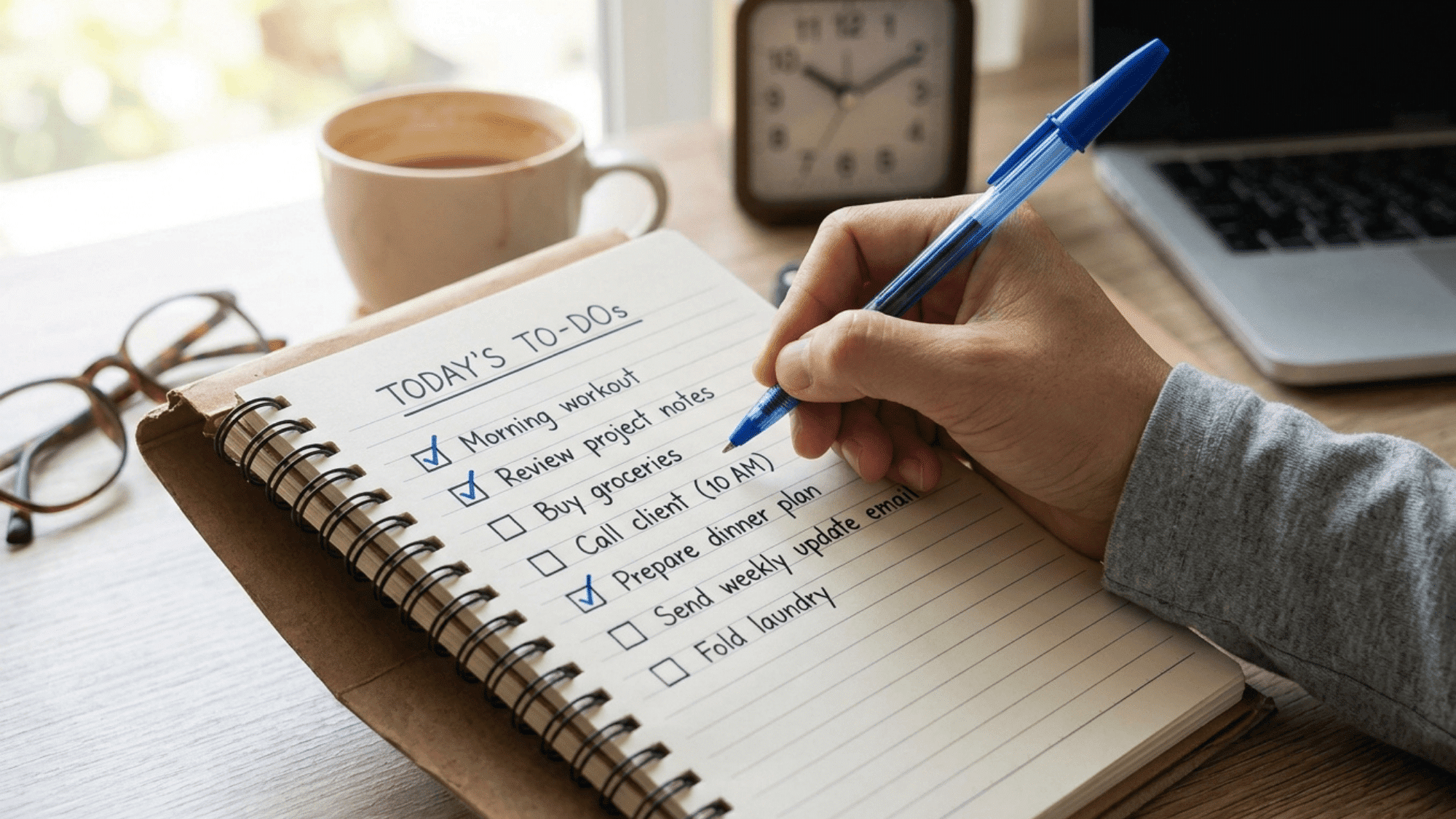
When your tasks are all over the place, it’s easy to feel confused and lose track of what needs to be done. A checklist brings everything together in one clear list, making it easier to stay organized with checkbox task tracking.
You don’t have to keep things in your head or worry about forgetting something important. It also helps you manage your time better because you can see what needs attention first.
Over time, using checklists can build better habits and make your daily routine feel simpler, clearer, and under control.
Simple Steps to Create an Effective Checklist

You’ve probably made a checklist before, and still forgot something. It happens when the list isn’t clear or easy to follow. A good checklist should make things simpler, not harder. Let’s go step by step and fix that:
Step 1: Define the Purpose of Your Checklist
Before you start listing tasks, clarify what you want this checklist to achieve. A focused checklist works better than a generic one because it keeps you aligned with a specific goal.
- Decide the main goal (e.g., travel, work task, daily routine)
- Be specific about the outcome
- Avoid mixing unrelated tasks
- Keep one checklist = one purpose
Step 2: Break Tasks Into Small, Actionable Steps
Big tasks can feel overwhelming and are easy to skip. Breaking them into smaller, clear actions makes your checklist easier to follow and complete. Think of each item as something you can quickly check off.
- Use clear, specific actions (“pack shoes” vs “pack”)
- Keep each task short and direct
- Avoid vague wording
- Focus on one action per step
Step 3: Organize Tasks in a Logical Order
A well-structured checklist flows naturally from start to finish. When tasks are in the right order, you don’t waste time figuring out what to do next; it just makes sense as you go.
- Arrange steps in sequence
- Group similar tasks together
- Follow a natural workflow
- Prioritize important tasks first
Step 4: Keep It Short and Easy to Scan
The best checklists are quick to read and even quicker to use. If your list feels too long or cluttered, people are more likely to ignore it. Simplicity always wins here.
- Limit unnecessary steps
- Use simple, everyday language
- Keep items concise
- Avoid overloading the list
Step 5: Test and Refine Your Checklist
A checklist becomes effective only after you actually use it. Testing helps you spot what’s missing, unclear, or unnecessary so you can improve it over time.
- Use the checklist once or twice
- Remove steps that don’t add value
- Add anything you missed
- Update it regularly
Real-Life Checklist Examples You Can Start Using Today
Sometimes it’s easier to understand something when you see it in action. Checklists aren’t just for work; they can help in everyday life, too. Here are some simple examples you can use or adapt to your needs:
1. Daily Morning Routine Checklist
A morning checklist helps you start your day calmly and organized. Instead of rushing or forgetting things, you follow a simple set of steps. It saves time and gives your day a smooth start.
Over time, it can even turn into a healthy daily habit.
2. Travel Packing Checklist
Packing for a trip can feel stressful, especially when you’re worried about forgetting something important. A checklist helps you stay prepared and confident before you leave.
It also keeps you from overpacking unnecessary items. This way, your travel starts on a relaxed note.
3. Work Task Checklist
Workdays can get busy, and it’s easy to lose track of tasks. A checklist helps you stay focused and organized from start to finish. You know what needs to be done and in what order.
It also helps you manage time better and avoid missing deadlines.
4. Grocery Shopping Checklist
Going shopping without a plan often leads to missed items or extra spending. A checklist keeps you focused on what you actually need. It makes your trip quicker and more efficient. Plus, it helps you stay within your budget.
5. Study Checklist
Studying without a clear plan can feel confusing and stressful. A checklist helps you break your study time into simple steps. It makes sure you cover all topics without rushing at the last minute.
This leads to better understanding and less stress.
6. Home Cleaning Checklist
Cleaning your home can feel overwhelming if you don’t know where to start. A checklist provides a clear path from one task to the next. It makes the process feel more manageable and less tiring.
You also get a sense of progress as you check things off.
Smart Tips to Make Your Checklist Even More Useful
A checklist works best when it fits into your daily life without extra effort. Small changes can make a big difference in how helpful it feels. These simple tips will help you get more value out of every checklist you create:
- Keep your checklist visible (phone, desk, or fridge)
- Use checkboxes for quick tracking and satisfaction
- Set reminders so you don’t forget to use it
- Group tasks by category (work, home, personal)
- Highlight or star your most important tasks
- Use digital tools like Notes, Notion, or Google Keep, or build interactive form layouts.
- Review your checklist at the same time each day
- Don’t try to make one checklist for everything
- Keep updating it as your routine changes
Conclusion
A good checklist does not have to be complicated. A clear purpose, simple steps, and the right order, that is really all it takes. Once it becomes a habit, the difference is hard to ignore.
Less forgetting, less stress, and a lot more getting done without the mental juggling act. So start small, and pick one area of life that feels messy or hard to keep track of.
Build a simple checklist around it and see how it feels after a few days. It is one of those tiny changes that quietly makes everything else a little easier. And that is always worth it.